Artwork
Masquerade
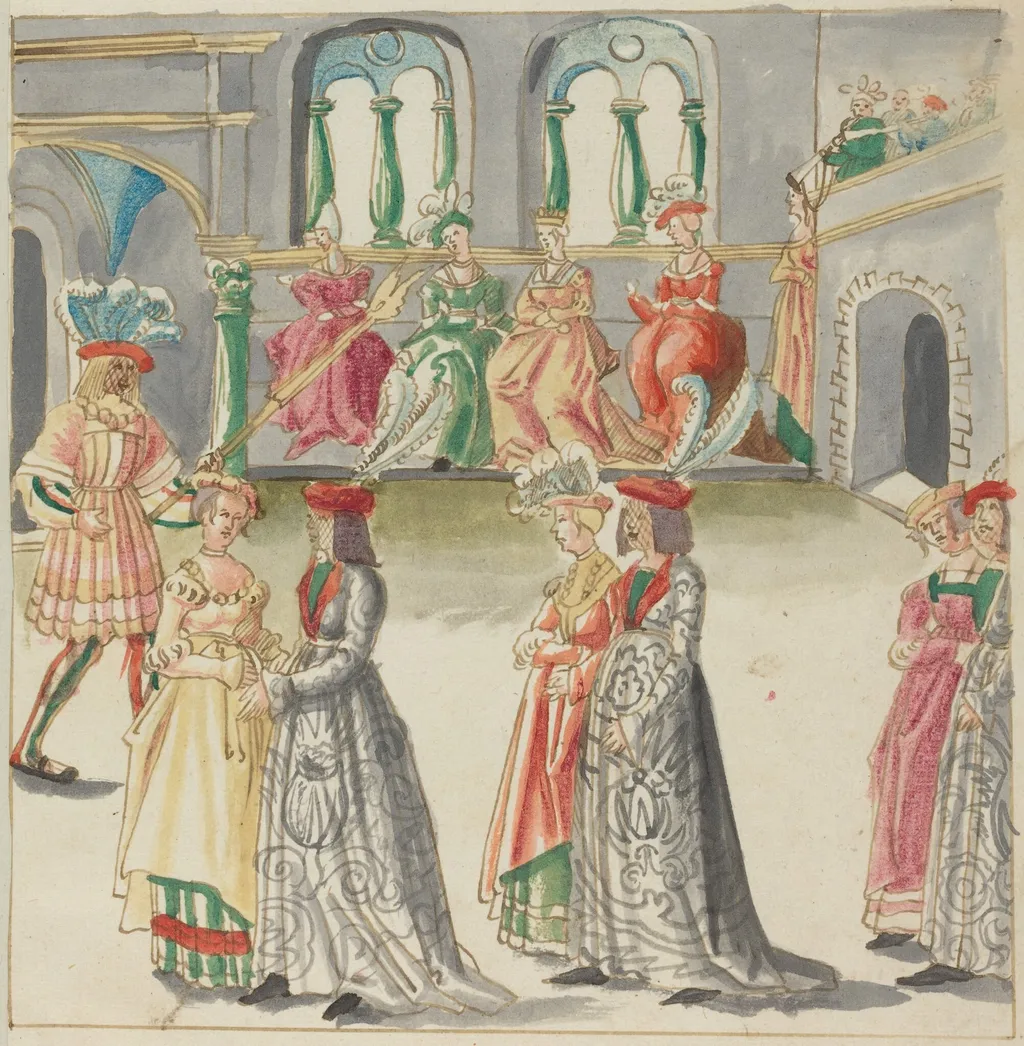
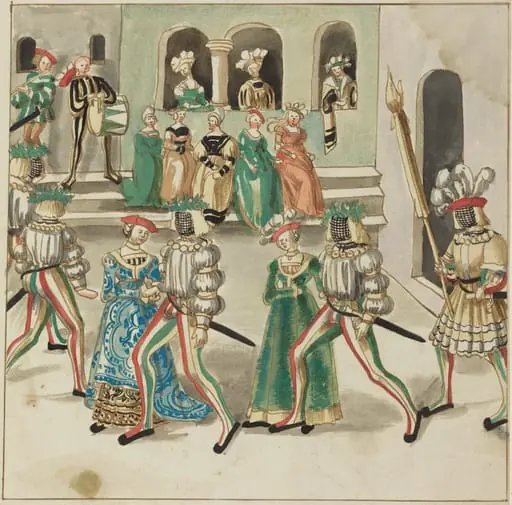
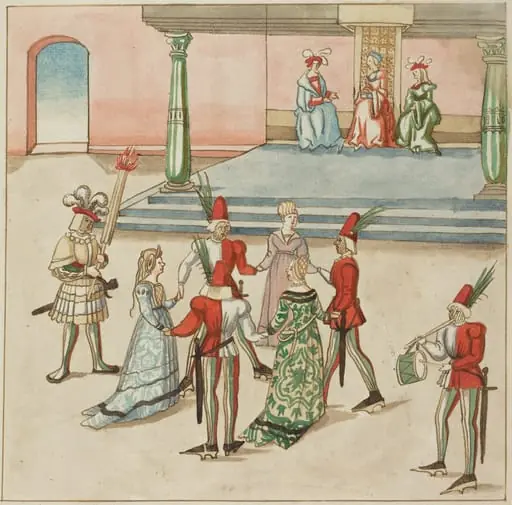
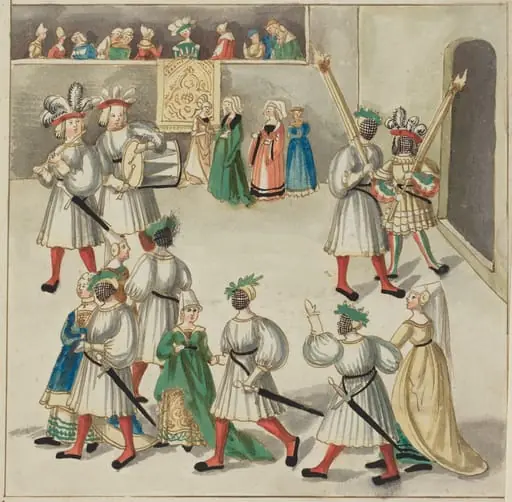
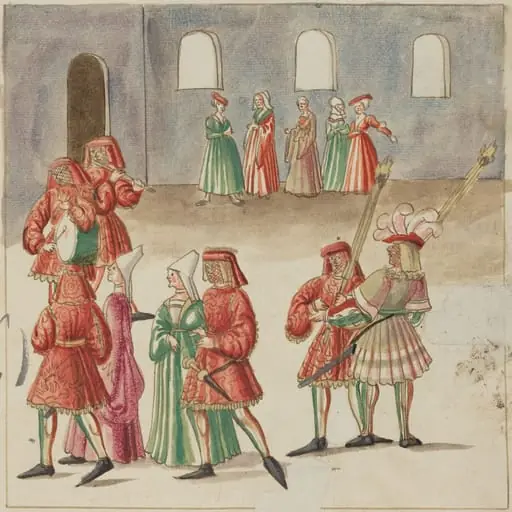
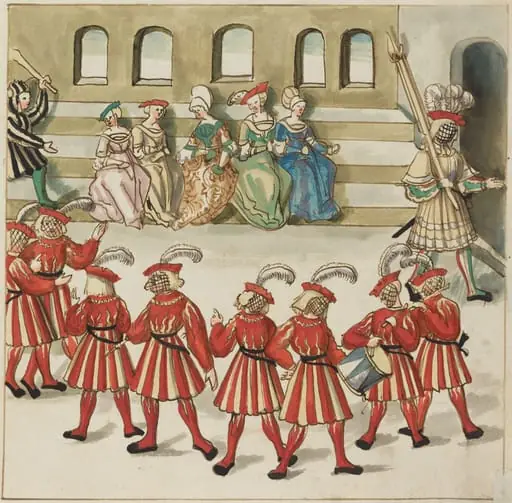
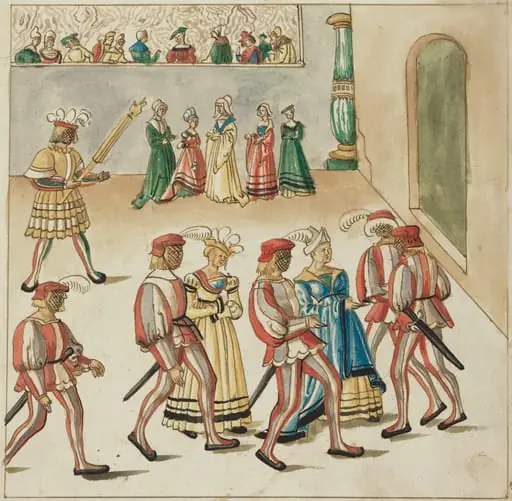
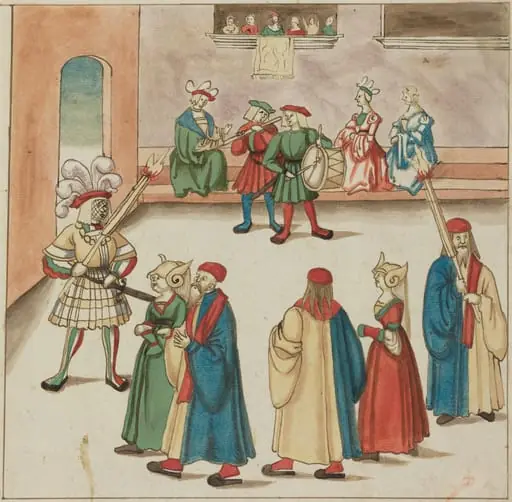
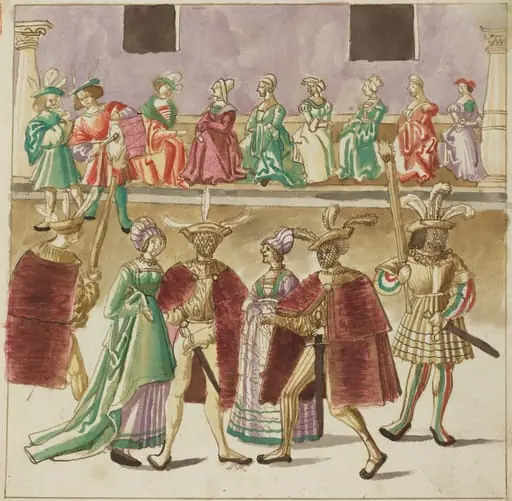
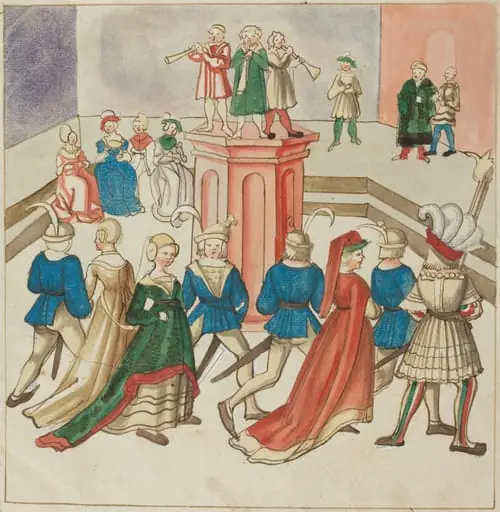
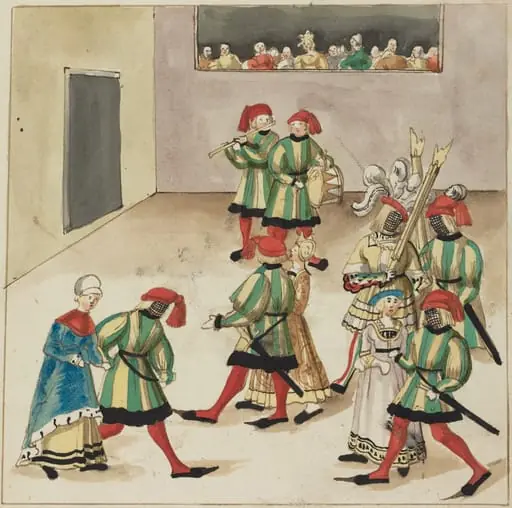
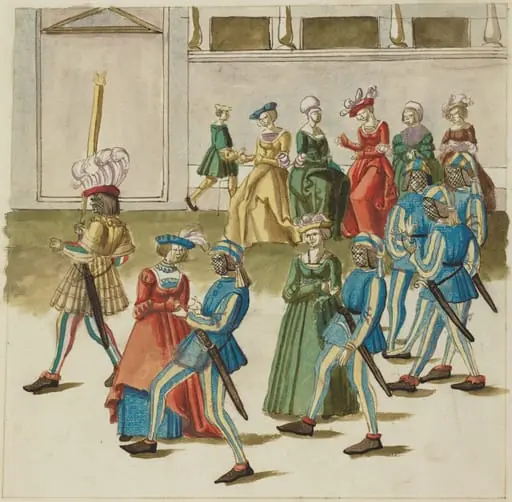
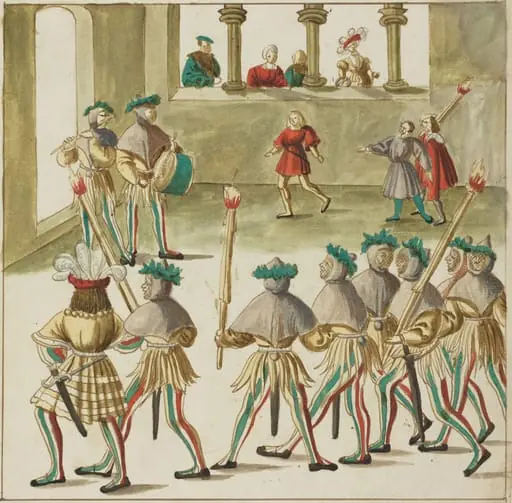
Masquerade is an ink drawing by the Renaissance artist German 16th Century. It dates from 1514 and is held in the collection of the National Gallery of Art.
About this work
Overview
Masquerade is a drawing executed with pen and brown ink complemented by watercolor washes on laid paper. The work’s title suggests a theme of disguise or performance, though the image itself is not described. As a hand‑drawn piece, it reflects the artist’s direct engagement with line and pigment on a traditional support.
Technique & Style
The artist employed pen to delineate forms, using brown ink to create tonal variation, while watercolor adds subtle washes of color. Laid paper, with its characteristic ribbed texture, influences the visual effect, allowing the ink lines to stand out against the soft, semi‑transparent pigment layers. This combination of media is typical of illustrative drawing practices.
Subject & Meaning
The title Masquerade implies an exploration of concealment, identity, or theatricality, common motifs in visual culture. Without a visual description, the precise narrative or symbolic content cannot be detailed, but the work likely engages with the notion of masks or performance, inviting viewers to contemplate the interplay between appearance and hidden reality.
History & Provenance
No specific information about the drawing’s creation date, artist, or ownership history is provided. Consequently, its provenance, exhibition record, or acquisition by institutions remains undocumented in the available data.
Artist & collection

Artist
A German artist from the late 1500s drew lively scenes of knights clashing in parades and mock battles.

![Abraham Entertaining the Angels [verso], by German 16th Century](https://artifactworldgallery.com/img/german-16th-century--abraham-entertaining-the-angels-verso--69d1b25f4eba0a53-w320.webp)