Artwork
Masquerade
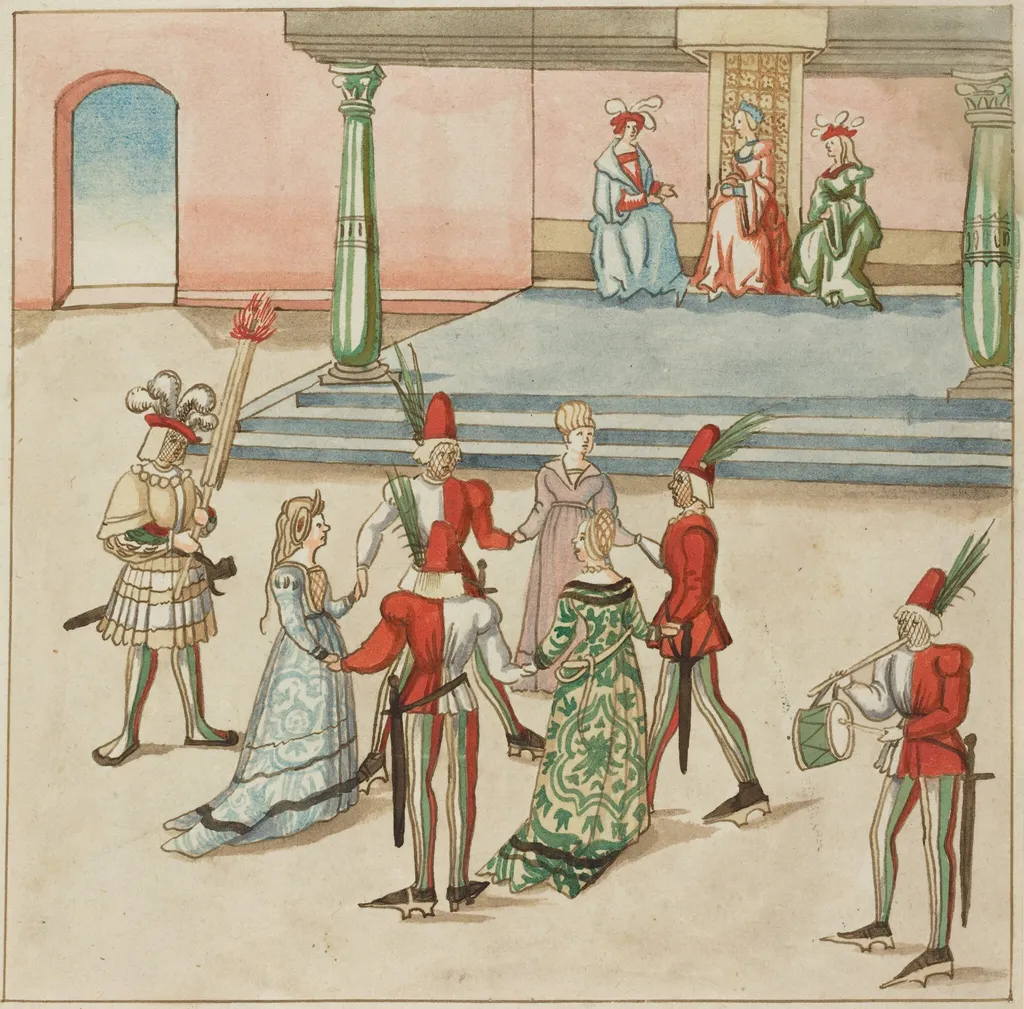
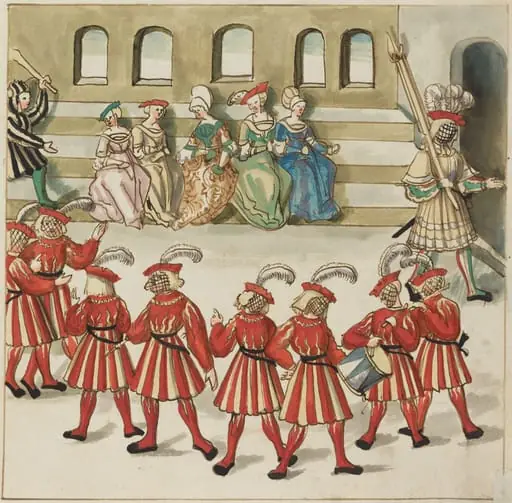
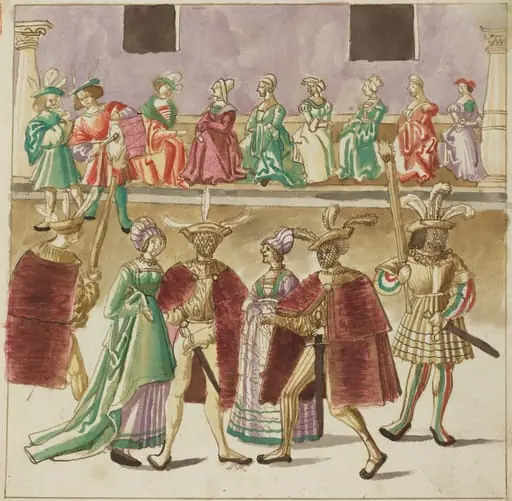
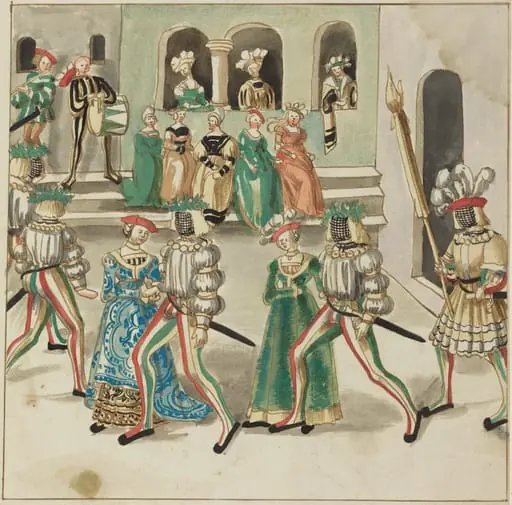
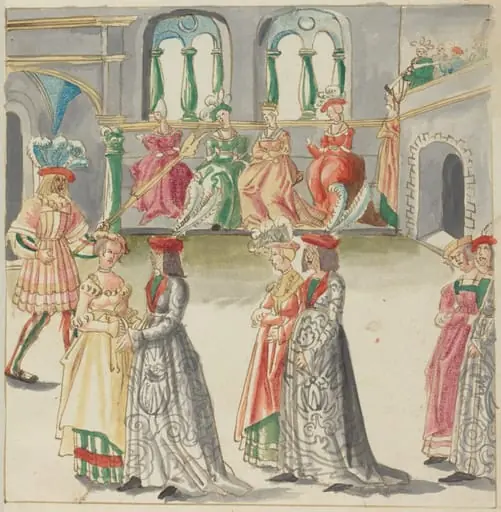
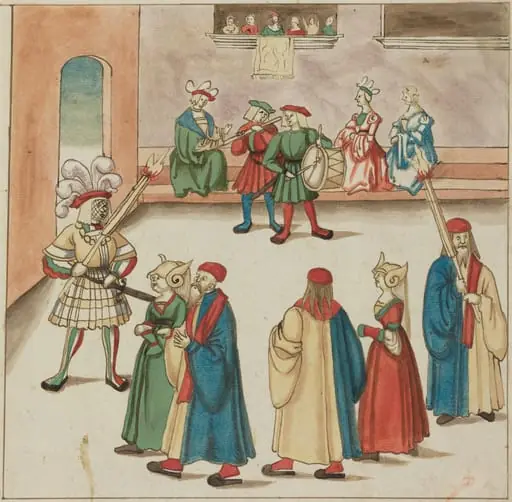
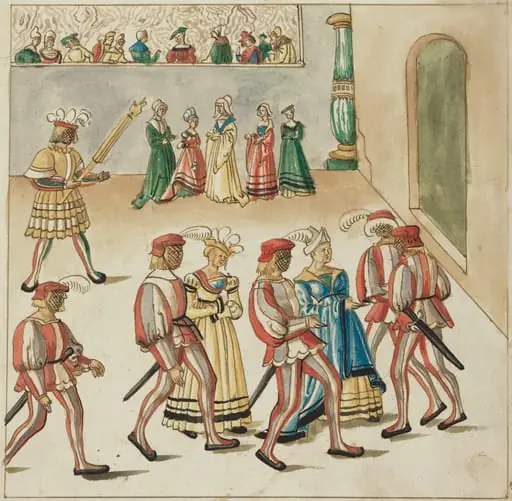
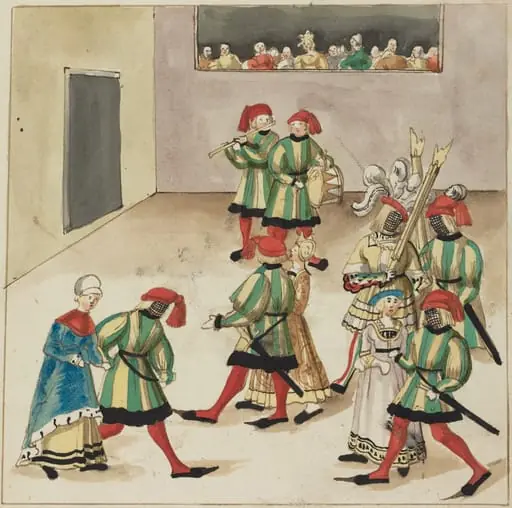
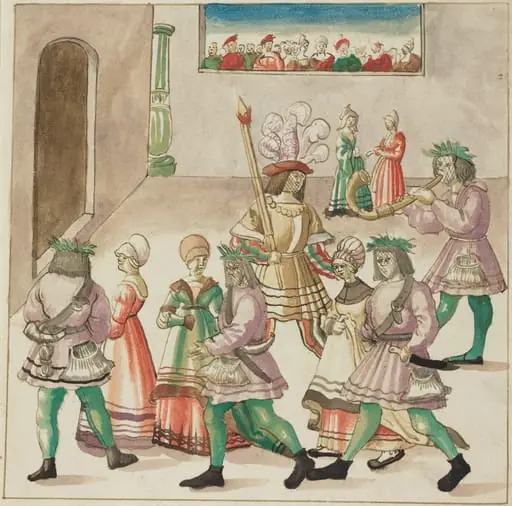
Masquerade is an ink drawing by the Renaissance artist German 16th Century. It dates from 1514 and is held in the collection of the National Gallery of Art.
About this work
Overview
The use of laid paper, with its characteristic chain lines, indicates a production method common in Europe before the widespread adoption of machine-made paper.
This drawing, executed in pen and brown ink with watercolor on laid paper, belongs to the category of works on paper from the early modern period. Its modest scale and intimate medium suggest it was created as a study or private composition rather than a public display piece. The use of laid paper, with its characteristic chain lines, indicates a production method common in Europe before the widespread adoption of machine-made paper.
Subject & Meaning
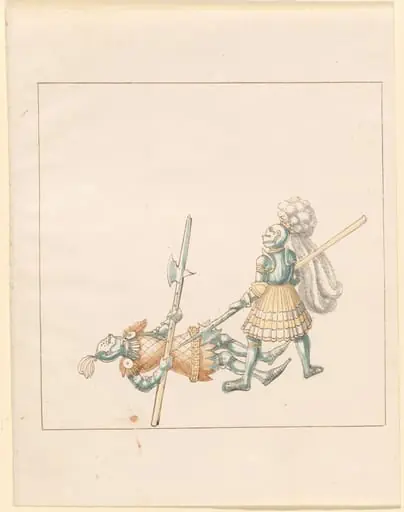
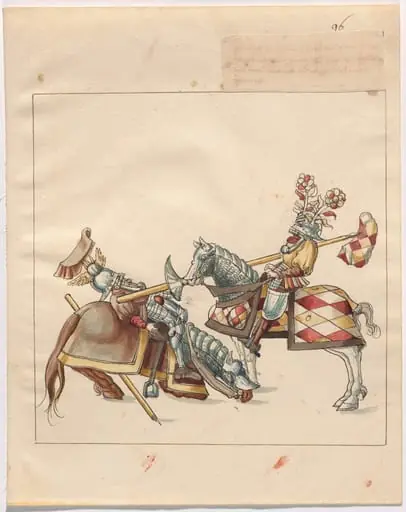
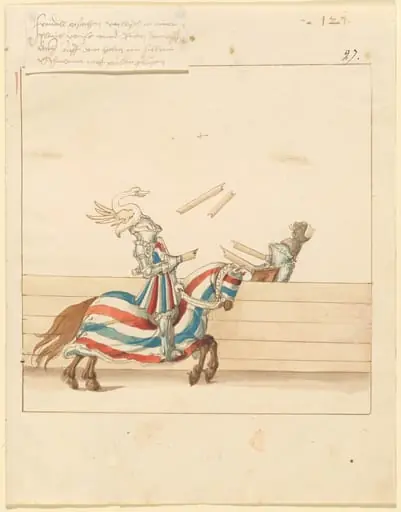
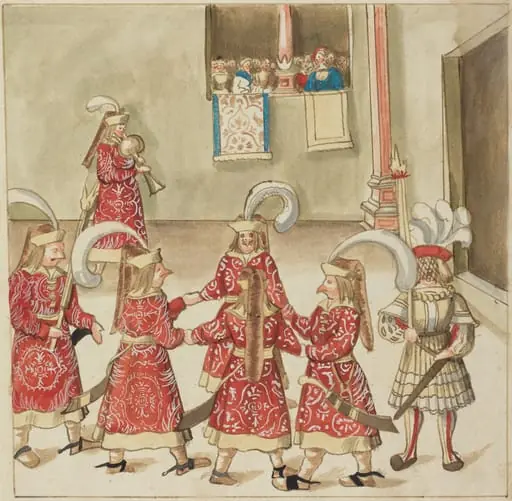
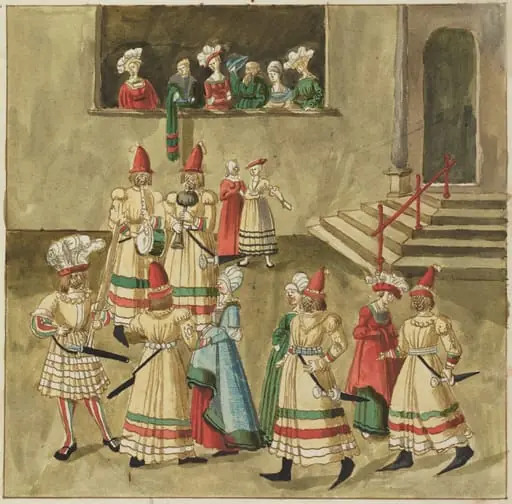
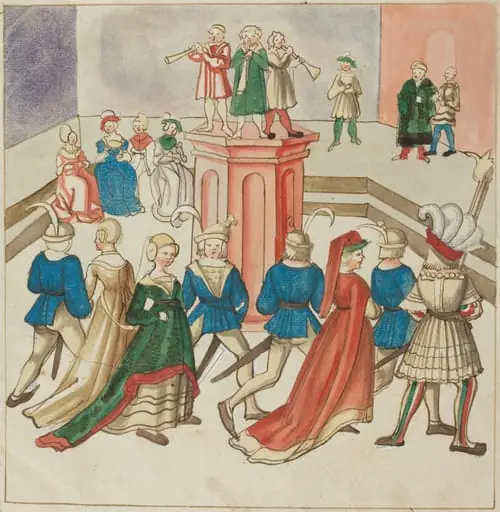
The image depicts figures in elaborate costume, likely engaged in a masquerade or masked ball. The attire and gestures imply a temporary suspension of social norms, common in festive or carnival contexts. The ambiguity of identity in the scene may reflect contemporary interest in disguise, performance, and the fluidity of social roles during such events.
Technique & Style
The artist employed fluid pen lines to define forms, layered with translucent watercolor washes to suggest texture and shadow. The ink’s spontaneity contrasts with the controlled application of color, revealing a balance between sketch-like immediacy and deliberate tonal modeling. The composition is tightly framed, focusing attention on the interplay of figures without extraneous detail.
History & Provenance
The work’s early ownership is undocumented, but its paper type and stylistic features align with Northern European drawings of the late 16th or early 17th century. It likely passed through private collections before entering institutional hands, though no record of its original commission or patron survives. Its preservation suggests it was valued as a refined example of draftsmanship.
Context
Masquerades were popular among European elites during the Renaissance and Baroque eras, serving as both entertainment and social commentary. Artists often recorded these events, capturing fleeting moments of anonymity and role reversal. This drawing reflects a broader cultural fascination with performance and the theatricality of courtly life.
Legacy
Though not widely reproduced or attributed to a major named artist, the work contributes to the understanding of how everyday social rituals were visually recorded in early modern Europe. It exemplifies the role of drawing as a medium for observing and interpreting transient human behavior, influencing later traditions of genre and costume studies.
Artist & collection

Artist
A German artist from the late 1500s drew lively scenes of knights clashing in parades and mock battles.

![Abraham Entertaining the Angels [verso], by German 16th Century](https://artifactworldgallery.com/img/german-16th-century--abraham-entertaining-the-angels-verso--69d1b25f4eba0a53-w320.webp)