Artwork
The Adoration of the Kings [recto]
![The Adoration of the Kings [recto], by German 16th Century, ink](https://artifactworldgallery.com/img/german-16th-century--the-adoration-of-the-kings-recto--d7f3fbf5ae8063c3-w1024.webp)
The Adoration of the Kings [recto] is an ink drawing by the Baroque artist German 16th Century. It is held in the collection of the National Gallery of Art.
About this work
Overview
The drawing, titled *Adoration of the Kings*, is executed on prepared paper with pen, black ink, gray ink, and a gray wash, accented by white highlights.
The drawing, titled *Adoration of the Kings*, is executed on prepared paper with pen, black ink, gray ink, and a gray wash, accented by white highlights. The composition is densely populated, centering on a group of kneeling figures surrounding a prone man, while a richly dressed woman holds a cup nearby. Armed men and assorted onlookers fill the surrounding space, set against architectural elements such as columns and a throne.
Subject & Meaning
The scene depicts a moment of reverence, likely referencing the biblical episode of the Magi’s homage to the infant Christ. The central kneeling figures suggest worship, while the presence of armed attendants and a woman with a cup may allude to courtly or ceremonial contexts, emphasizing both devotion and the social hierarchy surrounding the event.
Technique & Style
The artist employs meticulous cross‑hatching, layering fine parallel lines to achieve deep shadows and a sense of volume. Gray washes provide atmospheric depth, and selective white highlights on the gray ground intensify contrast. The overall tonal range, from deep black to delicate gray, creates a dramatic, three‑dimensional effect within the limited medium of ink on paper.
History & Provenance
The work is identified as a drawing rather than a painted work, suggesting it may have served as a preparatory study or a standalone illustration. No specific date, artist, or collection information is provided, indicating that its provenance remains uncertain beyond its current cataloguing as *Adoration of the Kings*.
Context
Ink drawings of religious narratives were common in medieval and early Renaissance workshops, often used to convey complex compositions before execution in larger media. The inclusion of architectural motifs and a crowded, narrative‑driven arrangement aligns with the didactic purposes of such works, intended to instruct viewers on biblical stories.
Artist & collection

Artist
A German artist from the late 1500s drew lively scenes of knights clashing in parades and mock battles.

![Abraham Entertaining the Angels [verso], by German 16th Century](https://artifactworldgallery.com/img/german-16th-century--abraham-entertaining-the-angels-verso--69d1b25f4eba0a53-w320.webp)
![The High Priest before Pilate [verso], by German 16th Century](https://artifactworldgallery.com/img/german-16th-century--the-high-priest-before-pilate-verso--0e55f00eccfecd8d-w320.webp) The High Priest before Pilate [verso]
The High Priest before Pilate [verso] Christ Disputing with the Doctors
![The Birth of Christ [verso], by German 16th Century](https://artifactworldgallery.com/img/german-16th-century--the-birth-of-christ-verso--76b597791431f5d1-w320.webp) The Birth of Christ [verso]
The Birth of Christ [verso]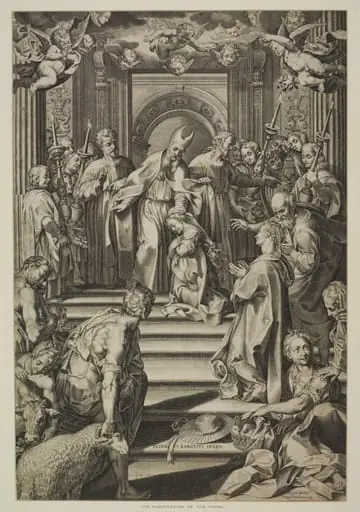 The Purification of the Virgin
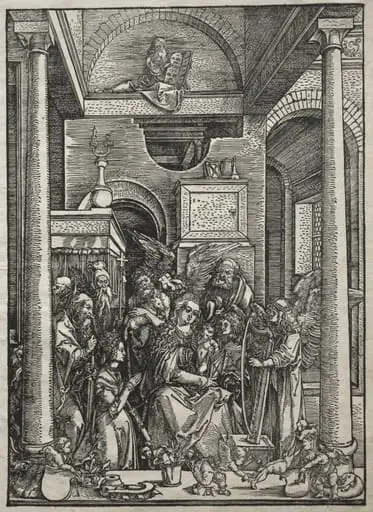 Life of the Virgin: Adoration of the Virgin and Child by Saints and Angels
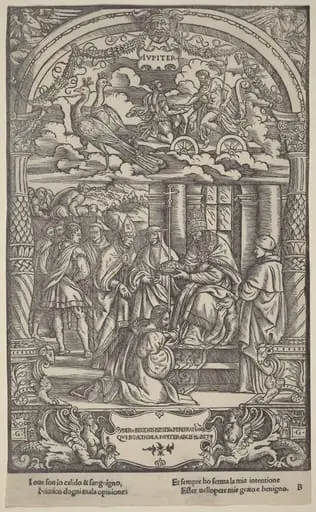 Jupiter
![Pentecost [recto], by German 16th Century](https://artifactworldgallery.com/img/german-16th-century--pentecost-recto--7651fea29fa4b9b1-w320.webp) Pentecost [recto]
Pentecost [recto]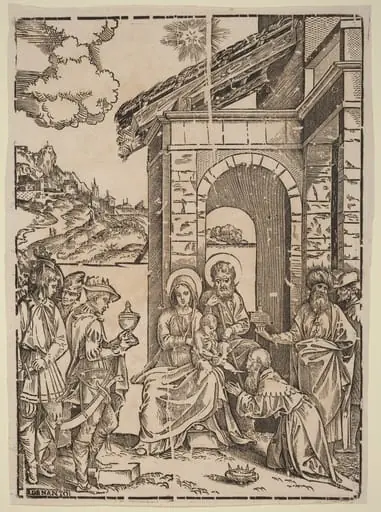 The Adoration of the Magi
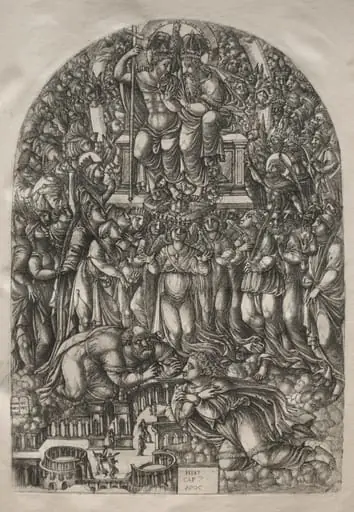 The Apocalypse: An Innumerable Multitude Which Stand before the Throne
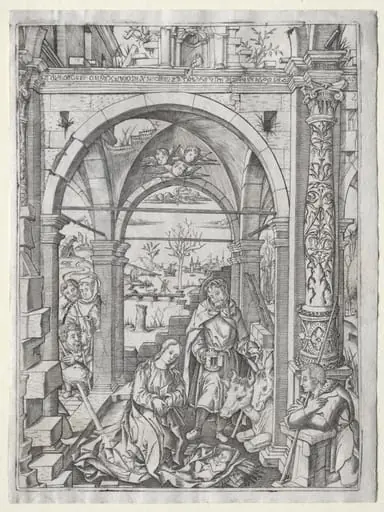 Adoration of the Shepherds
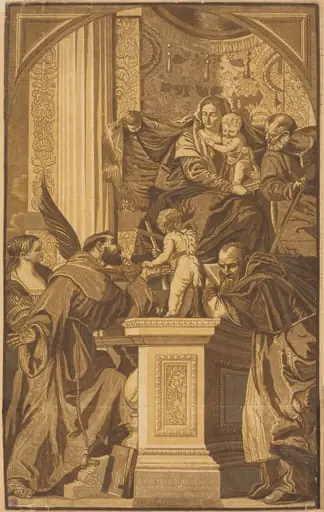 Holy Family and Four Saints
![The Three Women at the Tomb [recto], by German 16th Century](https://artifactworldgallery.com/img/german-16th-century--the-three-women-at-the-tomb-recto--535206e2679b2d03-w320.webp) The Three Women at the Tomb [recto]
The Three Women at the Tomb [recto]