Artwork
Jäger in der Küche
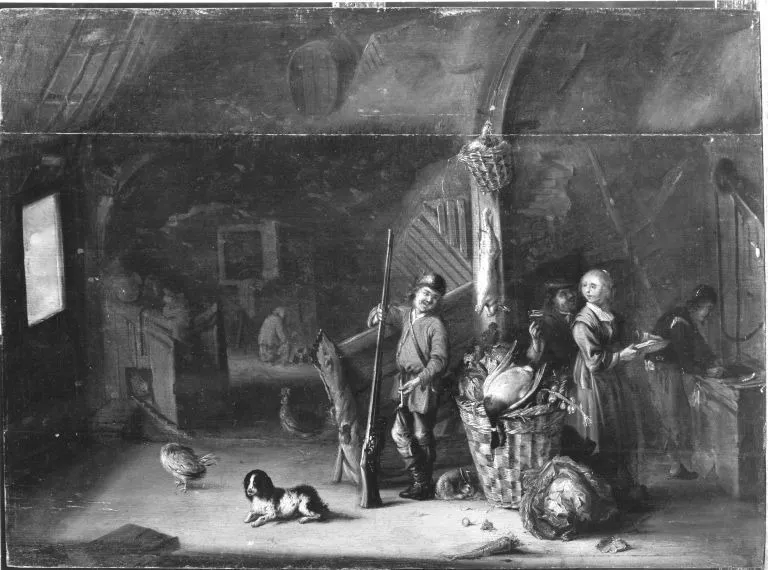
Jäger in der Küche is an unspecified painting by the Dutch Golden Age artist Gerrit Lundens. It dates from 1644 and is held in the collection of the Bavarian State Painting Collections.
About this work
Overview
The work is now held in the Alte Pinakothek in Munich, part of a broader tradition of Dutch interior scenes that capture everyday moments with quiet realism.
Gerrit Lundens, a Dutch artist active in the mid-17th century, painted *Jäger in der Küche* in 1644. Though primarily known for portraits and genre scenes, Lundens also operated as a wine merchant and innkeeper, which may have informed his intimate portrayal of domestic life. The work is now held in the Alte Pinakothek in Munich, part of a broader tradition of Dutch interior scenes that capture everyday moments with quiet realism.
Subject & Meaning
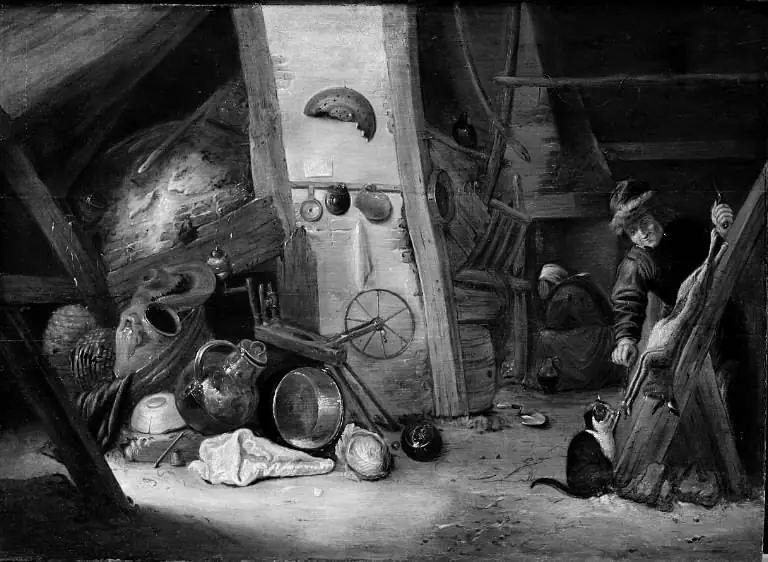
The painting shows a kitchen filled with figures and animals, suggesting a moment after a hunt. A man holds a long staff, possibly a hunting tool, while a dog rests nearby. Two women attend to household tasks—one carrying a basket, the other standing nearby. A large piece of meat hangs from the ceiling, indicating the spoils of the hunt. The scene blends labor and domesticity, reflecting the intersection of rural pursuits and household economy in Dutch life.
Technique & Style
Lundens employs chiaroscuro to model forms and suggest depth in the dim interior. Warm wooden beams and furnishings contrast with the cool, shadowed stone floor, enhancing spatial tension. Clothing and objects are rendered in vivid hues that draw the eye without overwhelming the scene. The composition is deliberately cluttered, with objects arranged to imply lived-in realism rather than idealized order.
History & Provenance
Created in 1644, the painting entered the collection of the Alte Pinakothek in Munich, where it remains today. Its journey from a private Dutch household to a major European museum reflects the 18th- and 19th-century interest in Dutch Golden Age genre painting. No significant alterations or restorations are documented, preserving Lundens’s original handling of light and texture.
Context
During the Dutch Golden Age, domestic interiors became popular subjects, reflecting civic pride and the rising status of middle-class life. Hunting, though associated with nobility, was also a practical activity for rural communities. Lundens’s depiction avoids romanticism, instead presenting the kitchen as a functional space where work, sustenance, and animal presence coexist naturally.
Legacy
*Jäger in der Küche* exemplifies the quiet observational power of Dutch genre painting. While Lundens is less widely known than contemporaries like Vermeer or Rembrandt, his work contributes to the period’s rich documentation of daily life. The painting’s unembellished realism continues to inform scholarly understanding of 17th-century domestic economies and material culture.
Artist & collection
Artist
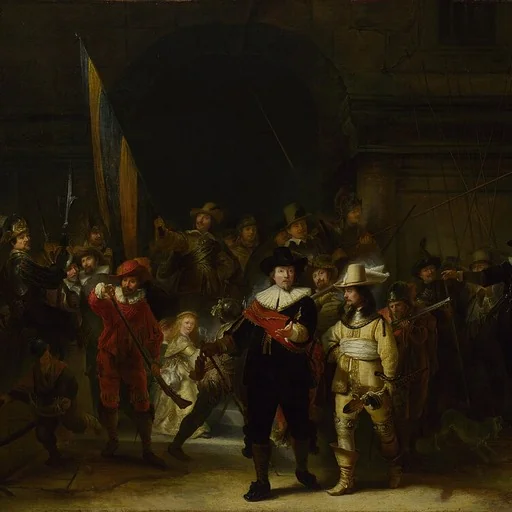
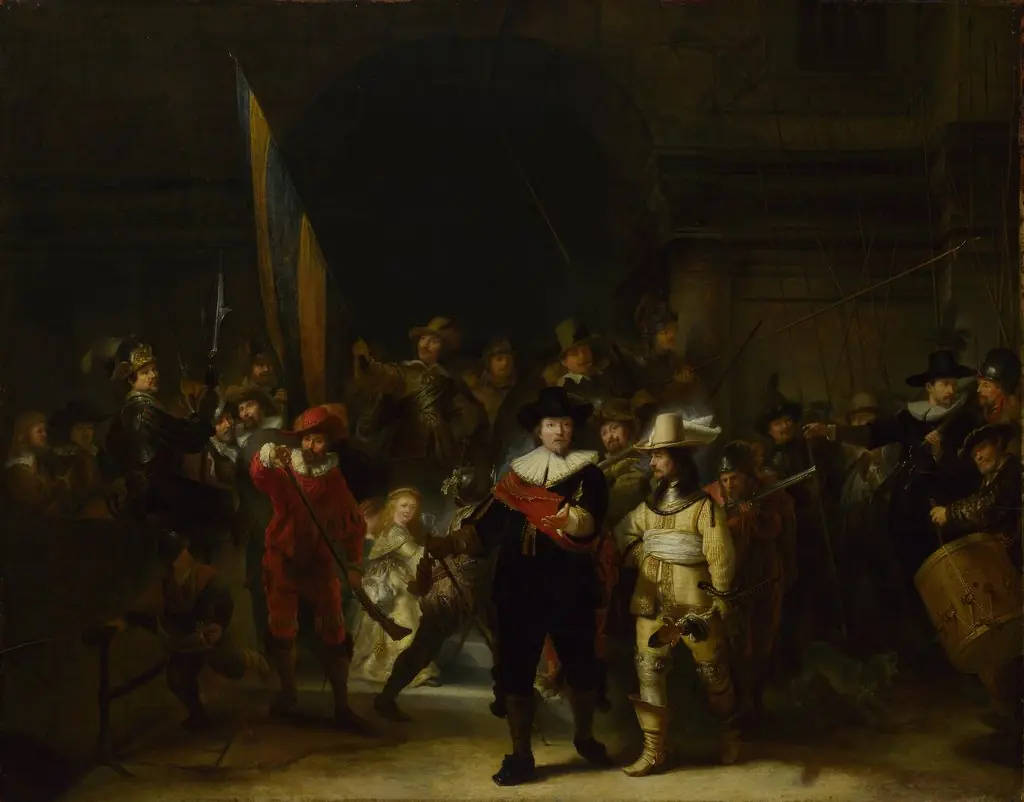
Gerrit Lundens (1622 – 1686), was a Dutch painter known for his genre scenes, portraits and a single vanitas painting.

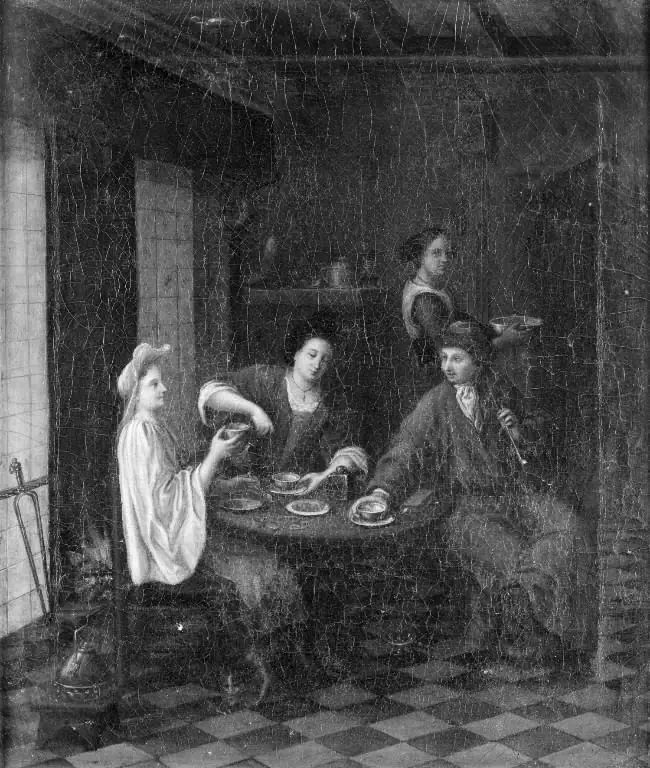
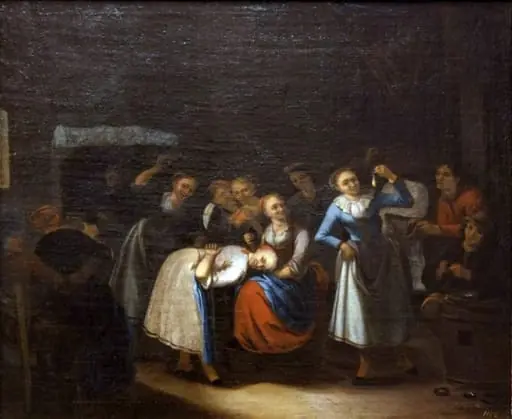
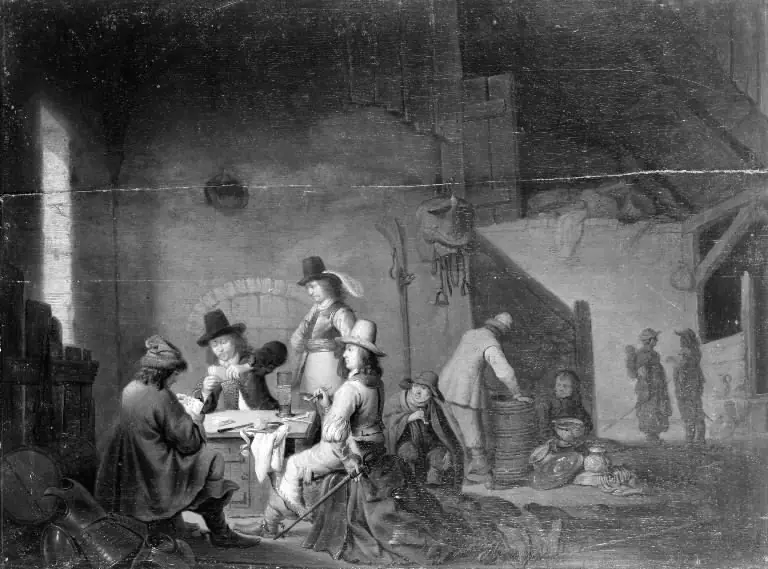 Interior of a Peasant's Cottage
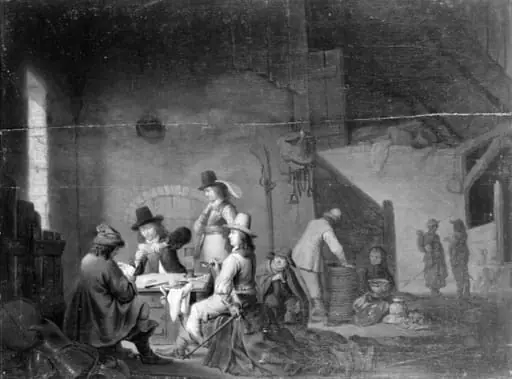 Interior of a Peasant's Cottage
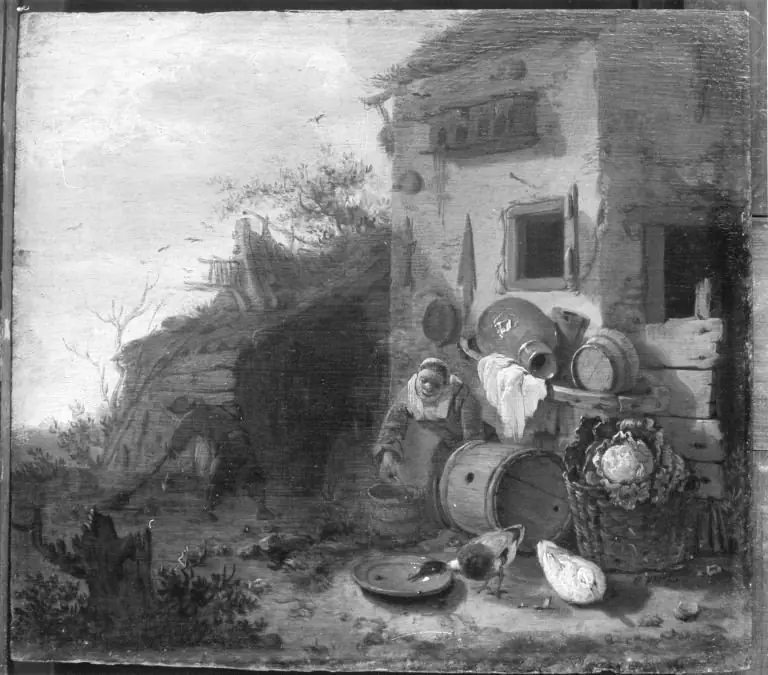 Vor dem Bauernhause
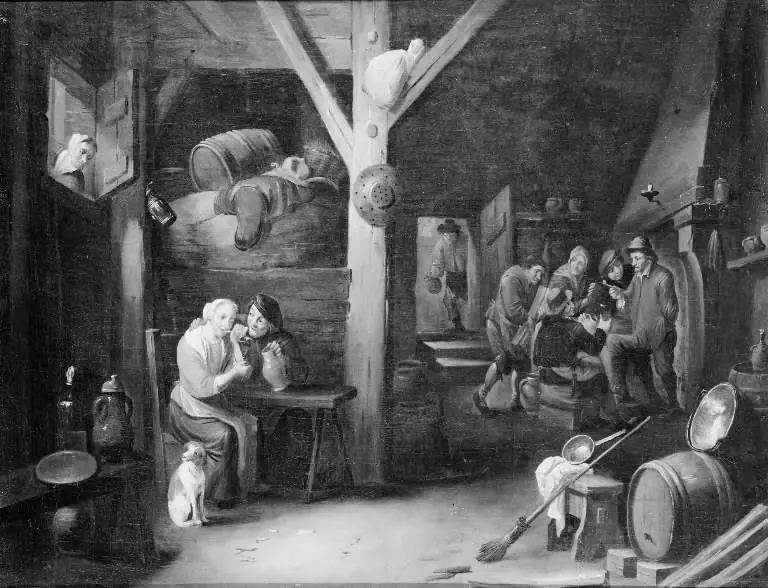 Dutch Farm Cottage
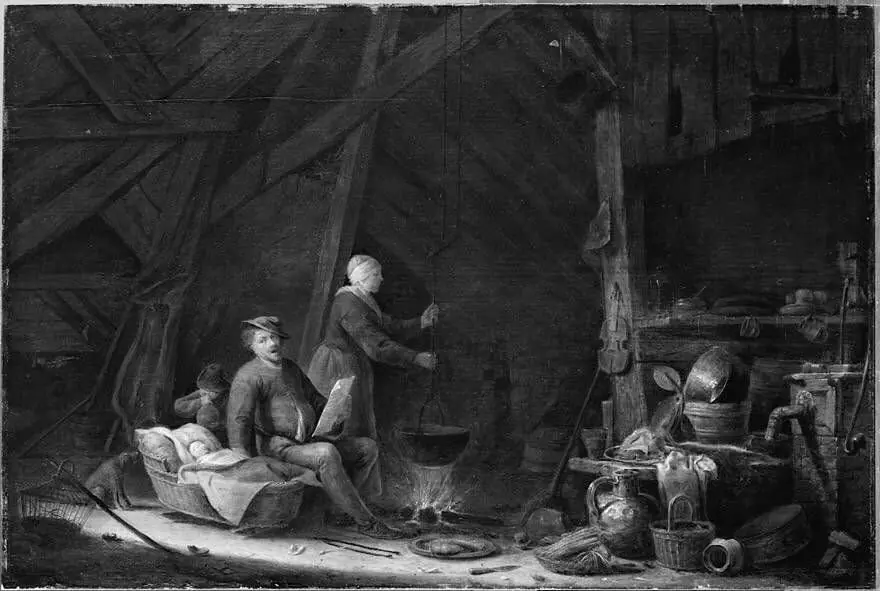 Farmhouse interior with a family
 Dutch Farm Cottage
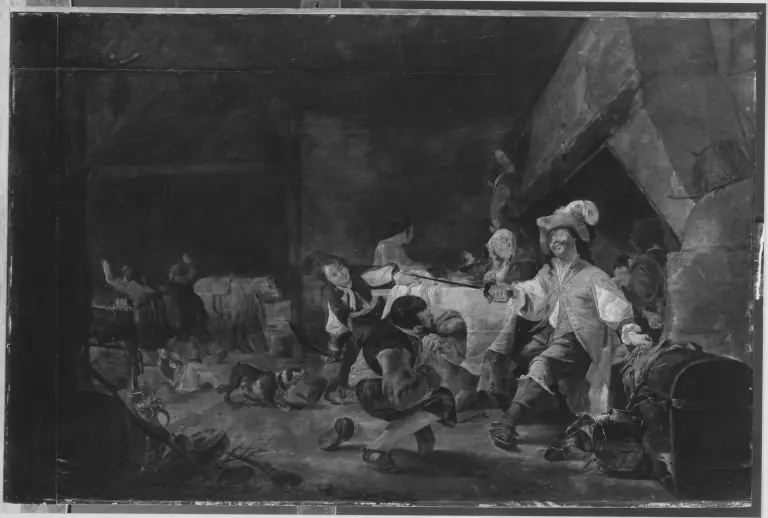 Marodeure
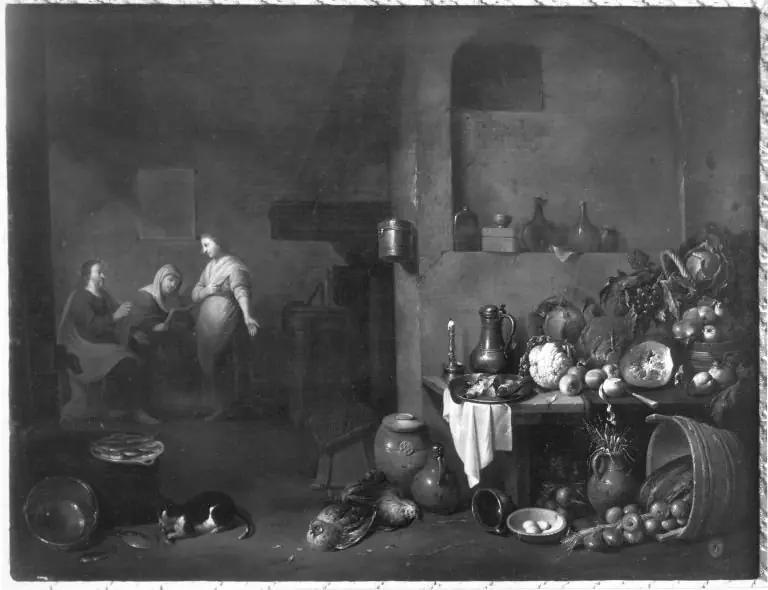 Christ in the house of Martha and Mary
 A Kitchen Maid at Work
 A Kitchen Maid at Work
 Interior of a Kitchen
 A Servant Girl Scrubbing a Brass Cauldron