Artwork
Vanitas Still Life
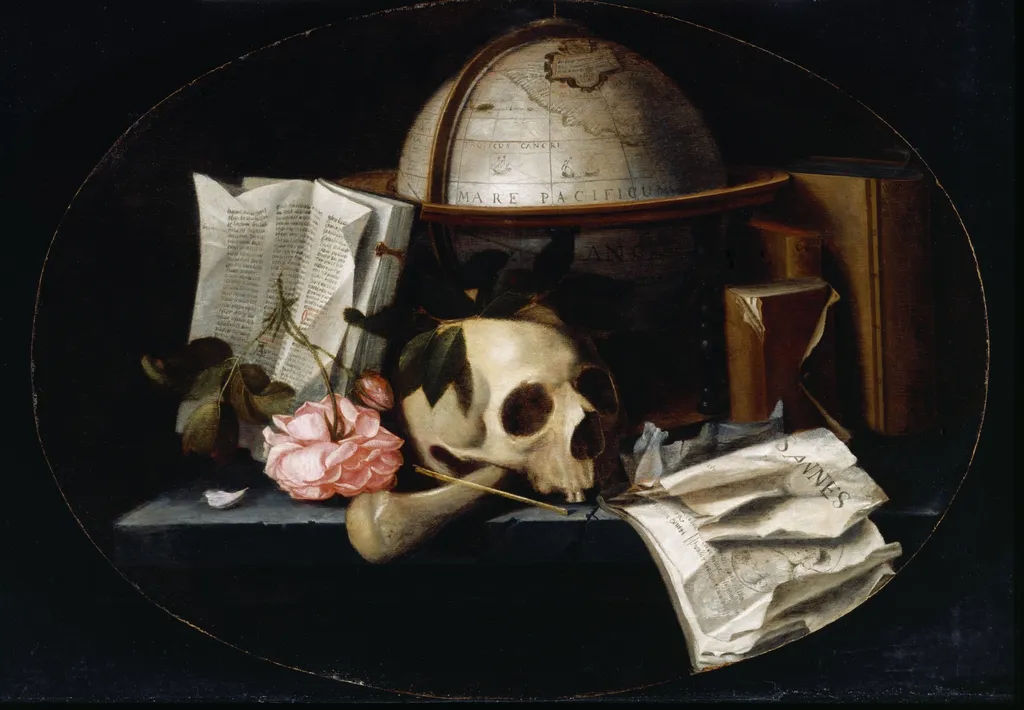
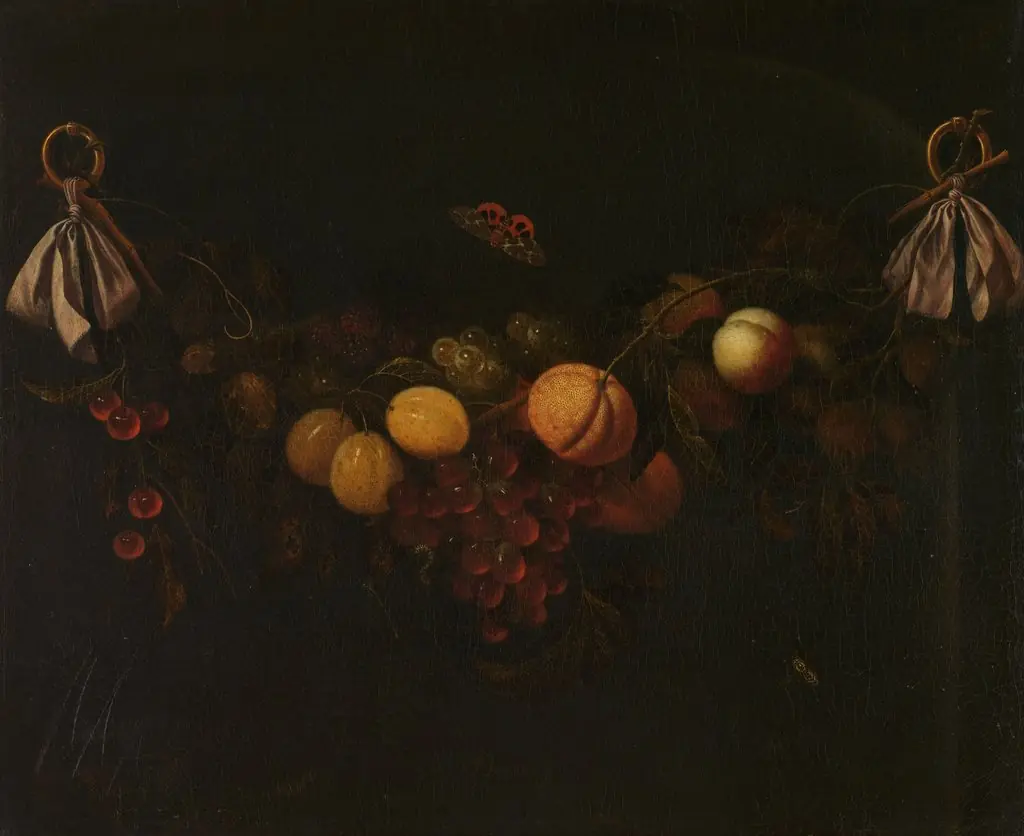
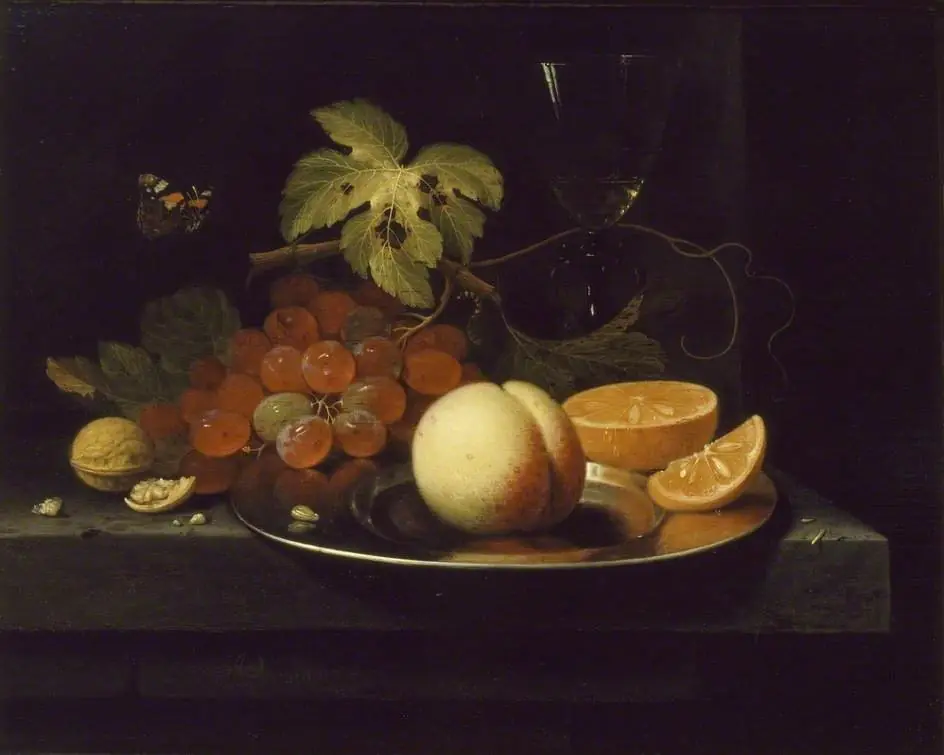
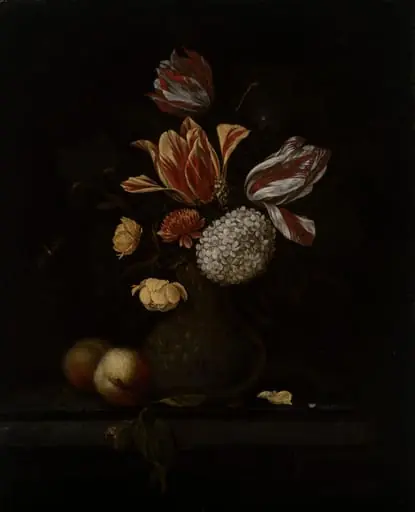
Vanitas Still Life is an oil painting by the Dutch Golden Age artist Johannes Borman. It dates from 1655 and is held in the collection of the Detroit Institute of Arts.
About this work
Overview
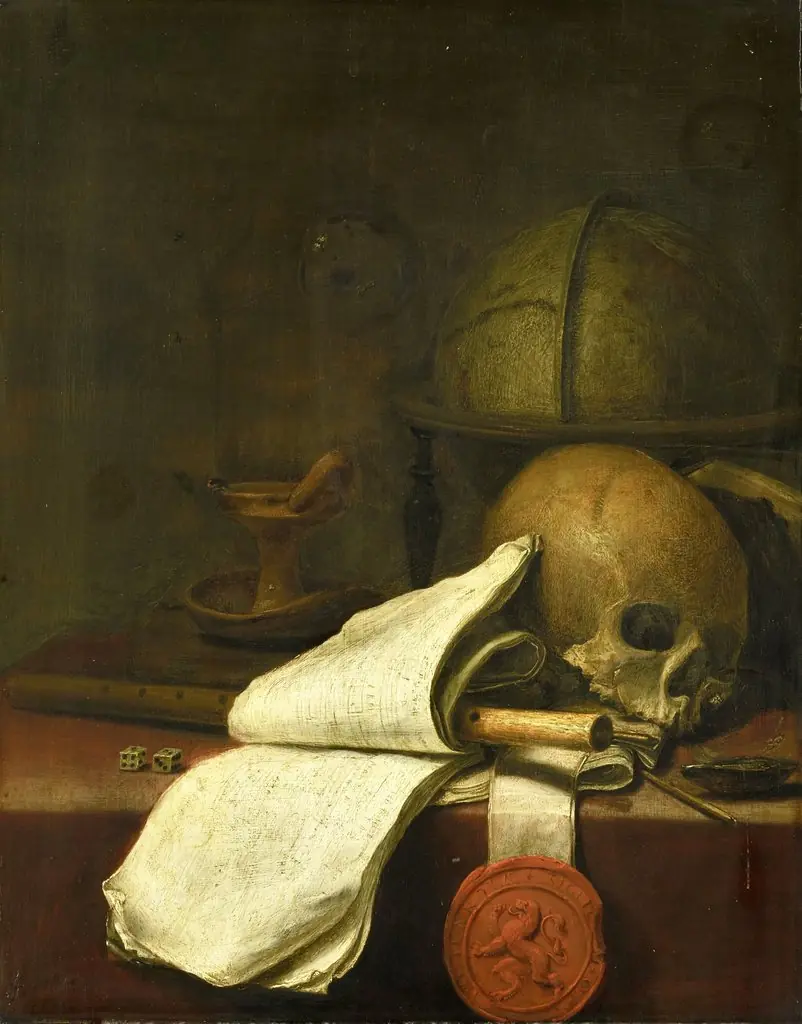
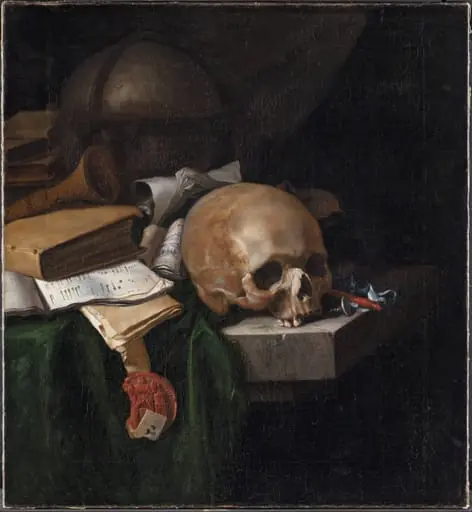
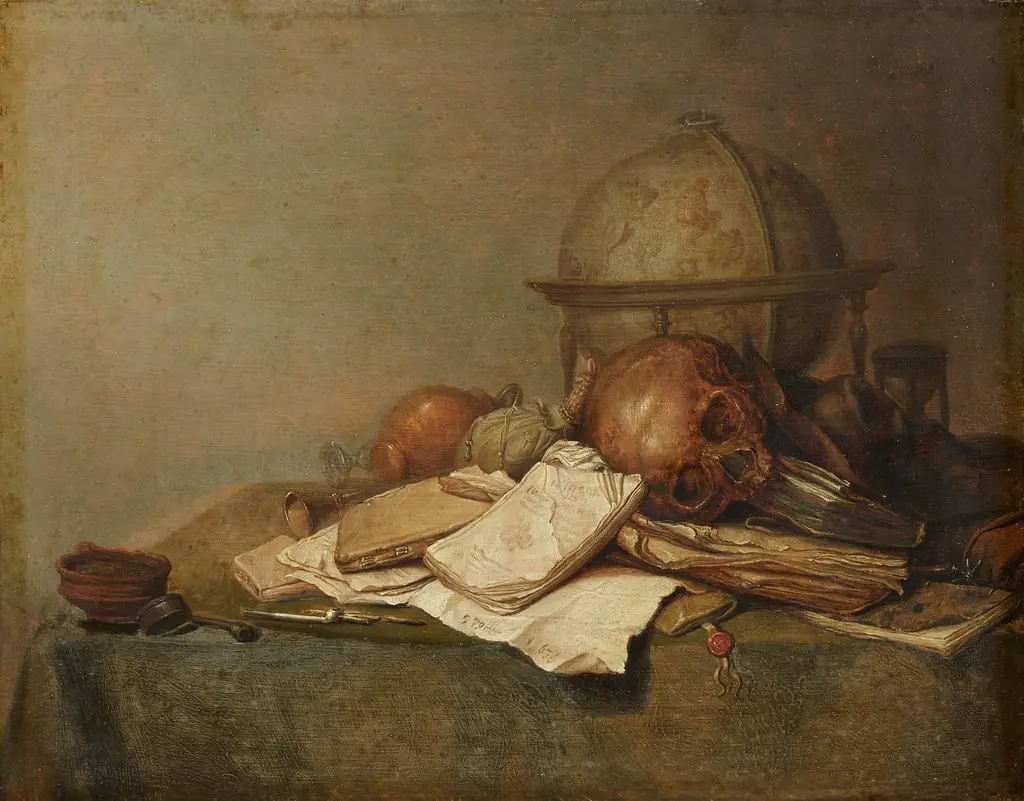
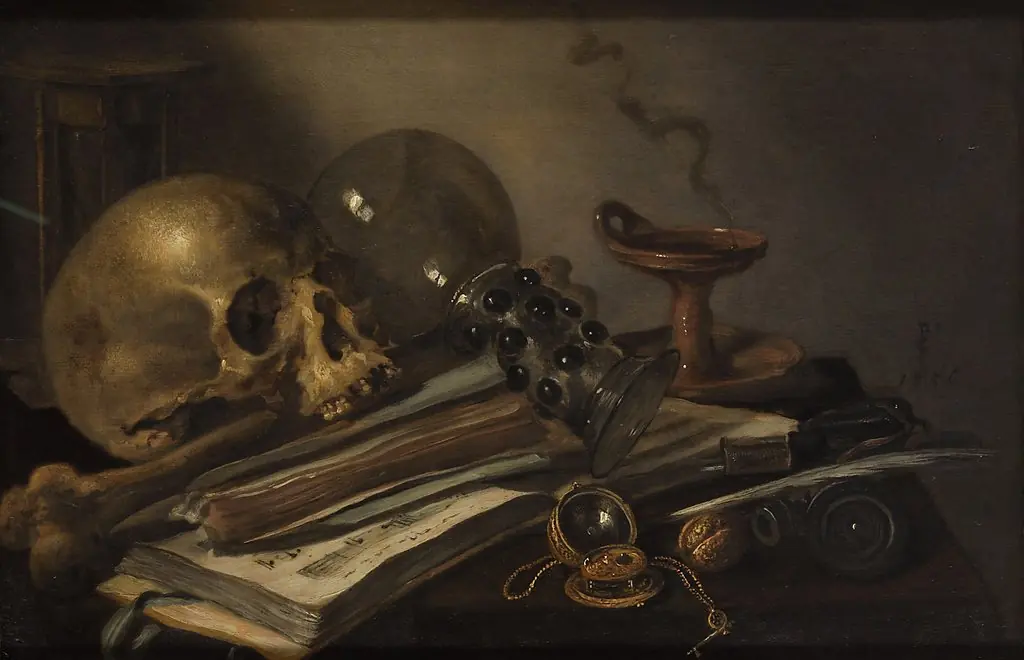
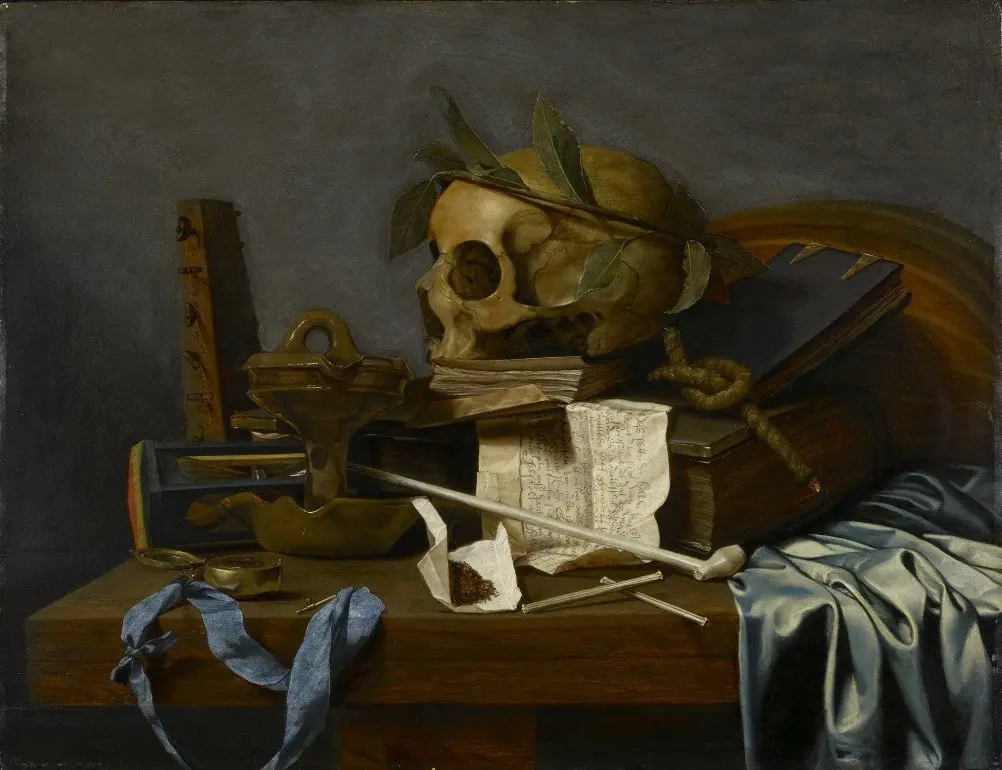
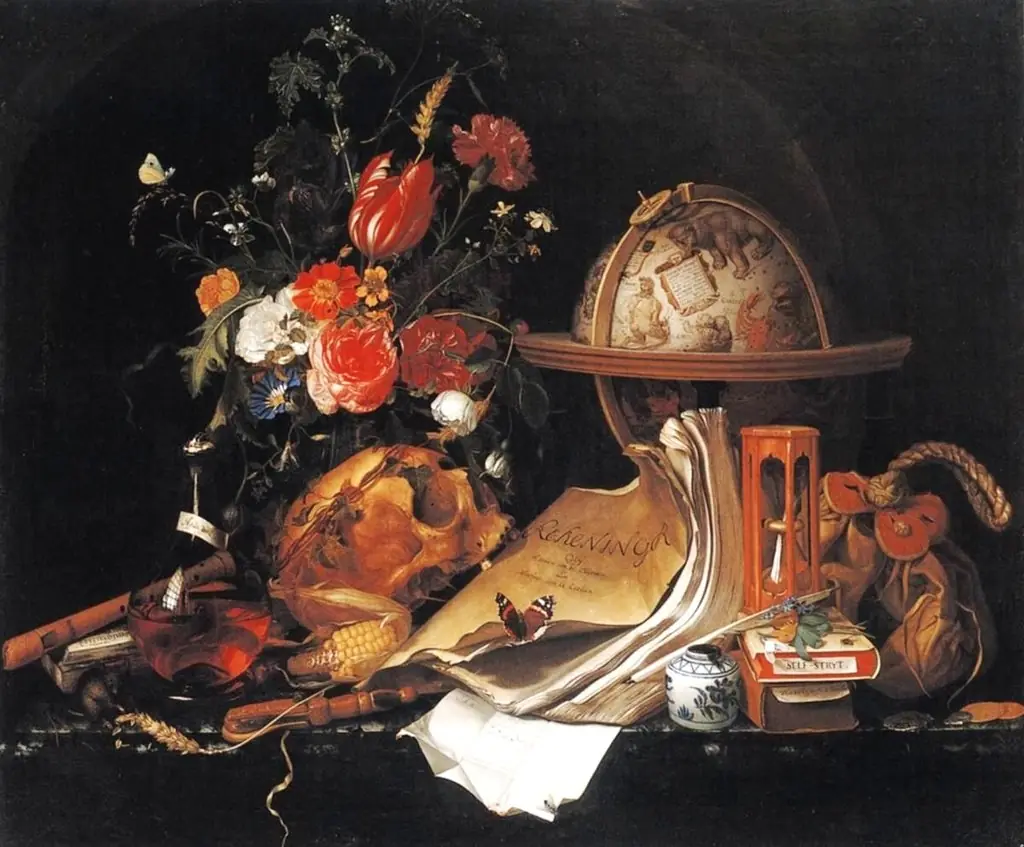
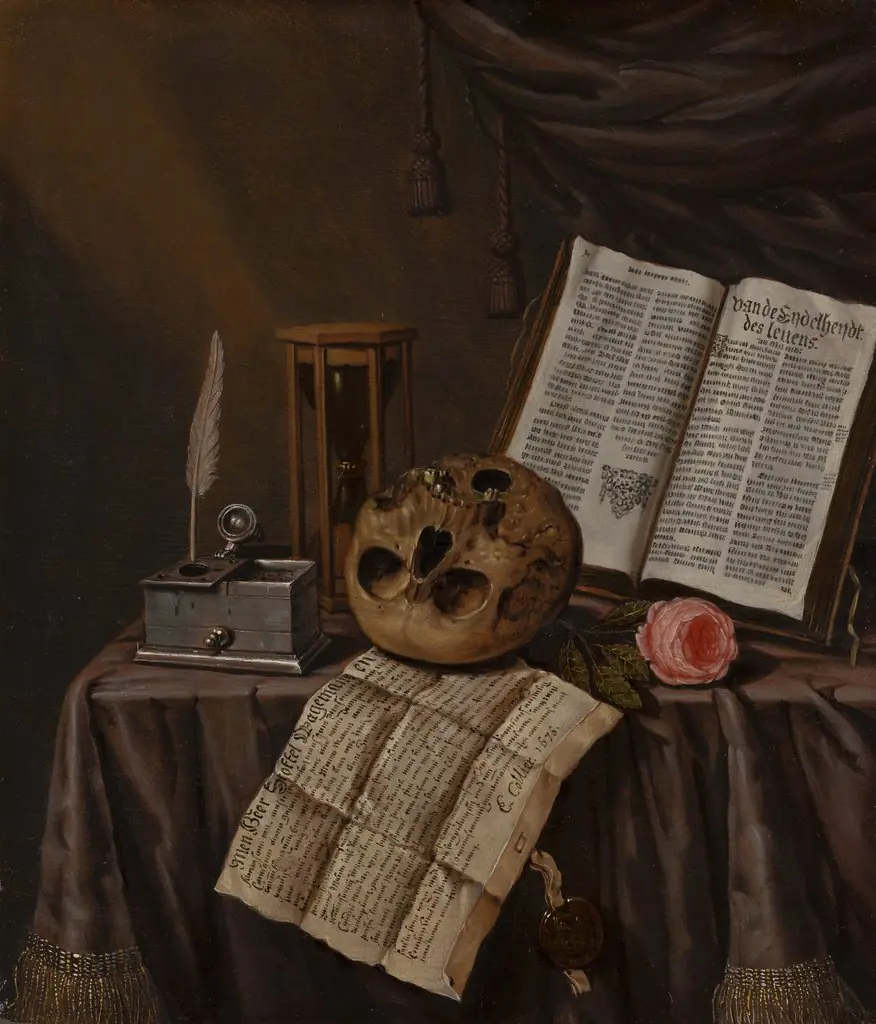
The composition centers on a skull, a globe, a rose, and an open book, arranged with deliberate stillness against a deep, shadowed backdrop.
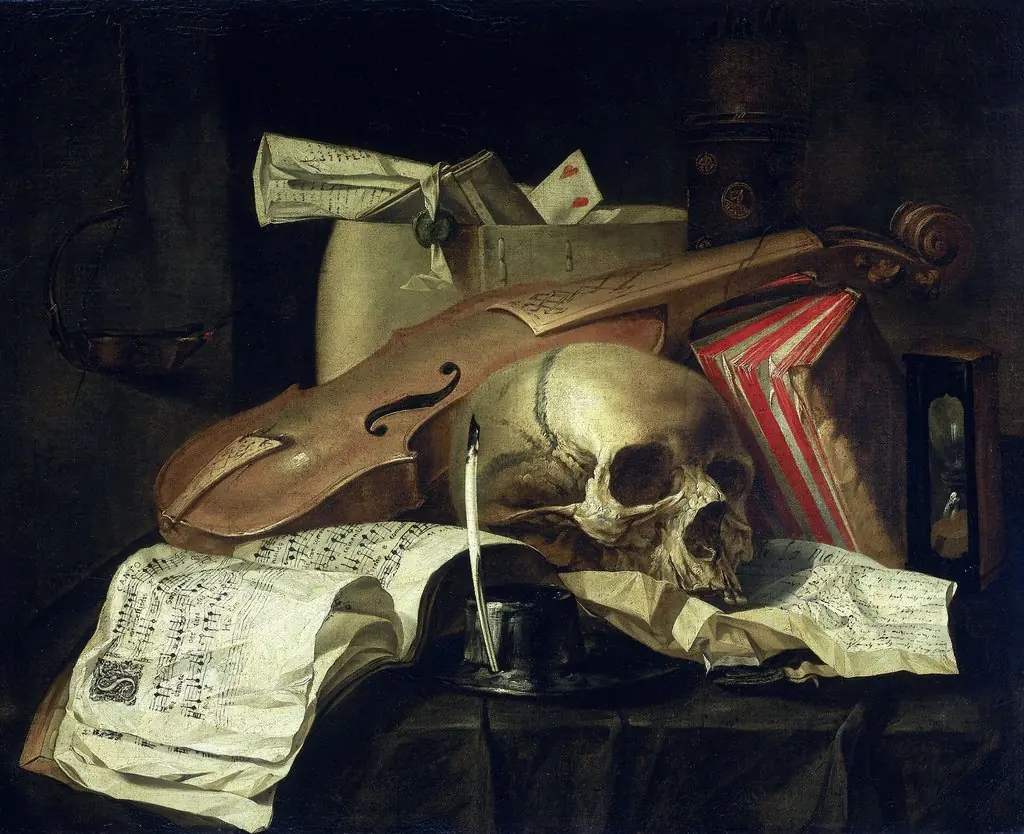
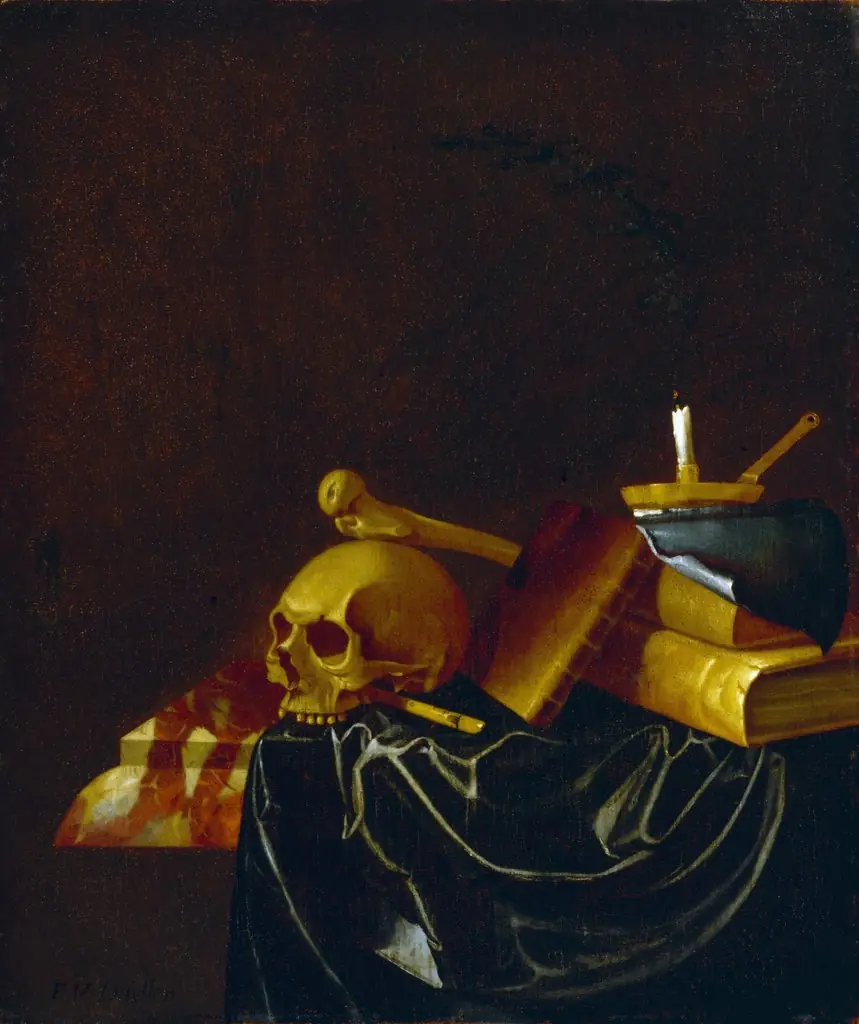
Painted in 1655 by Johannes Borman, this oil-on-canvas still life belongs to the vanitas tradition, a genre that reflects on the transience of life and the futility of earthly pursuits. The composition centers on a skull, a globe, a rose, and an open book, arranged with deliberate stillness against a deep, shadowed backdrop. The muted palette and controlled lighting emphasize contemplation over decoration.
Subject & Meaning
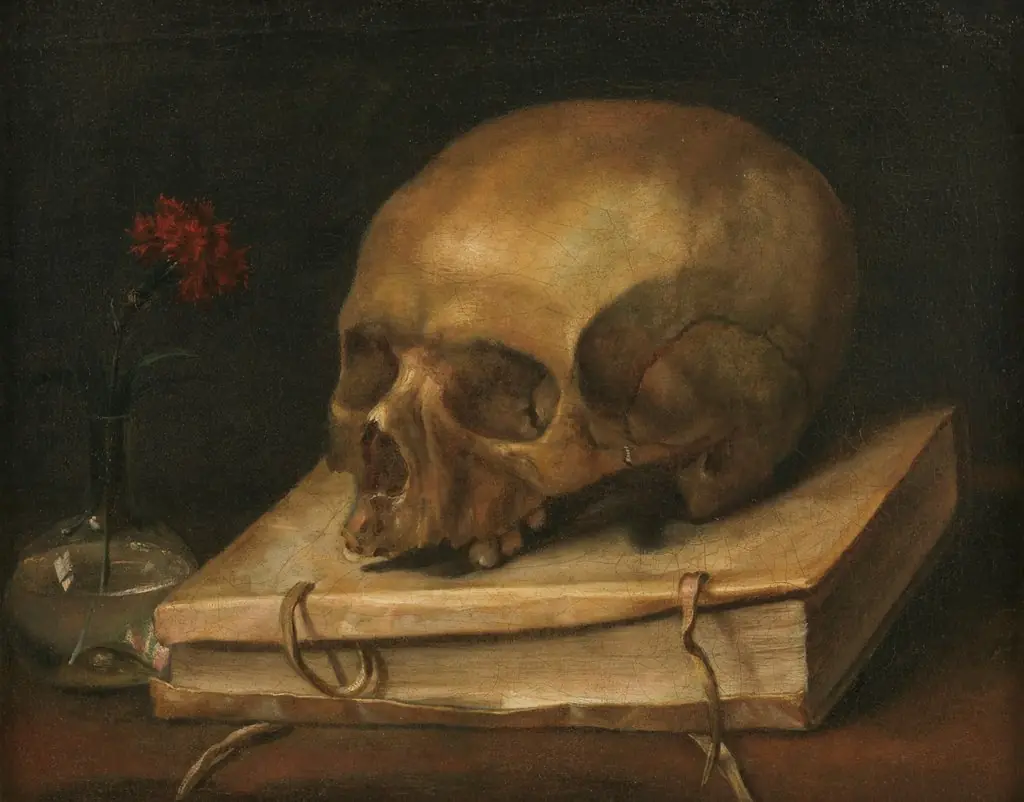
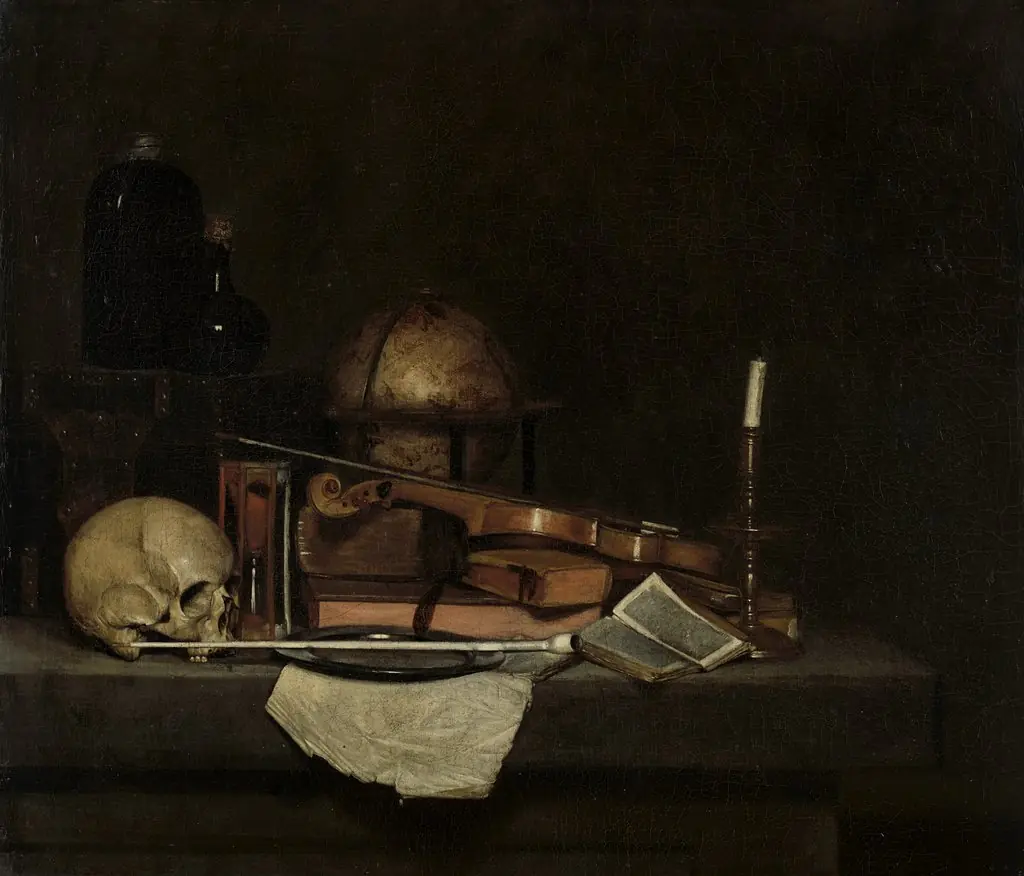
Each object carries symbolic weight: the skull signifies mortality, the globe represents worldly ambition, the rose alludes to fleeting beauty, and the open book suggests the limits of human knowledge. Together, they form a quiet meditation on impermanence. The arrangement avoids grandeur, instead inviting quiet reflection through simplicity and restraint, characteristic of Dutch vanitas works of the period.
Technique & Style
Borman employs chiaroscuro to model forms with subtle gradations of light and shadow, enhancing the three-dimensionality of the objects. The dark background isolates the still life, focusing attention on texture and form—velvet folds of fabric, the smoothness of bone, the delicate petals of the rose. Brushwork is precise but unobtrusive, prioritizing clarity and quiet realism over dramatic flair.
History & Provenance
The painting has been in the collection of the Detroit Institute of Arts since at least the mid-20th century. Its earlier provenance remains undocumented, though its style aligns with mid-17th-century Dutch still life practices. No records indicate it was commissioned or owned by a prominent figure prior to its acquisition by the museum.
Context
Created during the Dutch Golden Age, this work reflects broader cultural preoccupations with mortality and moral reflection, influenced by Calvinist thought and the aftermath of plague and war. Vanitas paintings were not merely decorative but served as visual reminders of spiritual priorities, countering the era’s growing commercialism with quiet admonitions of humility.
Legacy
While Johannes Borman is not among the most widely recognized Dutch painters, this work exemplifies the quiet rigor of lesser-known vanitas artists who contributed to a rich, introspective genre. Its presence in a major American museum ensures continued access for study and contemplation, preserving its role as a sobering artifact of 17th-century moral philosophy.
Artist & collection