Artwork
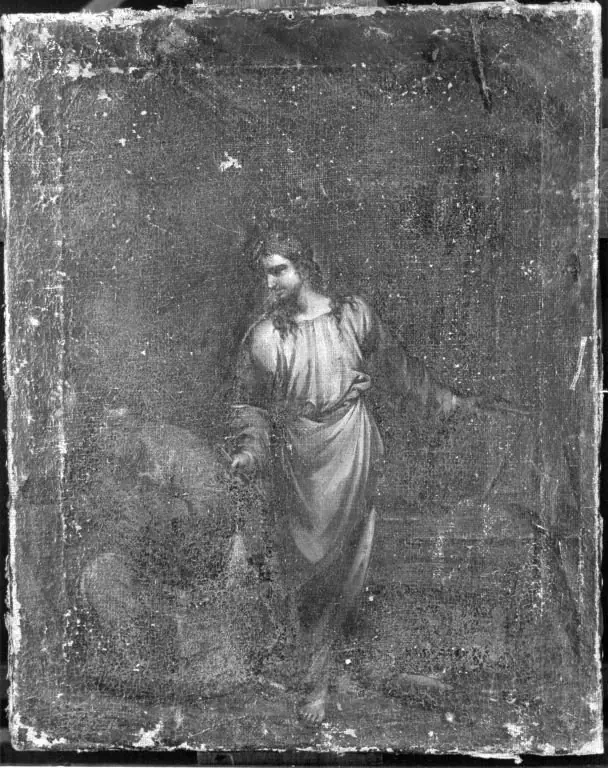
Christ and the Samaritarian
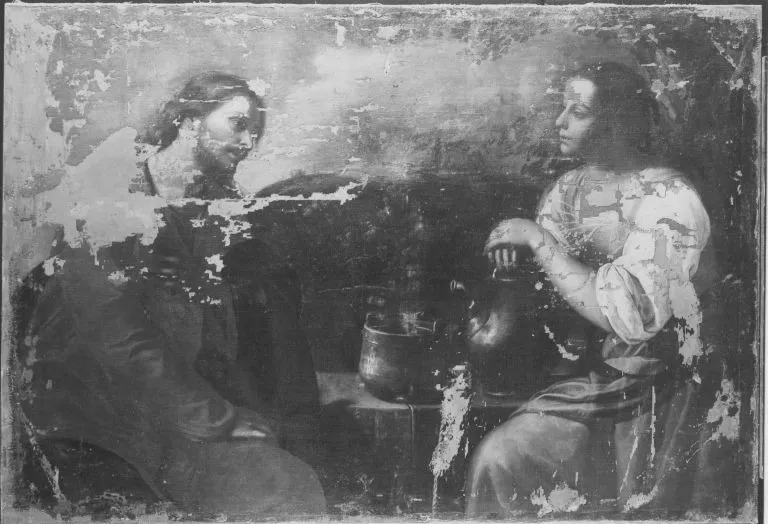
Christ and the Samaritarian is an unspecified painting by the Early Baroque Italian artist Giacomo Cavedone. It dates from 1618 and is held in the collection of the Bavarian State Painting Collections.
About this work
Overview
Giacomo Cavedone’s 1618 oil painting “Christ and the Samaritan” depicts an intimate interior scene of two figures seated at a modest table. The work is part of the collection of the Alte Pinakothek in Munich. Its composition centers on the interaction between the characters, rendered with a pronounced play of light and shadow that emphasizes their forms and the surrounding objects.
Subject & Meaning
The scene presents a moment drawn from the biblical encounter between Jesus and the Samaritan woman, though the figures are unnamed in the composition. The left figure, cloaked and veiled, turns slightly away, while the right figure, more forward, holds a small object, suggesting a gesture of offering or dialogue. The sparse table with a metal pot reinforces the theme of hospitality and exchange.
Technique & Style
Cavedone employs a strong chiaroscuro, using stark contrasts between illuminated areas and deep shadows to model the figures’ faces and garments. The brushwork conveys the texture of the dark cloak and the loose drapery, while the limited palette focuses attention on the central interaction. This dramatic lighting aligns the work with the early Baroque emphasis on emotional immediacy.
History & Provenance
Painted in 1618, the work entered the Alte Pinakothek’s holdings during the museum’s early acquisitions of Italian Baroque art. Its provenance prior to the museum’s collection is not extensively documented, but the painting has remained in public view since its inclusion in the German institution’s early 19th‑century catalogues.
Context
The surface shows signs of age, with areas where the paint layer has chipped, exposing darker underlayers. Despite this wear, the overall composition and chiaroscuro effects remain discernible, allowing viewers to appreciate Cavedone’s original intent and the work’s historical materiality.
Artist & collection

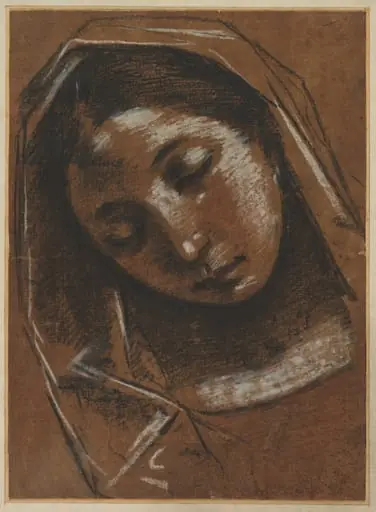
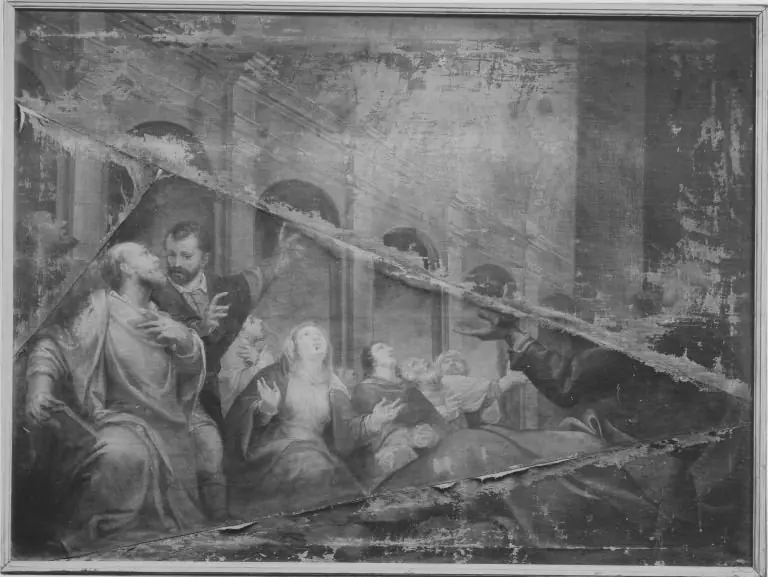 Ausgießung des Heiligen Geistes
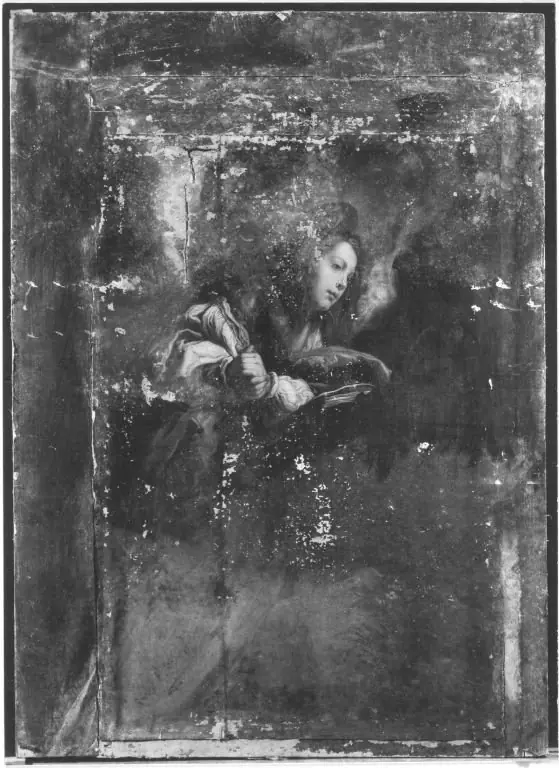 Penitent Magdalene with clasped hands
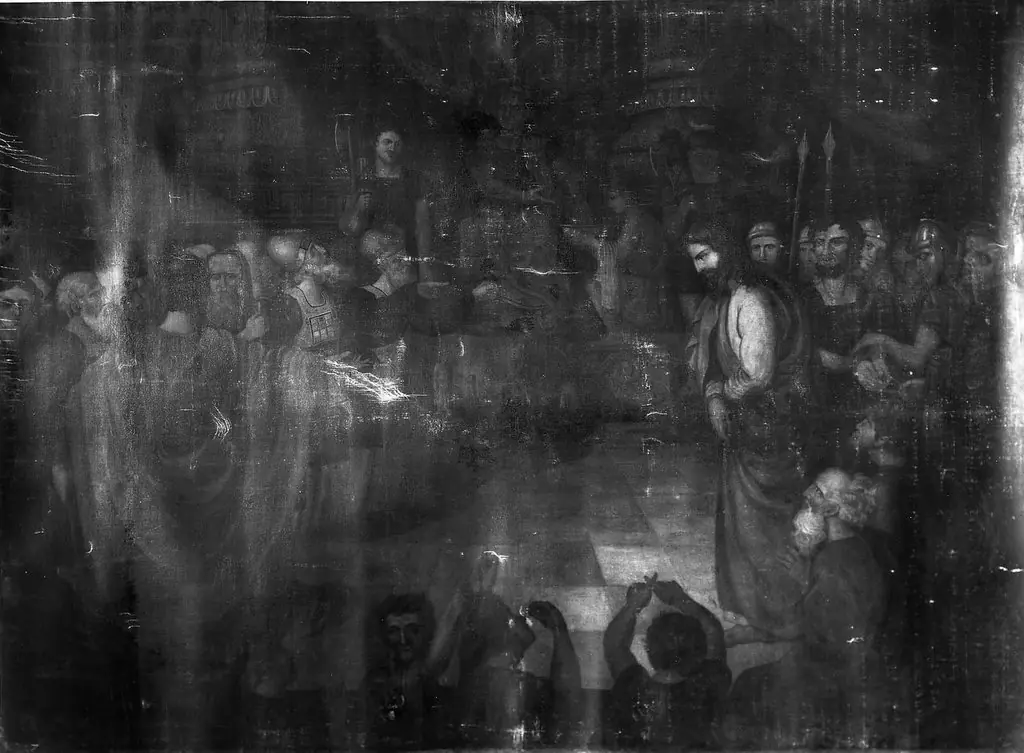 Christ Rejected
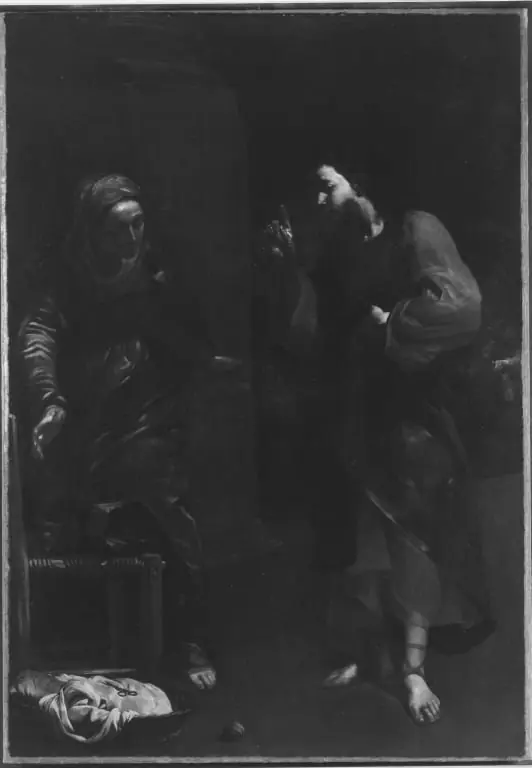 Abschied Christi von seiner Mutter
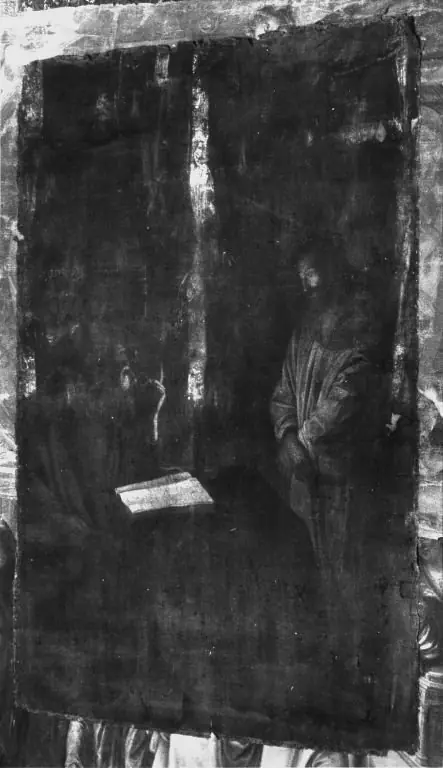 Christus vor Pilatus (Kopie nach)
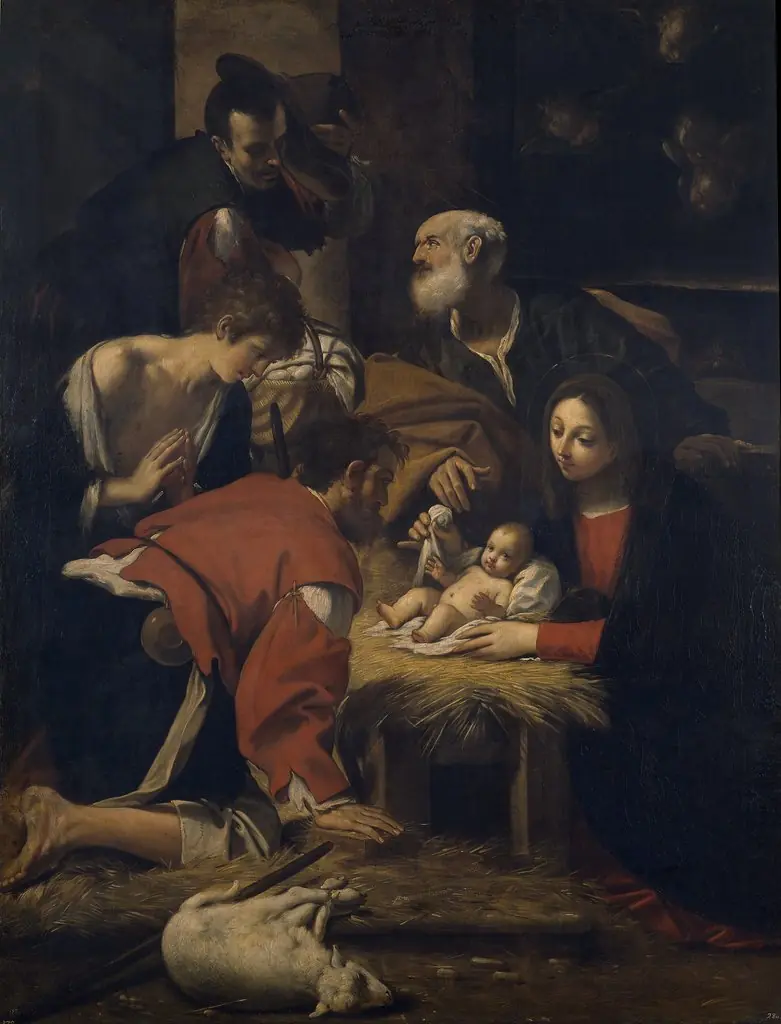
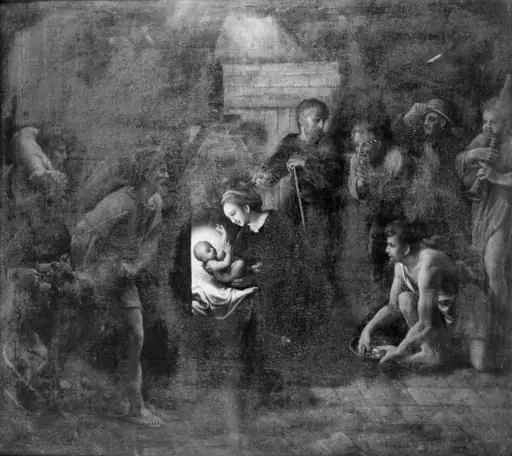 Hyrdernes tilbedelse
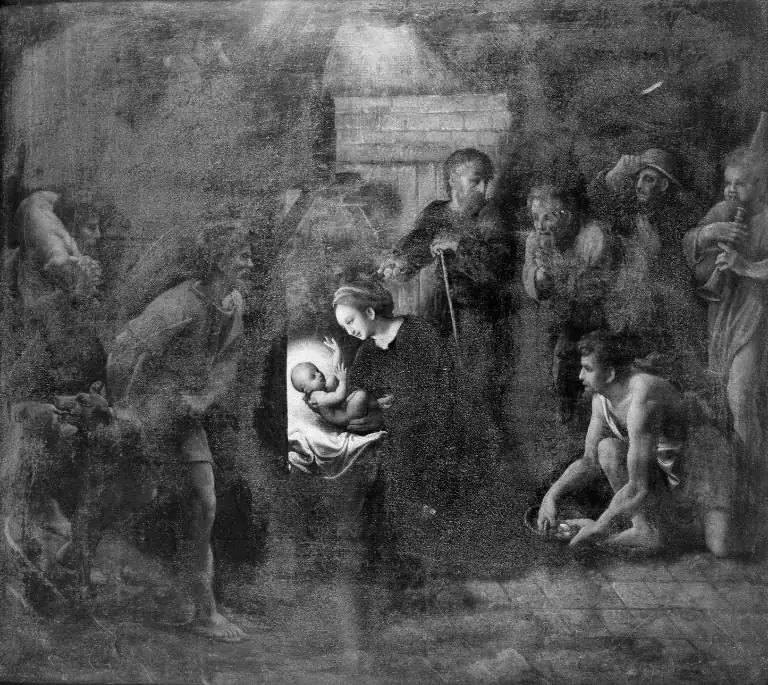 Hyrdernes tilbedelse
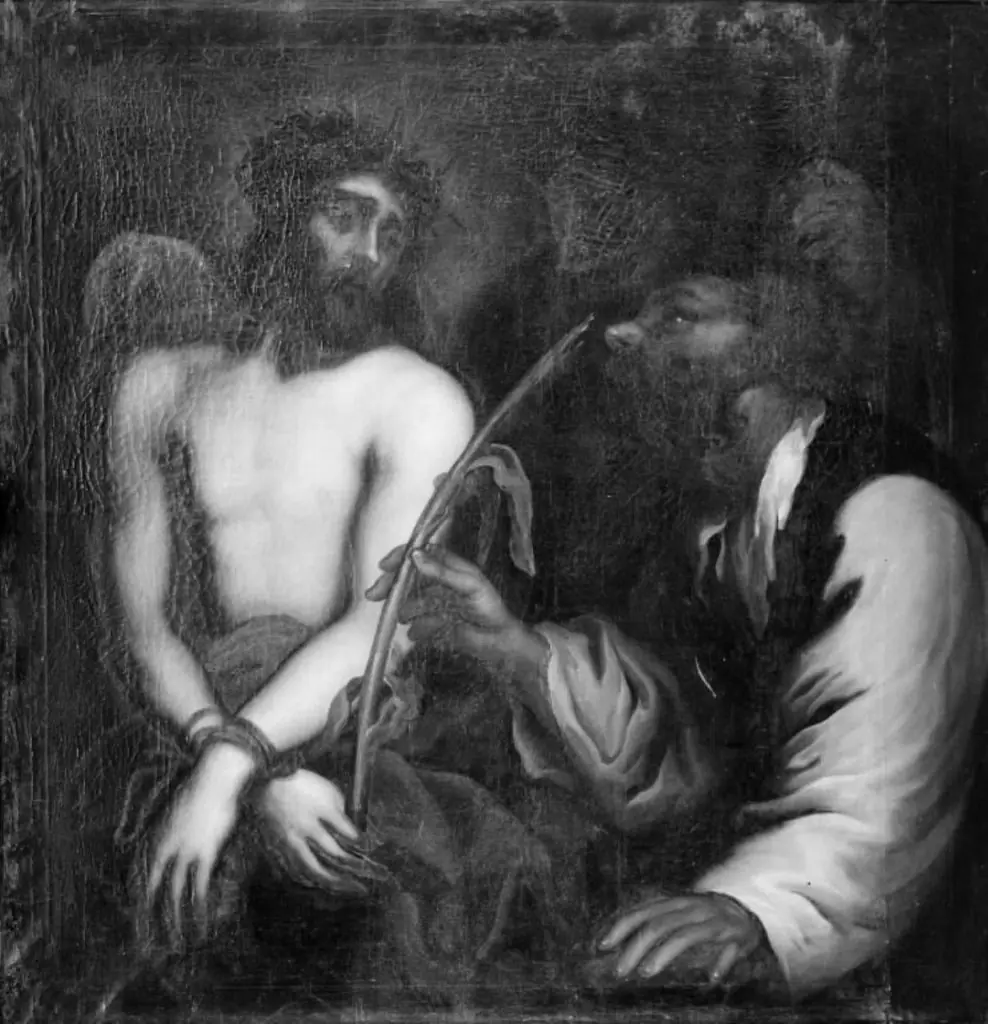 Kristus og soldaterne
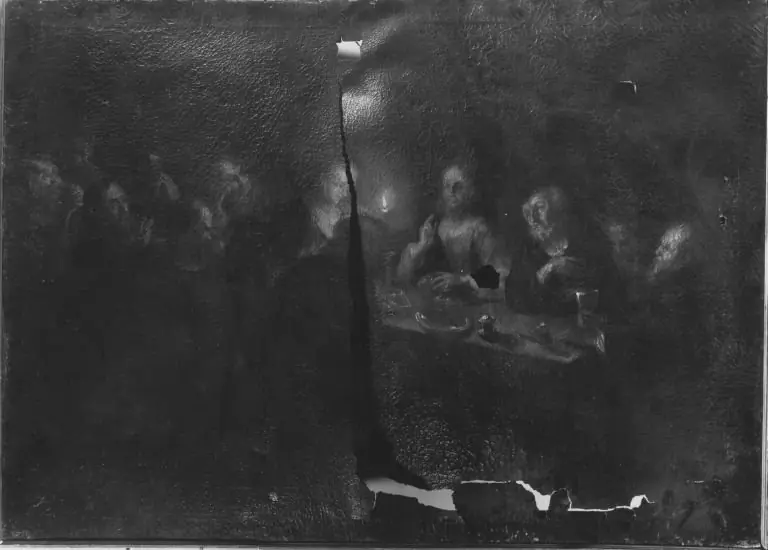 Das letzte Abendmahl (Nachahmer)
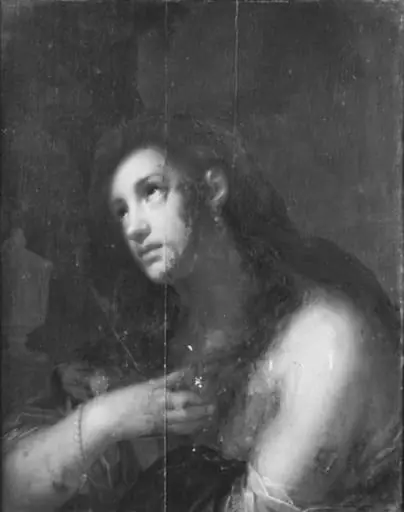 The Penitent Mary Magdalene
 Kristus og soldaterne
 Jesus and Saint Joseph