Artwork
Dead Christ
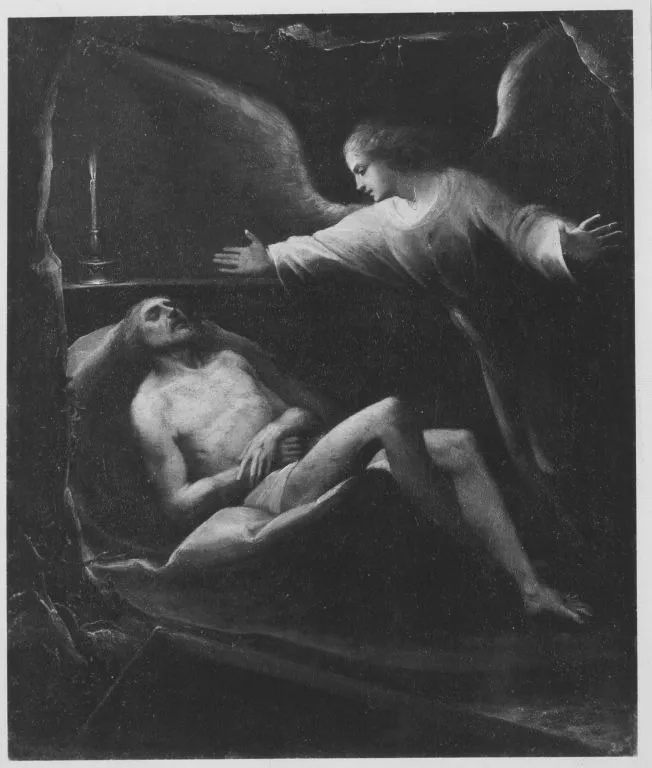
Dead Christ is an unspecified painting by the Early Baroque Italian artist Giacomo Cavedone. It dates from 1618 and is held in the collection of the Bavarian State Painting Collections.
About this work
Overview
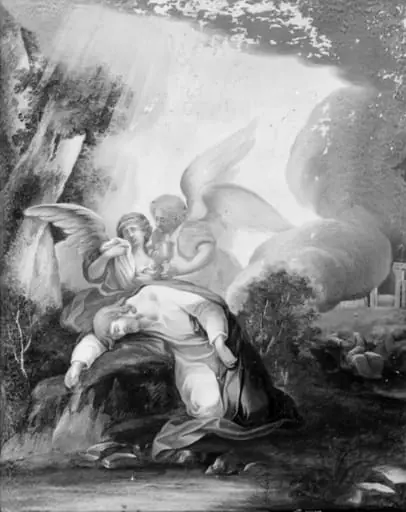
Giacomo Cavedone’s 1618 oil painting entitled *Dead Christ* is part of the collection at Munich’s Alte Pinakothek. The work presents a lifeless male figure, unclothed, his head reclined upon a simple cloth, while a winged, robed presence hovers above, extending a hand toward the fallen body. The composition is set against a dim interior illuminated only by a solitary candle on a shelf.
Subject & Meaning
The overall mood is one of quiet contemplation rather than dramatic passion, inviting reflection on mortality and redemption.
The central figure represents the deceased Christ, rendered in stark realism that emphasizes his humanity. The angelic attendant, identifiable by its wings and habit, suggests a divine witness or a messenger of salvation, its gesture implying compassion or the promise of resurrection. The overall mood is one of quiet contemplation rather than dramatic passion, inviting reflection on mortality and redemption.
Technique & Style
Cavedone employs a pronounced chiaroscuro, contrasting deep shadows with the limited candlelight to model the forms and create a three‑dimensional presence. The soft modeling of flesh and the delicate rendering of the angel’s drapery demonstrate a careful handling of light, while the muted palette reinforces the somber atmosphere. The composition balances stillness with subtle tonal variations.
History & Provenance
Painted in the early seventeenth century, *Dead Christ* entered the Alte Pinakothek’s holdings as part of its Baroque acquisitions, though the precise path from Cavedone’s workshop to the museum remains undocumented in public records. Its presence in the collection reflects the institution’s emphasis on Italian religious works from the post‑Carracci period.
Context
Created during the Counter‑Reformation, the painting aligns with contemporary demands for clear, affective religious imagery that could inspire devotion. Cavedone, a Bolognese painter trained in the Carracci tradition, integrates the dramatic lighting favored by Caravaggio’s followers while maintaining a restrained emotional tone, characteristic of the Bolognese school’s synthesis of naturalism and classicism.
Artist & collection

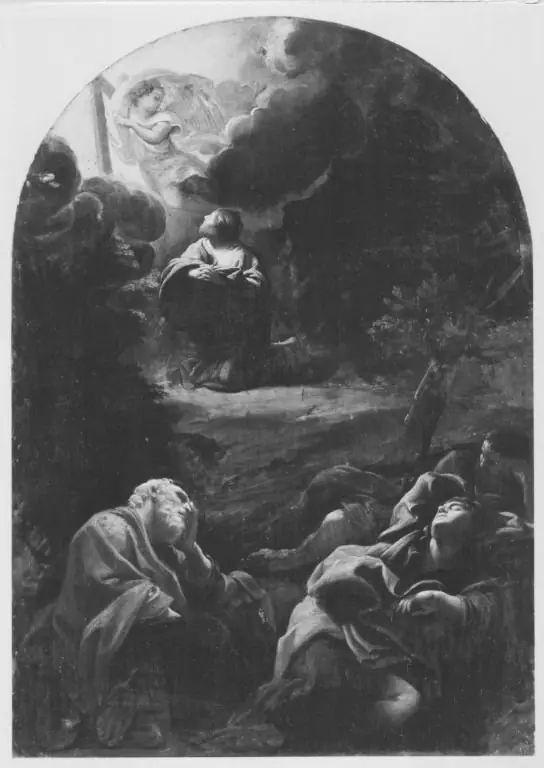 Christus am Ölberg
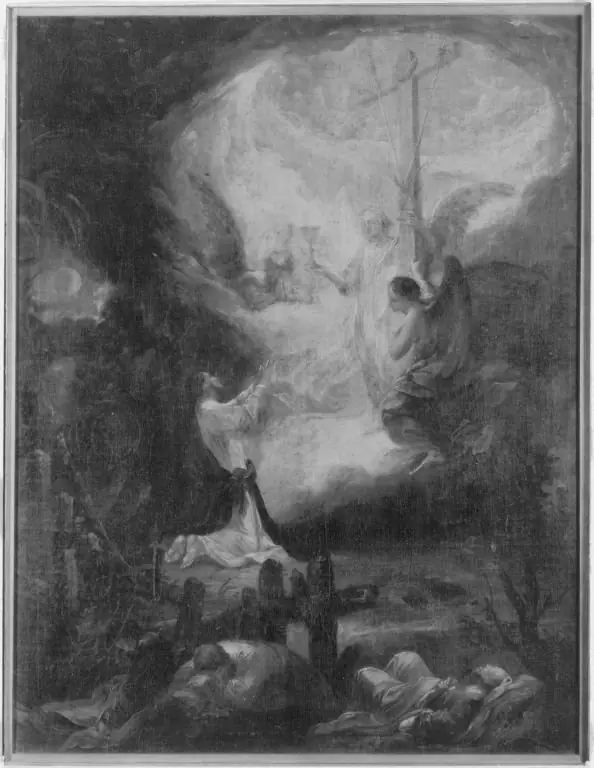 Christus am Ölberg
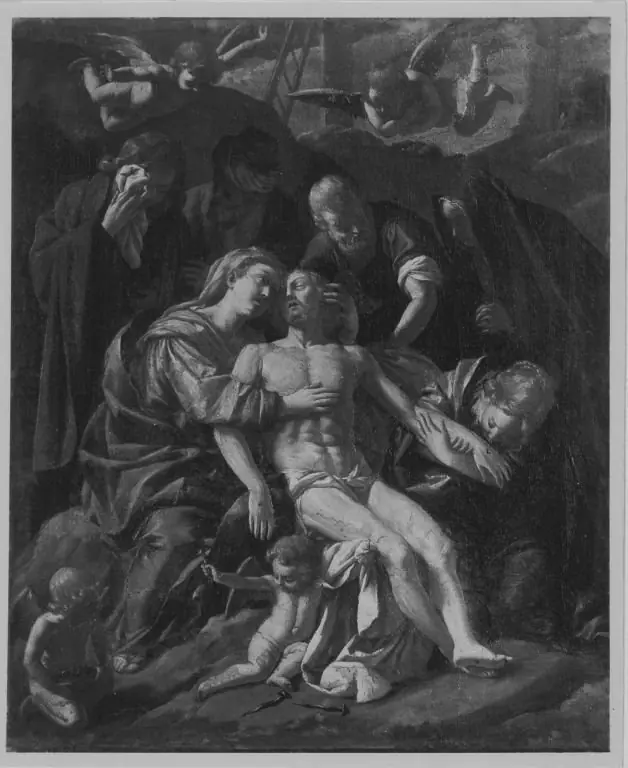 Lamentation of Christ
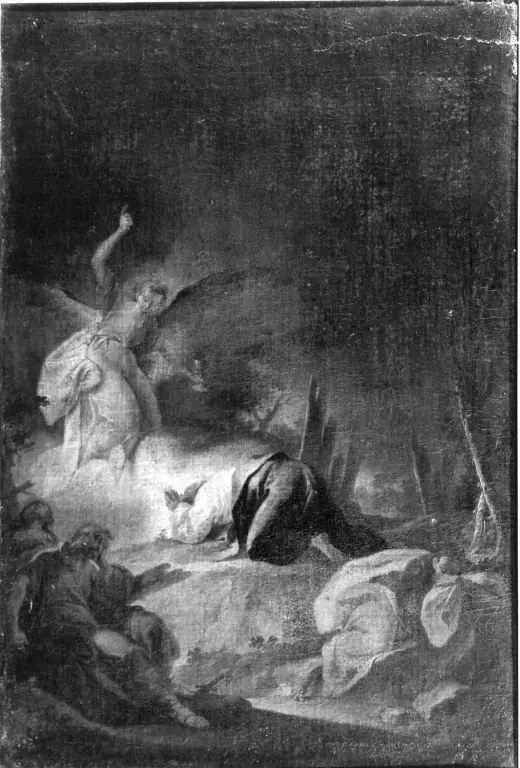 Christ on the Mount of Olives ("Christus am Ölberg")
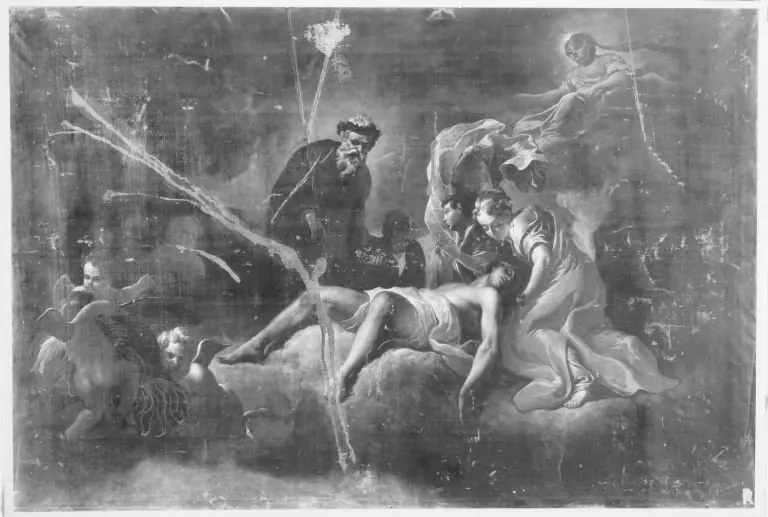 Leichnam eines Jünglings
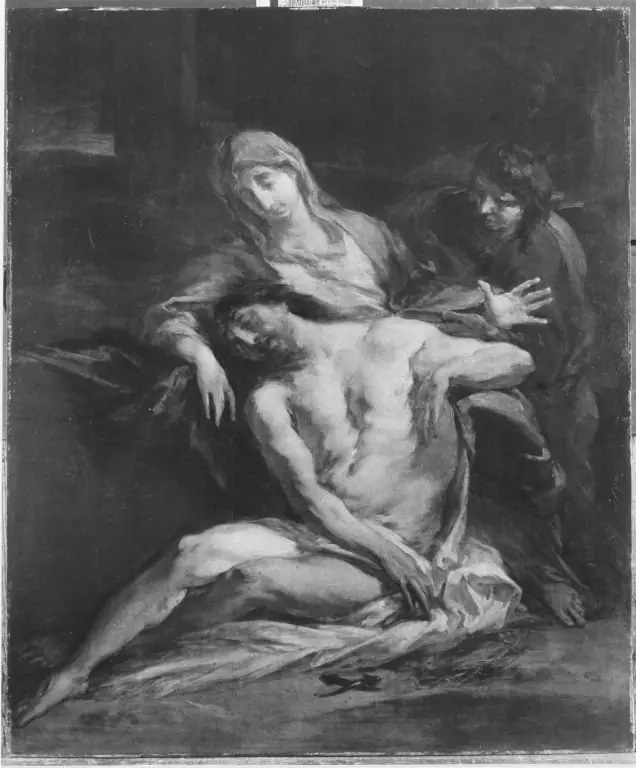 Lamentation of Christ
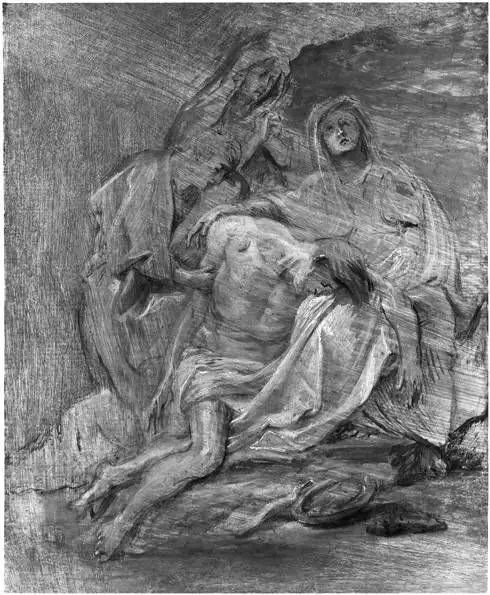 Beweinung Christi (Skizze)
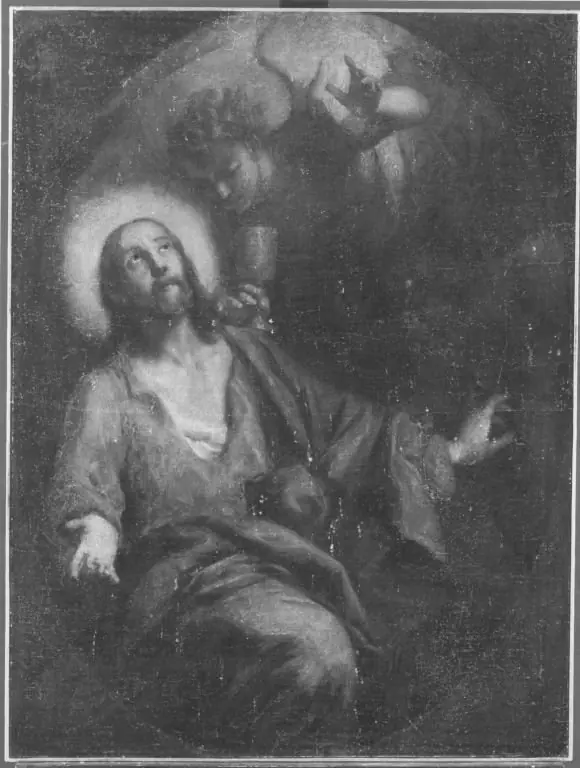 Christ with an angel on the Mount of Olives
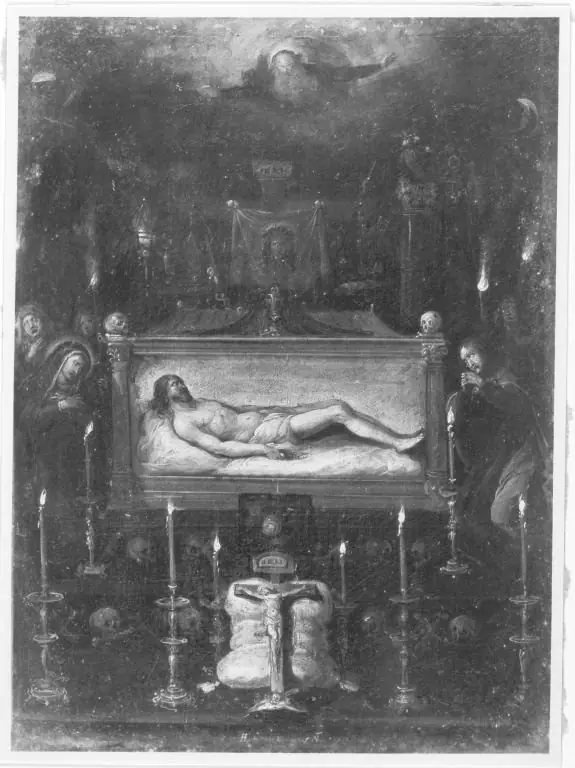 Das Heilige Grab
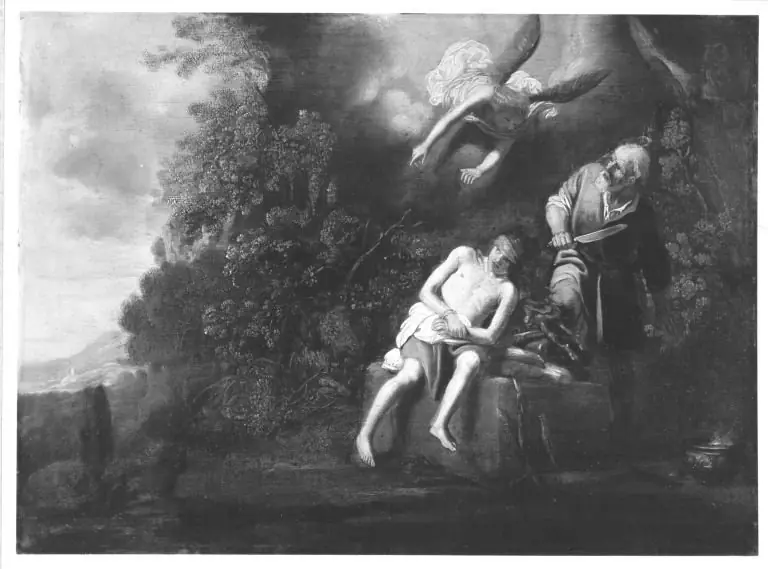 Die Opferung Isaaks (Replik?)
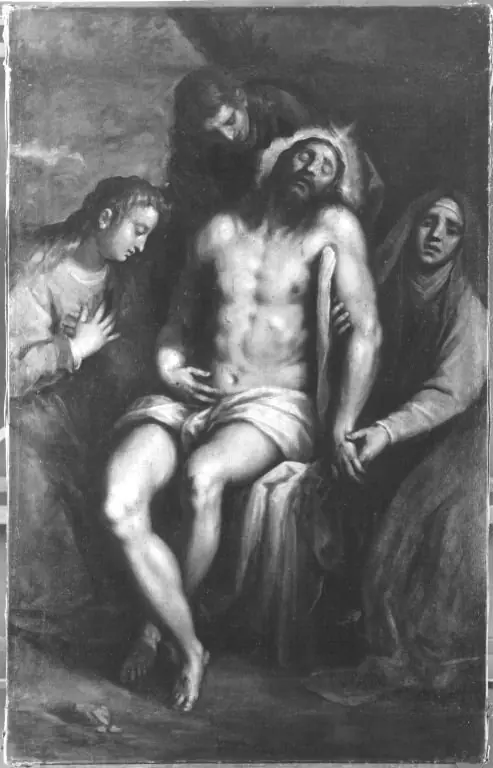 Beweinung Christi
 Kristus i Gethsemane