Artwork
The Sacrifice of Polyxena in Malibu
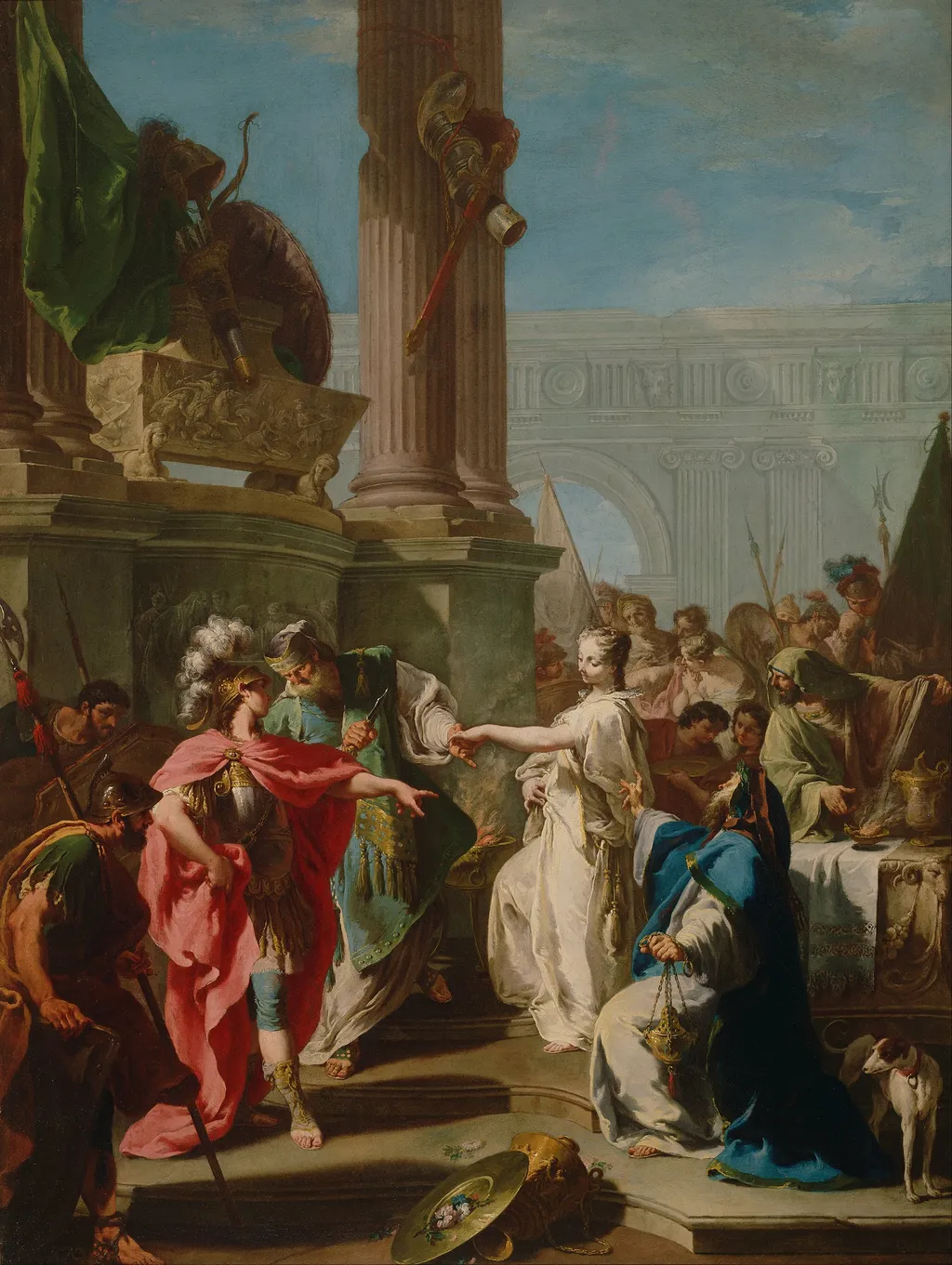
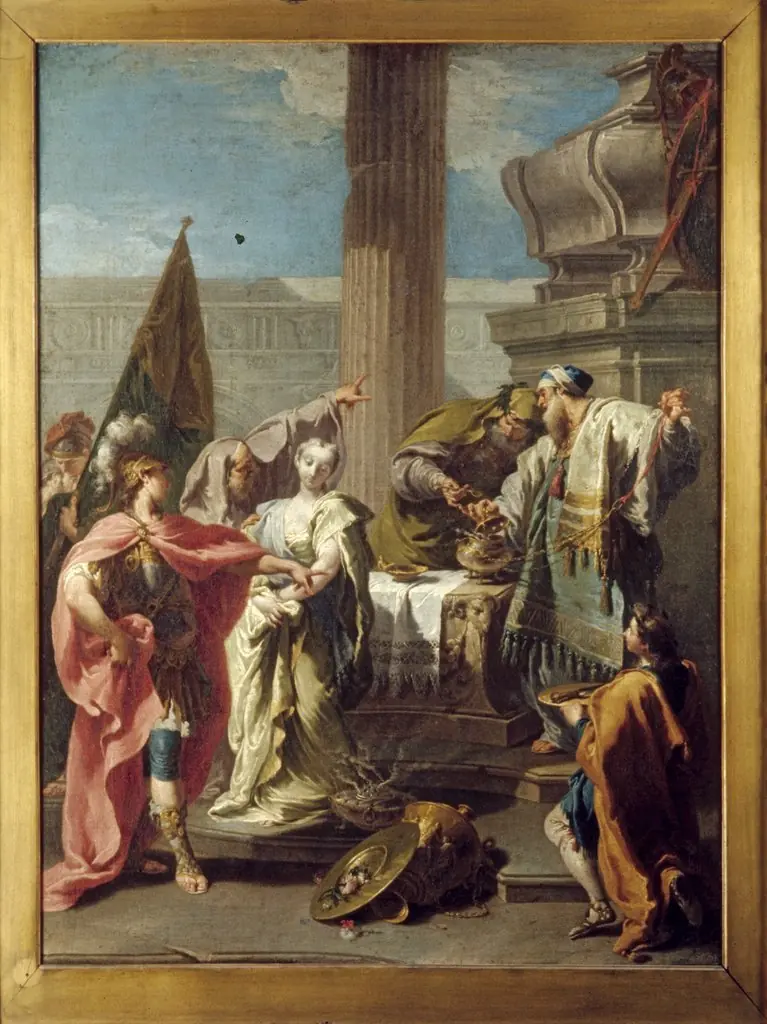
The Sacrifice of Polyxena in Malibu is an oil painting by the Rococo painting artist Giambattista Pittoni. It dates from 1732 and is held in the collection of the J. Paul Getty Museum.
About this work
Overview
Giambattista Pittoni’s oil painting *The Sacrifice of Polyxena in Malibu* was executed in 1732. The work belongs to the late Baroque‑Rococo period and is part of the J. Paul Getty Museum’s collection. It portrays a dramatic moment from classical mythology, rendered with a strong contrast of light and shadow that heightens the tension of the scene.
Subject & Meaning
The composition centers on a woman in a white robe being seized by a man in a red cloak, suggesting the mythic sacrifice of Polyxena. Her outstretched arm conveys resistance, while the man’s stern expression underscores the inevitability of the ritual. A gathering of onlookers in the background watches with a mixture of curiosity and concern, emphasizing the communal weight of the act.
Technique & Style
Pittoni employs chiaroscuro to accentuate the drama, allowing illuminated figures to emerge from a darker surrounding space. The painter’s handling of oil paint produces a smooth, luminous surface typical of Venetian training, while the fluid drapery and delicate facial modeling reflect Rococo sensibilities within a Baroque framework.
History & Provenance
A native of Venice, Pittoni was instrumental in founding the Academy of Fine Arts of Venice and later presided over it in 1758. *The Sacrifice of Polyxena in Malibu* entered the J. Paul Getty Museum’s holdings in the 20th century, where it remains on view as a representative example of his mythological oeuvre.
Own this work as a print
Artist & collection
Artist
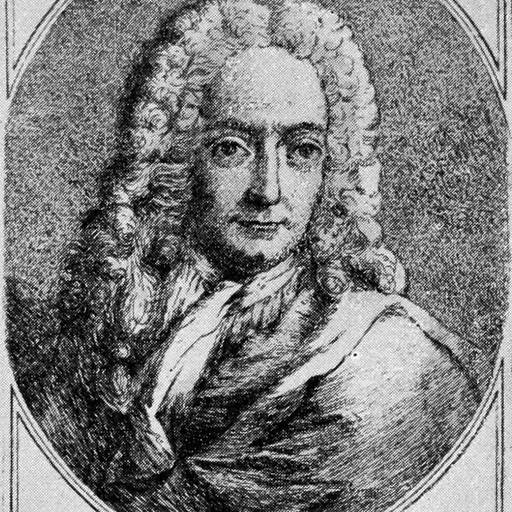
Giambattista Pittoni or Giovanni Battista Pittoni (6 June 1687 – 6 November 1767) was a Venetian painter of the late Baroque or Rococo period.


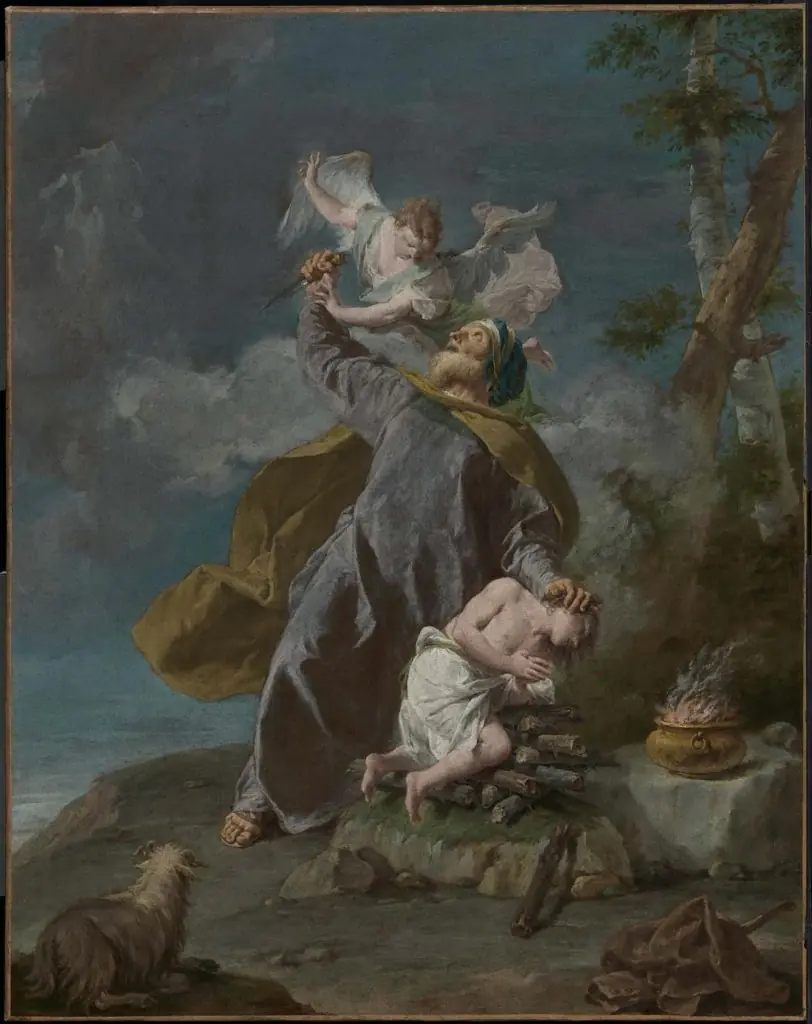
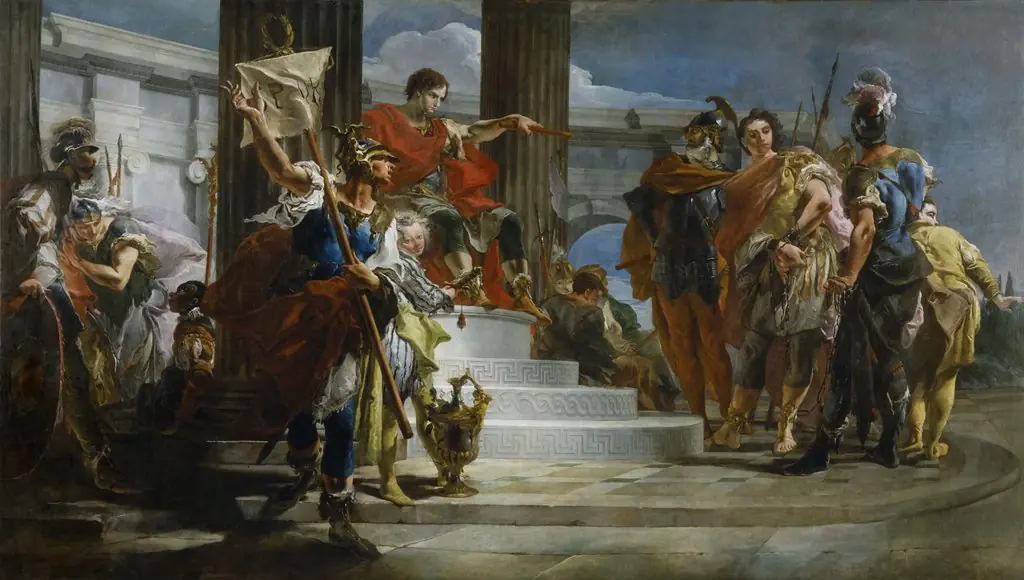 Scipio Africanus Freeing Massiva
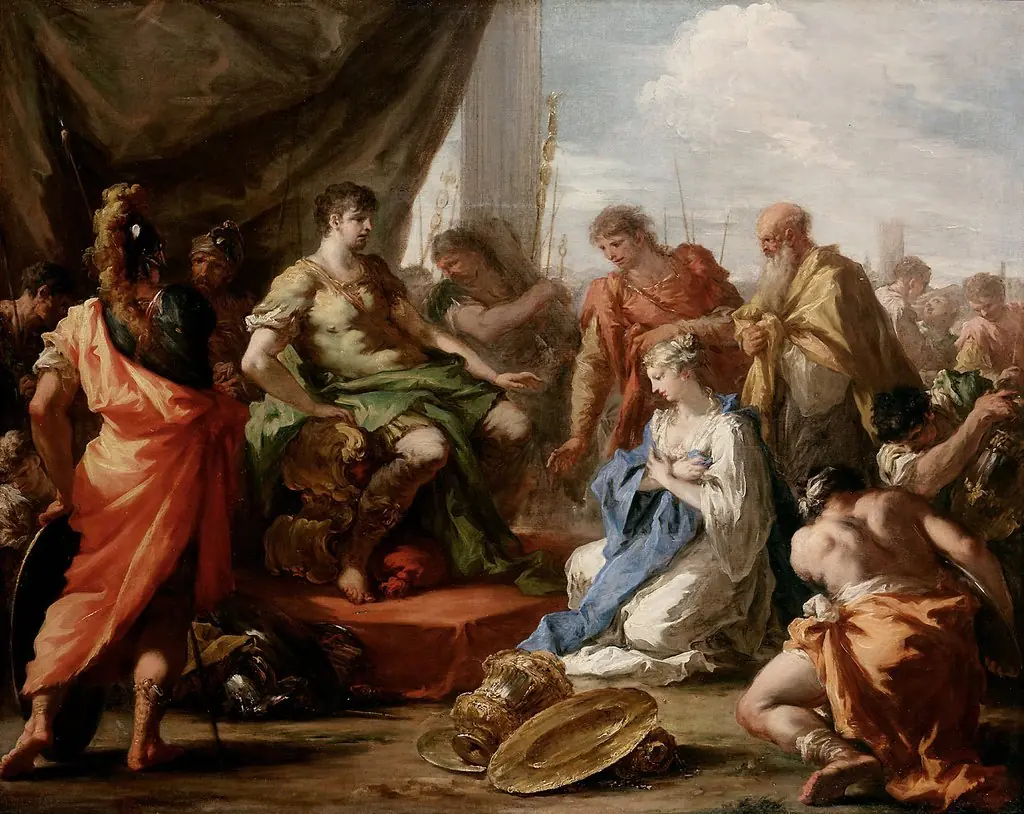 Enthaltsamkeit des Scipio
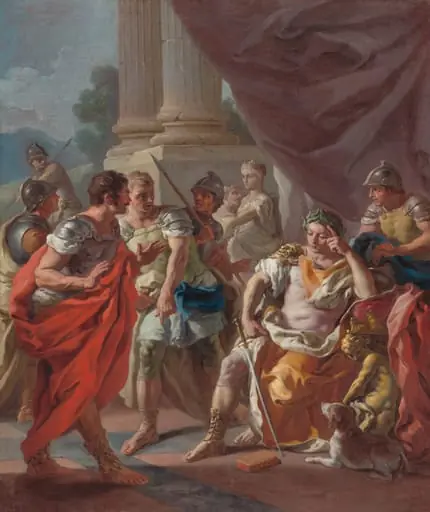 Alexander Condemning False Praise
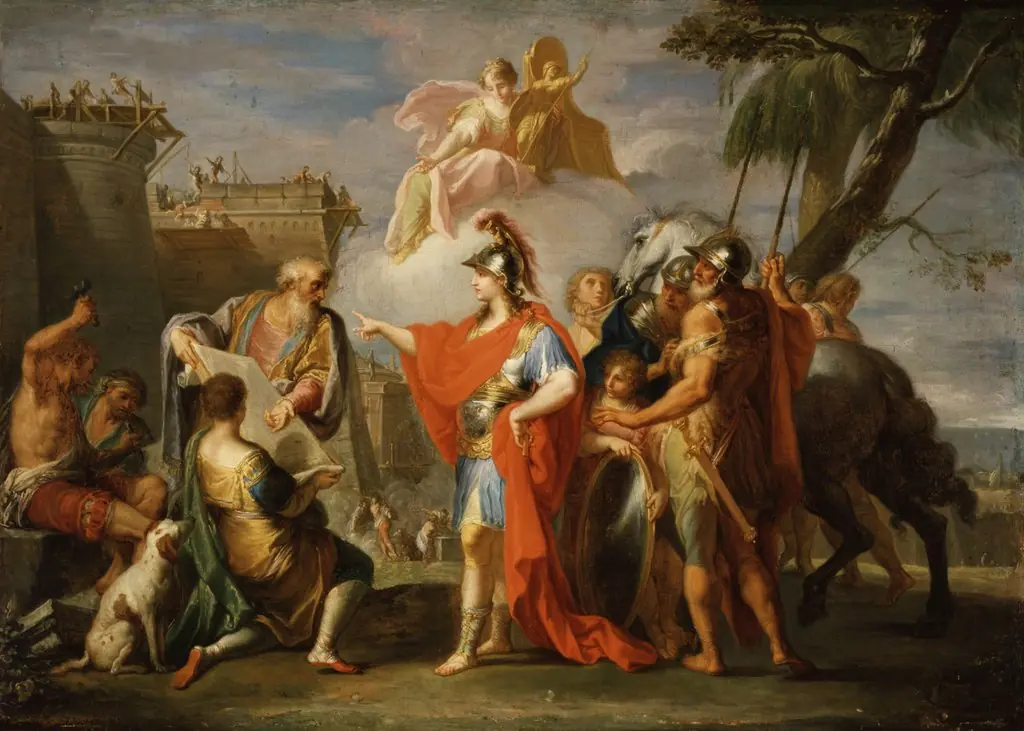 Alexander the Great Founding Alexandria
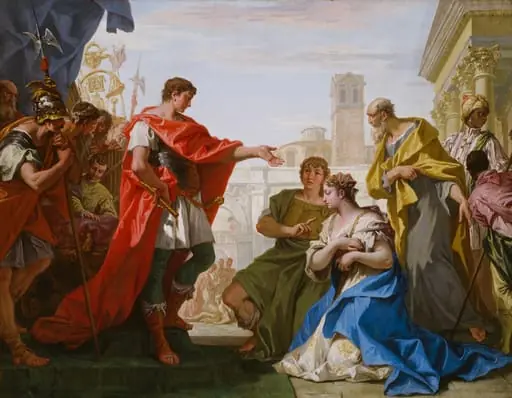 The Continence of Scipio
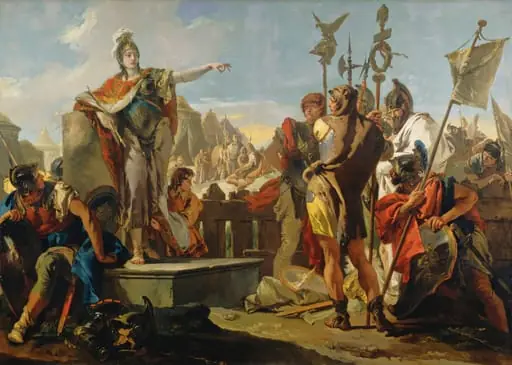 Queen Zenobia Addressing Her Soldiers
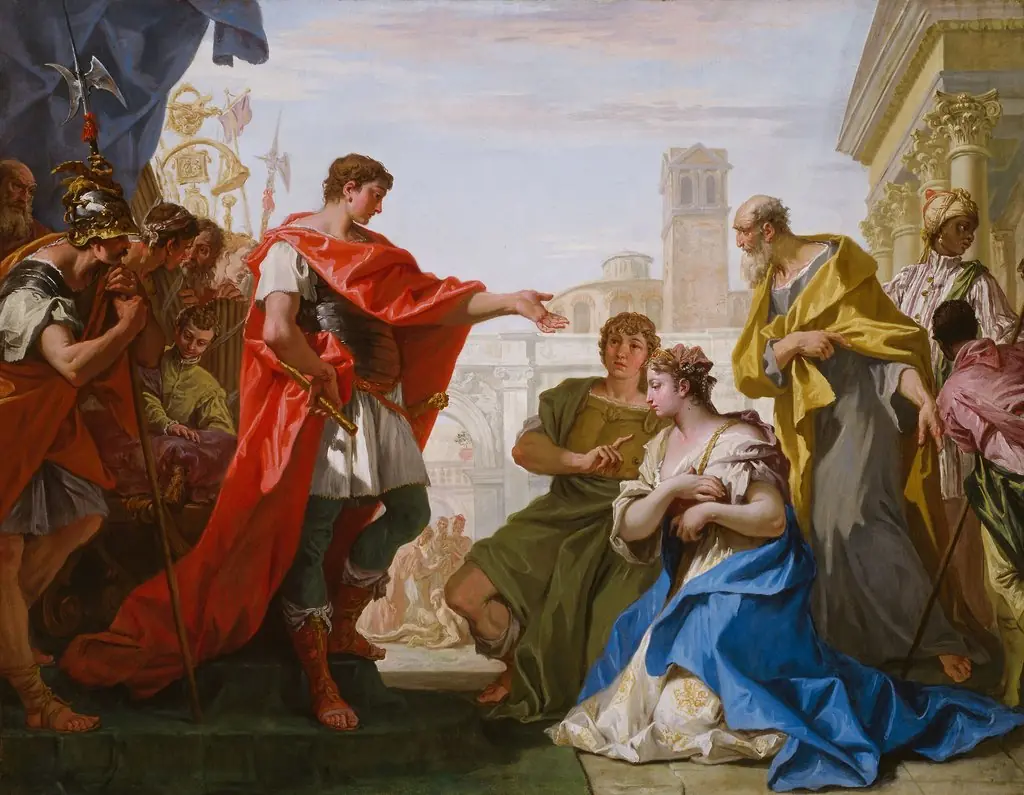 The Continence of Scipio
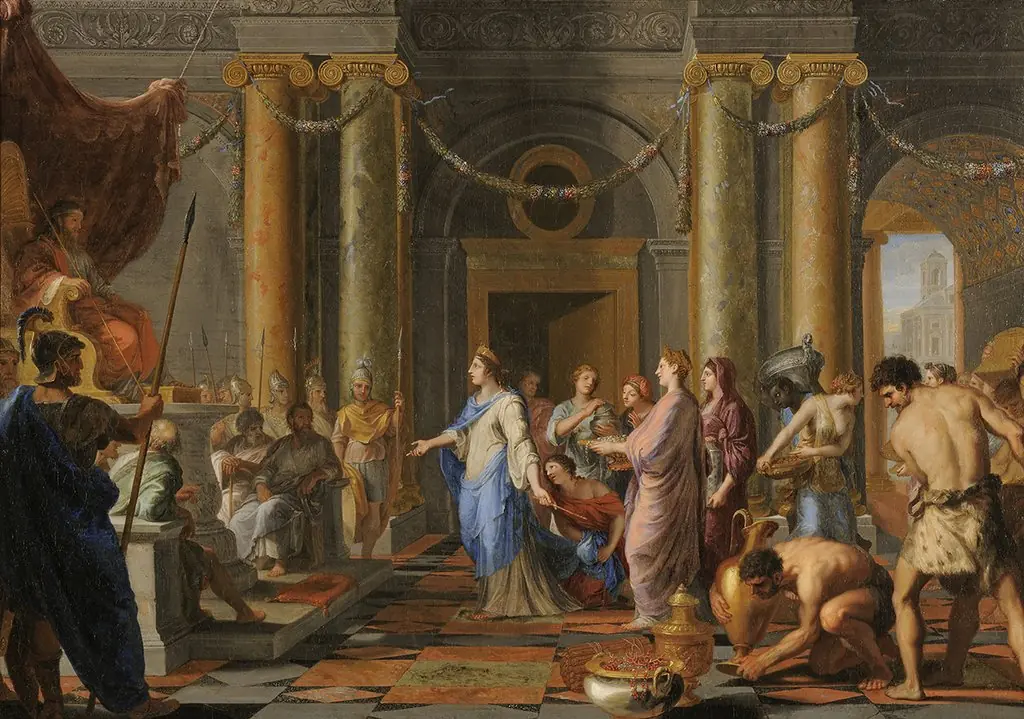 Solomon Receiving the Queen of Sheba
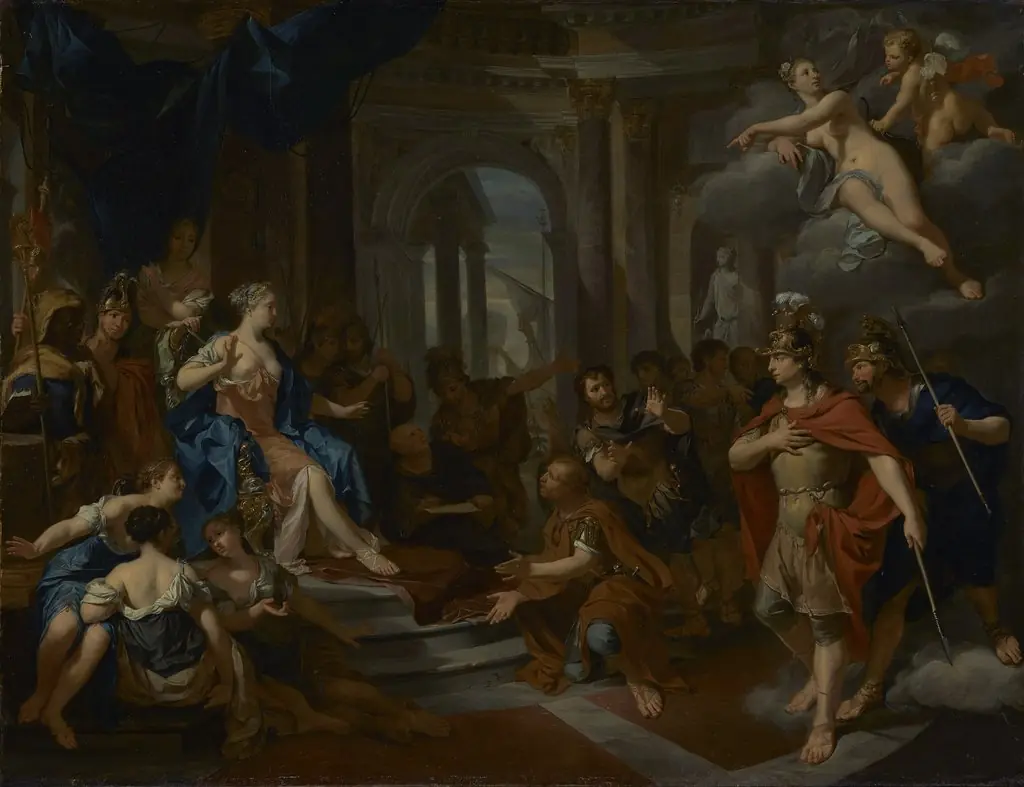 Dido and Aeneas
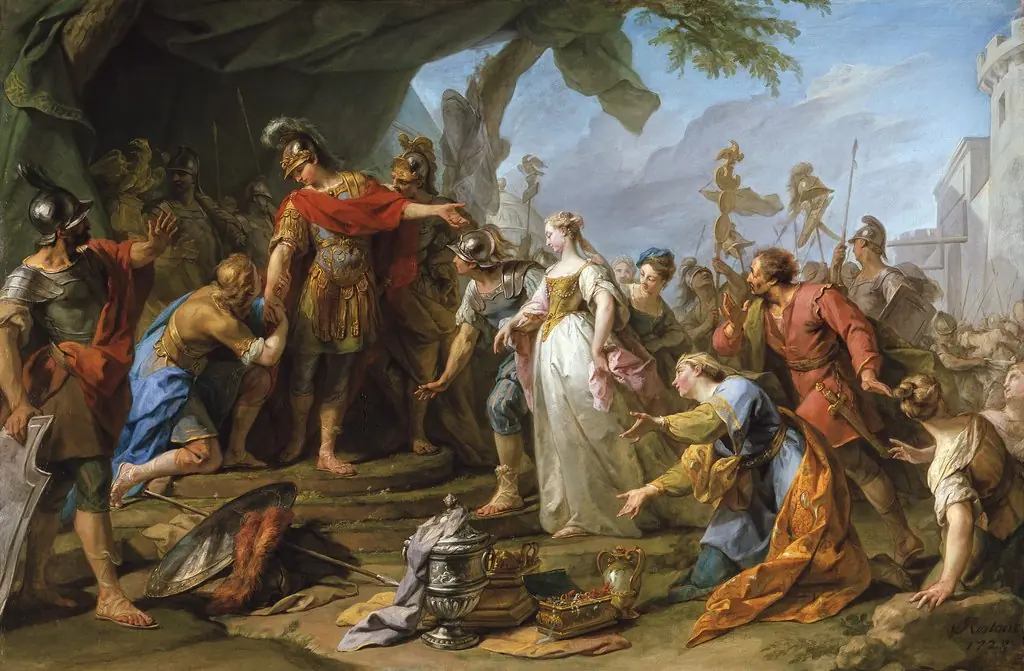 The Generosity of Scipio
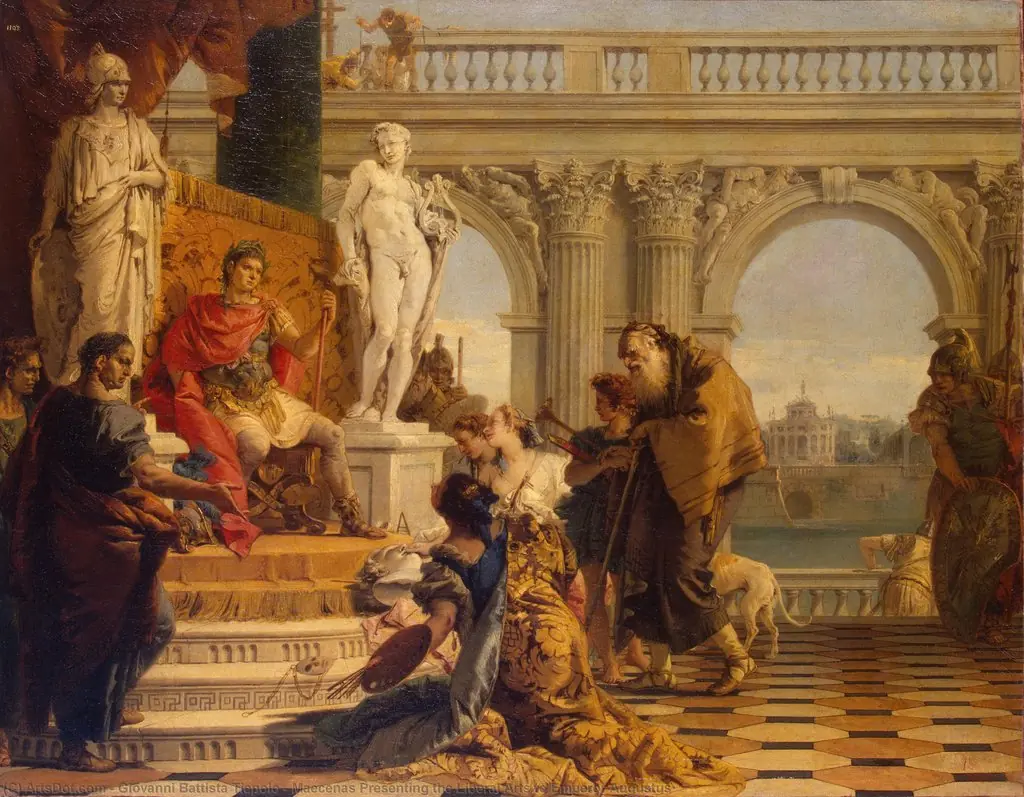 Maecenas Presenting the Liberal Arts to Emperor Augustus
 The Sacrifice of Polyxena at the Tomb of Achilles