Artwork
The St. Eustace refuses idolatry
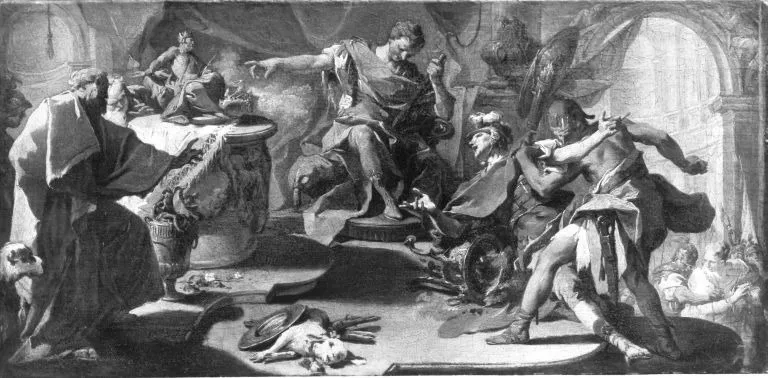
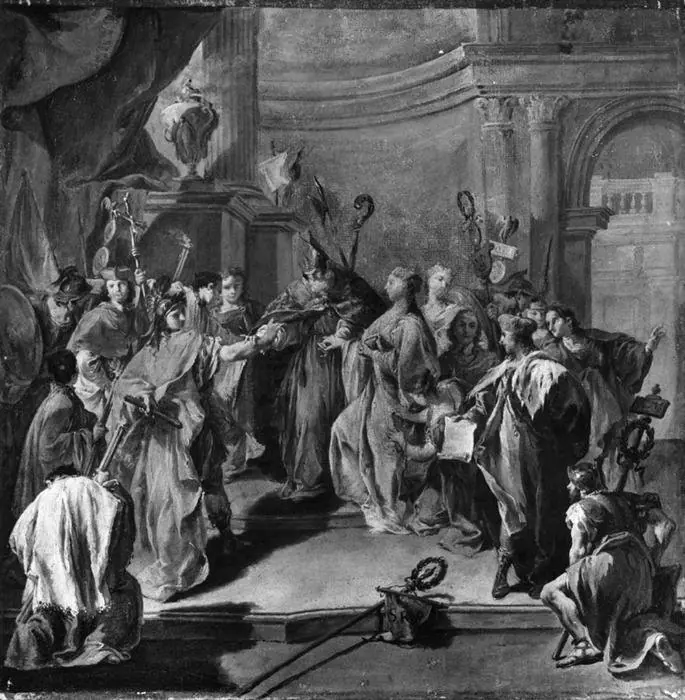
The St. Eustace refuses idolatry is an unspecified painting by the Rococo painting artist Giambattista Pittoni. It dates from 1730 and is held in the collection of the Bavarian State Painting Collections.
About this work
Overview
A key figure in the city’s artistic community, he helped establish the Academy of Fine Arts and later led it.
Giambattista Pittoni painted *The St. Eustace Refuses Idolatry* in 1730, during his active years in Venice. A key figure in the city’s artistic community, he helped establish the Academy of Fine Arts and later led it. This work exemplifies his engagement with religious narratives through a refined, late Baroque aesthetic, blending classical composition with subtle emotional restraint. It resides today in the Alte Pinakothek in Munich.
Subject & Meaning
The painting illustrates the moment Saint Eustace, a Roman general turned Christian, rejects the worship of pagan deities. Standing on a raised platform, he gestures toward the heavens, signaling divine allegiance over earthly idols. Surrounding figures, clad in classical armor and robes, represent the pagan court, their stillness contrasting with his decisive posture. The scene underscores themes of faith and moral conviction, aligned with Counter-Reformation ideals of spiritual clarity.
Technique & Style
Pittoni employs a restrained palette dominated by muted grays, browns, and ochres, avoiding the ornamental brightness typical of Rococo. The figures are rendered with precise, sculptural detail, their drapery and armor rendered with careful attention to texture. The architectural setting, with its grand arches and columns, lends solemnity. Light falls evenly, enhancing the narrative gravity without theatrical exaggeration, reflecting a disciplined approach to composition.
History & Provenance
Commissioned during Pittoni’s mature period, the painting entered the Alte Pinakothek’s collection in the 19th century, likely through royal or ecclesiastical acquisition. Its presence in Munich reflects broader European interest in Venetian religious art during the Enlightenment. No significant alterations or restorations are documented, preserving its original tonal balance and narrative clarity.
Context
Created amid the waning influence of the Baroque and the rise of Rococo, the painting resists decorative excess, favoring moral seriousness over frivolity. Venice, though culturally vibrant, was increasingly influenced by religious reform movements. Pittoni’s choice of subject—martyrdom through refusal—echoes broader Catholic efforts to reinforce doctrinal purity in the face of Protestant challenges and secularizing trends.
Legacy
Though less widely known than contemporaries like Tiepolo, Pittoni’s work contributed to the evolution of Venetian religious painting. *The St. Eustace Refuses Idolatry* stands as an example of how narrative clarity and restrained aesthetics could convey theological weight. It remains a reference for studies on the intersection of faith, identity, and visual culture in 18th-century Italy.
Artist & collection
Artist
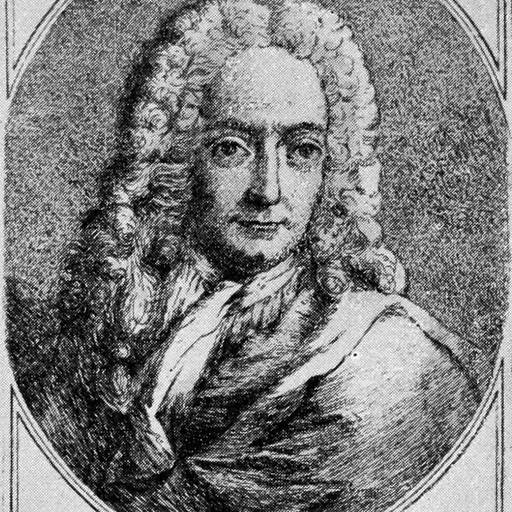
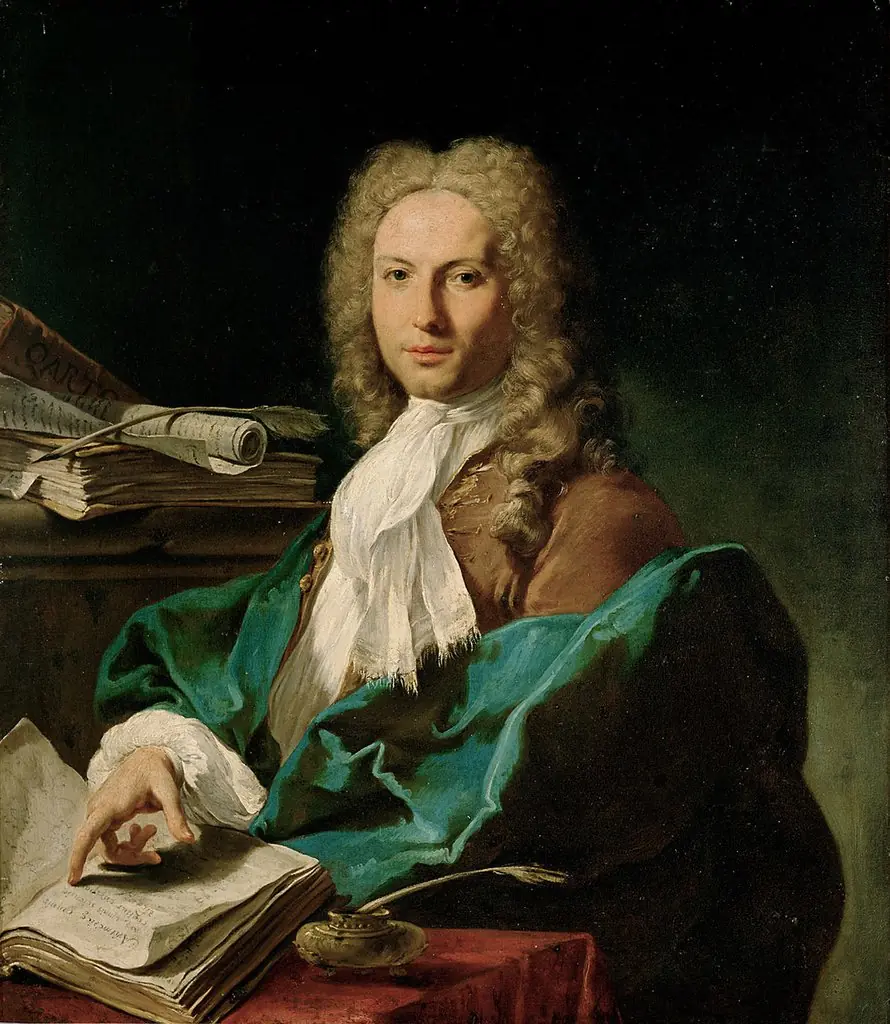
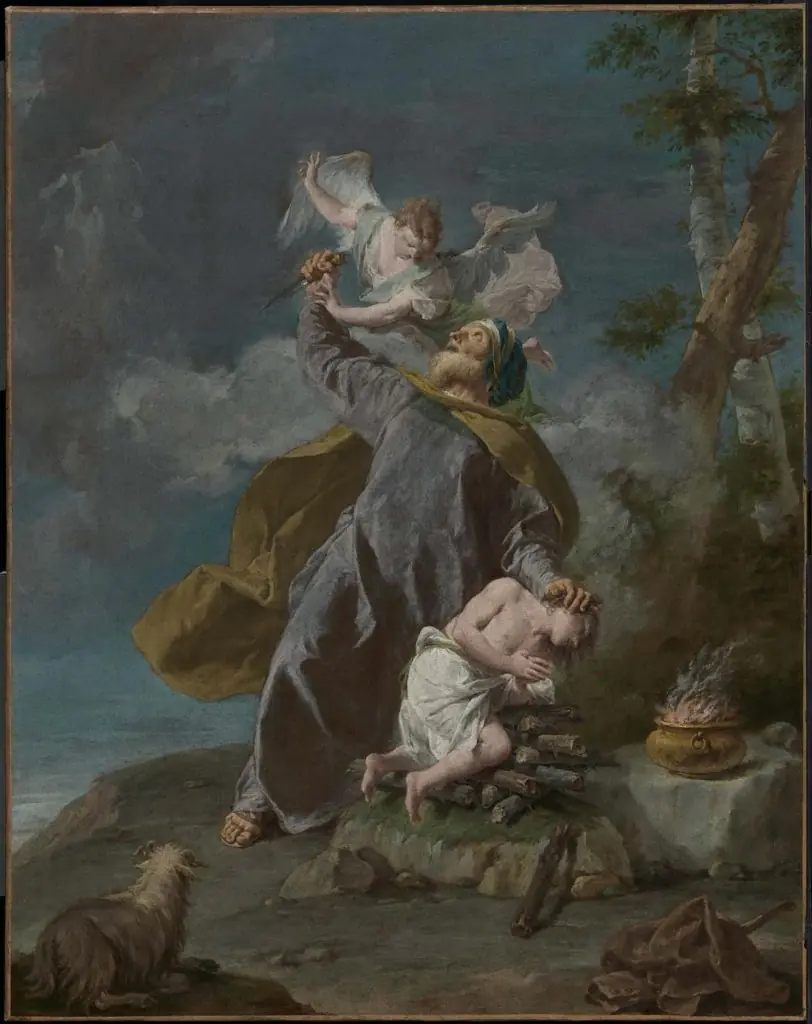
Giambattista Pittoni or Giovanni Battista Pittoni (6 June 1687 – 6 November 1767) was a Venetian painter of the late Baroque or Rococo period.

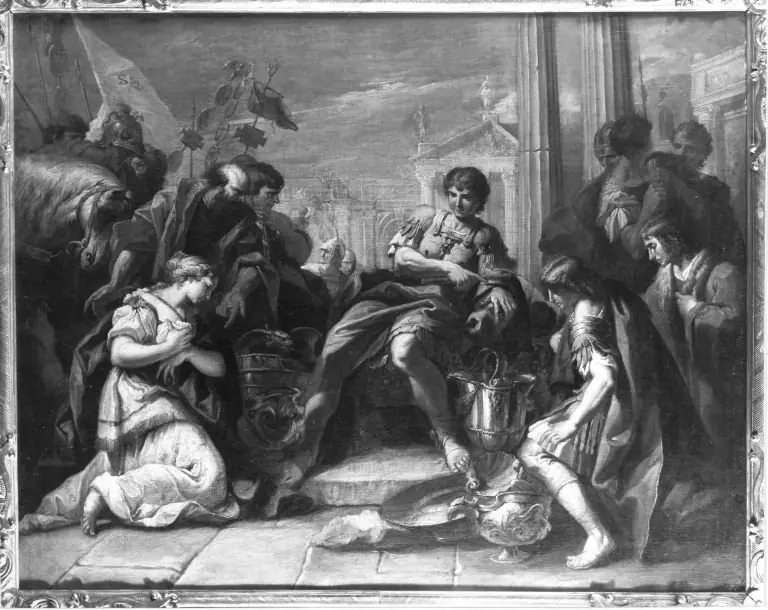 Enthaltsamkeit des Scipio
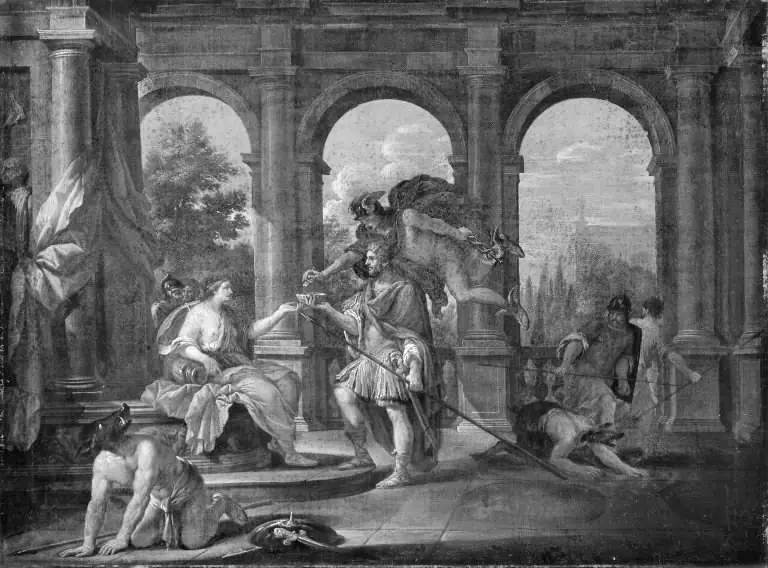 Circe and Ulysses
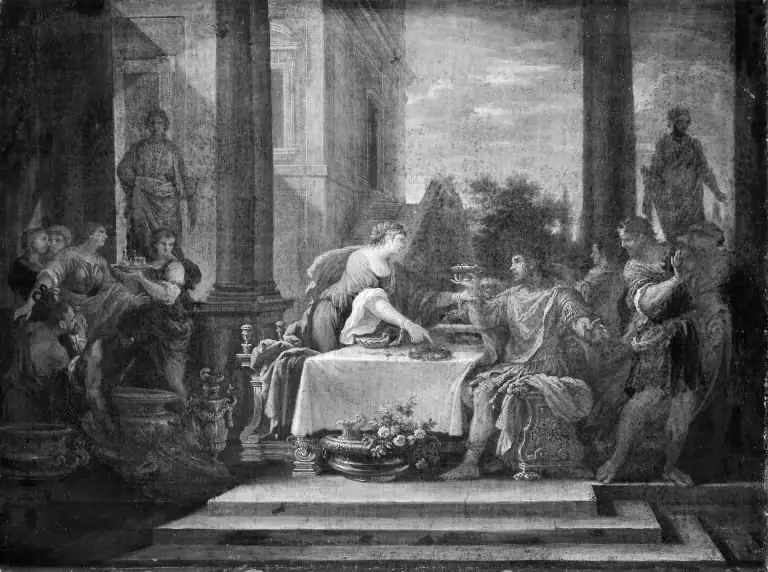 Ulysses and Circe
 Ulysses and Circe
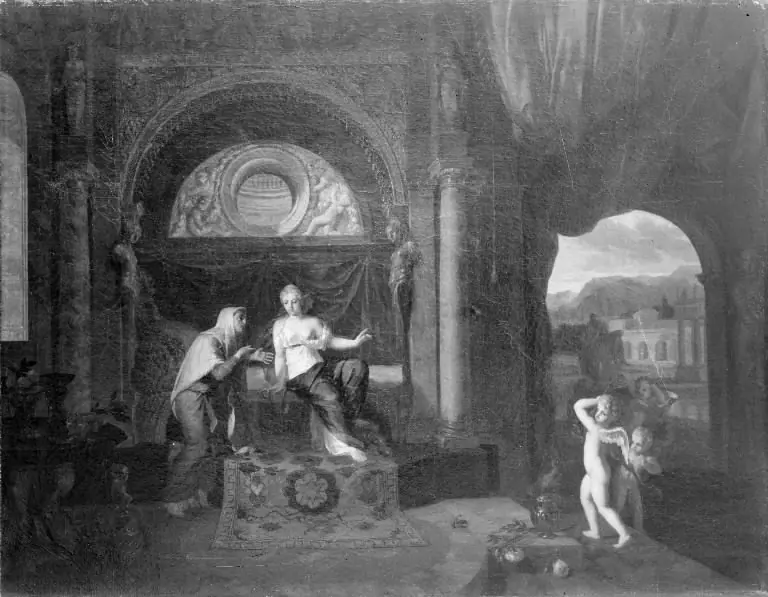 Semele and Juno
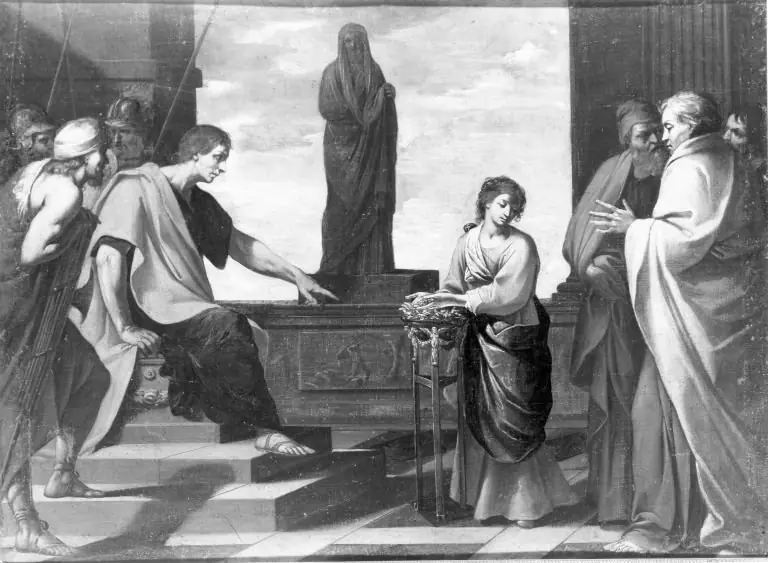 Feuerprobe (zugeschrieben)
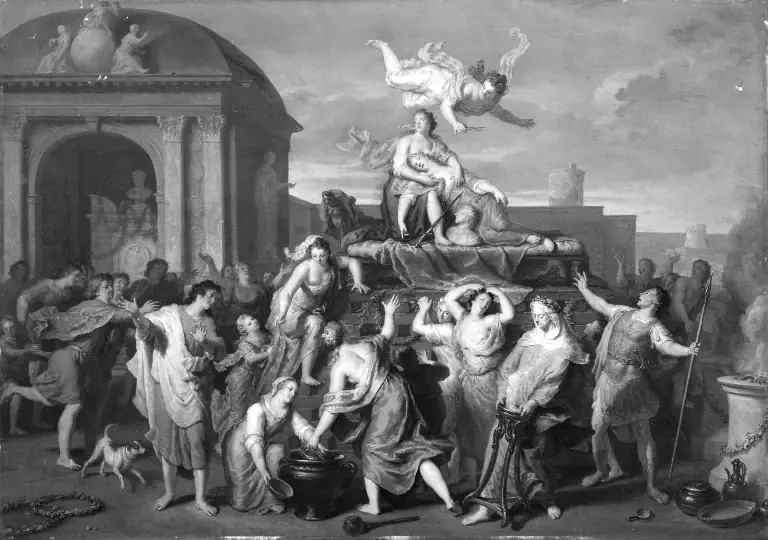 Death of Dido
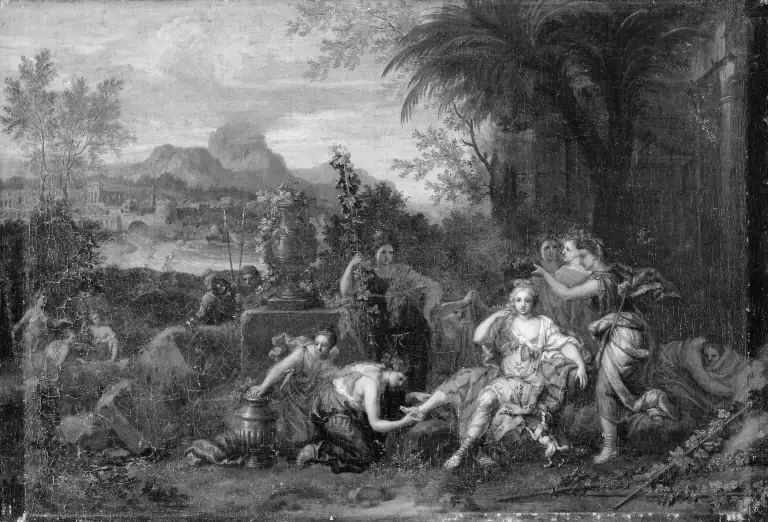 Landscape with Messalina's Wedding
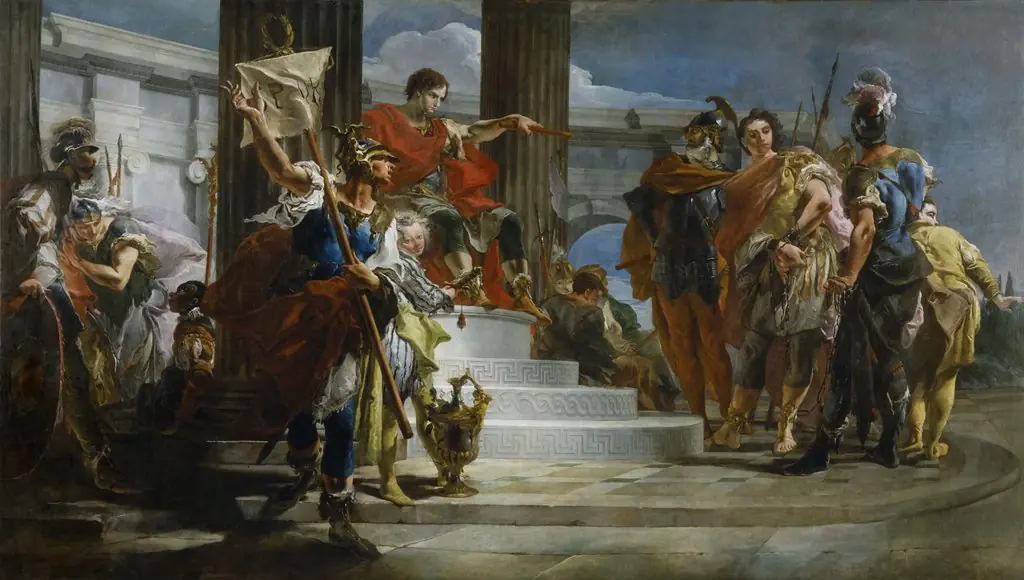 Scipio Africanus Freeing Massiva
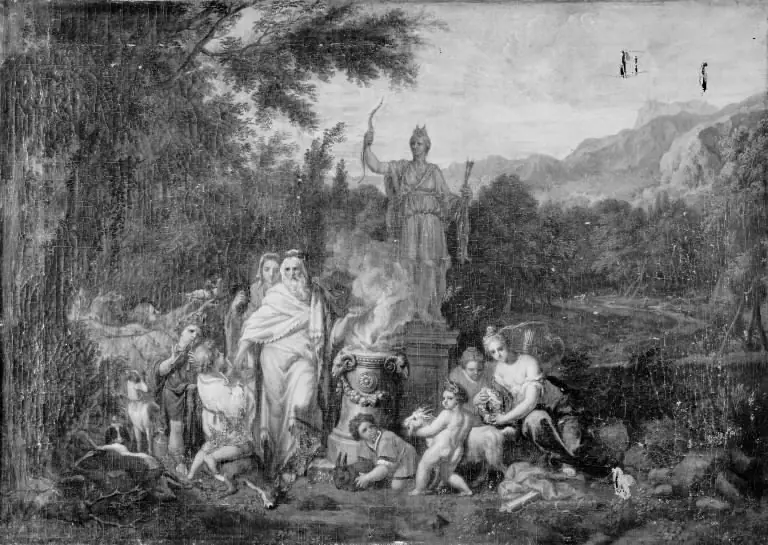 Landscape with Sacrifice to Diana
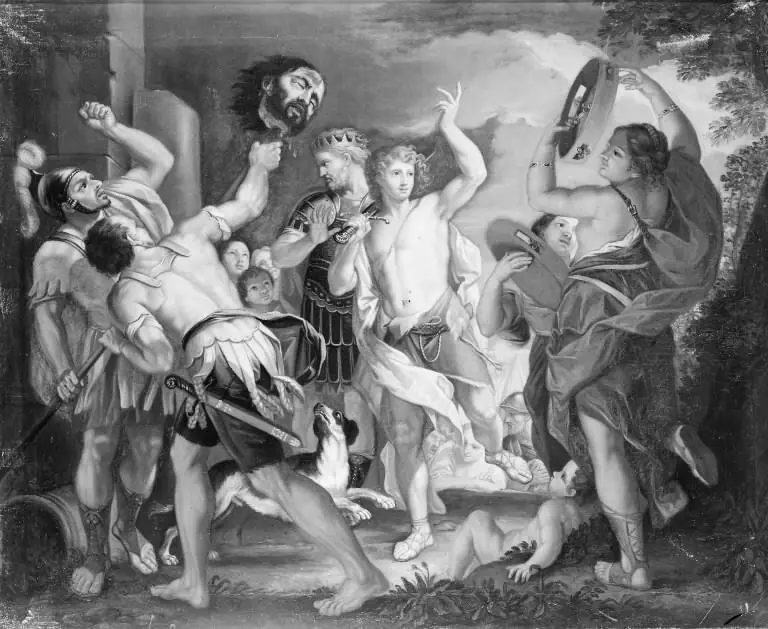 David med Goliats sværd på skulderen. Andre med hans hoved på en stage
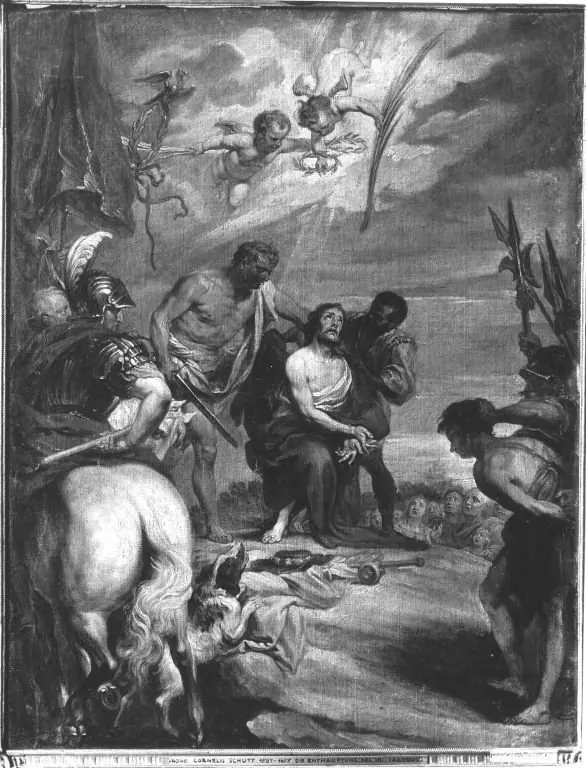 Enthauptung des hl. Jakobus