Artwork
The Paragon, Clifton
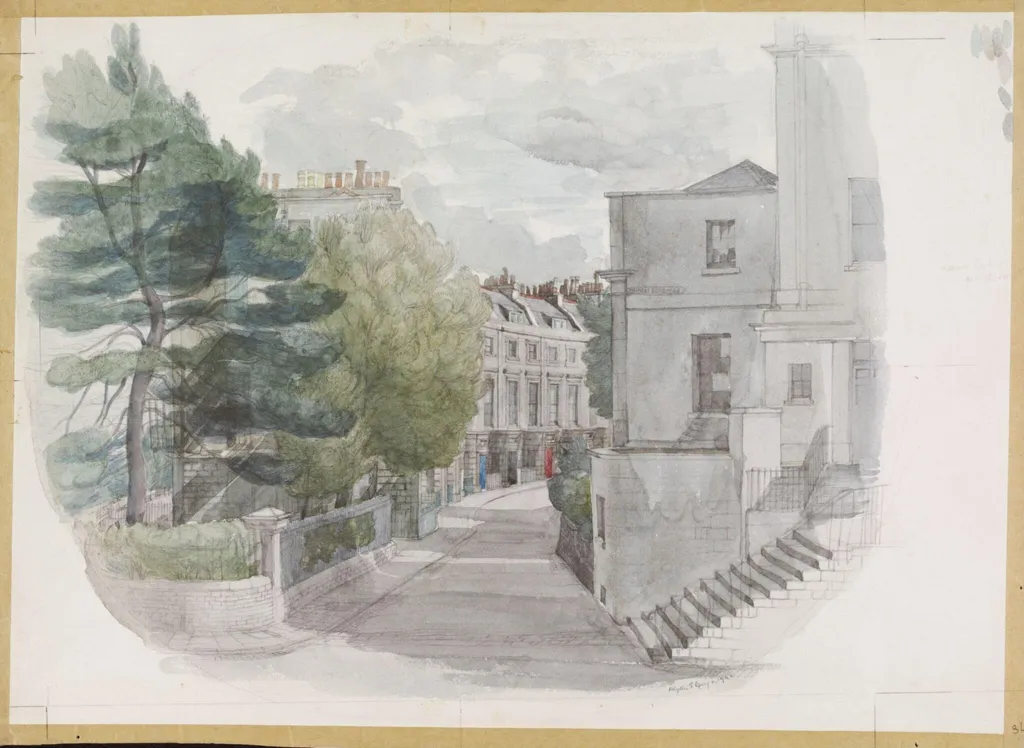
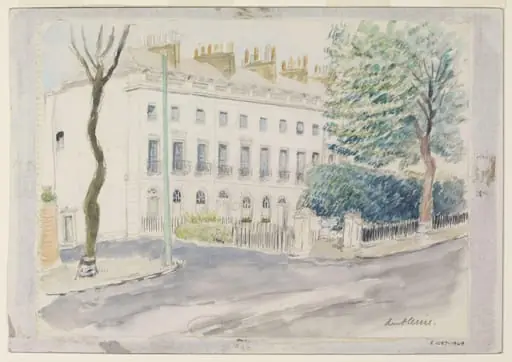
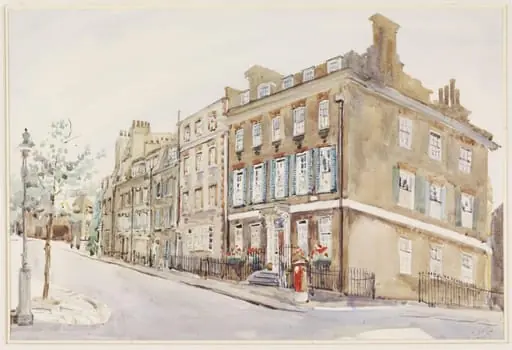
The Paragon, Clifton is a watercolor work on paper by Ginger. It dates from 1942 and is held in the collection of the Victoria and Albert Museum.
About this work
Overview
Signed and dated by the artist, the piece reflects a quiet, unembellished observation of everyday urban life during a time of national uncertainty.
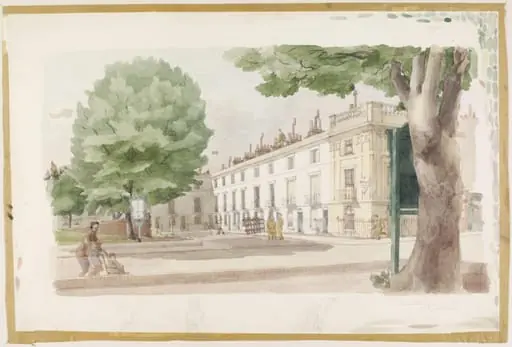
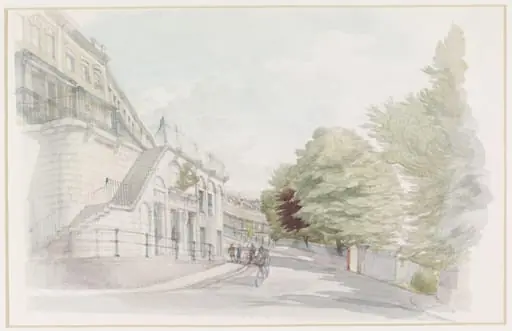
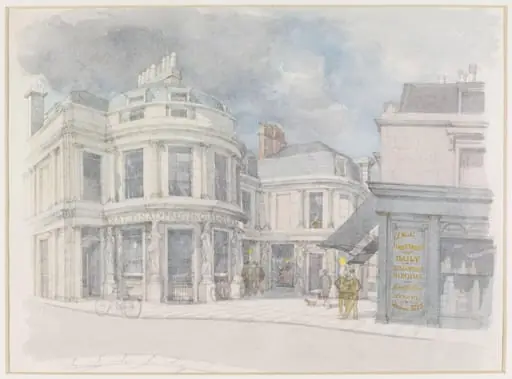
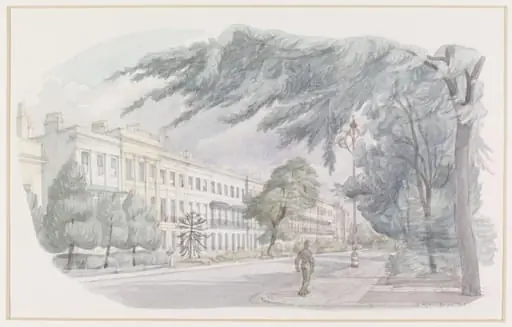
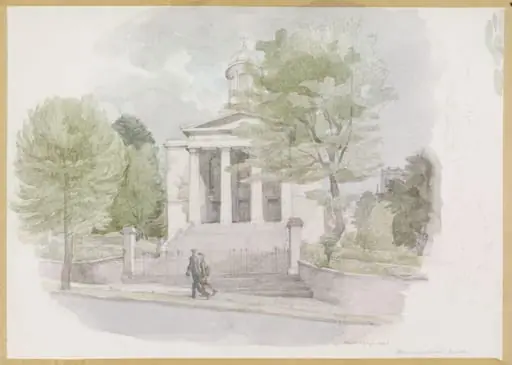
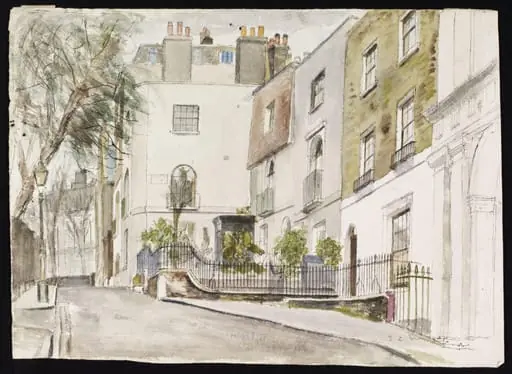
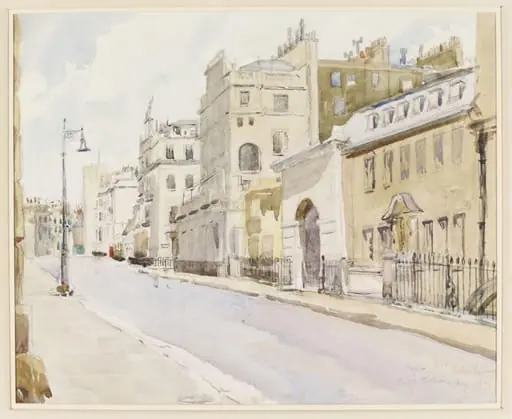
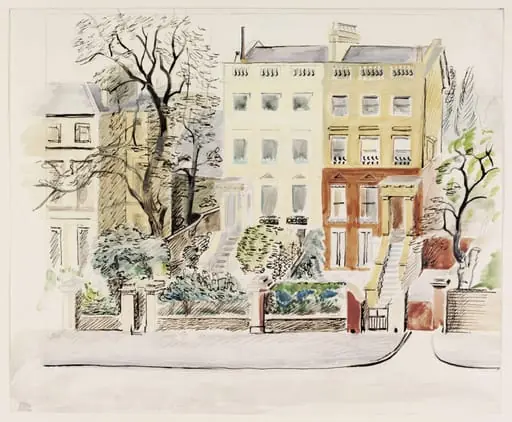
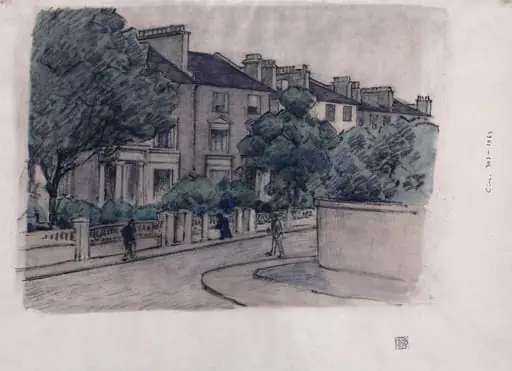
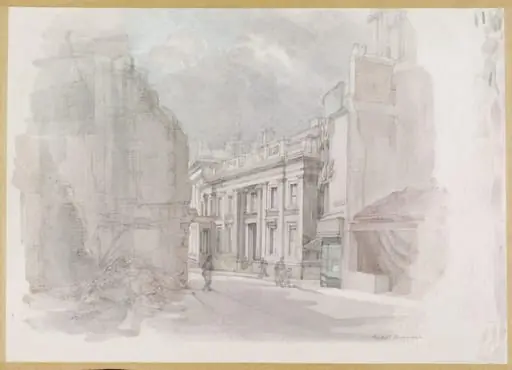
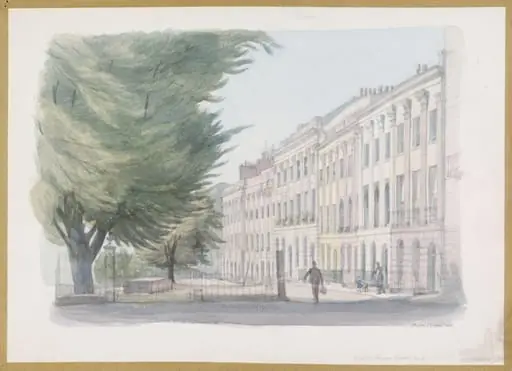
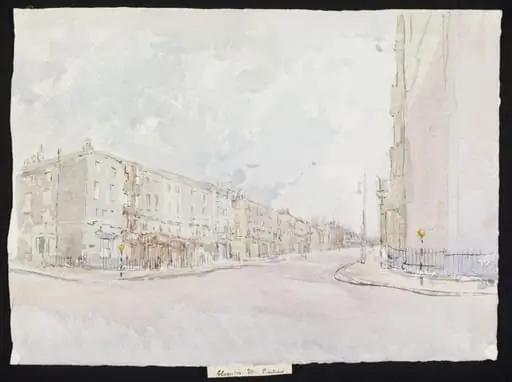
Painted in 1942 by Ginger, this watercolour captures The Paragon, a Georgian terrace in Clifton, Bristol. Executed in delicate washes, the work is part of the 'Recording Britain' project, a wartime effort to preserve visual records of the nation’s architectural heritage. Signed and dated by the artist, the piece reflects a quiet, unembellished observation of everyday urban life during a time of national uncertainty.
Subject & Meaning
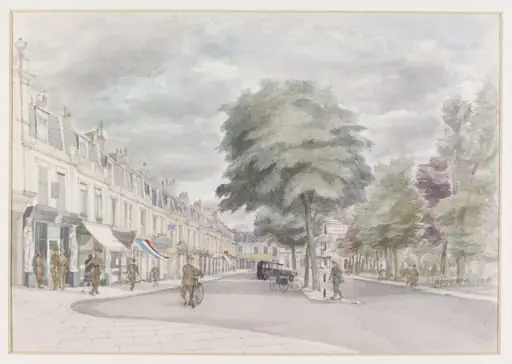
The scene centers on a row of white-walled terraced houses with dark slate roofs, framed by a steep flight of stone steps and a dominant tree leaning over a low fence. To the right, an incomplete tower interrupts the skyline, suggesting incomplete development or wartime disruption. The composition conveys a sense of stillness and impermanence, emphasizing ordinary structures that might vanish amid conflict or change.
Technique & Style
Ginger employed loose, rapid brushwork to suggest form and atmosphere rather than detail. Light washes of gray, green, and white dominate, with subtle accents of red and blue hinting at distant figures or details. The play of light on the steps and foliage is rendered with minimal strokes, capturing transient effects of daylight. The watercolour medium allows for transparency and spontaneity, aligning with the project’s goal of swift, responsive documentation.
History & Provenance
Created as part of the 'Recording Britain' initiative, this work was commissioned by the Pilgrim Trust under the direction of Sir Kenneth Clark. The project enlisted artists to record landscapes and buildings at risk from bombing or urban renewal during the Second World War. The painting entered the national collection through this program and remains held in the Victoria and Albert Museum’s archive of wartime visual records.
Context
During the early 1940s, Britain faced widespread destruction and rapid modernization. 'Recording Britain' emerged as a cultural preservation effort, responding to fears that historic sites might be lost forever. Artists like Ginger were sent across the country to produce unidealized, observational works—valued not for aesthetic perfection but for their documentary fidelity to place and moment.
Legacy
The painting endures as a quiet testament to civilian life during wartime, preserving a specific corner of Bristol that might otherwise have been forgotten. Its inclusion in the 'Recording Britain' archive ensures its continued relevance as a historical document. The work exemplifies how modest, unheroic scenes can carry significant cultural weight when created in times of upheaval.
Artist & collection