Artwork
Venere e un Satiro
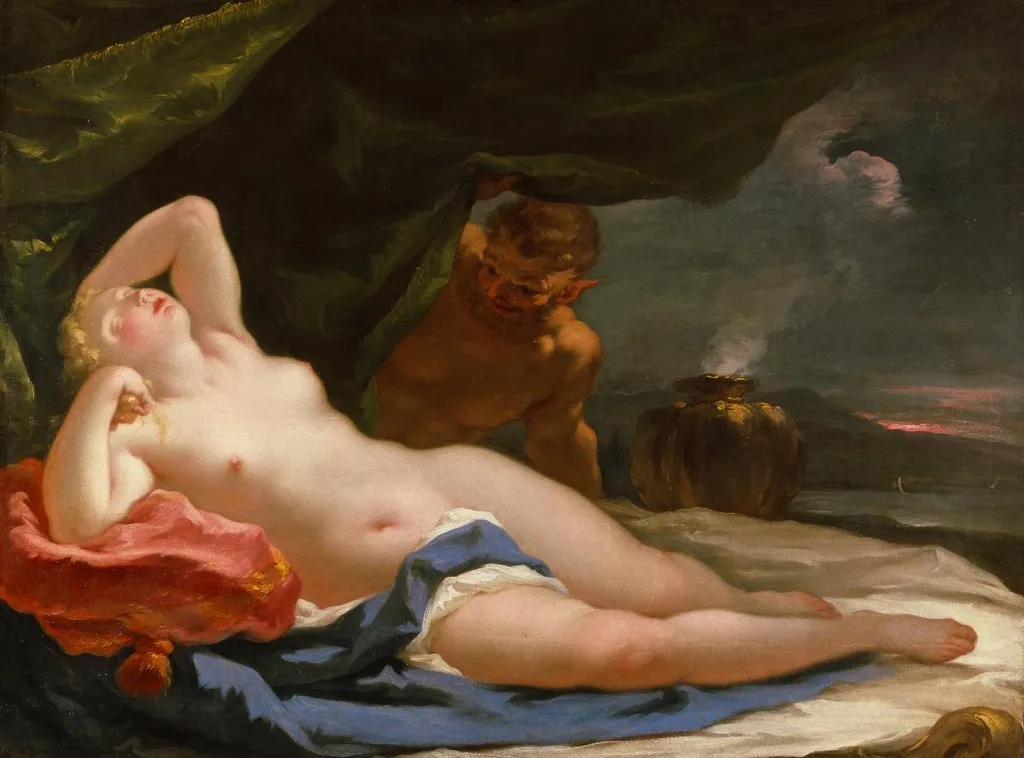
Venere e un Satiro is an oil painting by Giovanni Antonio Pellegrini. It dates from 1720 and is held in the collection of the Kunsthaus Zürich.
About this work
Overview
Painted in 1720 by Giovanni Antonio Pellegrini, *Venere e un Satiro* is an oil-on-canvas work that captures a mythological encounter between Venus and a satyr.
Painted in 1720 by Giovanni Antonio Pellegrini, *Venere e un Satiro* is an oil-on-canvas work that captures a mythological encounter between Venus and a satyr. Pellegrini, a Venetian artist known for his international commissions, synthesized elements from Renaissance and Baroque traditions to craft this intimate scene. The painting is now part of the Kunsthaus Zürich collection, reflecting its enduring presence in European art holdings.
Subject & Meaning
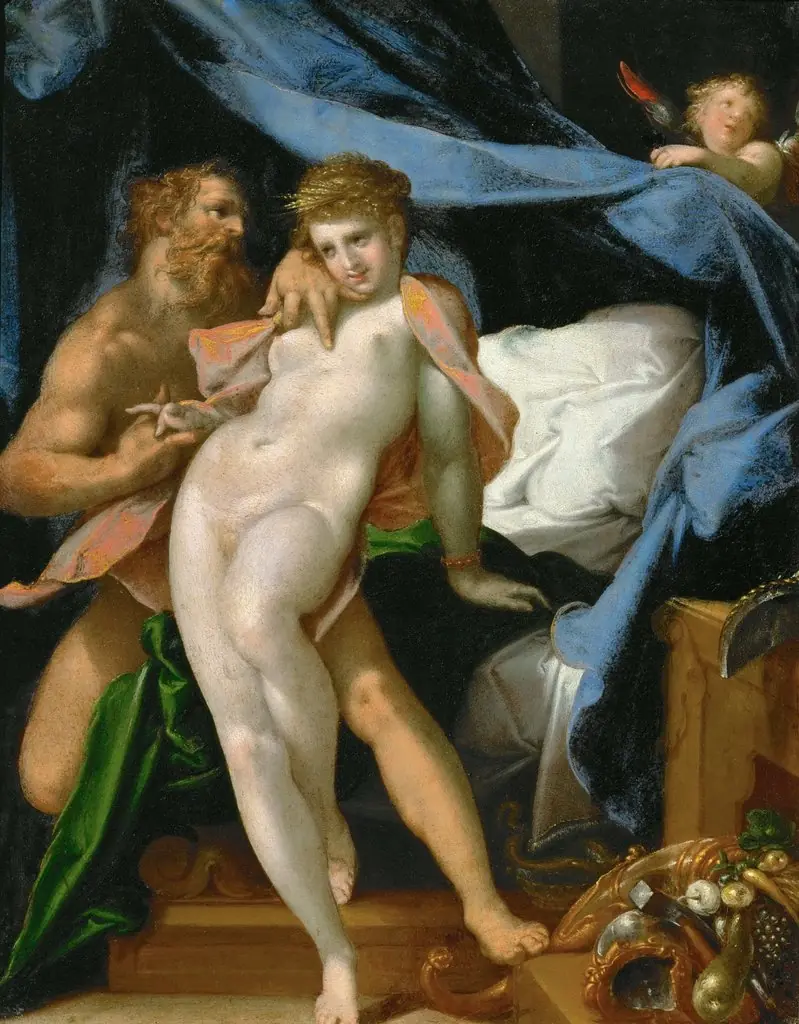
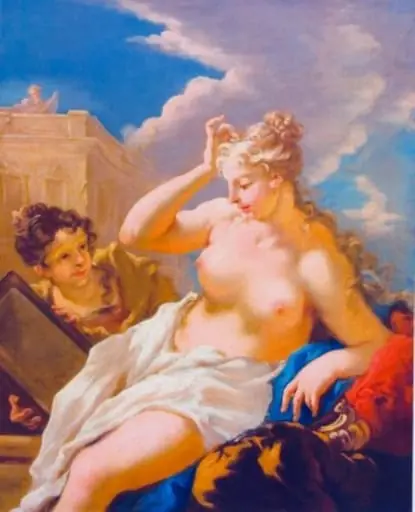
The scene portrays Venus reclining nude, her posture relaxed and composed, while a satyr looms behind her, partially obscured by drapery. His furrowed brow and tense grip suggest agitation or desire, contrasting with her calm detachment. The small objects they hold remain ambiguous, possibly symbols of fertility or temptation. The composition evokes classical myth without narrative clarity, inviting contemplation rather than storytelling.
Technique & Style
Pellegrini employs chiaroscuro to model the figures against a dark, atmospheric background, enhancing the three-dimensionality of Venus’s form. The palette favors muted pinks and purples in the distance, grounding the scene in shadowy depth. Brushwork is fluid yet controlled, echoing Veronese’s colorism and the dynamic energy of Baroque masters like Giordano, while avoiding overt theatricality.
History & Provenance
Created during Pellegrini’s period of extensive travel across Europe, the painting reflects his exposure to diverse artistic currents. It likely originated as a private commission, given its intimate scale and mythological theme. The work entered the Kunsthaus Zürich collection in the 19th century, where it has remained since, documented in institutional records without significant gaps in ownership.
Context
In early 18th-century Venice, mythological subjects remained popular among collectors seeking refined, sensual imagery. Pellegrini’s style bridged the grandeur of High Baroque and the elegance of Venetian colorism, appealing to patrons across Italy, France, and Germany. This painting aligns with a trend toward private, contemplative mythologies rather than public allegories.
Legacy
Though not widely exhibited, *Venere e un Satiro* exemplifies Pellegrini’s ability to merge narrative subtlety with technical mastery. It stands as a quiet testament to the transnational exchange of artistic ideas in the early Enlightenment, preserving the nuanced interplay between classical myth and contemporary sensibility in Venetian painting.
Artist & collection
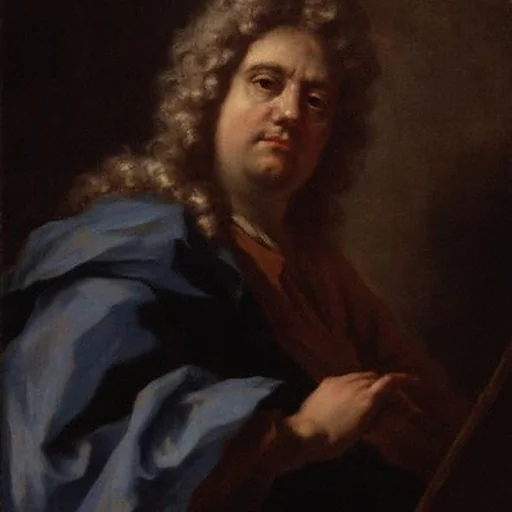
Artist
Giovanni Antonio Pellegrini (29 April 1675 – 2 or 5 November 1741) was one of the leading Venetian history painters of the early 18th century.

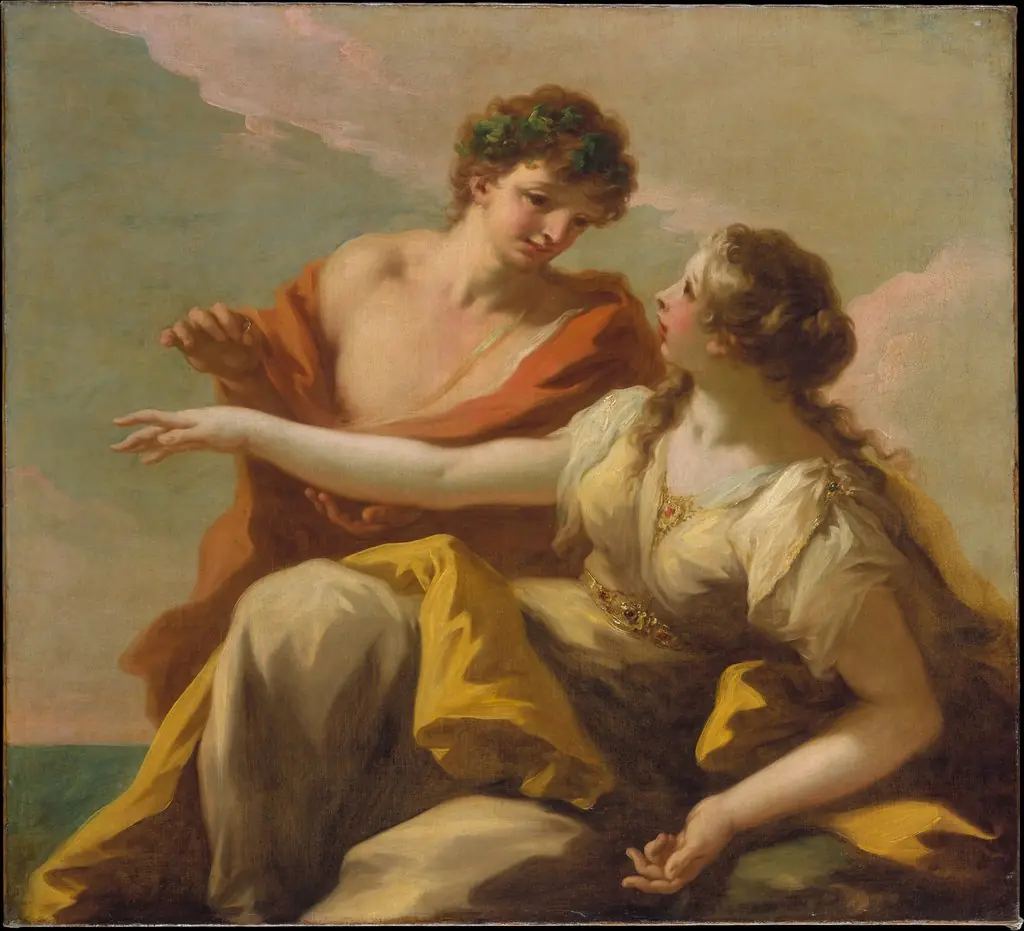 Bacchus and Ariadne
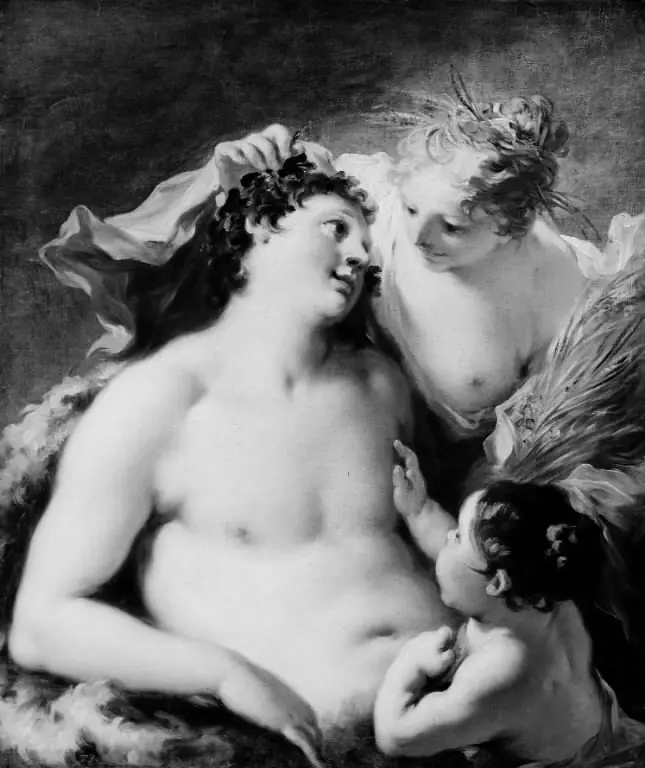 Ceres, Bacchus and Cupid
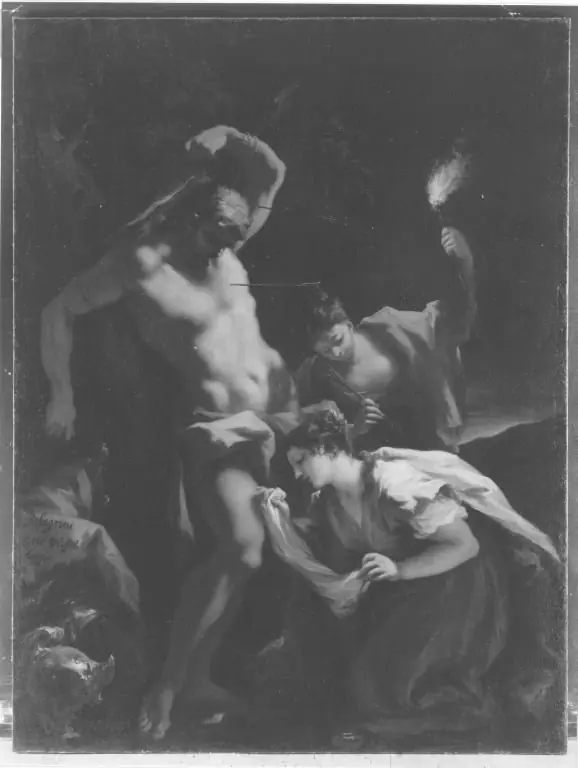 Rettung des hl. Sebastian durch Irene
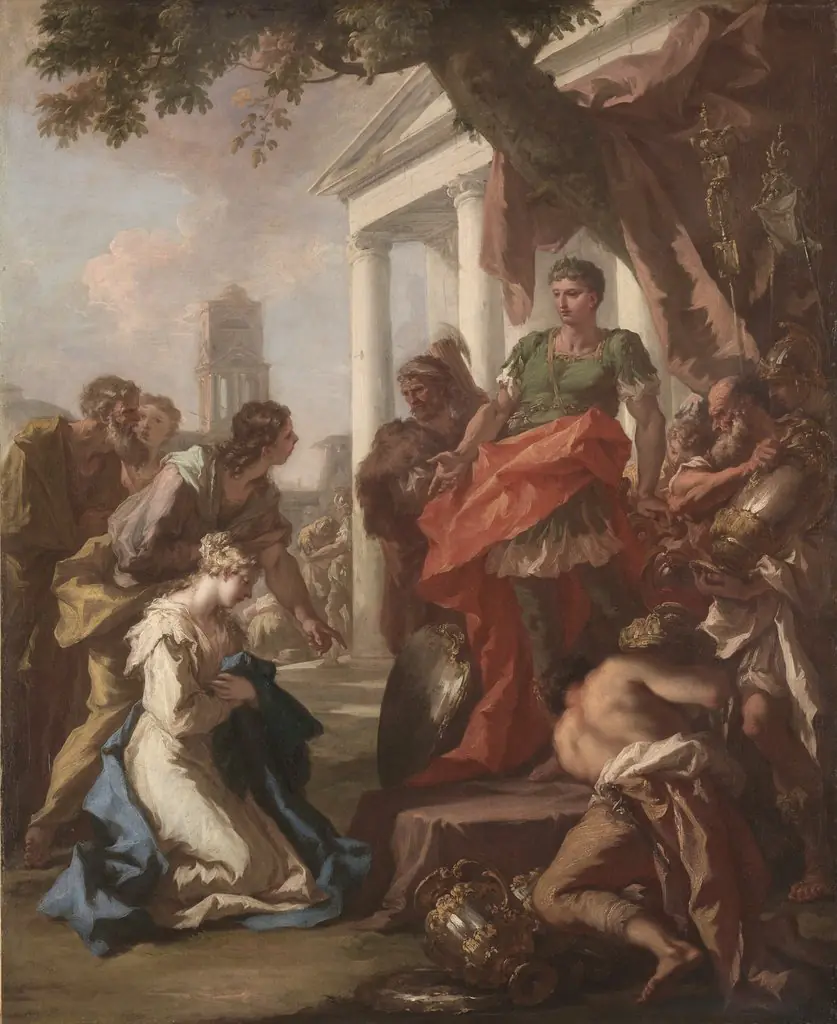 The Continence of Scipio
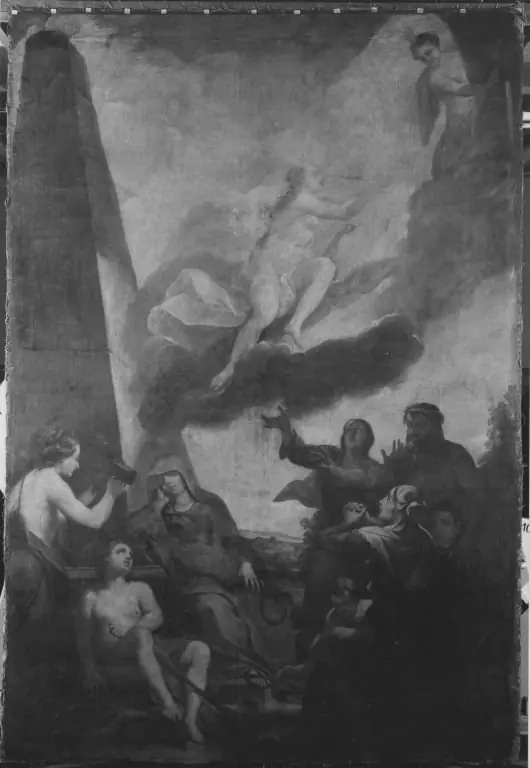 Allegorie auf den Tod einer Fürstin
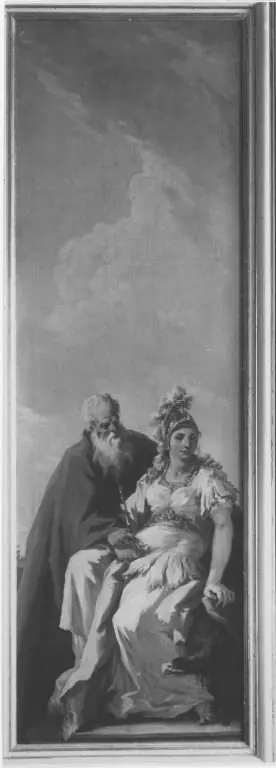 Allegorie: Ein alter Mann ergreift das Szepter
 Begrüßung der Kurfürstin Maria Luisa von Toskana
 Allegorie der Befreiung vom Joch des Islam (Frieden und Glück unter Johann Wilhelm von der Pfalz)