Artwork
Lepäävä Diana
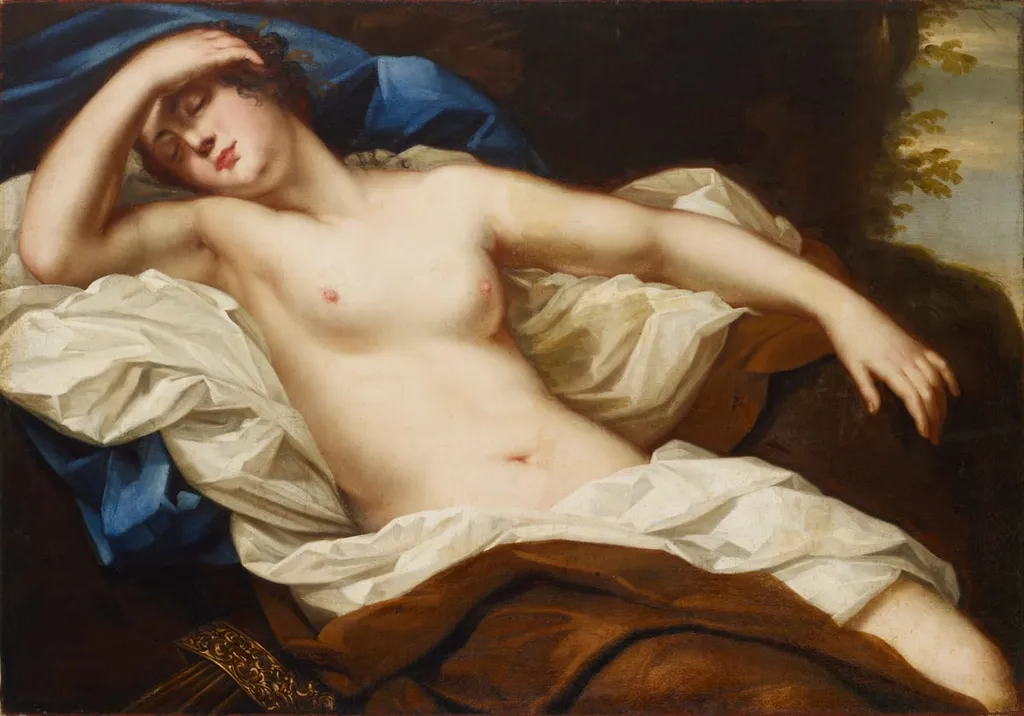
Lepäävä Diana is an unspecified painting by the Rococo painting artist David Klöcker Ehrenstrahl. It is held in the collection of the Finnish National Gallery.
About this work
Overview
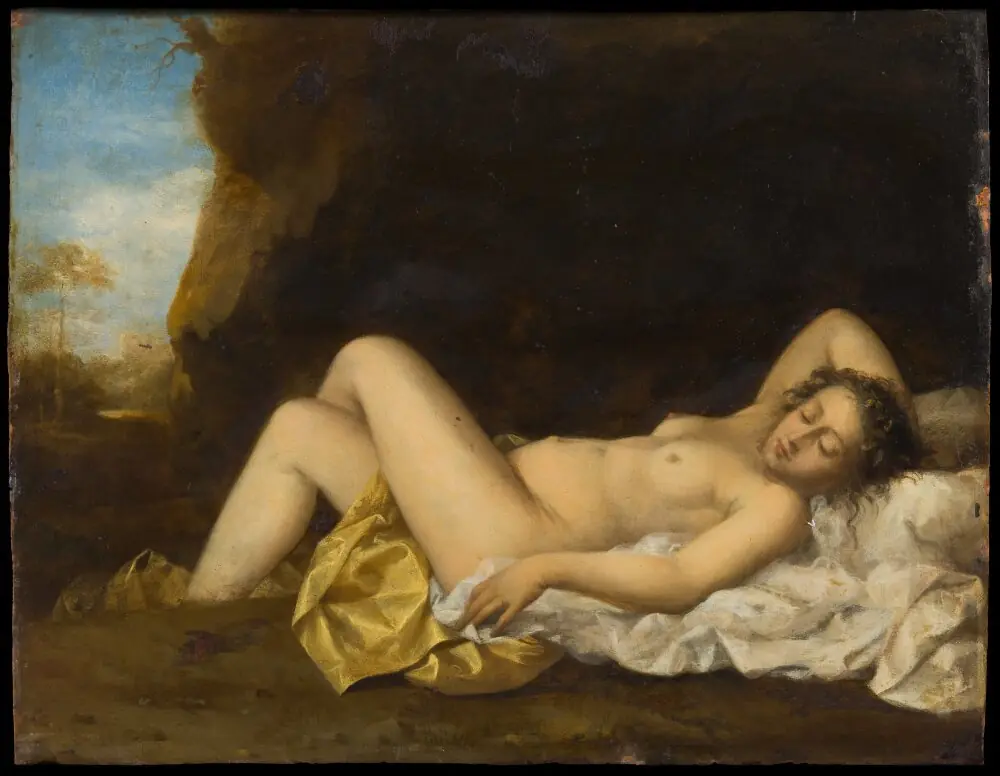
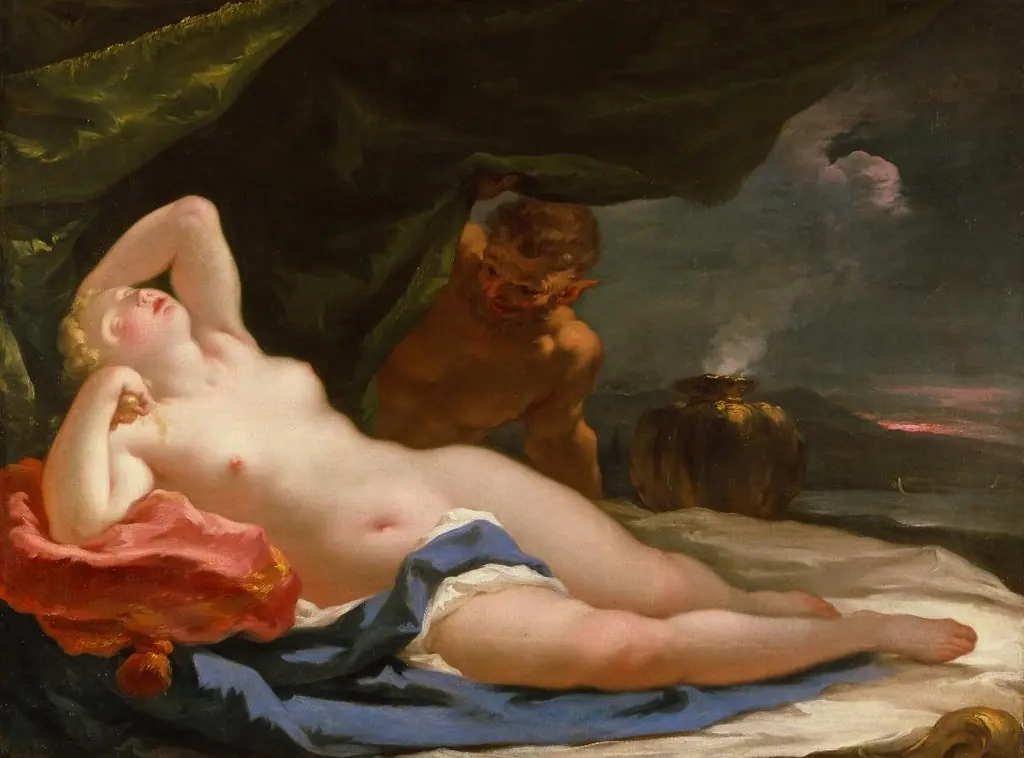
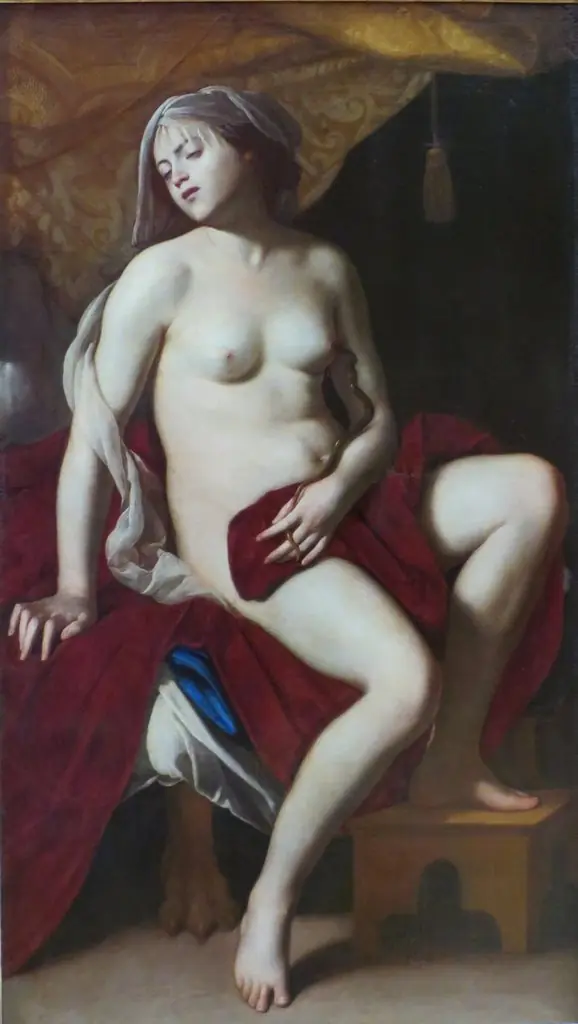
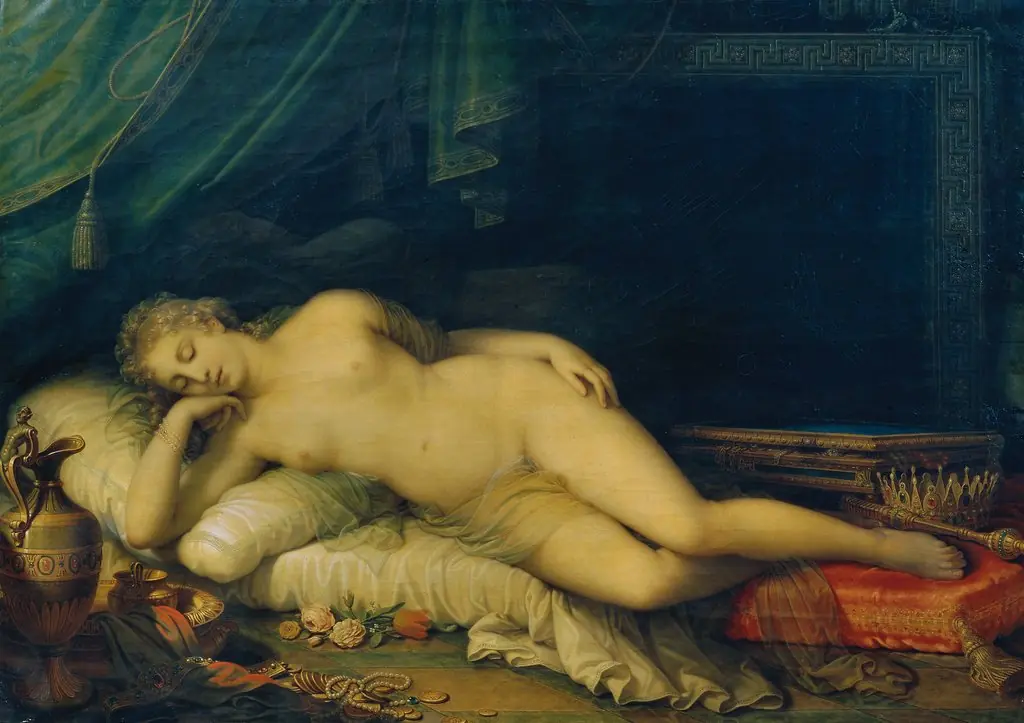
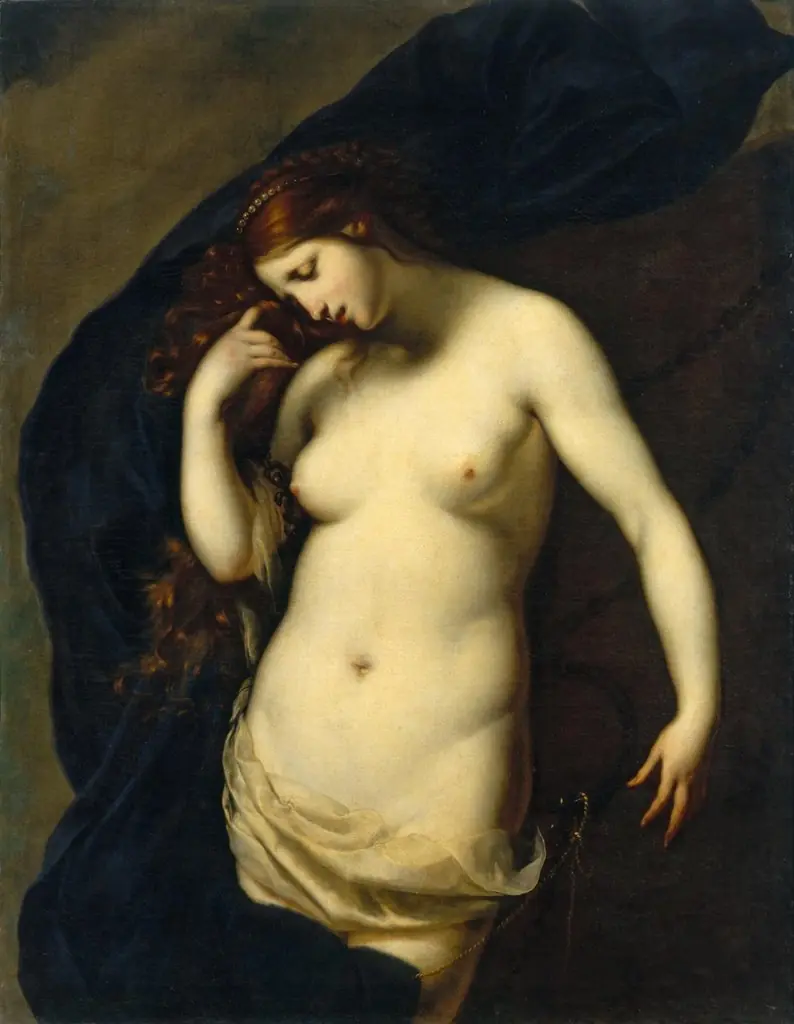
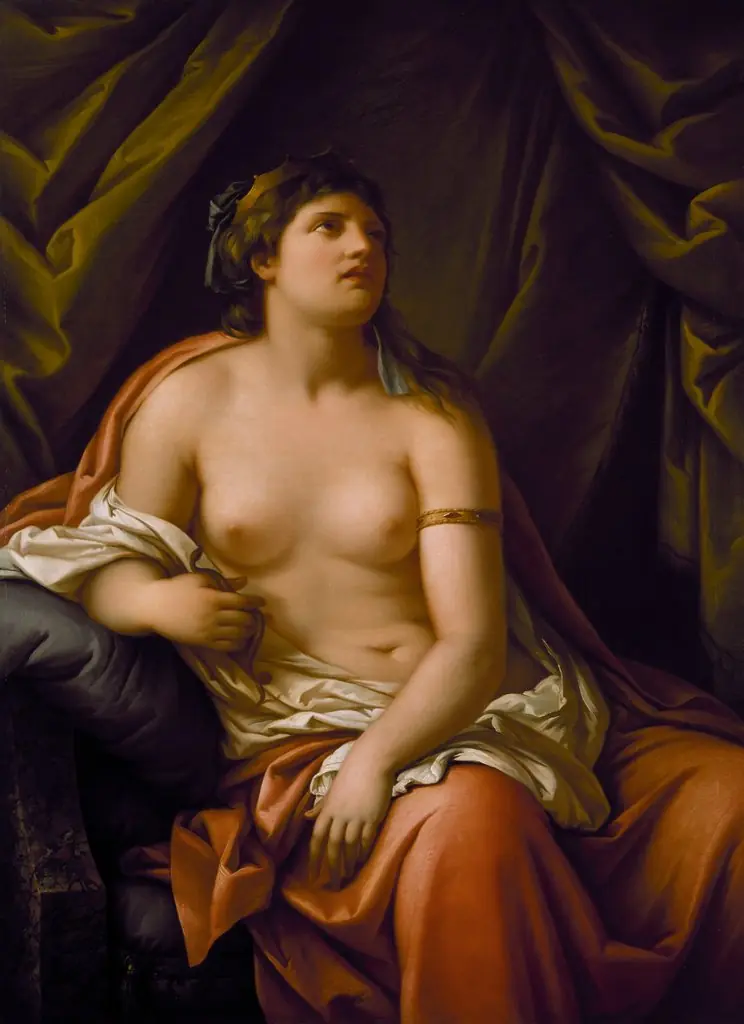
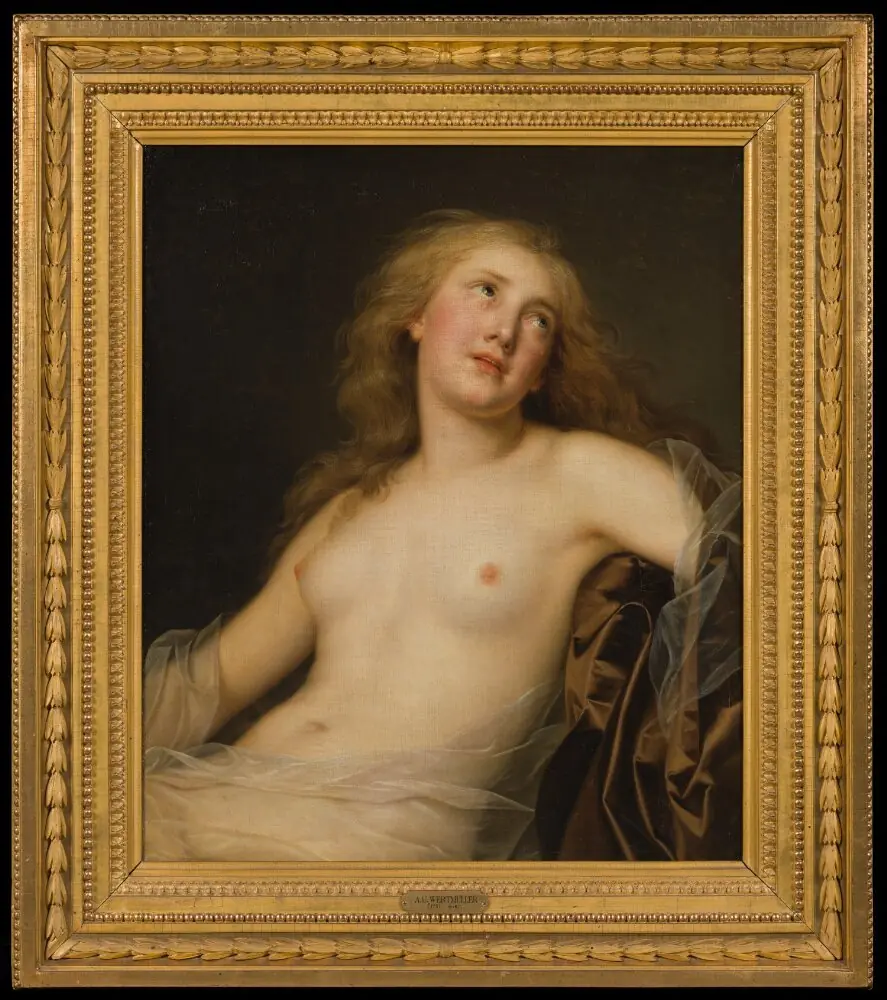
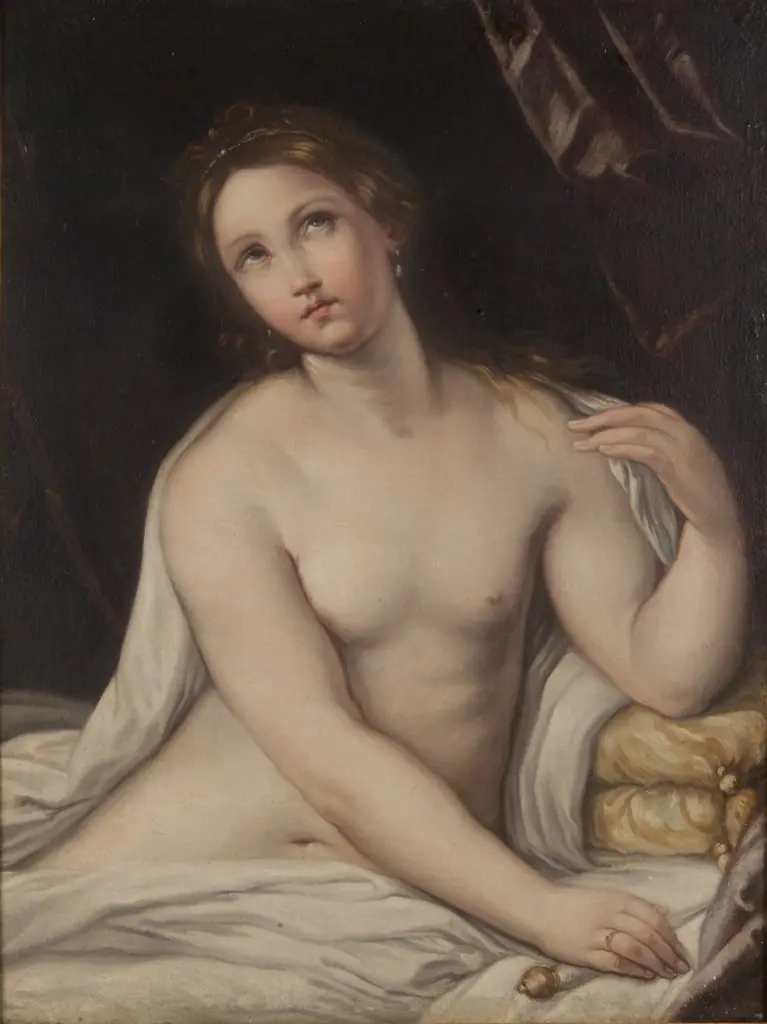
Lepäävä Diana is a mythological portrait by Swedish court painter David Klöcker Ehrenstrahl, depicting the Roman goddess Diana in a moment of repose.
Lepäävä Diana is a mythological portrait by Swedish court painter David Klöcker Ehrenstrahl, depicting the Roman goddess Diana in a moment of repose. Executed in oil on canvas, the work blends classical subject matter with the refined aesthetics of 17th-century Nordic court art. The composition centers on a reclining female figure, rendered with attention to anatomical grace and atmospheric lighting.
Subject & Meaning
The figure represents Diana, goddess of the hunt and moon, shown not in action but in quiet solitude. Her pose, with one arm supporting her head and the other holding a golden fan, suggests leisure rather than vigilance. The inclusion of the fan, a symbol of refinement, and the nocturnal garden imply a transition from the wild to the cultivated, reflecting ideals of noble tranquility in Baroque court culture.
Technique & Style
Ehrenstrahl employs chiaroscuro to model the figure’s form, using soft gradations of light to highlight the smoothness of the skin and the texture of fabric. The contrast between the illuminated body and the dim, wooded background enhances spatial depth. Brushwork is precise yet fluid, particularly in the rendering of the blanket and sheet, which drape naturally over the reclining form.
History & Provenance
Painted in the late 17th century, the work was likely commissioned for a Swedish noble or royal patron, consistent with Ehrenstrahl’s role as court painter to Queen Christina and later monarchs. It remained within Swedish collections for centuries, reflecting its status as a significant example of domestic Baroque art. Its title, Lepäävä Diana, is Finnish for 'Sleeping Diana,' indicating later Nordic reception.
Context
In the context of Swedish court culture, mythological subjects like Diana served to align the monarchy with classical ideals of virtue and beauty. Ehrenstrahl’s approach fused Italian Baroque influences with Northern European restraint, creating a style suited to Swedish tastes. The painting reflects a broader European trend of using mythology to convey moral and aesthetic values among the elite.
Legacy
Lepäävä Diana remains a key example of Swedish Baroque painting, illustrating how classical themes were adapted to local artistic sensibilities. It contributes to the understanding of how Nordic courts engaged with continental trends without fully adopting their flamboyance. The work is studied for its synthesis of light, form, and symbolism within a distinctly regional context.
Artist & collection
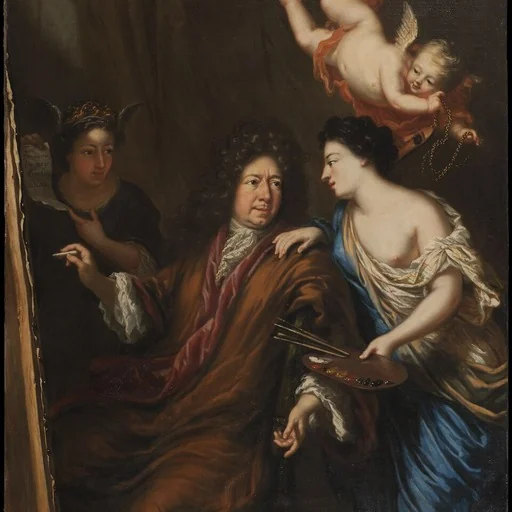
Artist
David Klöcker Ehrenstrahl (1628–1698) was an artist, born in Hamburg.

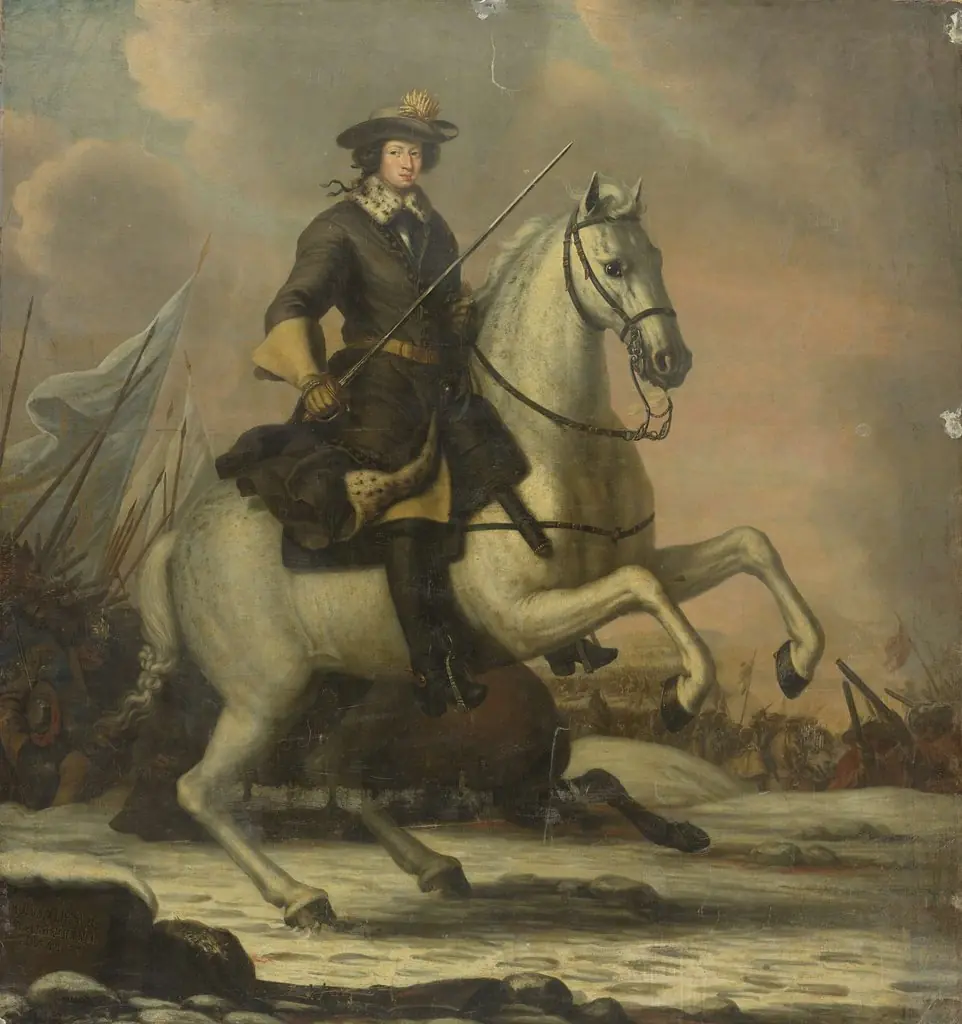 Karl XI (1665-1697), king of Sweden
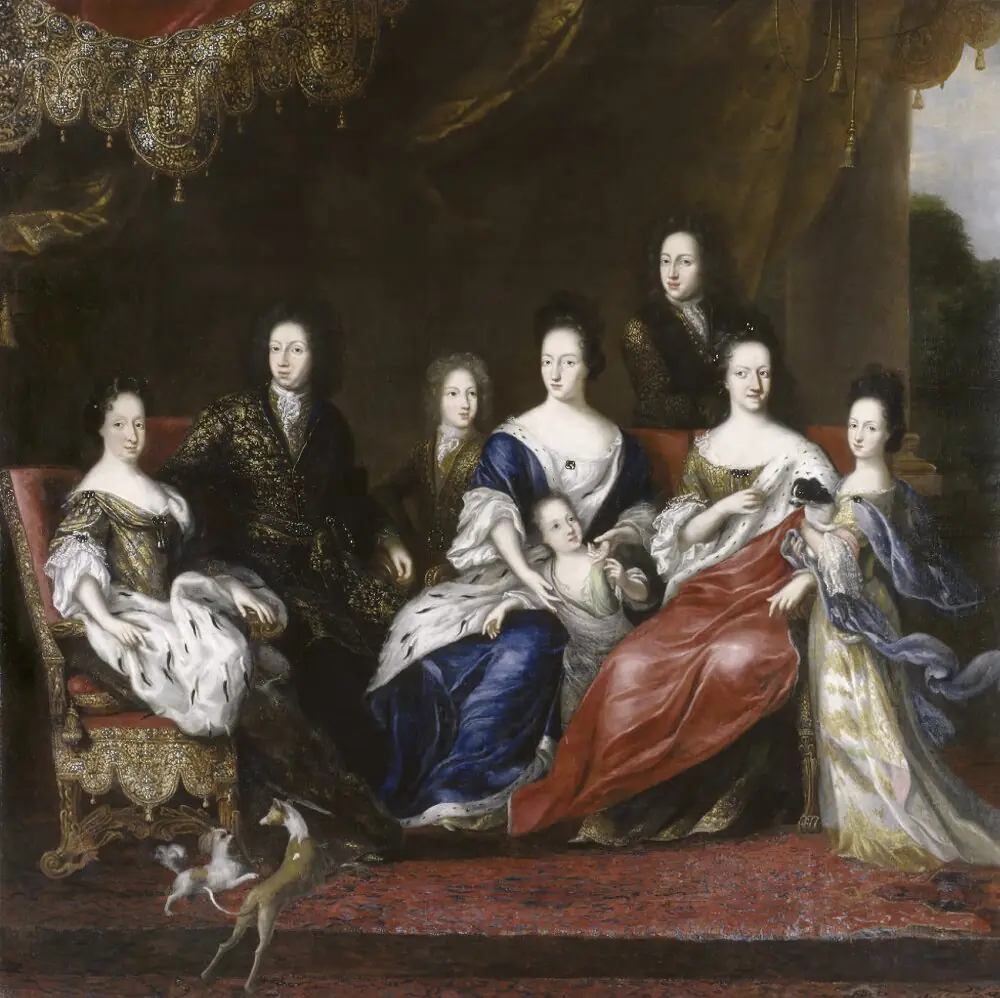 Karl XI konung av Sverige med familj
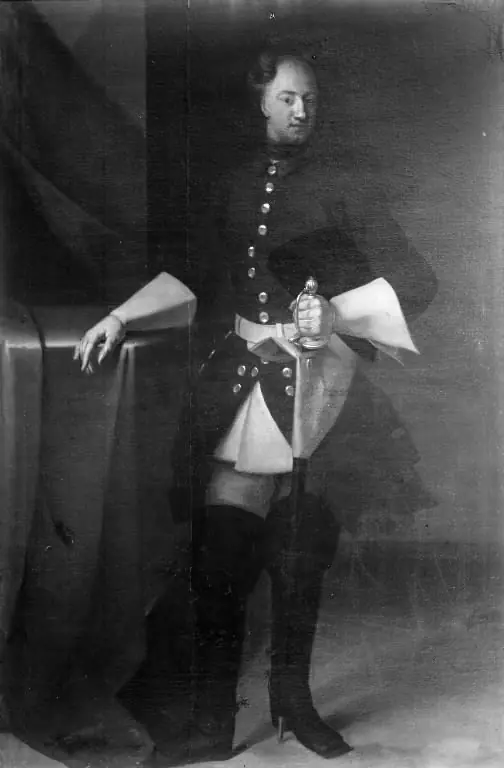 Portrait of Carl XII of Sweden
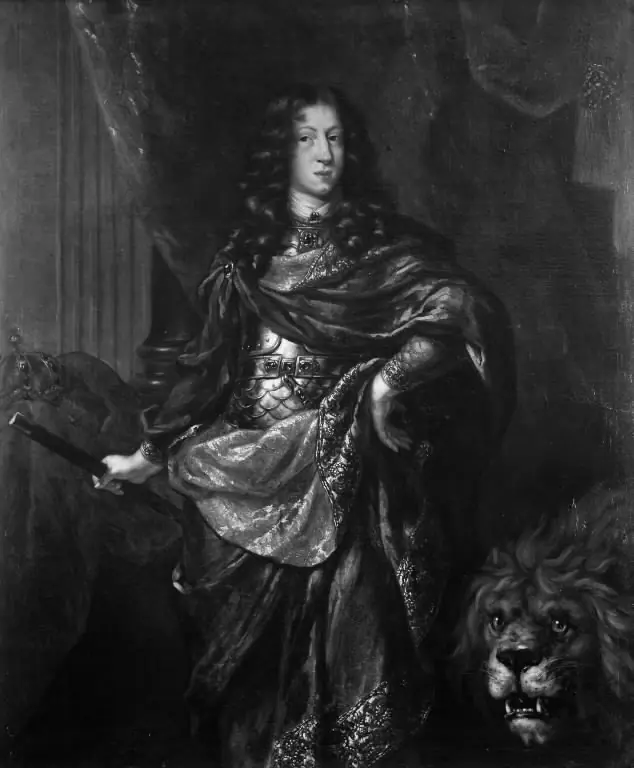 Portrait of Carl XI
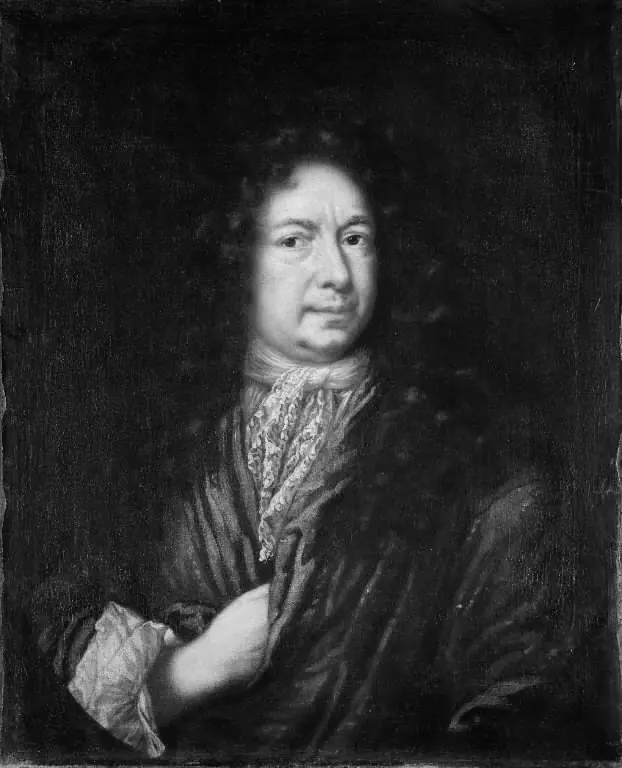 Portrait of the Artist
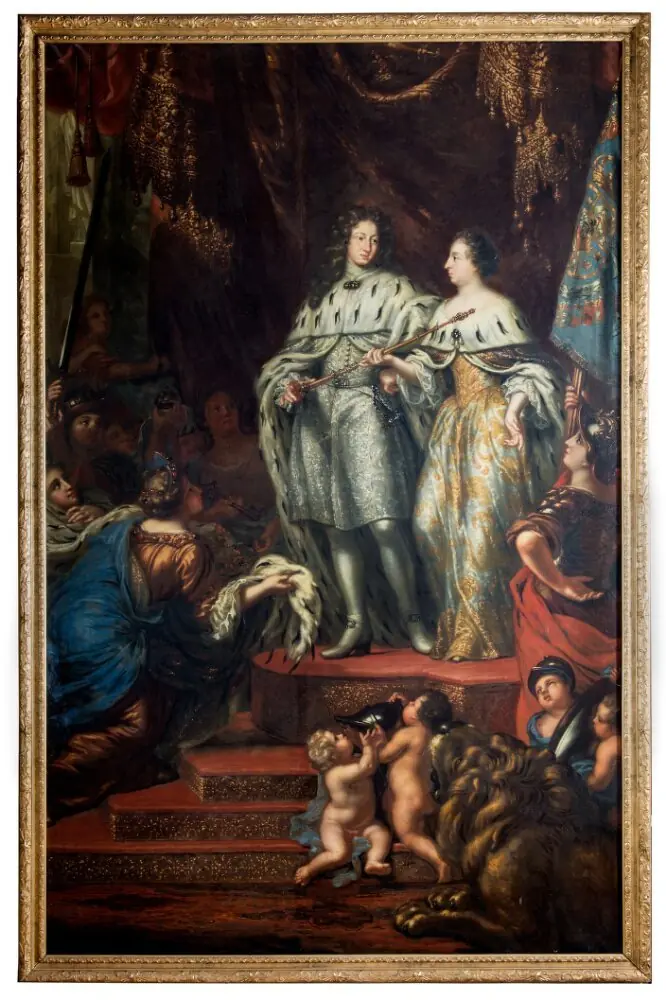 Allegori över hur konung Karl XI mottager regeringen av sin moder Hedvig Eleonora
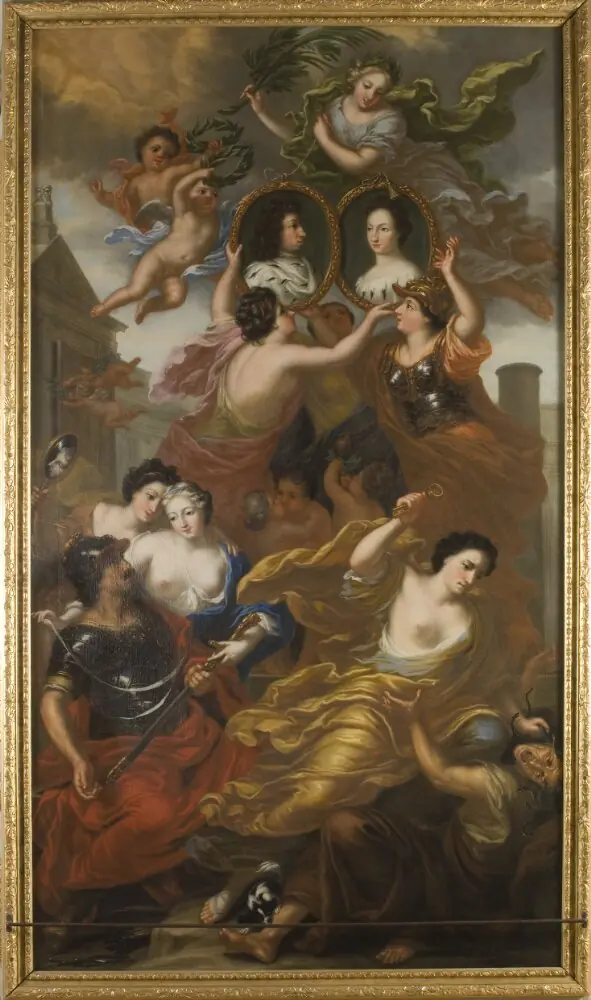 Allegori över konung Karl XI:s och drottning Ulrika Eleonoras förening
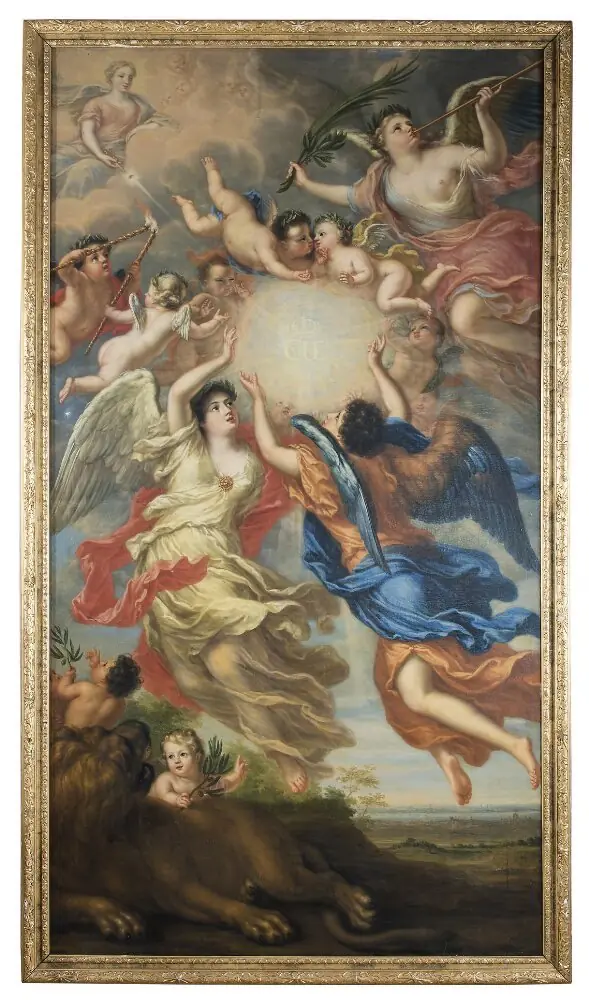 Allegori över konung Karl XI:s och drottning Ulrika Eleonoras förmälning