Artwork
The Three Maries at the Empty Sepulchre
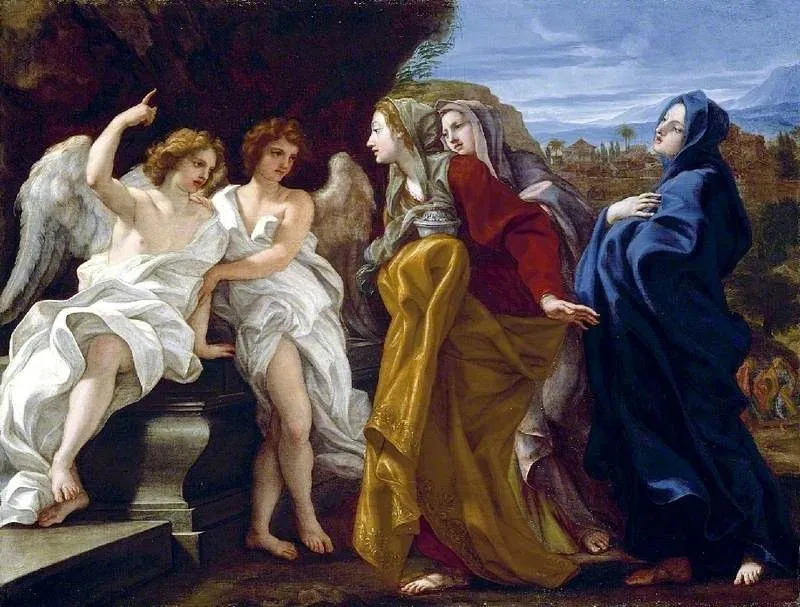
The Three Maries at the Empty Sepulchre is an oil painting by the High Baroque Italian artist Giovanni Battista Gaulli. It dates from 1692 and is held in the collection of the Fitzwilliam Museum.
About this work
Overview
Painted in 1692 by Giovanni Battista Gaulli, known as Baciccio, this oil-on-canvas work portrays a moment from the Resurrection narrative. Gaulli, a prominent Roman Baroque artist, applied his mastery of dramatic composition to a smaller-scale religious subject. The painting is part of the Fitzwilliam Museum’s collection, where it stands as a quiet counterpoint to his monumental ceiling frescoes.
Subject & Meaning
The scene captures the three Marys—Mary Magdalene, Mary of Clopas, and Mary Salome—discovering Christ’s empty tomb.
The scene captures the three Marys—Mary Magdalene, Mary of Clopas, and Mary Salome—discovering Christ’s empty tomb. A cherub hovers above, gesturing toward heaven, signaling divine presence and the promise of resurrection. The women’s postures convey shock and awe, emphasizing the mystery of the moment rather than overt emotion. The composition invites quiet reflection on the theological significance of the empty sepulchre.
Technique & Style
Gaulli employs rich, layered oil pigments to render fabric textures and atmospheric depth. The figures are arranged in a gentle arc around the tomb, creating a sense of intimate enclosure. Soft chiaroscuro models their forms, while the distant landscape recedes with delicate tonal gradations. The cherub’s dynamic gesture introduces movement without disrupting the scene’s solemn stillness, characteristic of Gaulli’s refined Baroque sensibility.
History & Provenance
Commissioned during Gaulli’s mature period, the painting likely originated in a private devotional context rather than a public church. It entered the Fitzwilliam Museum’s collection in the 19th century, having passed through several European private holdings. Its survival in relatively intact condition offers insight into the circulation of small-scale religious works among collectors beyond ecclesiastical patrons.
Context
In late 17th-century Rome, religious imagery remained central to artistic production, even as the Counter-Reformation’s fervor softened. Gaulli’s work here reflects a shift toward intimate, emotionally restrained depictions of sacred moments, balancing theatricality with contemplative calm. This piece aligns with broader trends in Catholic devotion that favored personal meditation over public spectacle.
Legacy
Though less known than his frescoes, this painting exemplifies Gaulli’s versatility and his ability to adapt grand Baroque principles to modest formats. It contributes to understanding how major artists of the period engaged with private piety. Its preservation in a major public collection ensures continued scholarly attention to the nuanced expression of faith in Baroque painting beyond monumental architecture.
Artist & collection
Artist
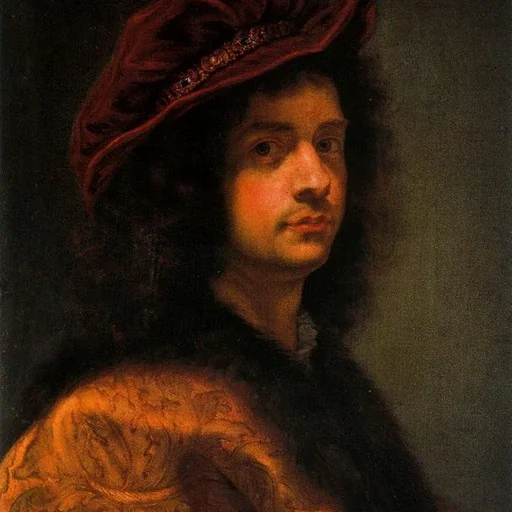
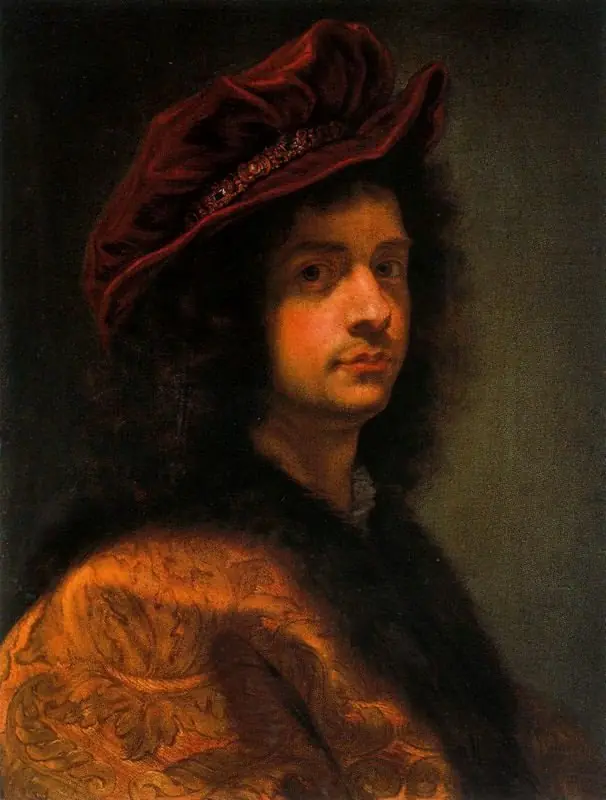
Giovanni Battista Gaulli (8 May 1639 – 2 April 1709), also known as Baciccio or Baciccia (Genoese nicknames for Giovanni Battista), was an Italian Baroque painter working in the High Baroque and early Rococo periods.

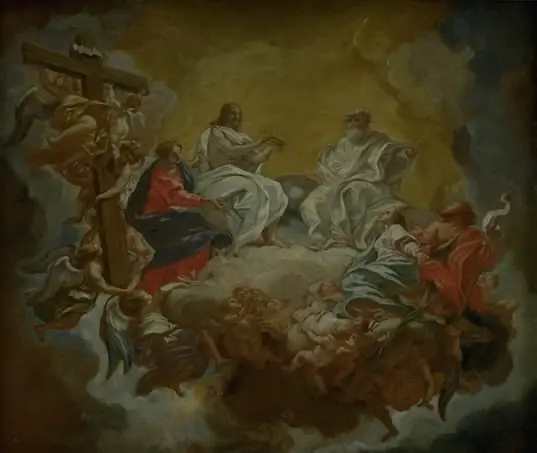
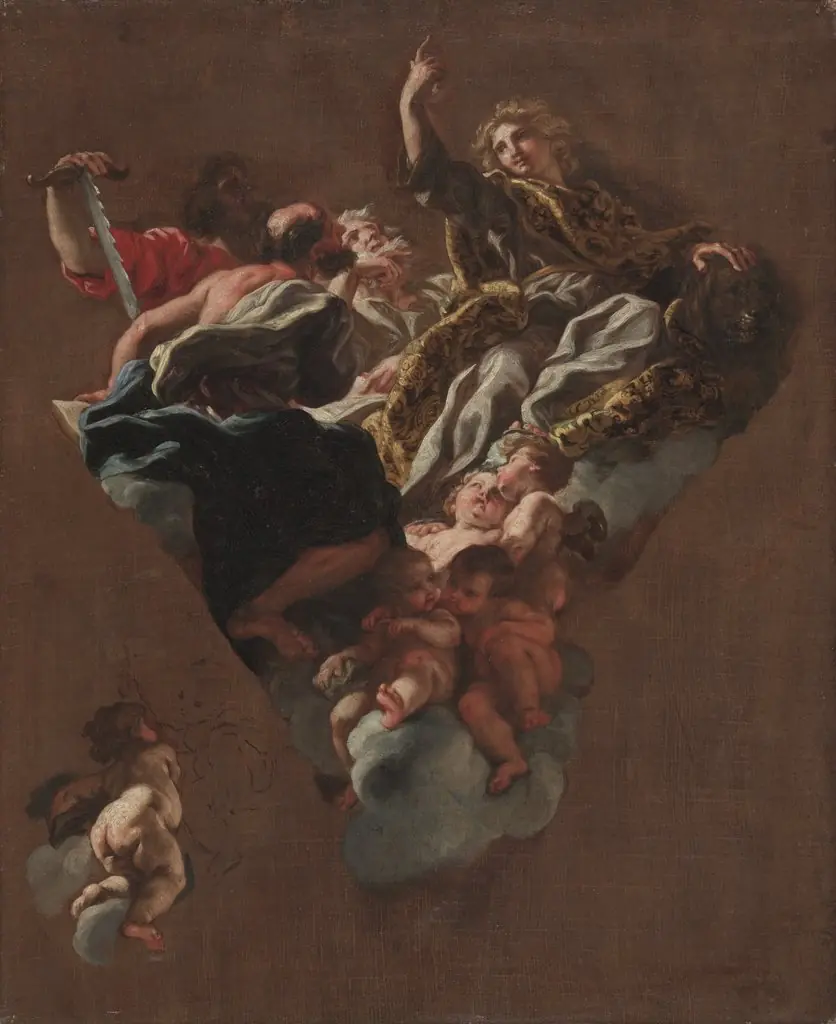
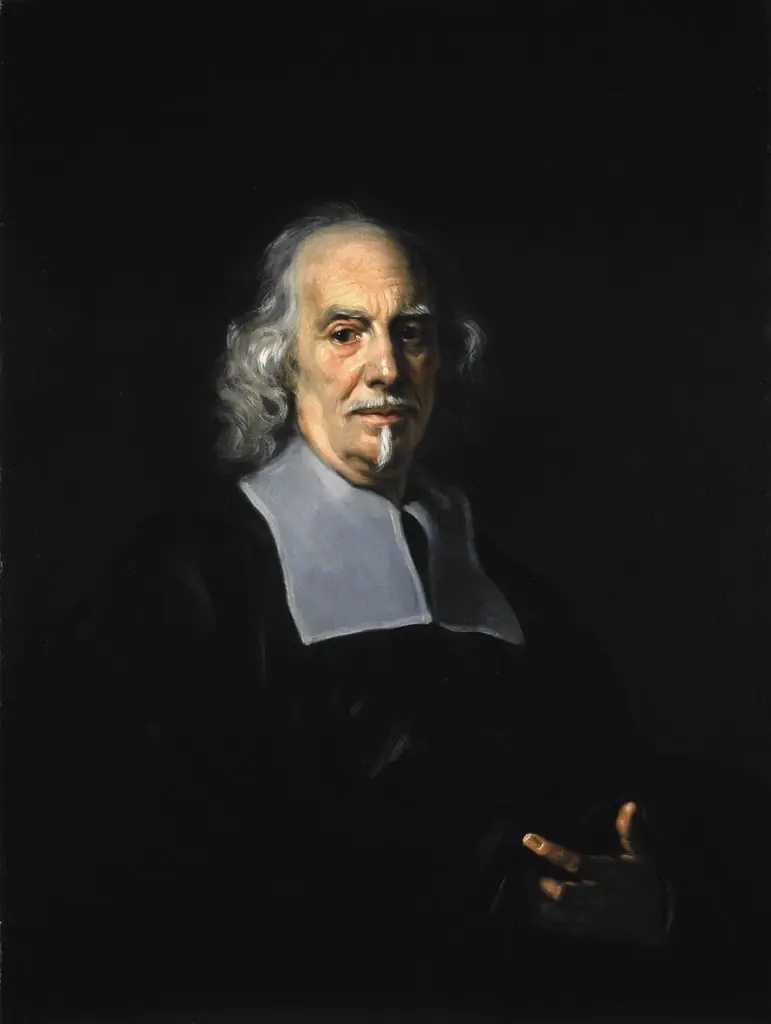
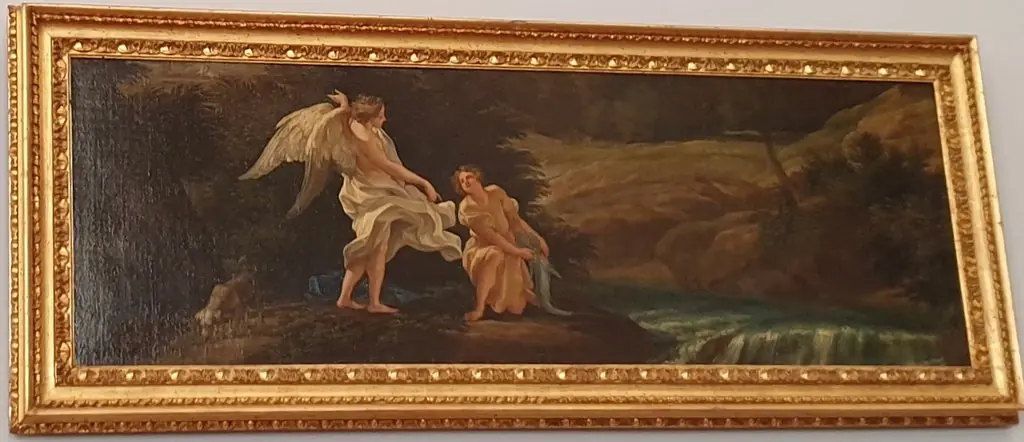
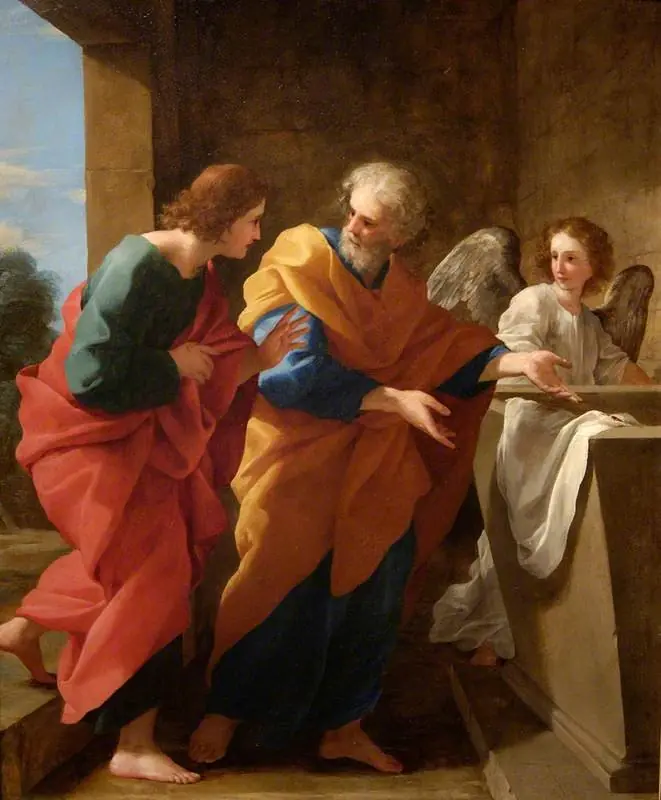 St John and St Peter at the empty tomb of Christ
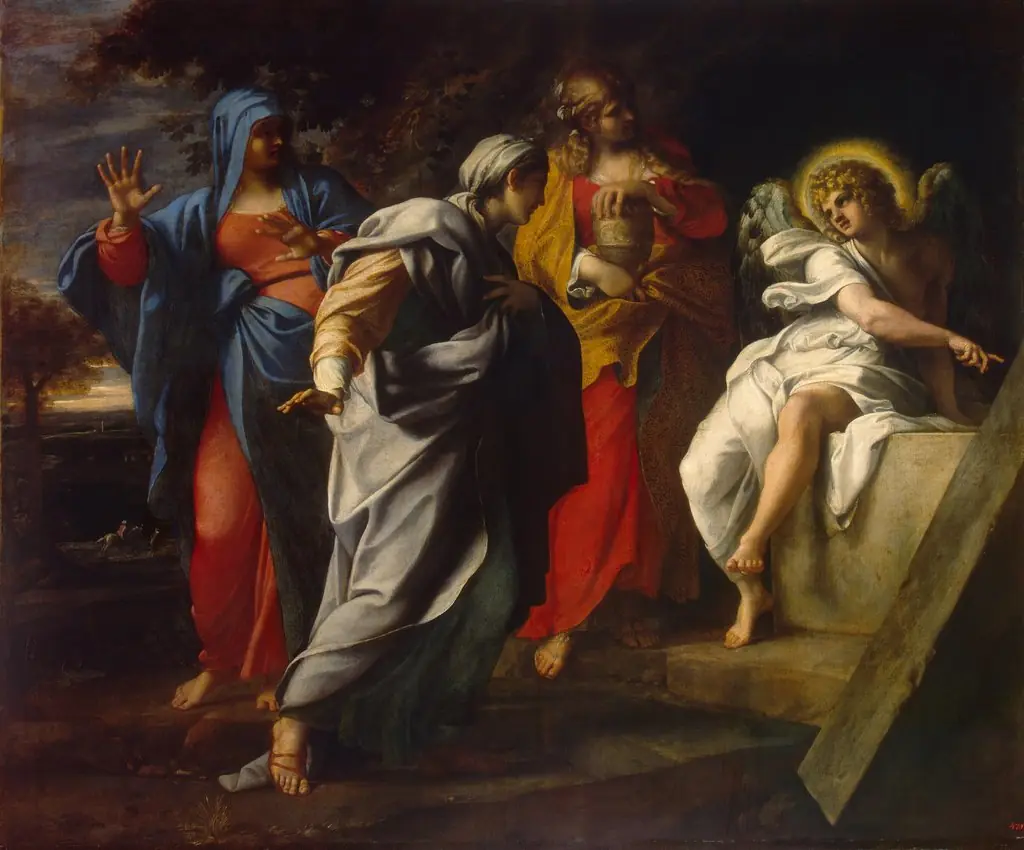 Holy Women at Christ' s Tomb
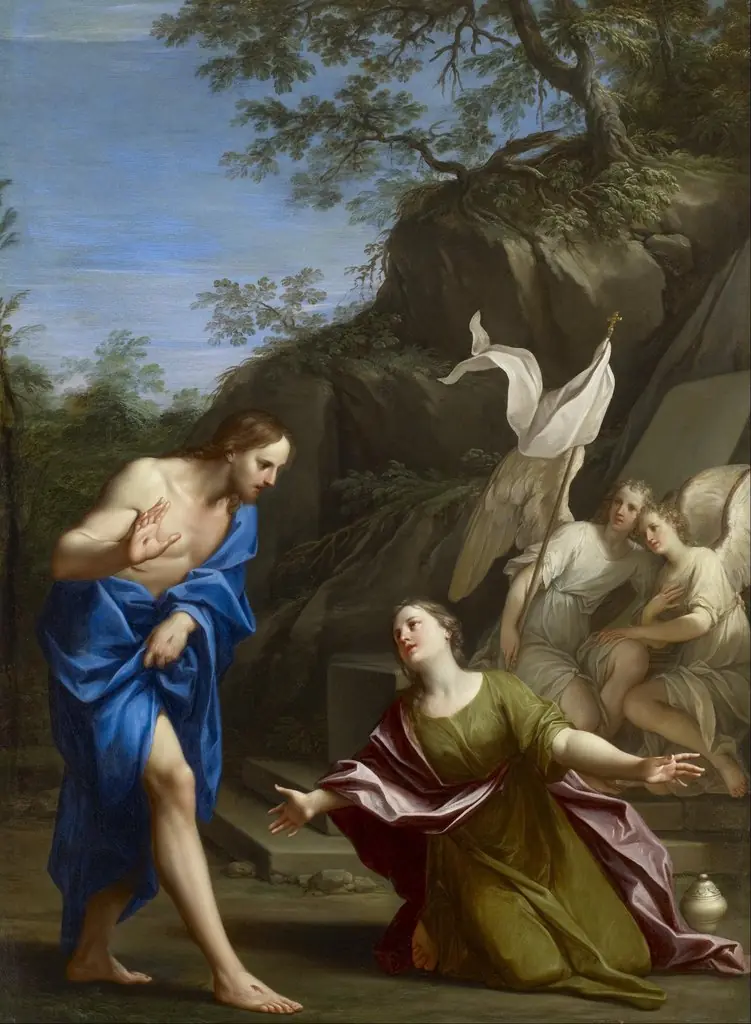 Noli Me Tangere ("Touch me not")
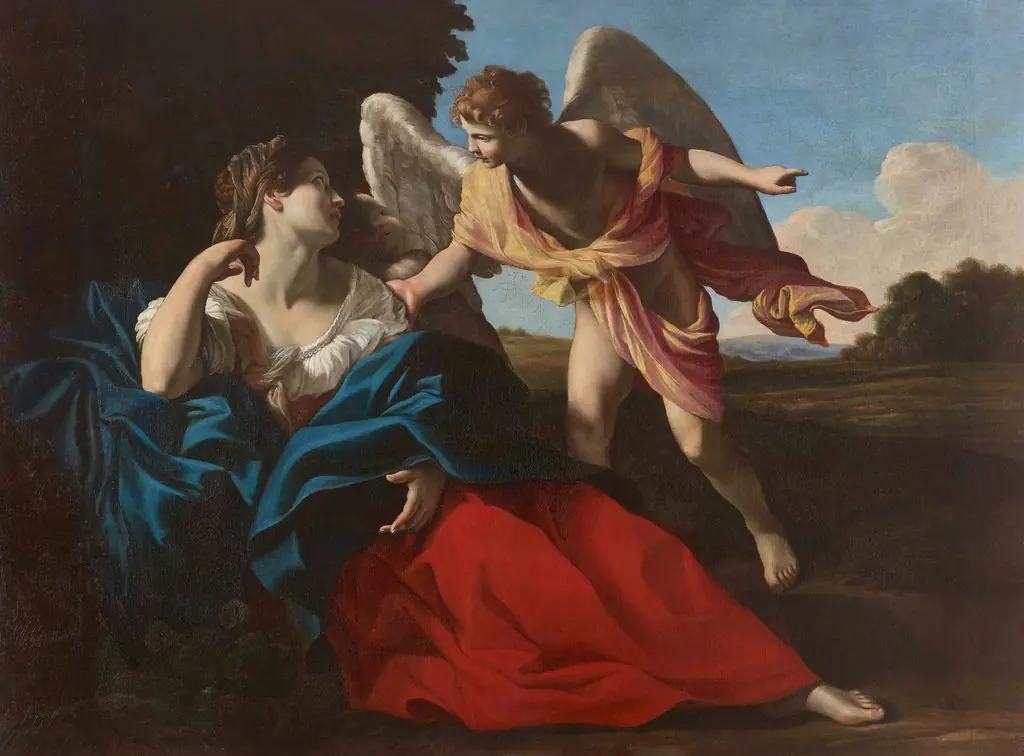 Hagar and the angel in the desert
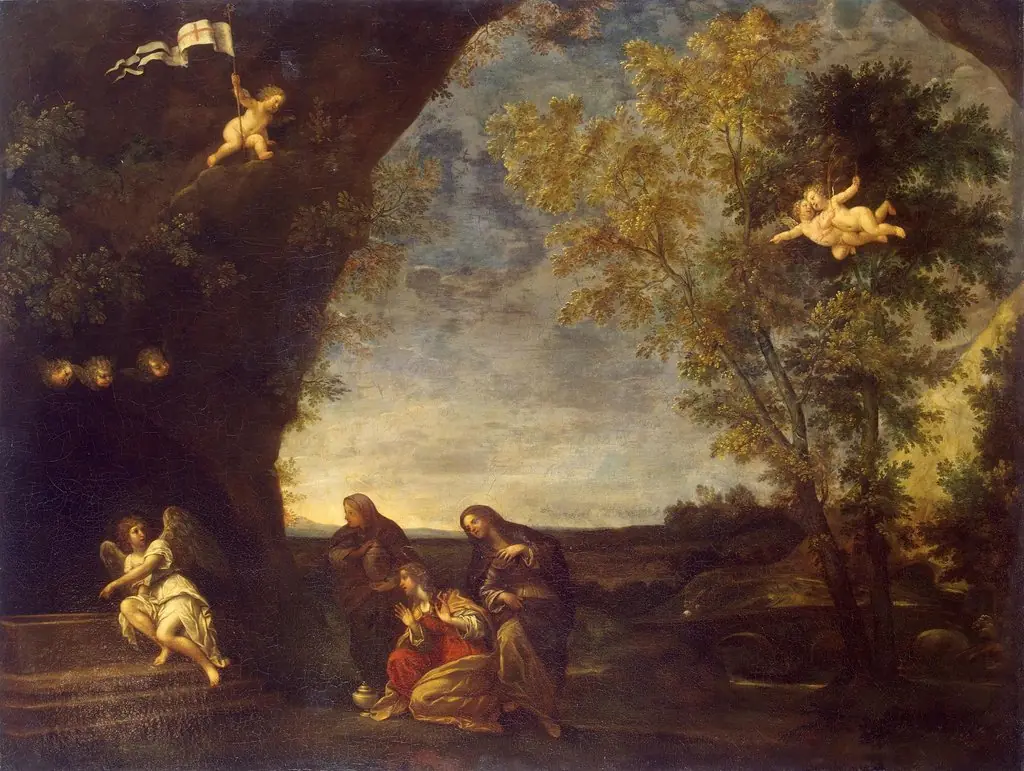 Holy Women at Christ's Tomb
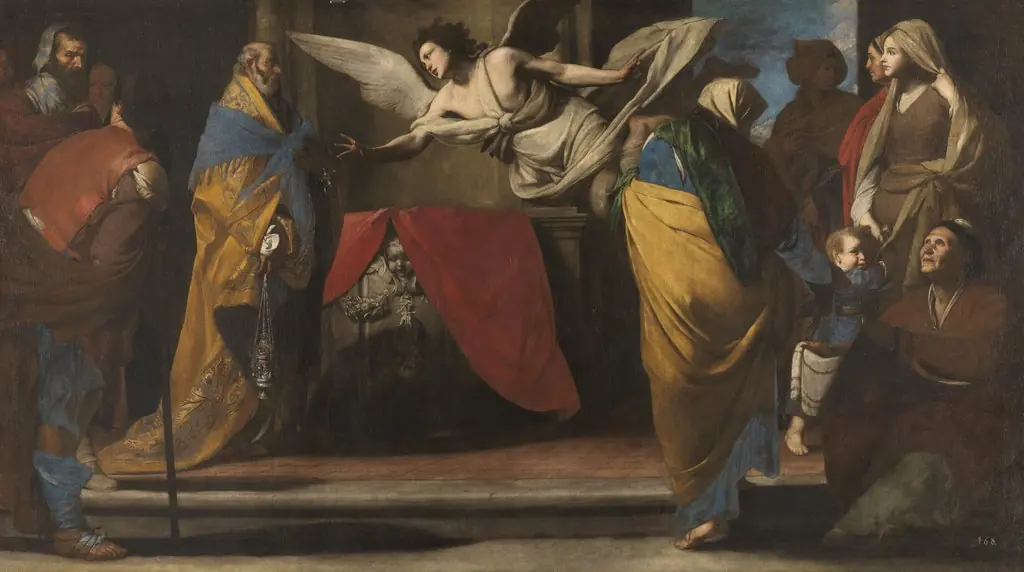 The Birth of John the Baptist announced to Zacharias
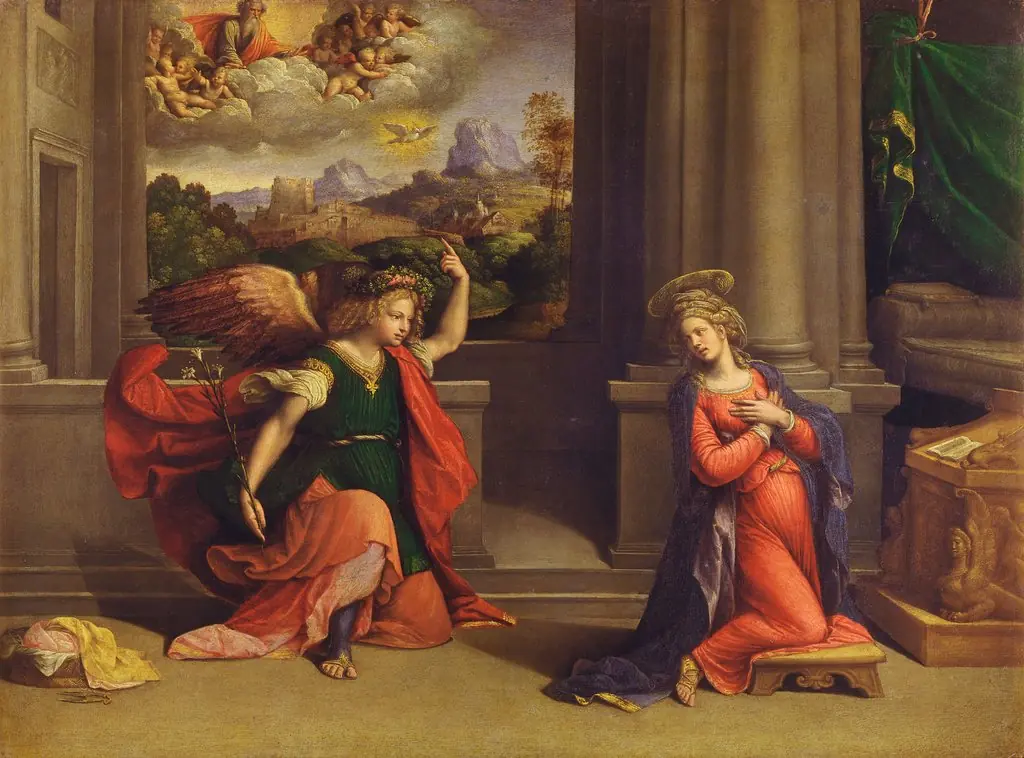 Annunciation
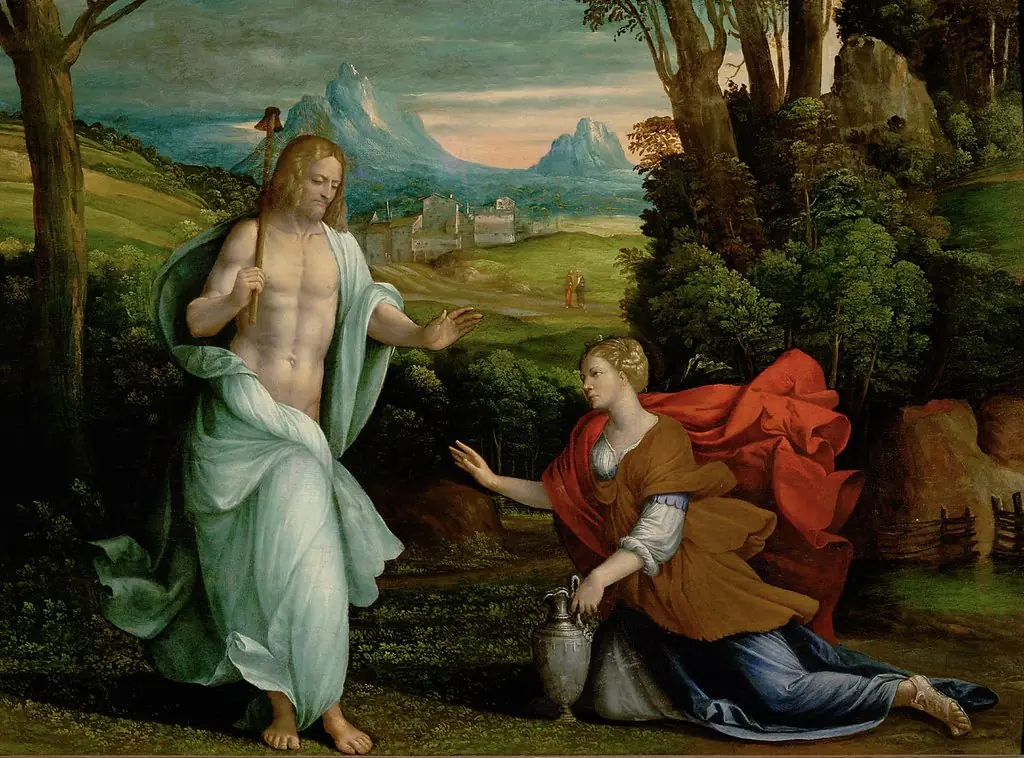 Noli me tangere
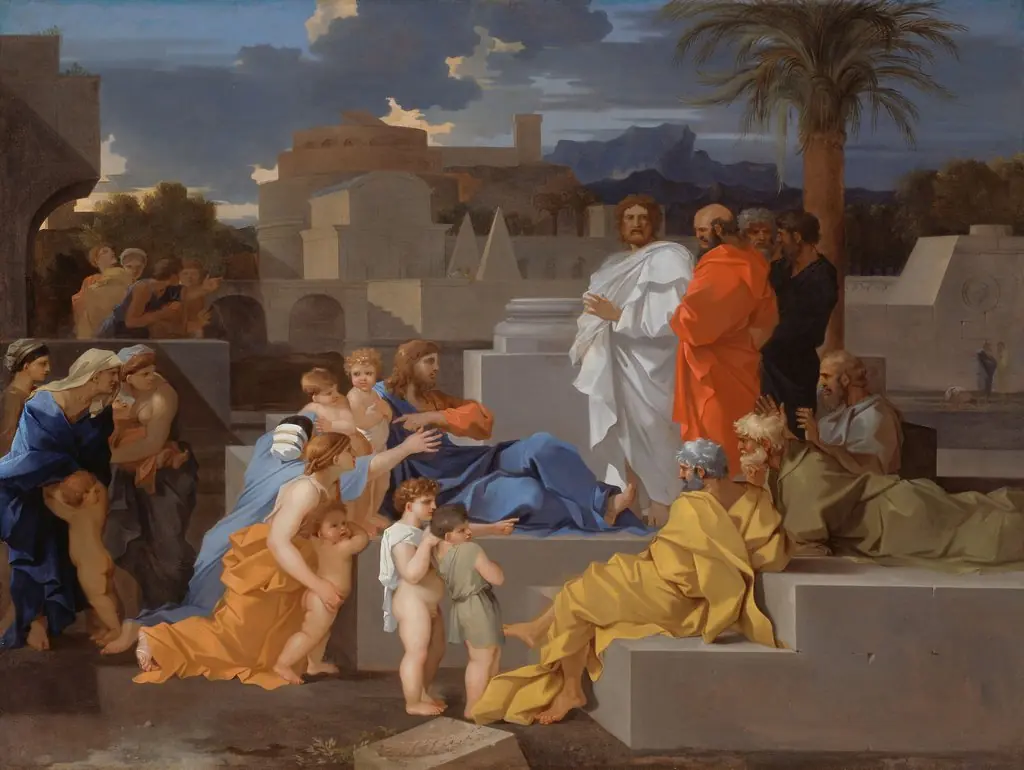 Christ Receiving the Children
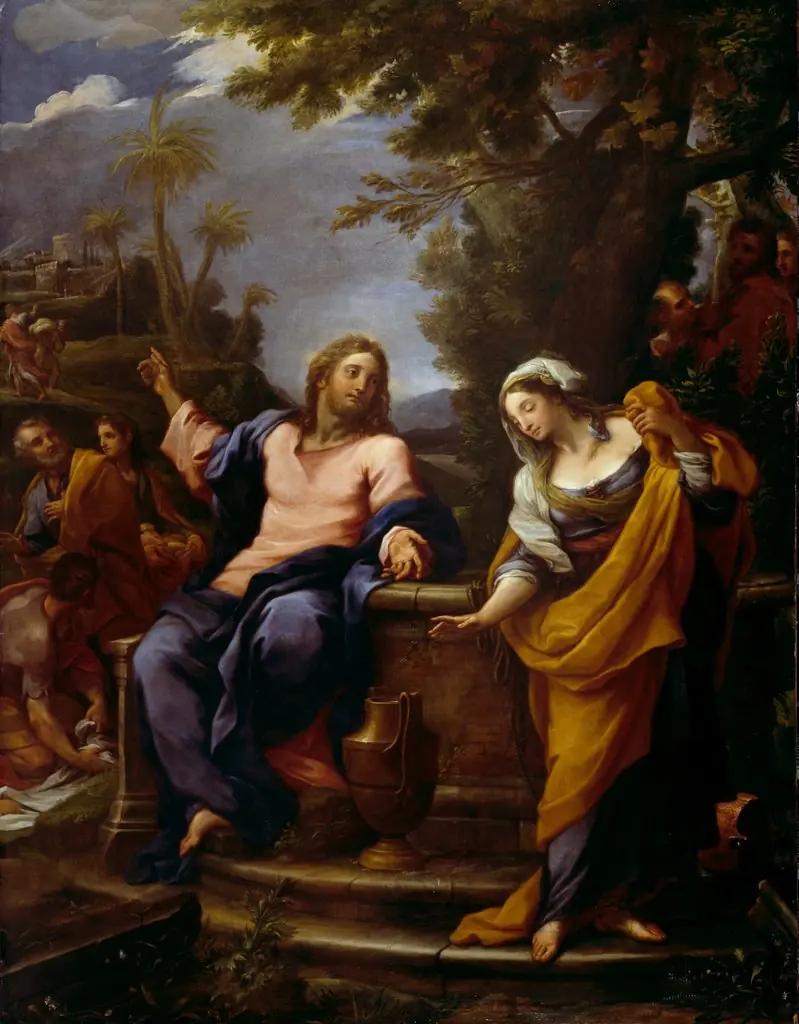 Christ and the Samaritan Woman
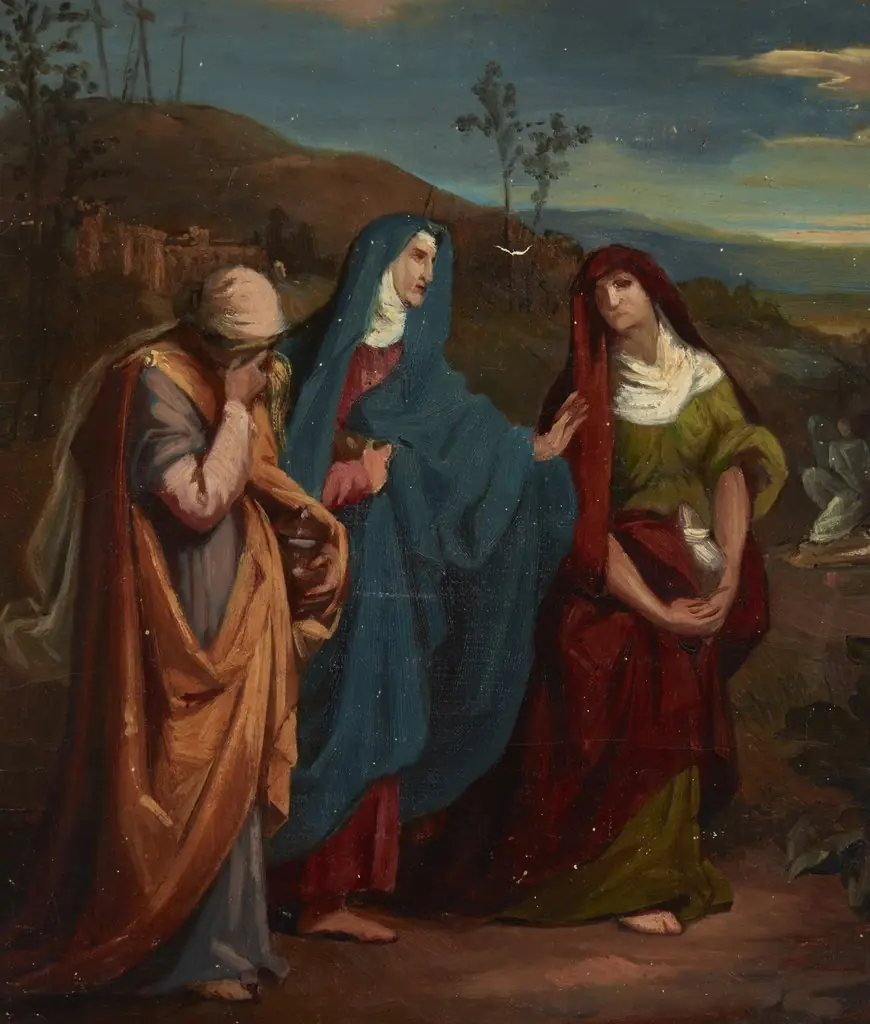 Sketch to the Painting "Three Marys Walking to Christ's Tomb "
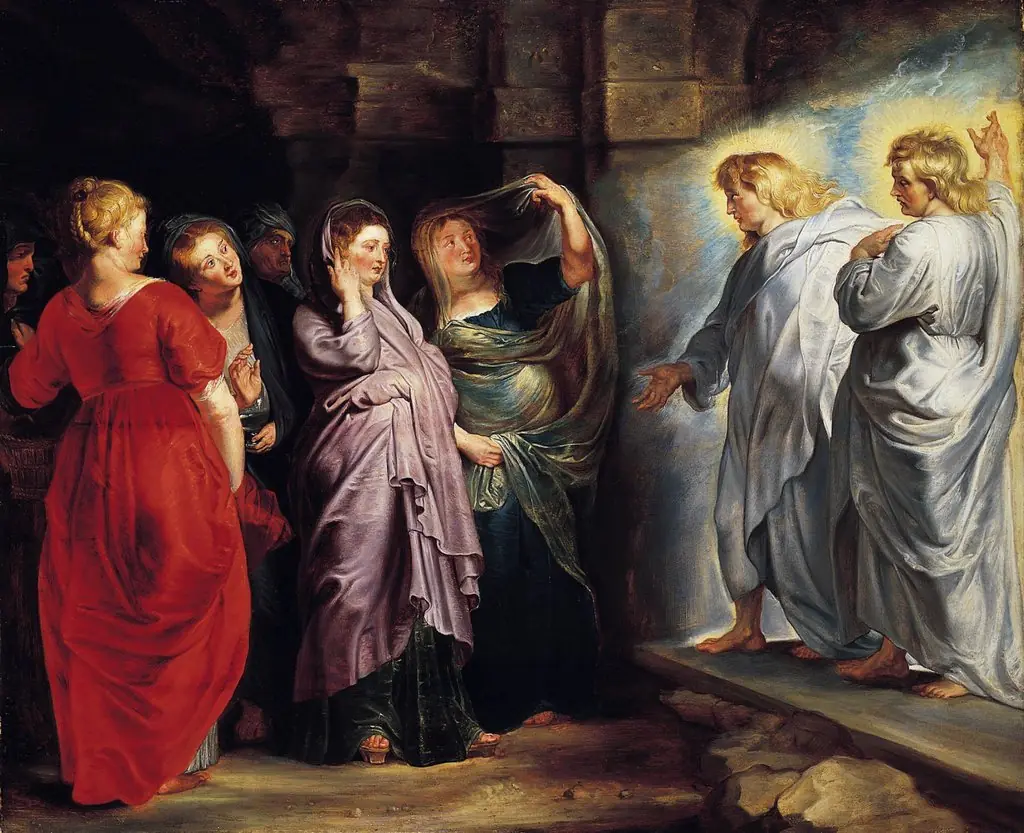 The Holy Women at the Sepulchre