Artwork
The Vision of Saint Jerome
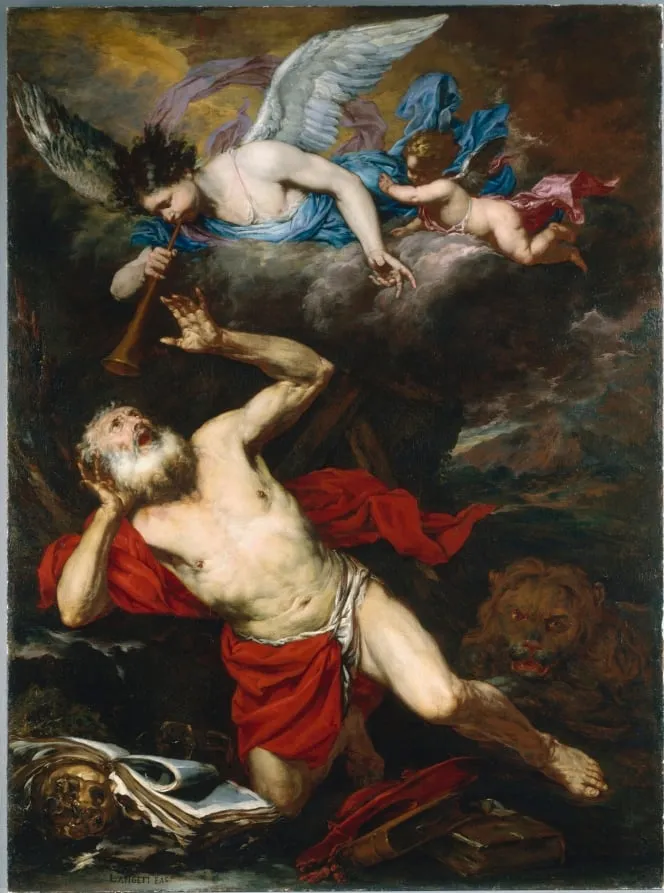
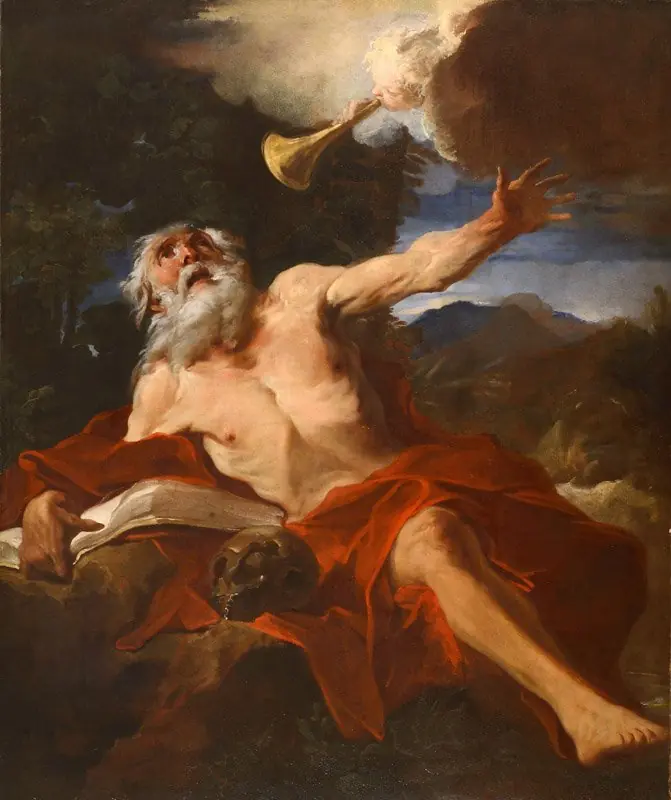
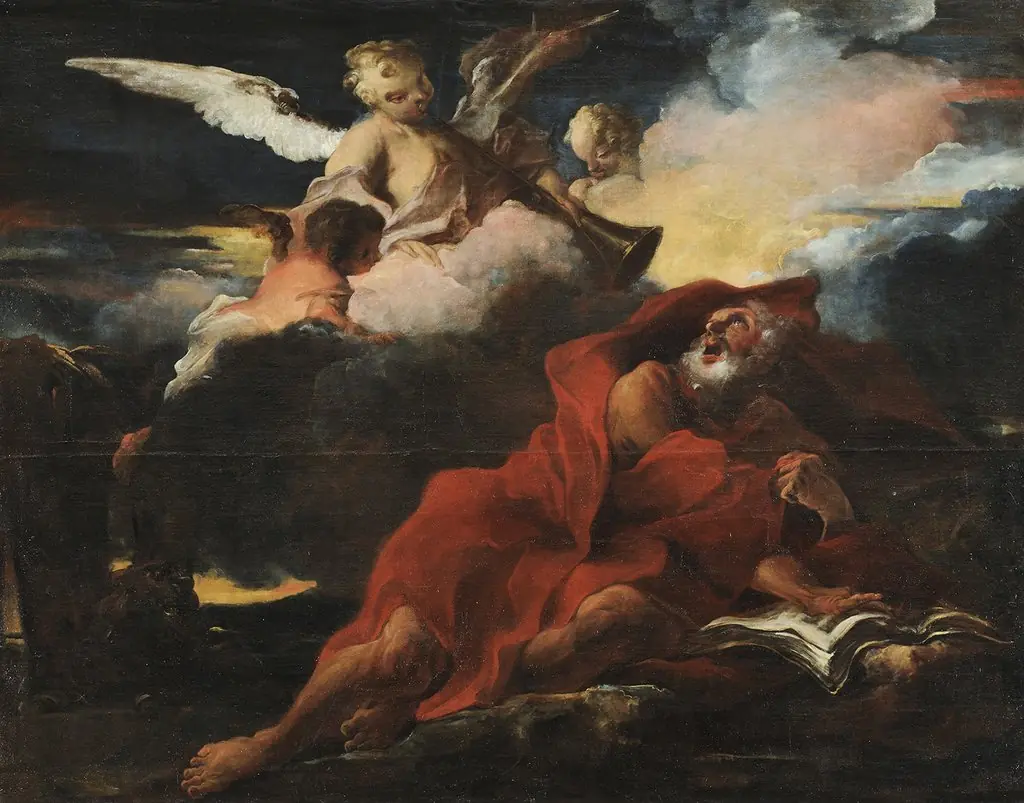
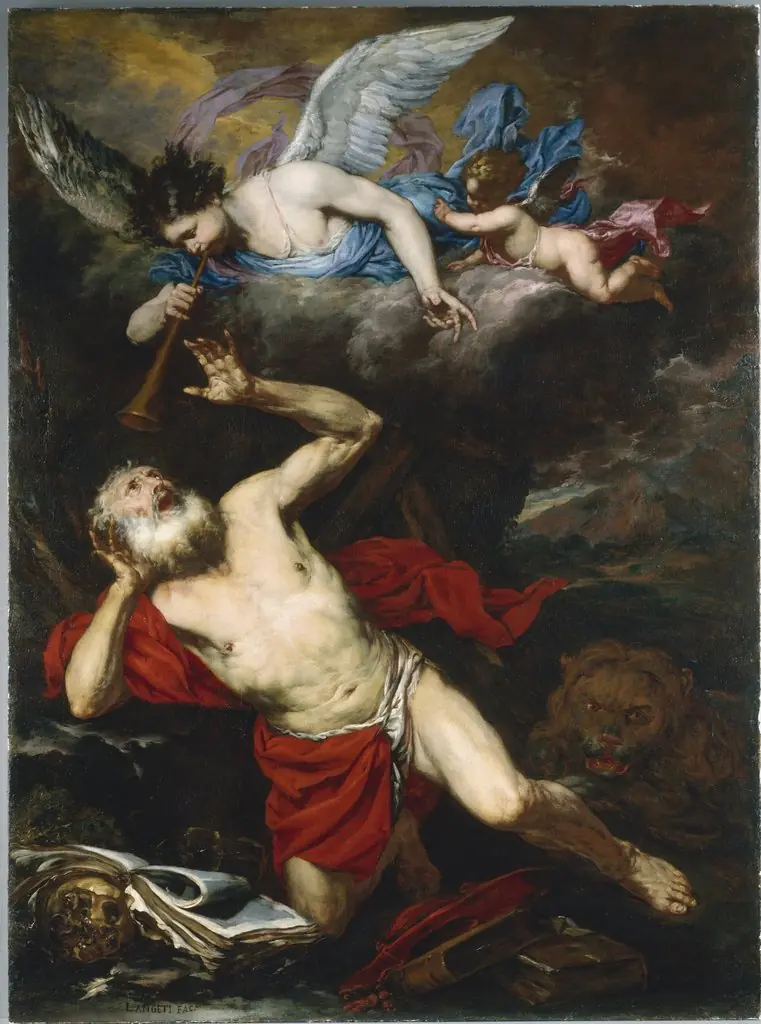
The Vision of Saint Jerome is an unspecified painting by the Baroque artist Giovanni Battista Langetti. It dates from 1660 and is held in the collection of the Cleveland Museum of Art.
About this work
Overview
The work portrays Saint Jerome seated and gazing upward toward an intense illumination, capturing the moment of his reported vision of the Last Judgment. The composition centers on the saint’s contemplative posture, emphasizing the transformative experience that prompted his withdrawal from public life and subsequent scholarly pursuits.
Subject & Meaning
According to tradition, Jerome, a fourth‑century scholar of Greek and Latin texts, experienced a profound revelation in which an angel rebuked him for moral failings. This vision spurred him to renounce worldly distractions, master Hebrew, and devote himself to translating the Scriptures, a task that would shape Western biblical scholarship.
Technique & Style
The painter adopts a naturalistic approach characteristic of Caravaggist influence, employing stark chiaroscuro to model the figures with dramatic contrasts of light and shadow. The illumination that surrounds Jerome is rendered with a luminous intensity that both highlights his form and suggests a divine presence, while the surrounding darkness grounds the scene in a tangible, earthly setting.
History & Provenance
The work remains documented within Langetti’s oeuvre as an example of his engagement with religious narrative through a Caravaggesque visual language.
Created by the Genoese artist Giovanni Battista Langetti in the mid‑seventeenth century, the painting reflects the artist’s exposure to the artistic currents of northern Italy, particularly the dramatic lighting techniques popularized in the port city of Genoa. The work remains documented within Langetti’s oeuvre as an example of his engagement with religious narrative through a Caravaggesque visual language.
Artist & collection