Artwork
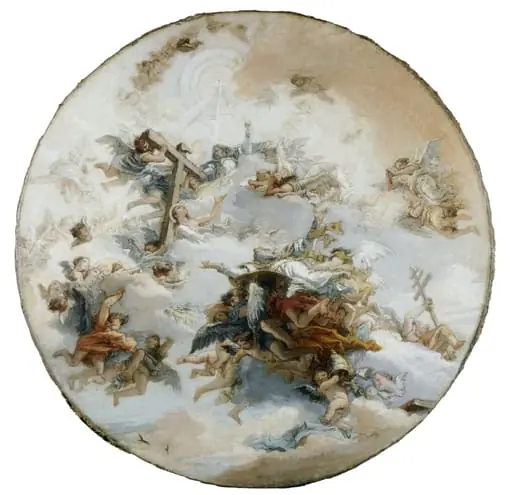
Saint Leo in Glory (sketch for the ceiling of the church of San Lio, Venice)
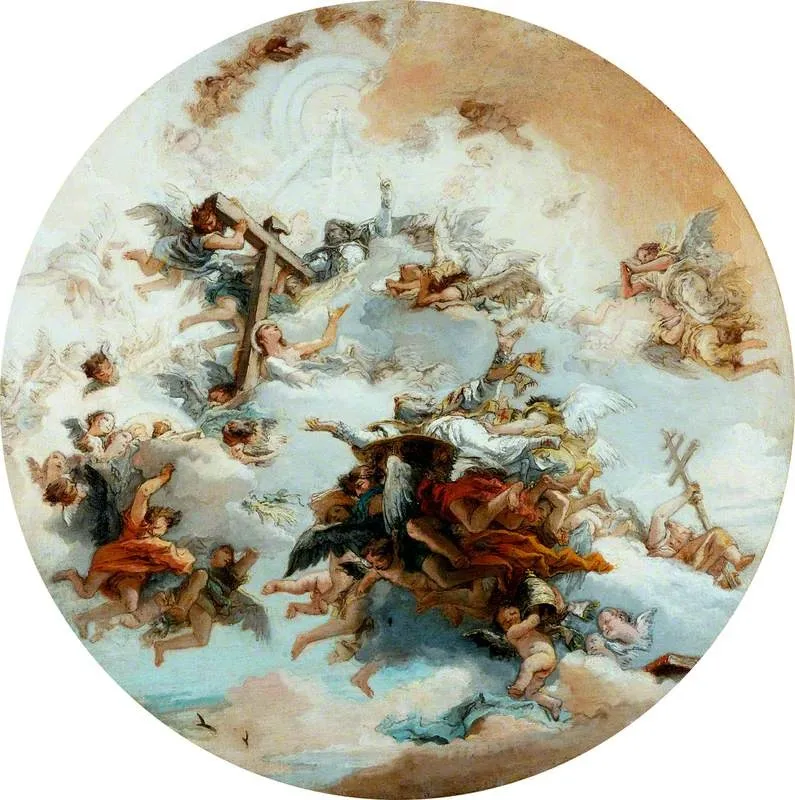
Saint Leo in Glory (sketch for the ceiling of the church of San Lio, Venice) is an oil painting by the Rococo painting artist Giovanni Domenico Tiepolo. It dates from 1792 and is held in the collection of the Victoria and Albert Museum.
About this work
Overview
Painted in 1792 by Giovanni Domenico Tiepolo, this oil sketch was prepared as a model for the ceiling decoration of San Lio, a church in Venice.
Painted in 1792 by Giovanni Domenico Tiepolo, this oil sketch was prepared as a model for the ceiling decoration of San Lio, a church in Venice. Unlike finished altarpieces, it retains the spontaneity of a preparatory study, capturing the energy of a celestial ascent. The work belongs to the final phase of Tiepolo’s career, reflecting his continued engagement with religious themes and decorative composition despite shifting artistic tastes.
Subject & Meaning
The scene portrays Saint Leo being raised toward heaven, surrounded by angels and cherubs who reach toward him in gestures of divine reception. The upward motion suggests spiritual elevation, a common motif in Counter-Reformation and Baroque religious art. The figures’ dynamic poses and interlocking gestures convey a moment of sacred transition, emphasizing the saint’s passage from earthly life to heavenly glory.
Technique & Style
Tiepolo employed loose, fluid brushwork to suggest movement and atmosphere, prioritizing expressive gesture over fine detail. A muted palette of white, blue, and earth tones creates a hazy, ethereal sky, while subtle chiaroscuro models the forms and directs focus to the central figure. The sketch’s unfinished quality enhances its immediacy, revealing the artist’s hand in shaping light and volume with minimal strokes.
History & Provenance
Commissioned for the ceiling of San Lio in Venice, the sketch was likely executed in Tiepolo’s studio as a working model for the final fresco. After the church’s decoration was completed, the sketch remained in Venice, possibly retained by the artist’s family or the church. It later entered a private collection before being acquired by a public institution, where it is now preserved as a record of Tiepolo’s preparatory process.
Context
Created near the end of the 18th century, the work emerged during a period when Venetian painting was moving away from the grandeur of the Baroque toward more intimate, personal expressions. Though rooted in Rococo traditions of lightness and movement, Tiepolo’s sketch also anticipates emerging Neoclassical sensibilities in its restrained palette and emphasis on spiritual clarity over ornamental excess.
Legacy
As one of Tiepolo’s last known oil sketches, it offers insight into the transition from preparatory study to monumental fresco. Its preservation allows scholars to trace his compositional thinking and technique in the final years of his career. The work stands as a quiet testament to the enduring practice of sketching in Venetian religious art, even as the era of ceiling frescoes began to wane.
Artist & collection
Artist
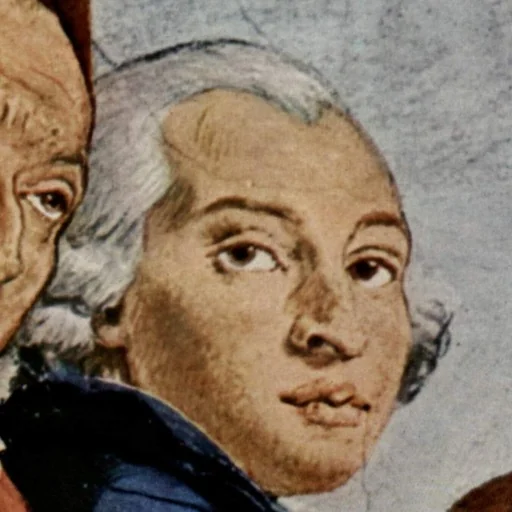
Giovanni Domenico Tiepolo (August 30, 1727 – March 3, 1804) was an Italian painter and printmaker in etching. He was the son of artist Giovanni Battista Tiepolo and elder brother of Lorenzo Baldissera Tiepolo.

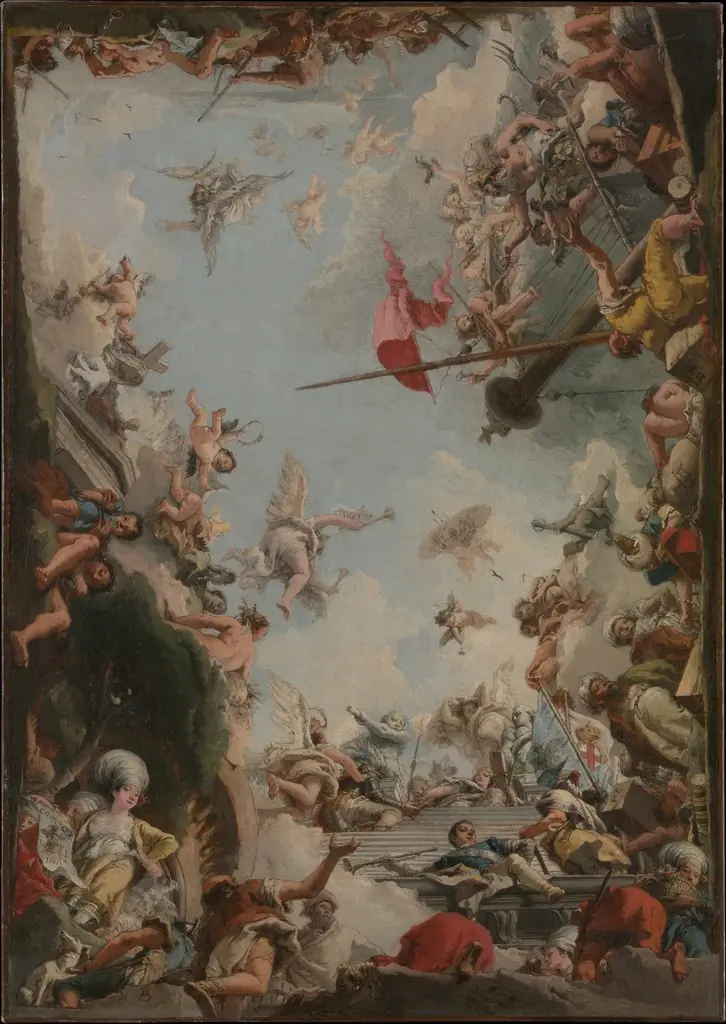
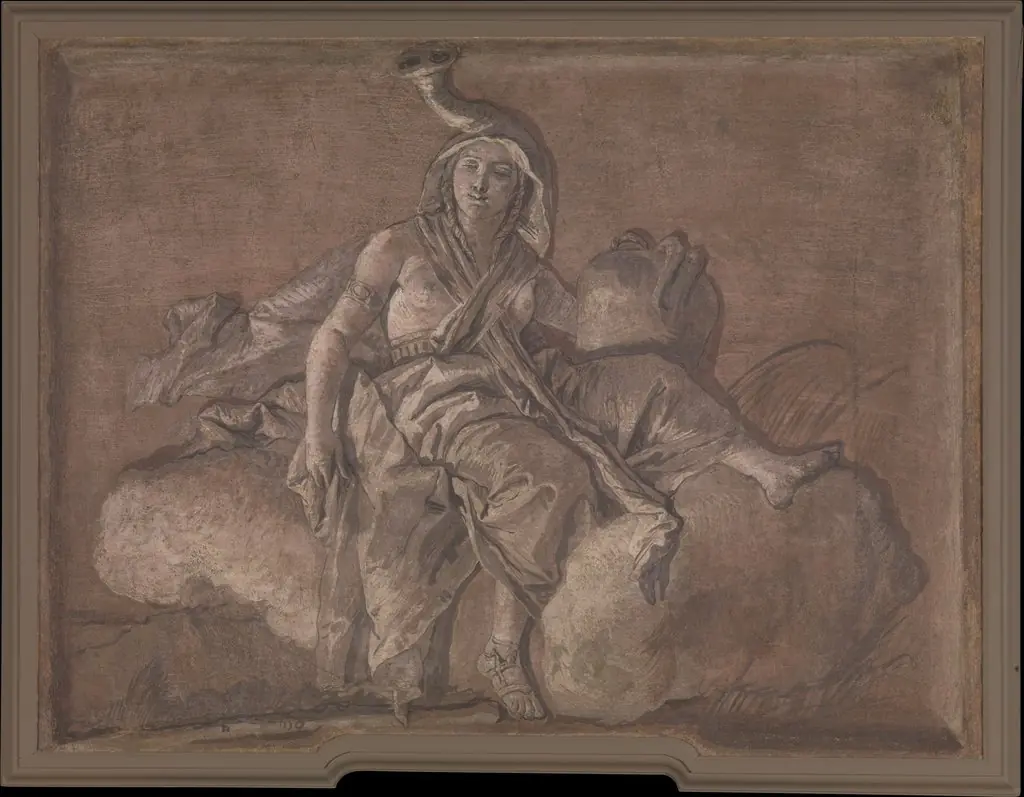
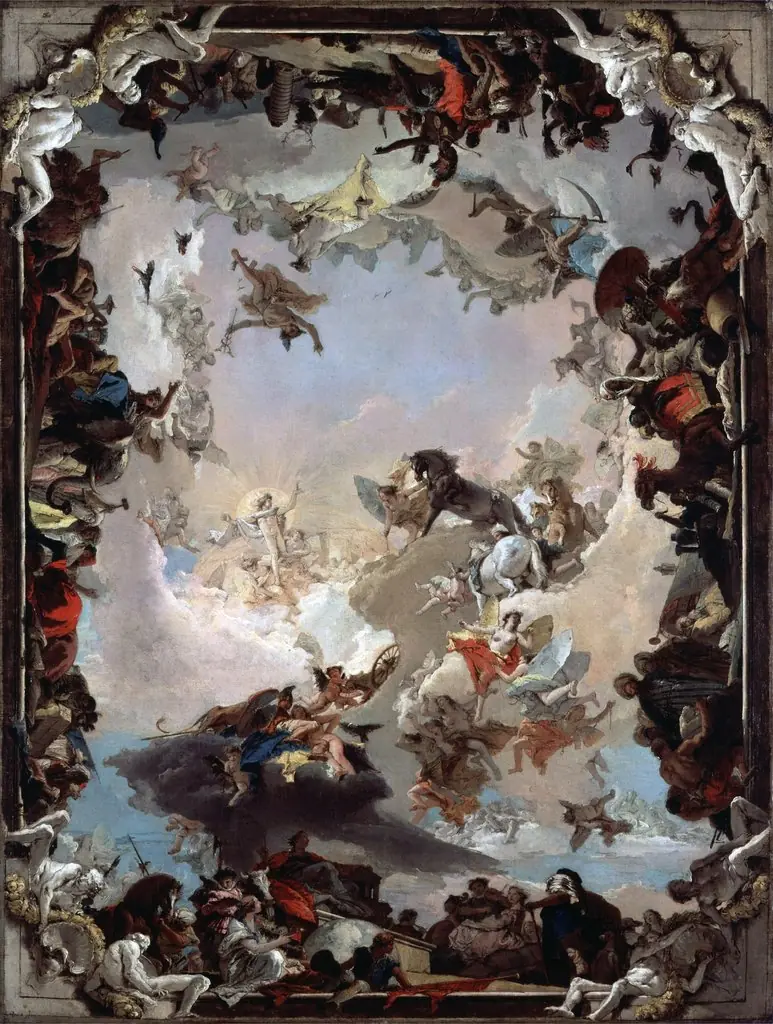 Allegory of the Planets and Continents
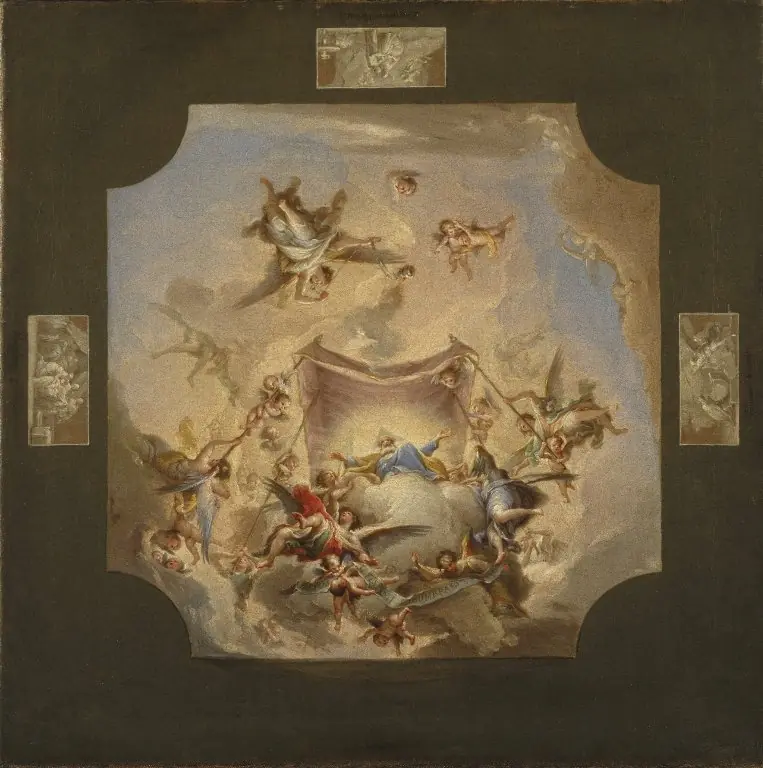 The Eternal Father, sketch
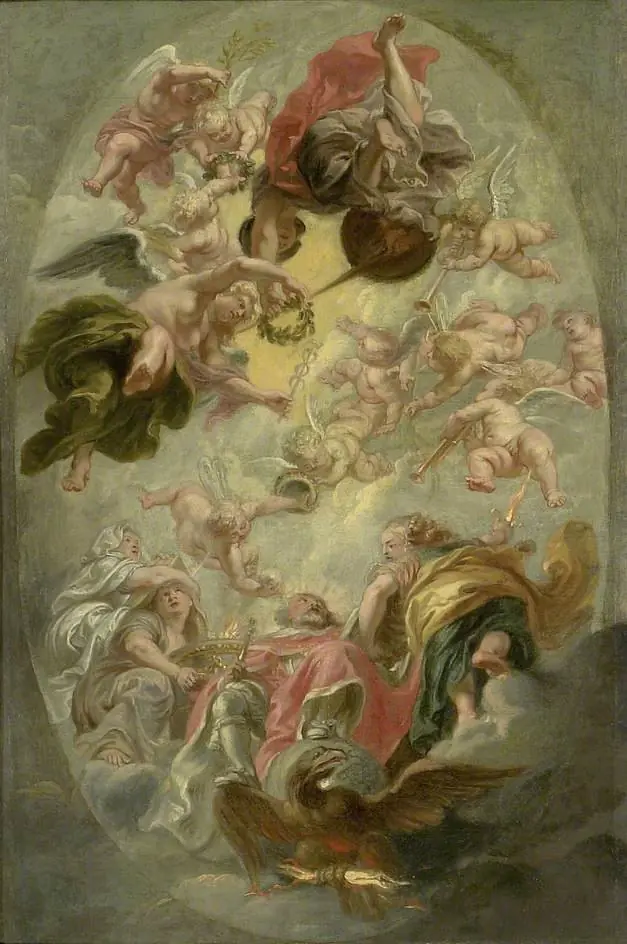 The Apotheosis of James I
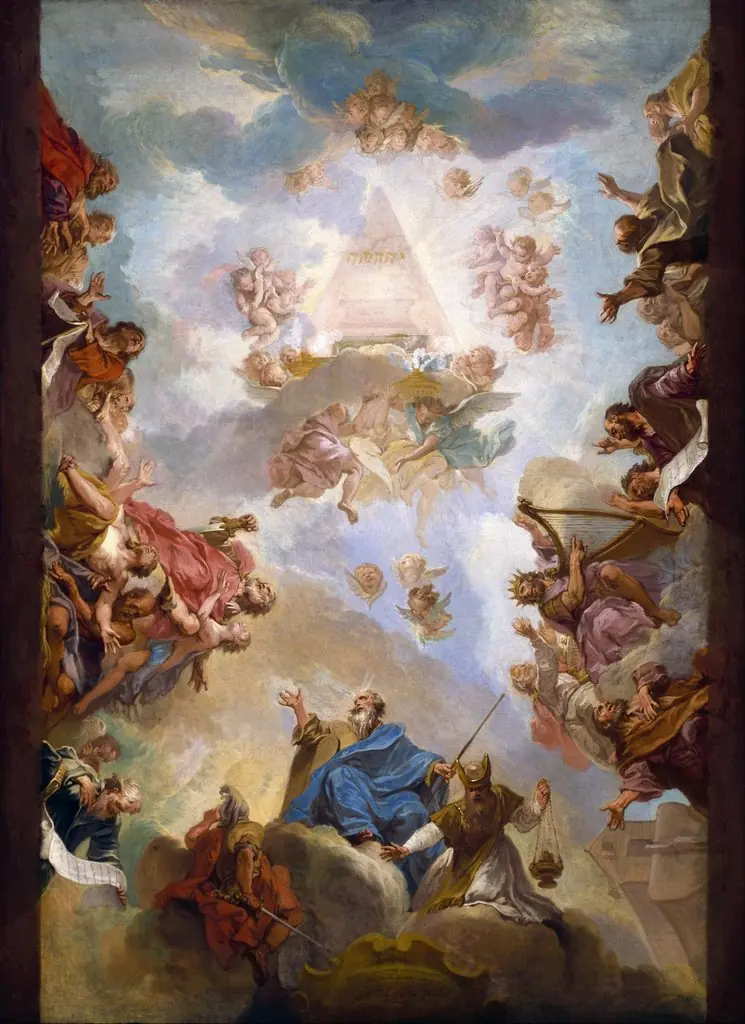 Prophets and Kings of the Old Testament Adoring the Name of Jehovah
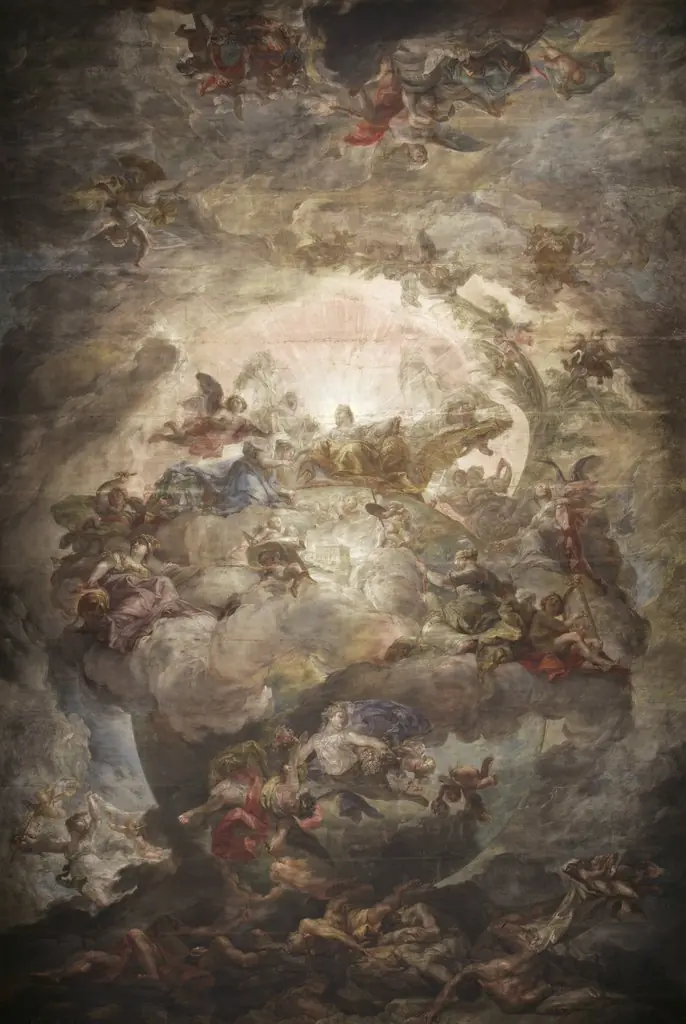 Allegory of the donation of the Casino to Queen María Isabel de Braganza by the Municipality of Madrid
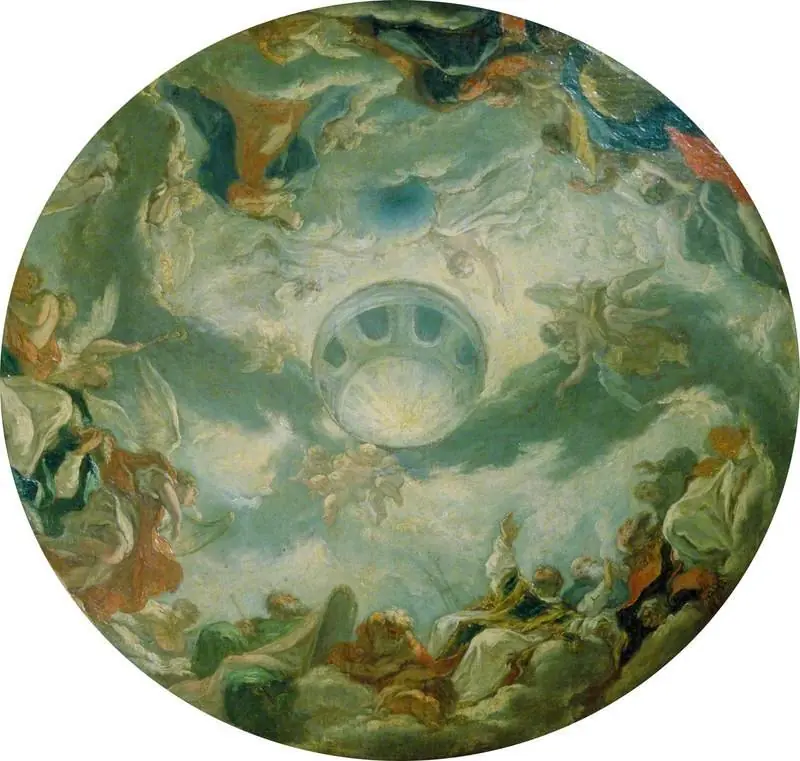 The Adoration of the Trinity (design for the decoration of a dome)
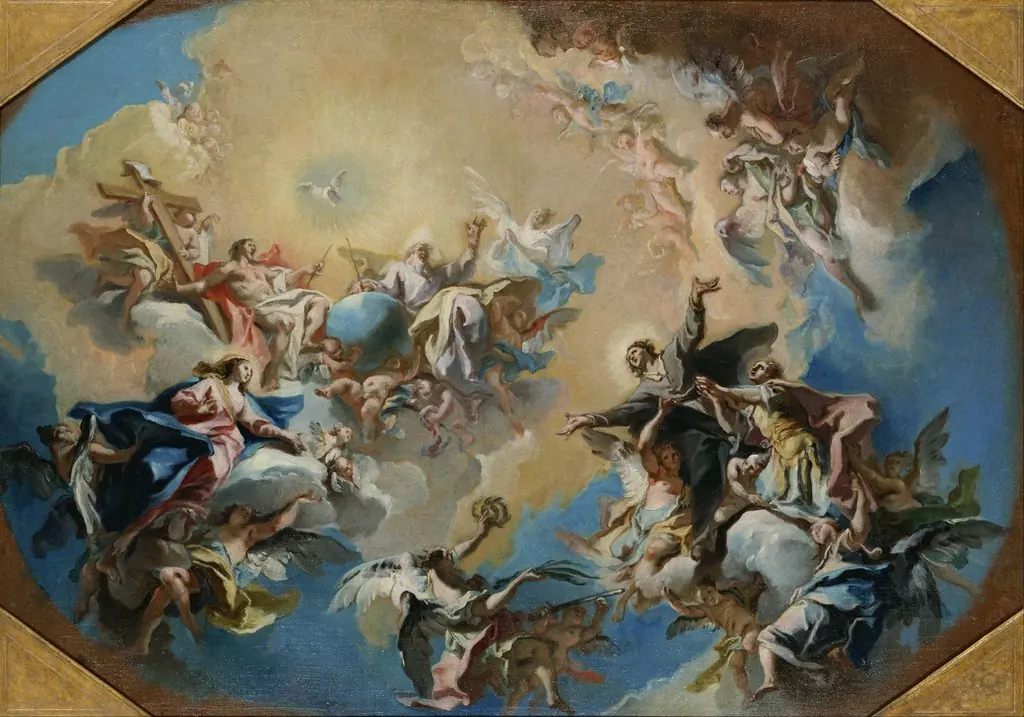 The Glorification of St. Felix and St. Adauctus
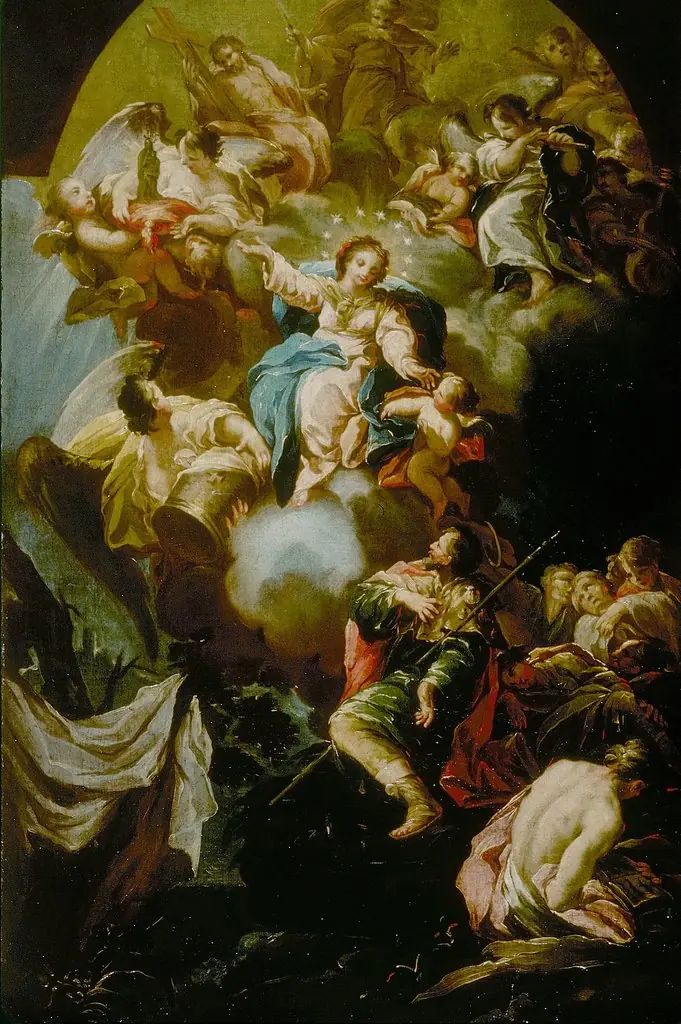 Saint Jame's Vision of the Virgin of the Pillar
 The Glorification of Saint Dominic
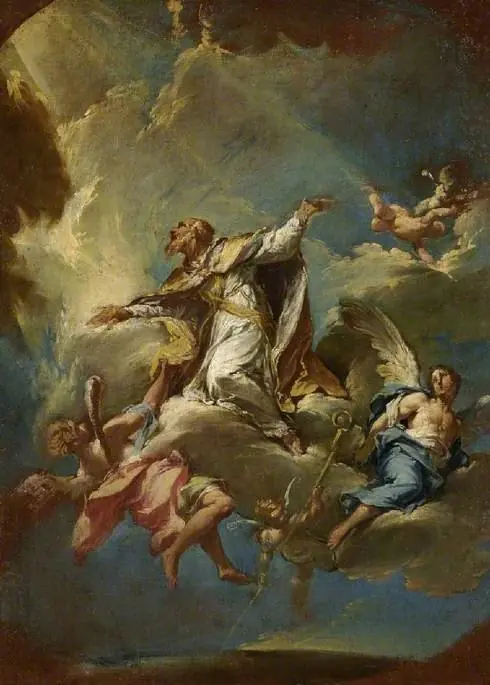 The Apotheosis of St Martin
 Allegorie auf die glückliche Regierung Mährens
 St Leo in Glory (sketch for the ceiling of the church of San Lio, Venice)