Artwork
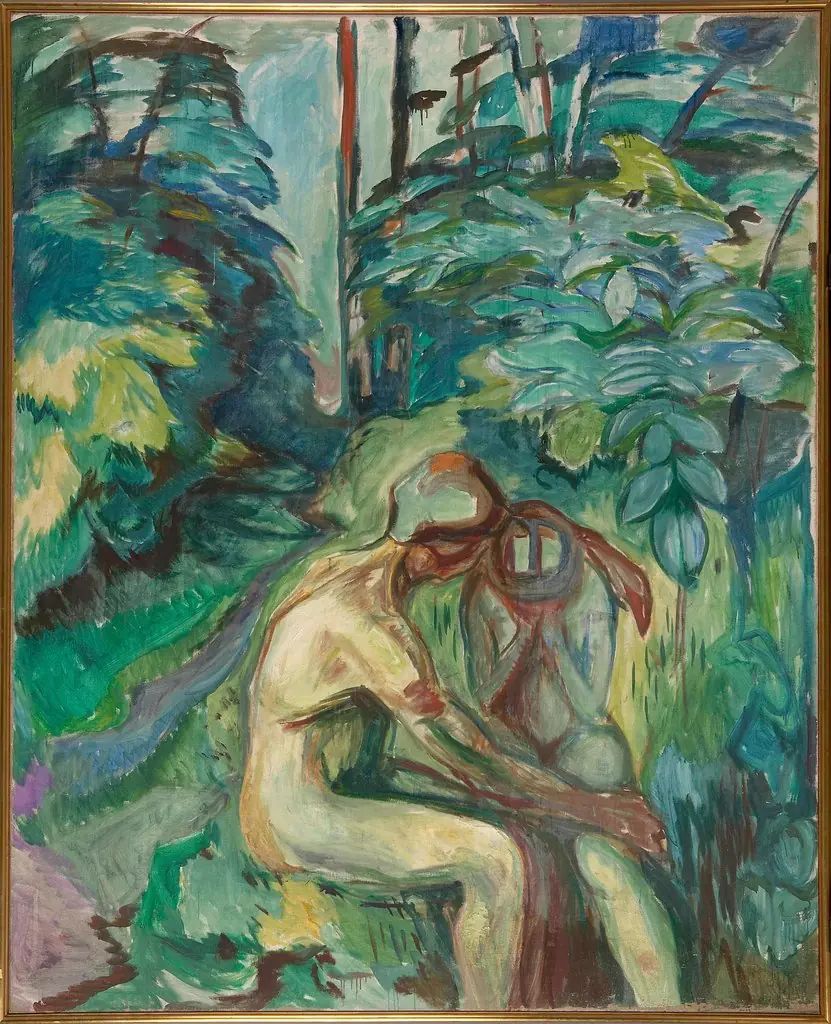
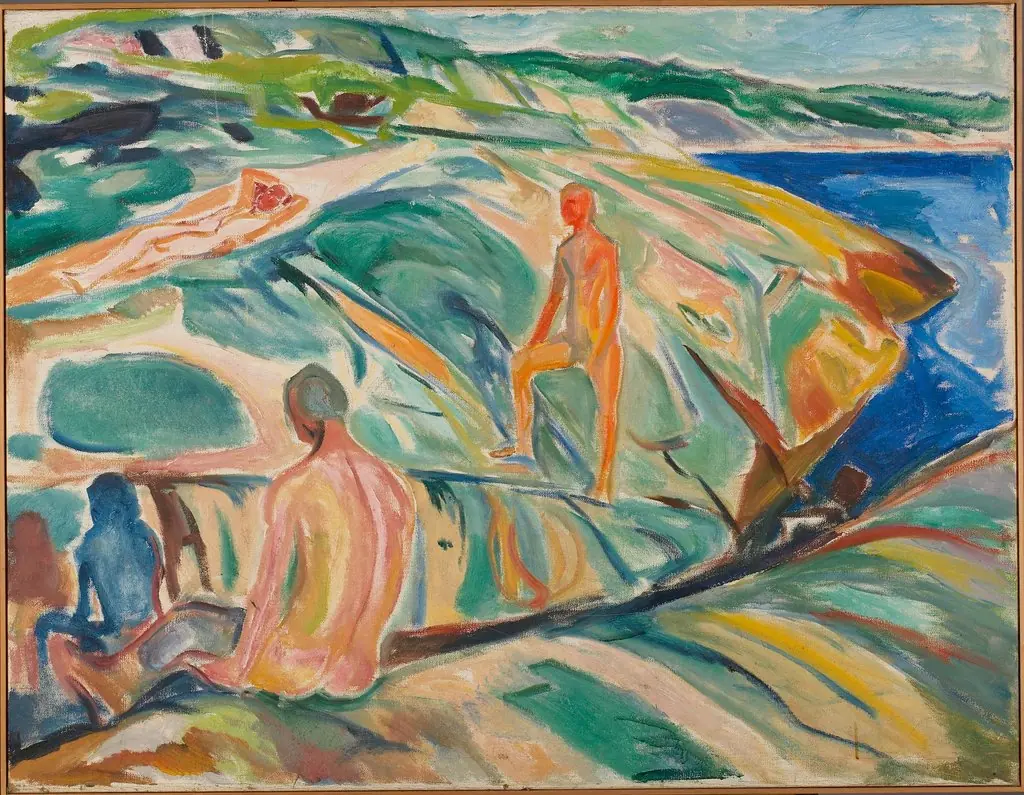
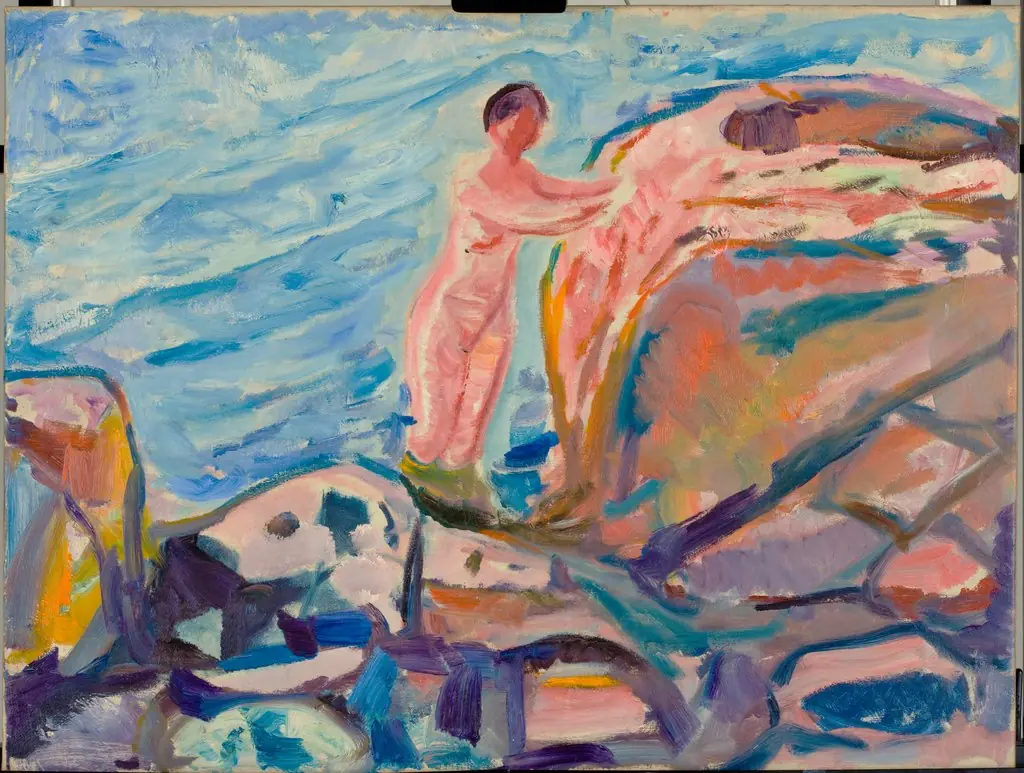
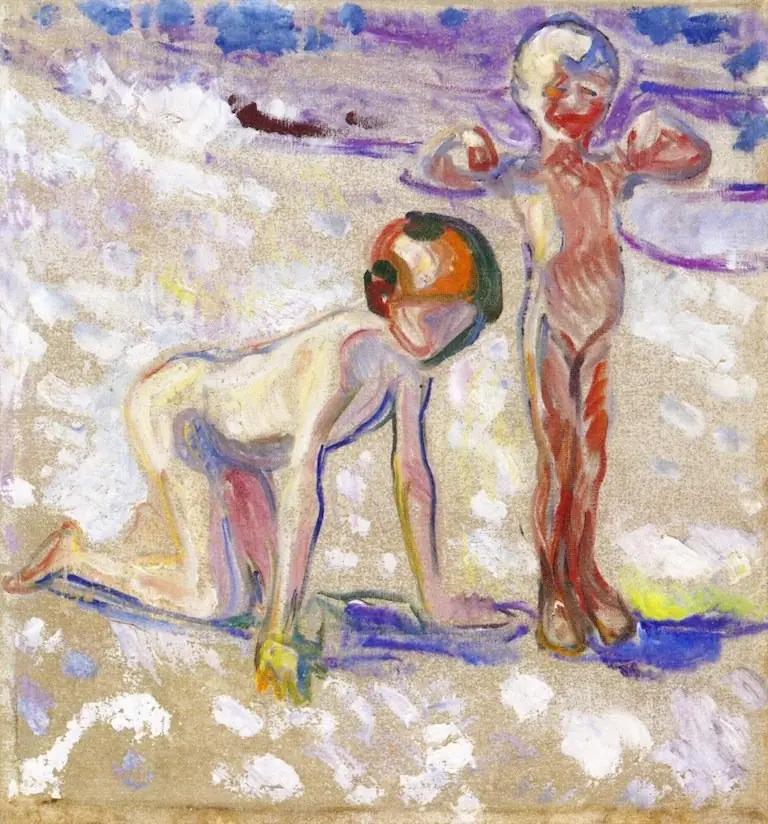
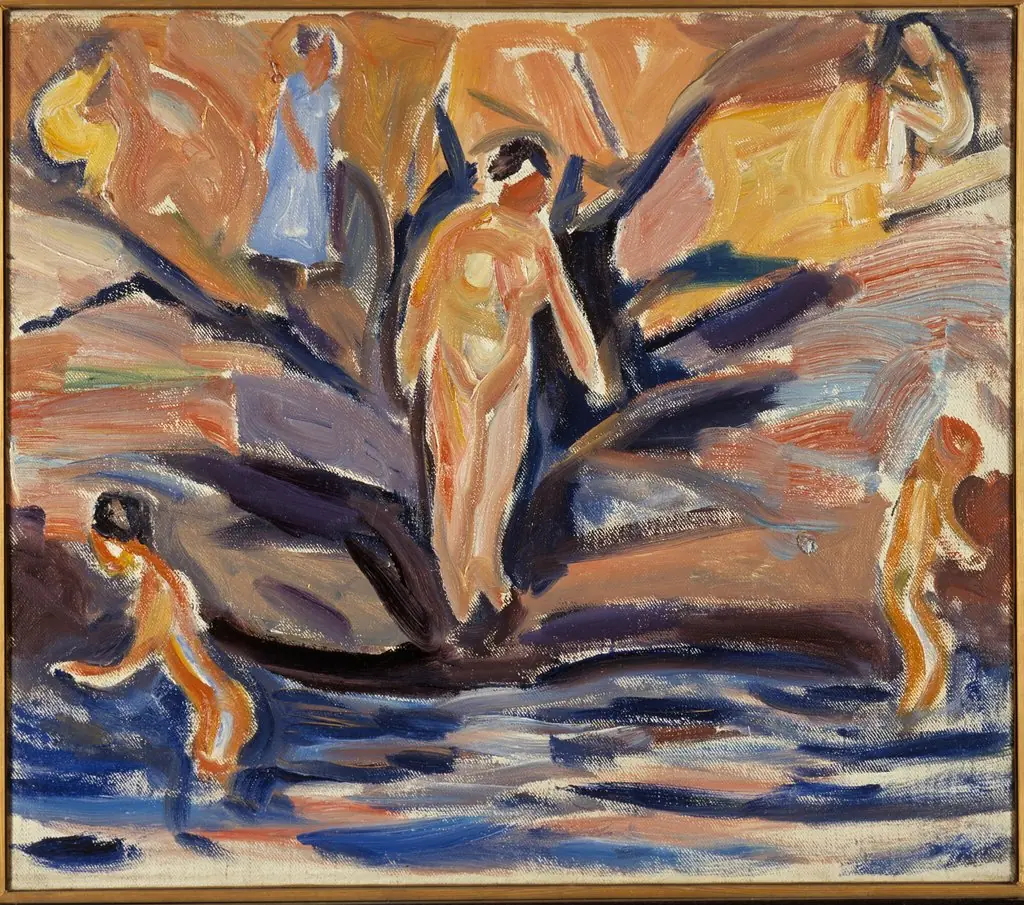
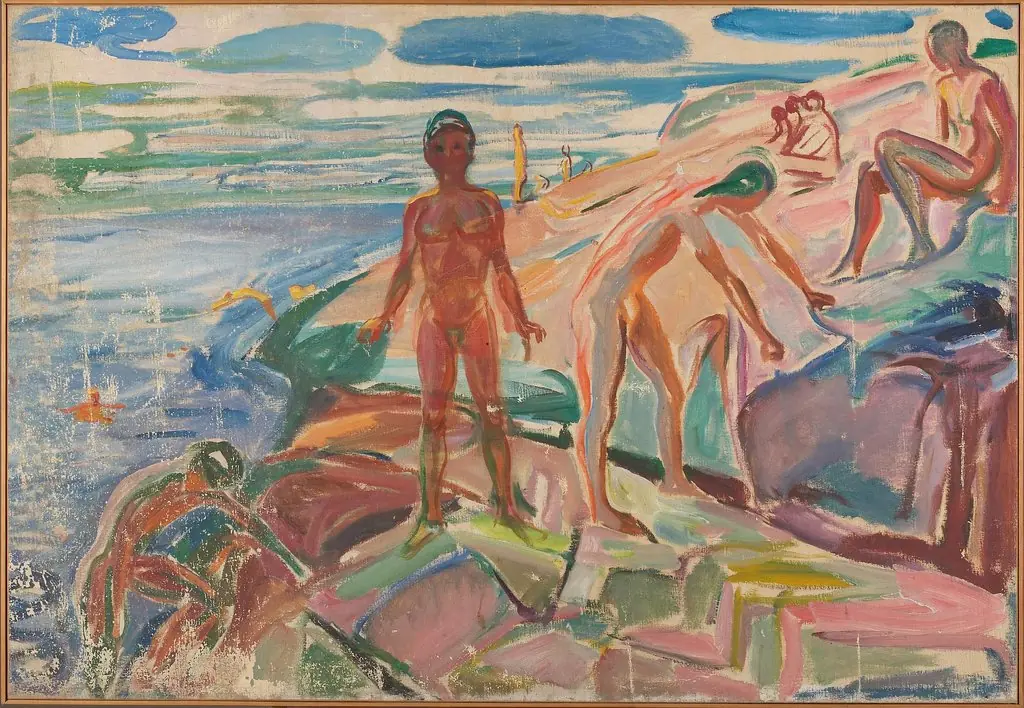
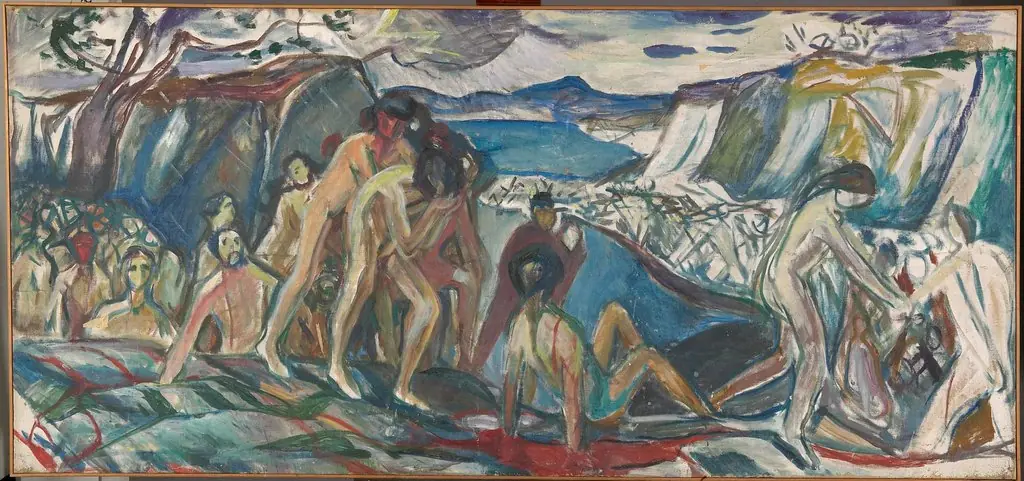
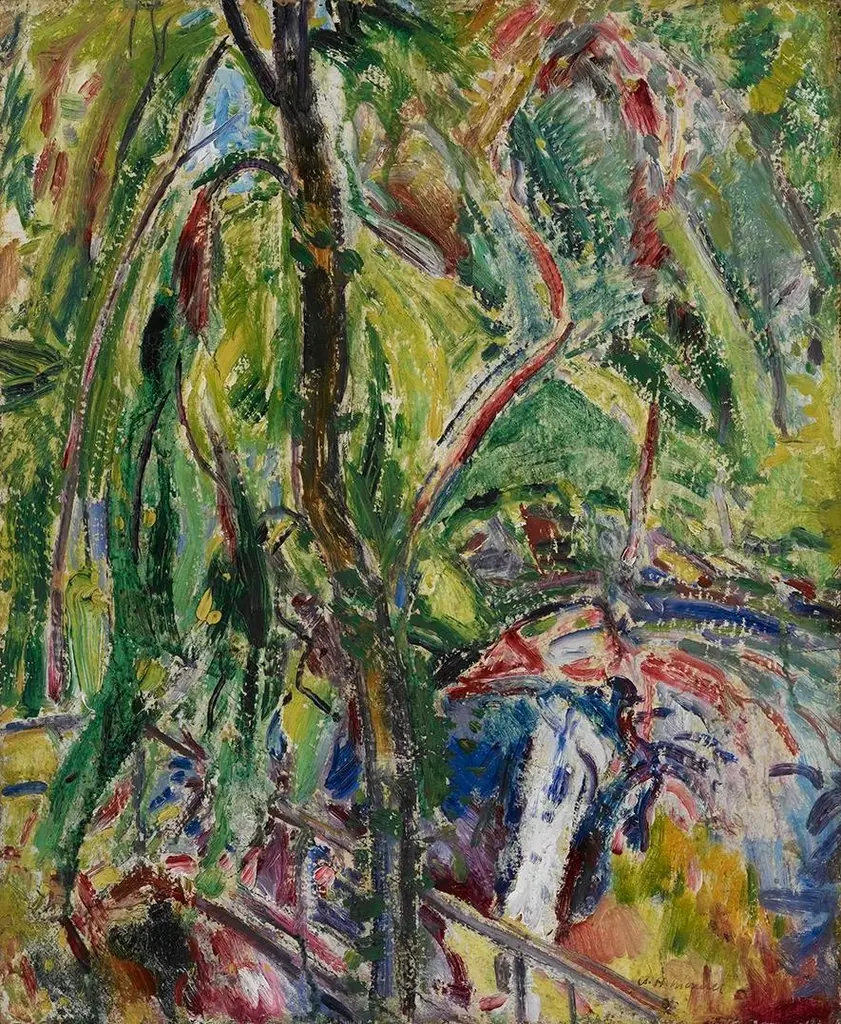
Badende im Bergbach bei Daganece. (Studie)
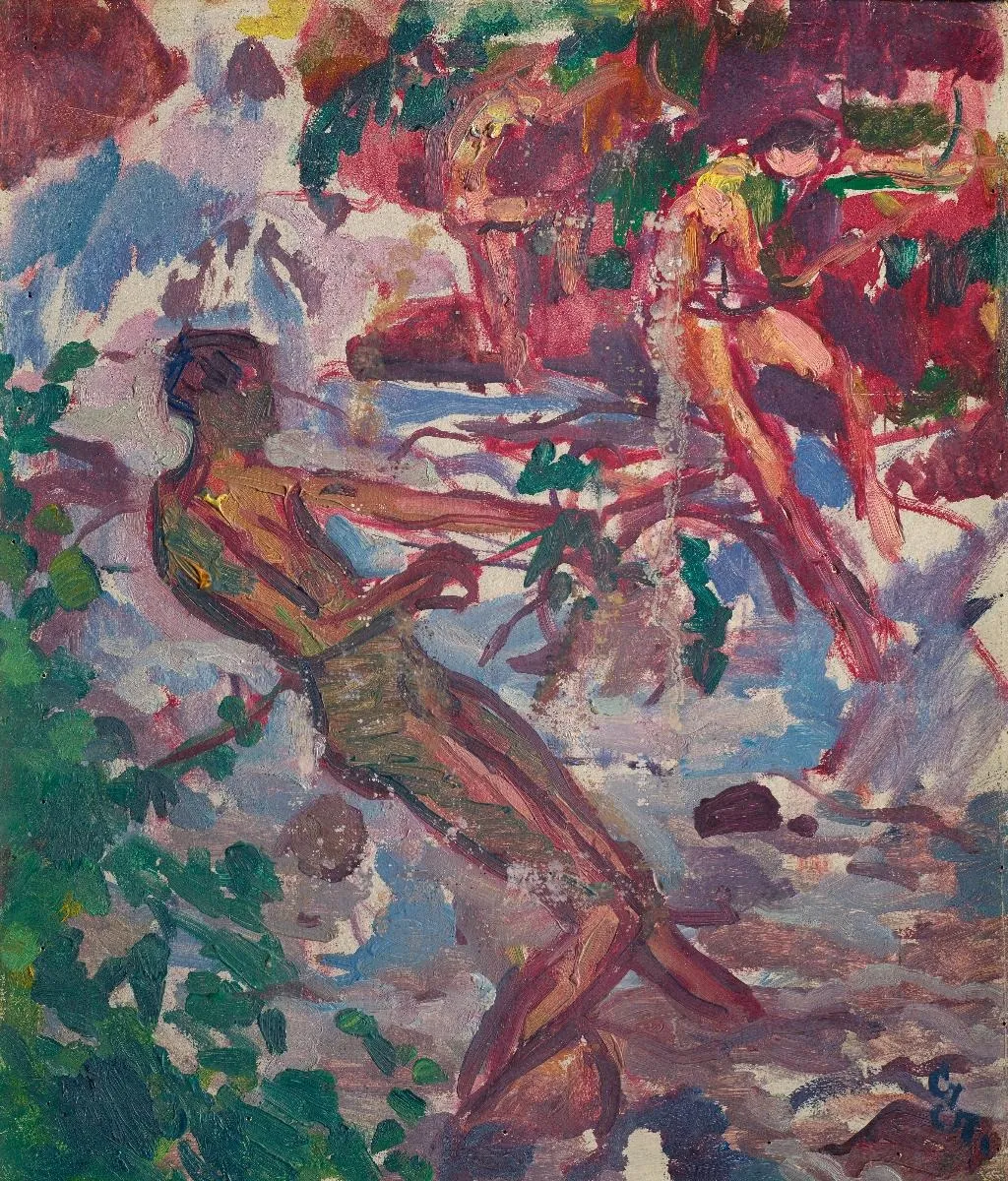
Badende im Bergbach bei Daganece. (Studie) is an oil painting by the Post-Impressionist artist Giovanni Giacometti. It dates from 1928 and is held in the collection of the Kunsthaus Zürich.
About this work
Overview
Created in 1928, this oil painting by Swiss artist Giovanni Giacometti records a brief scene of two nude figures in a mountain stream near Daganece. The work belongs to the post‑impressionist vein and is part of the permanent collection of the Kunsthaus Zürich.
Subject & Meaning
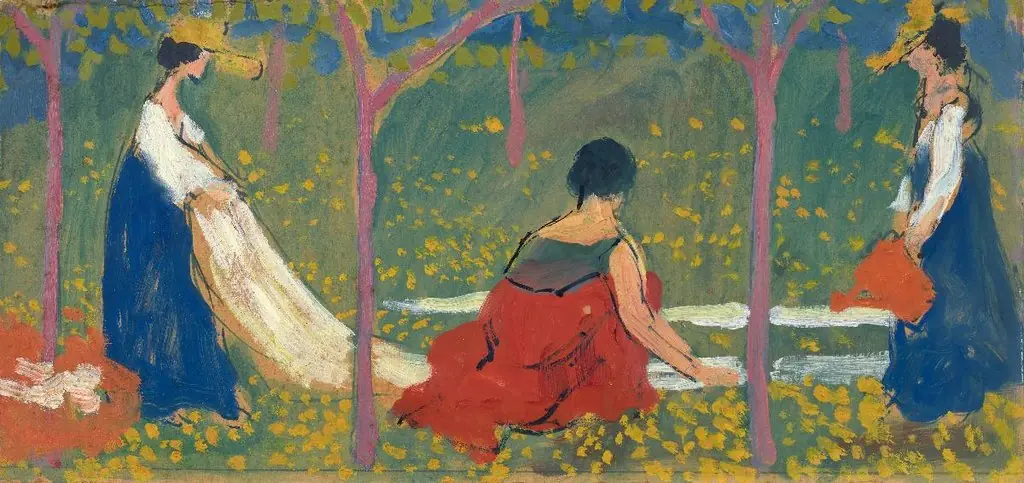
The composition centers on a pair of bathers immersed in a natural watercourse. One figure extends an arm toward the other, suggesting a moment of intimate contact or shared experience within the secluded landscape.
Technique & Style
Giacometti employs a loose, expressive handling of paint, allowing brushstrokes to remain visible. The palette is vivid, dominated by greens, blues and touches of red, while the figures are rendered with minimal detail, emphasizing gesture over anatomical precision.
History & Provenance
Since its completion, the study has remained within Swiss institutional holdings, ultimately entering the collection of the Kunsthaus Zürich, where it is displayed among works that illustrate the artist’s early exploration of color and form.
Context
The painting reflects Giacometti’s engagement with post‑impressionist ideas, particularly the interest in capturing light and atmosphere through bold color and dynamic brushwork. It also anticipates the later focus on the human figure in natural settings that would characterize much of his subsequent output.
Artist & collection
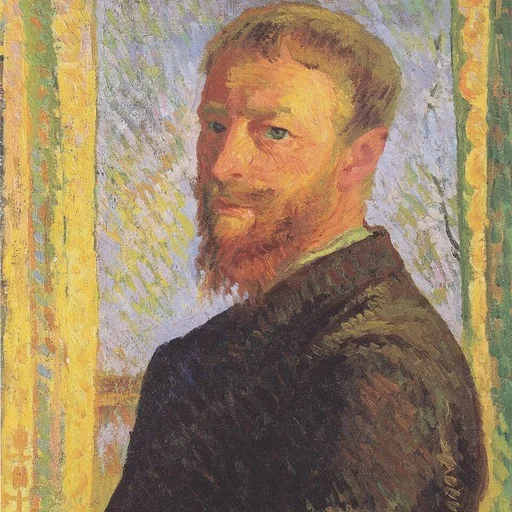
Artist
Giovanni Ulrico Giacometti (7 March 1868 – 25 June 1933) was a Swiss painter. He was the father of artists Alberto and Diego Giacometti and architect Bruno Giacometti.