Artwork
Fountain of Trevi, Rome
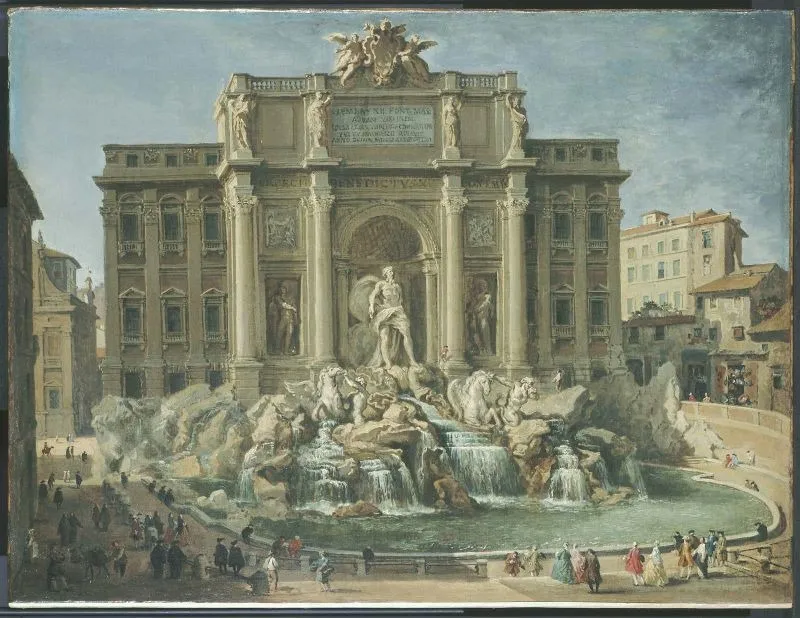
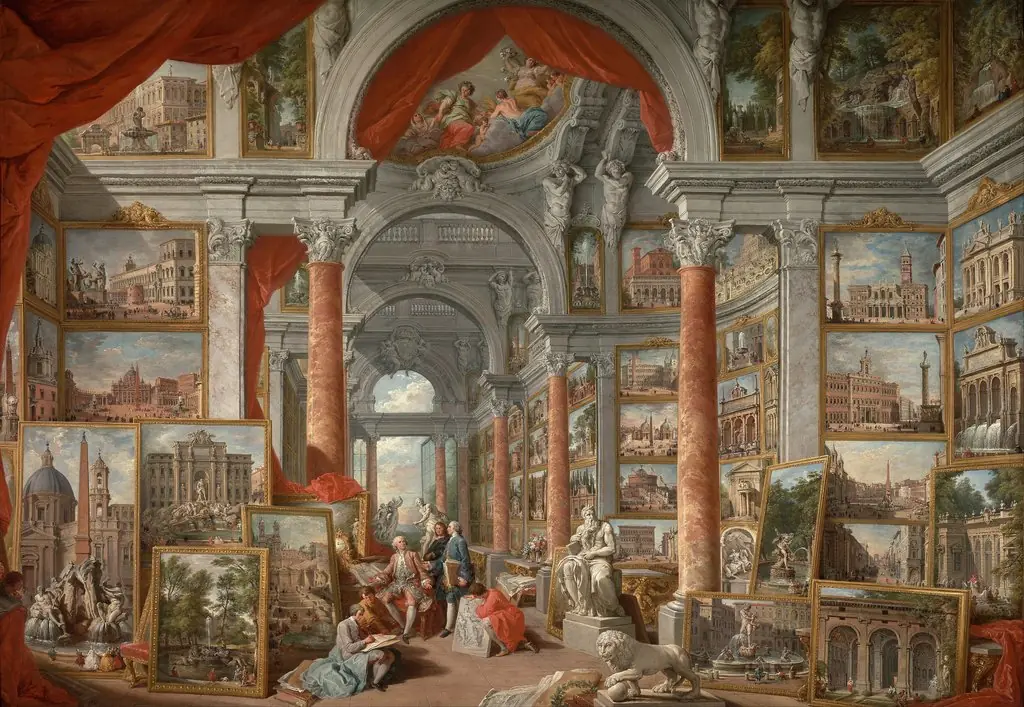
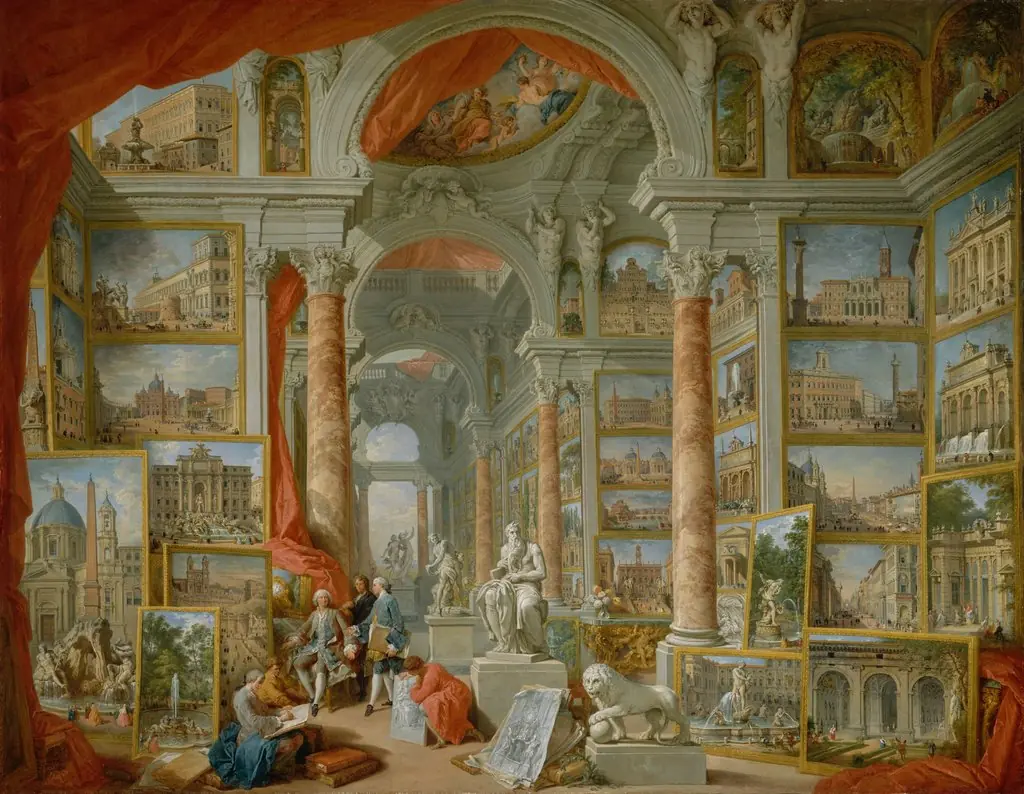
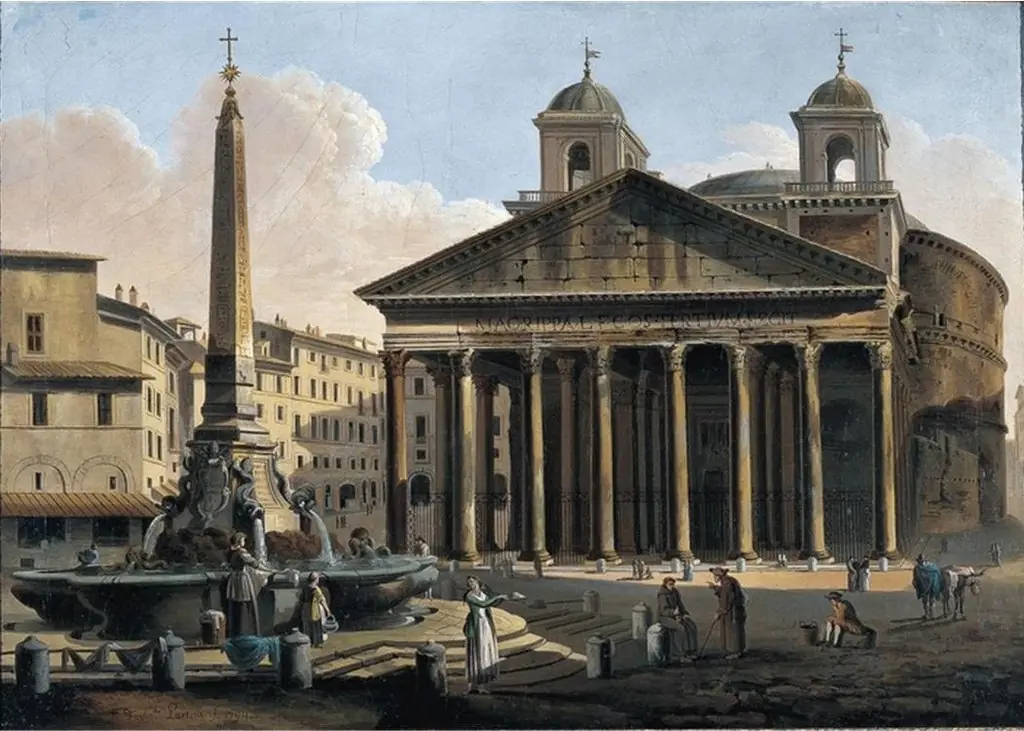
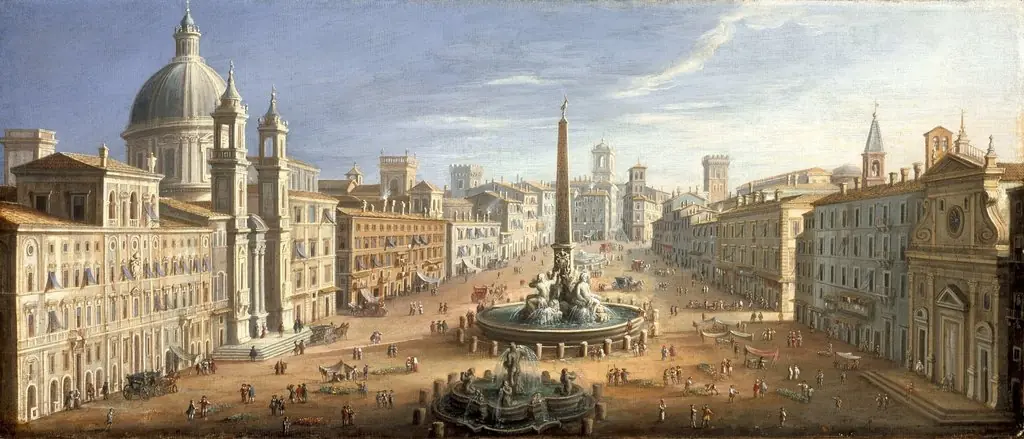
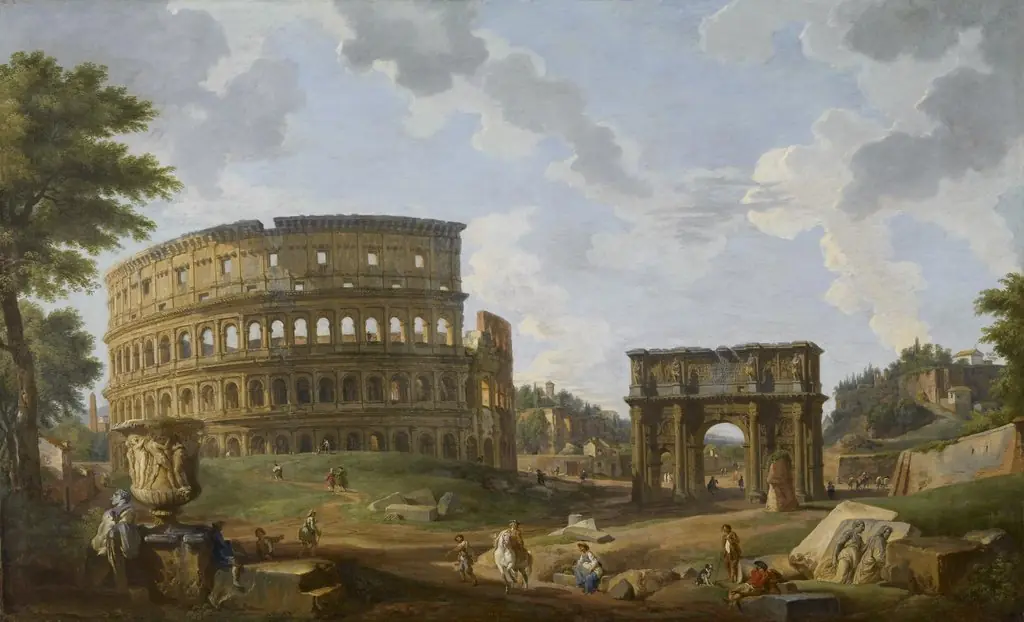
Fountain of Trevi, Rome is an oil painting by the Rococo painting artist Giovanni Paolo Panini. It dates from 1750 and is held in the collection of the Museum of Fine Arts Boston.
About this work
Overview
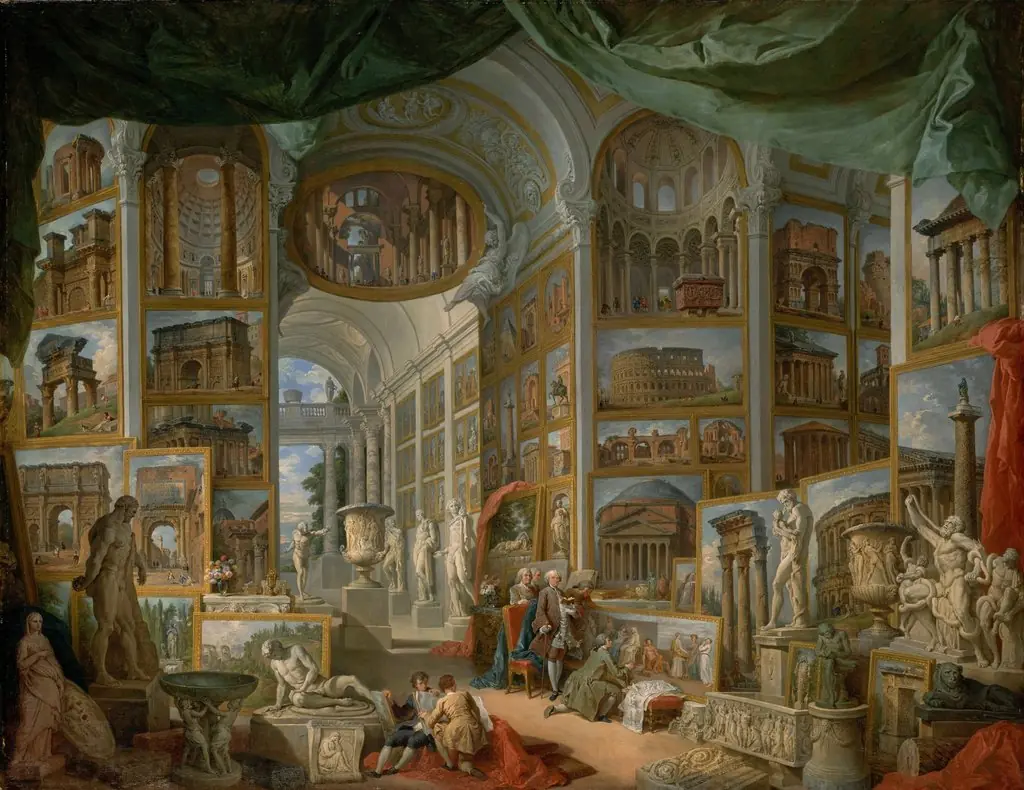
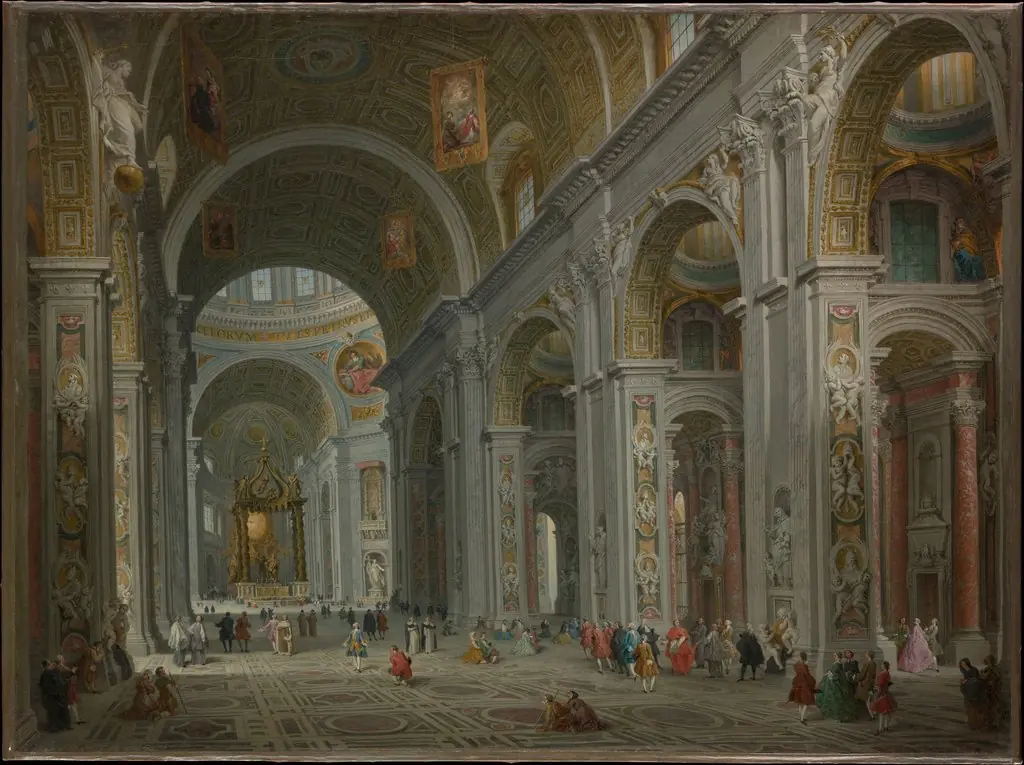
Fountain of Trevi, Rome, a mid-18th-century oil painting by Giovanni Paolo Panini, captures a vibrant scene of one of Rome's iconic landmarks. Executed around 1750, the work exemplifies Panini's role as a prominent vedutista, focusing on the city's architectural and monumental heritage.
Subject & Meaning
The painting depicts the Trevi Fountain in meticulous detail, highlighting its statues, cascading water, and surrounding architecture. At the center, a draped figure is flanked by horses and mythological creatures, set against a backdrop of an ornate, columned building. The scene conveys the fountain's role as a bustling public hub.
Technique & Style
Panini employed chiaroscuro to create depth, using strong light to accentuate the fountain's details against a softer, more subdued background. This technique, characteristic of the Rococo movement, enhances the sense of movement and activity in the crowded public space.
History & Provenance
Created in the context of 18th-century Rome's flourishing artistic scene, Fountain of Trevi, Rome is now part of the Museum of Fine Arts Boston's collection, reflecting the global appreciation for Panini's detailed vedute.
Context
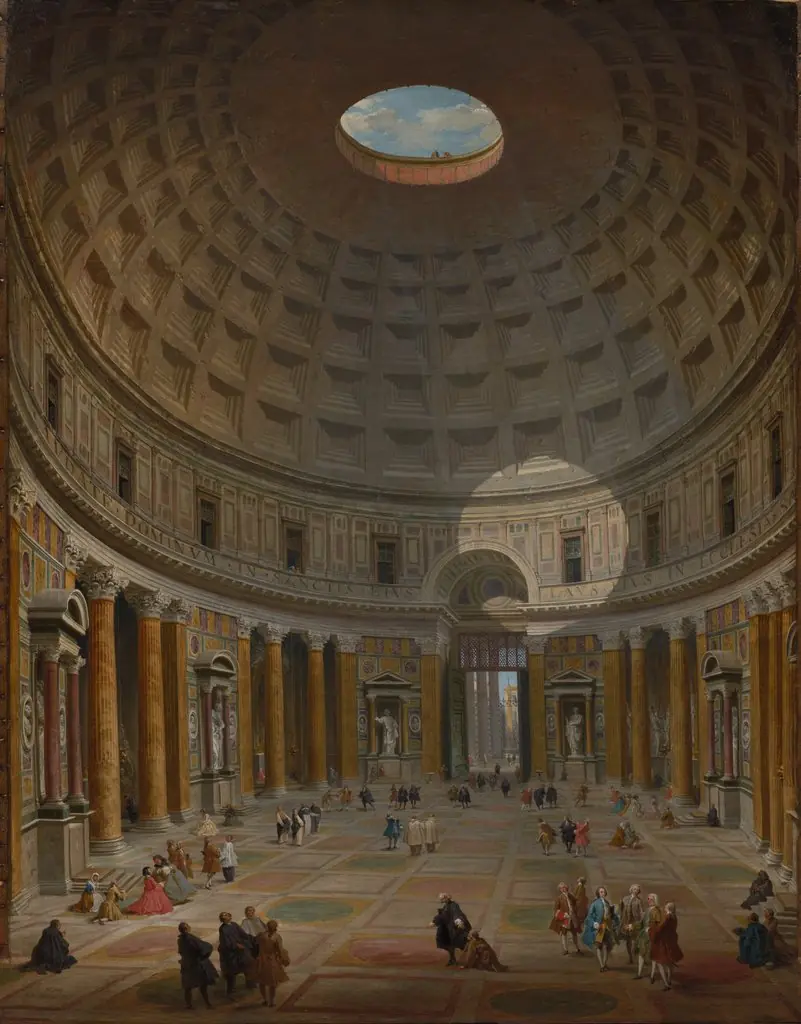
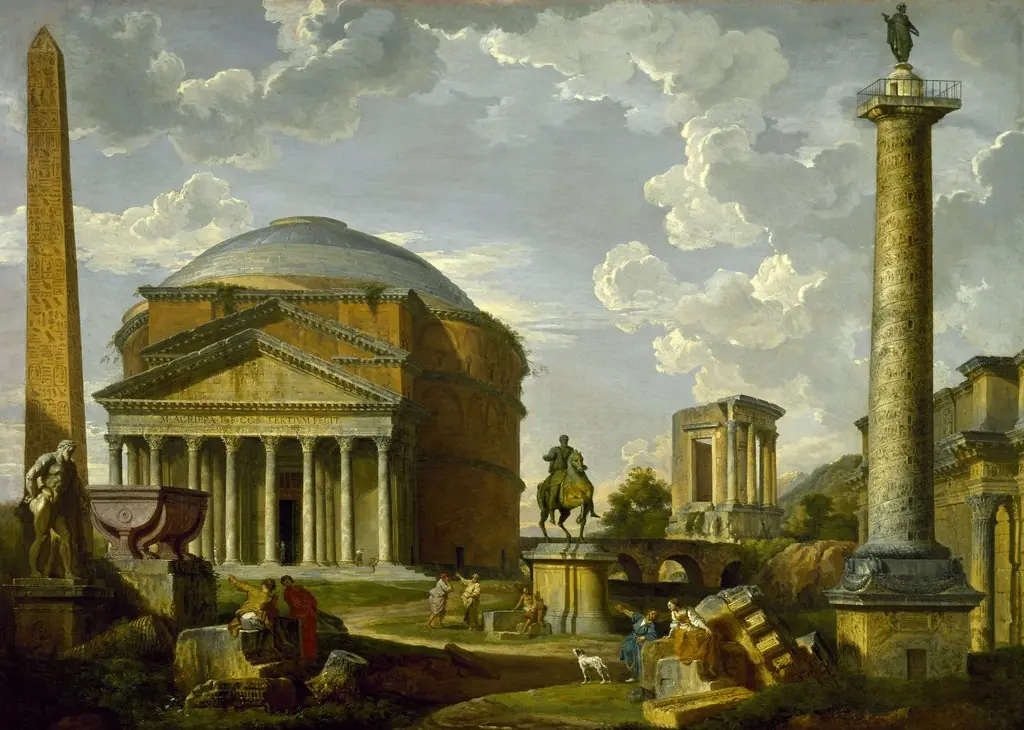
As a vedutista, Panini's work fits within a broader tradition of urban landscape painting, emphasizing Rome's antiquities and landmarks. This painting, with its Rococo sensibilities, highlights the city's beauty and vibrancy during the period.
Legacy
While the painting's direct influence is not broadly documented, it contributes to the enduring popularity of Roman landmarks in art and reinforces Panini's reputation as a meticulous recorder of the city's architectural splendor.
Artist & collection
Artist
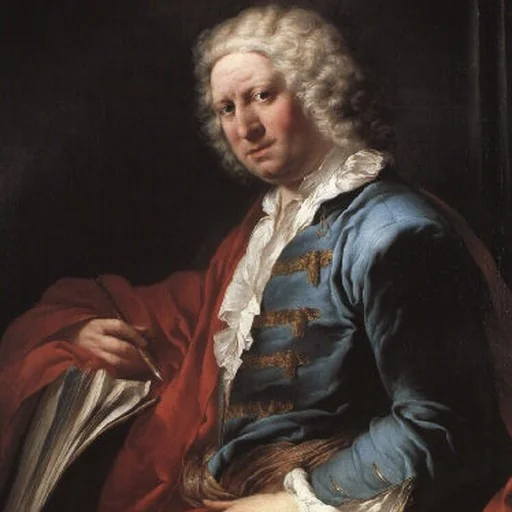
Giovanni Paolo, also known as Gian Paolo Panini or Pannini (17 June 1691 – 21 October 1765), was an Italian Baroque painter and architect who worked in Rome and is primarily known as one of the vedutisti ("view painters").