Artwork
Landscape with ruins, nymphs bathing
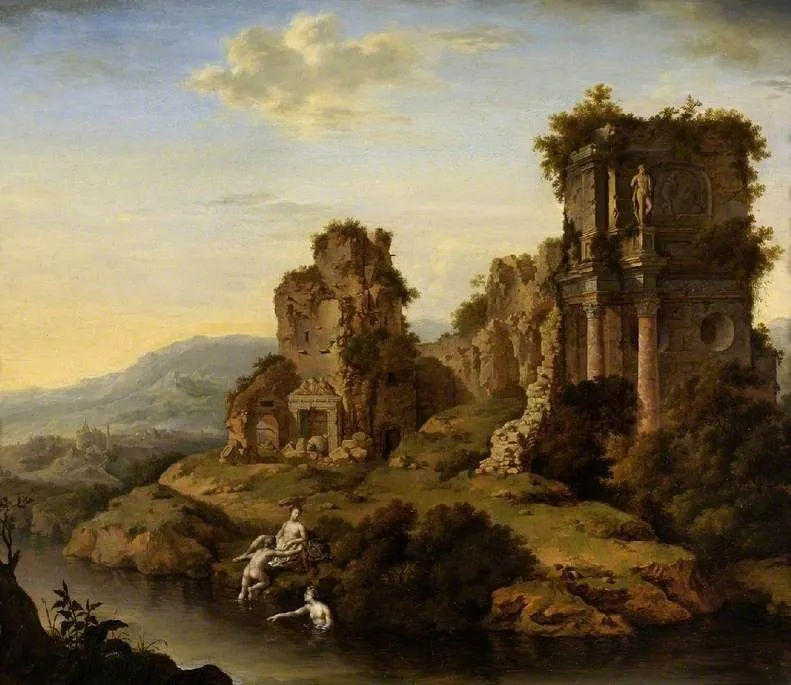
Landscape with ruins, nymphs bathing is an oil painting by Willem van Mieris. It dates from 1730 and is held in the collection of the Fitzwilliam Museum.
About this work
Overview
Willem van Mieris painted Landscape with Ruins, Nymphs Bathing in oil around 1730. The work presents a tranquil pastoral scene framed by classical ruins and a group of mythological figures immersed in water. Currently the canvas belongs to the collection of the Fitzwilliam Museum, where it is displayed as an example of early‑18th‑century Dutch landscape painting.
Subject & Meaning
The composition juxtaposes the decay of ancient architecture with the vitality of youthful nymphs, suggesting a harmonious coexistence of past and nature. The bathing figures, rendered with gentle expressions, evoke classical ideals of beauty and leisure, while the overgrown ruins hint at the passage of time and the reclamation of human constructs by the natural world.
Technique & Style
Van Mieris employs a restrained palette of warm earth tones, allowing the muted hues of stone and foliage to recede into atmospheric depth. Subtle chiaroscuro creates a three‑dimensional effect, modeling the figures and architectural fragments through delicate contrasts of light and shadow. Fine brushwork delineates the crumbling masonry and the soft contours of the nymphs’ bodies.
History & Provenance
Created circa 1730, the painting entered the Fitzwilliam Museum’s holdings through acquisition in the early 20th century, though earlier ownership records are sparse. Its presence in the museum’s collection reflects the institution’s interest in Dutch genre and landscape works that illustrate the transition from Baroque exuberance to Rococo elegance.
Context
The work belongs to a period when Dutch artists increasingly incorporated classical motifs and mythological subjects into landscape settings, blending northern realism with southern idealization. Van Mieris, a member of the Leiden school, often infused his scenes with refined detail and a polished finish, aligning with the tastes of aristocratic patrons who favored cultured, decorative imagery.
Artist & collection






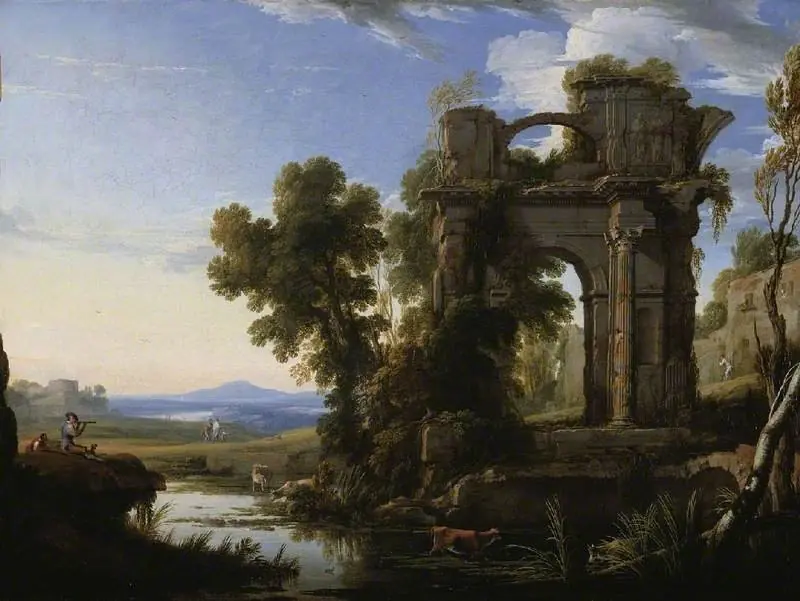 Landscape with classical ruins
 Peisaj cu ruine, personaje și animale
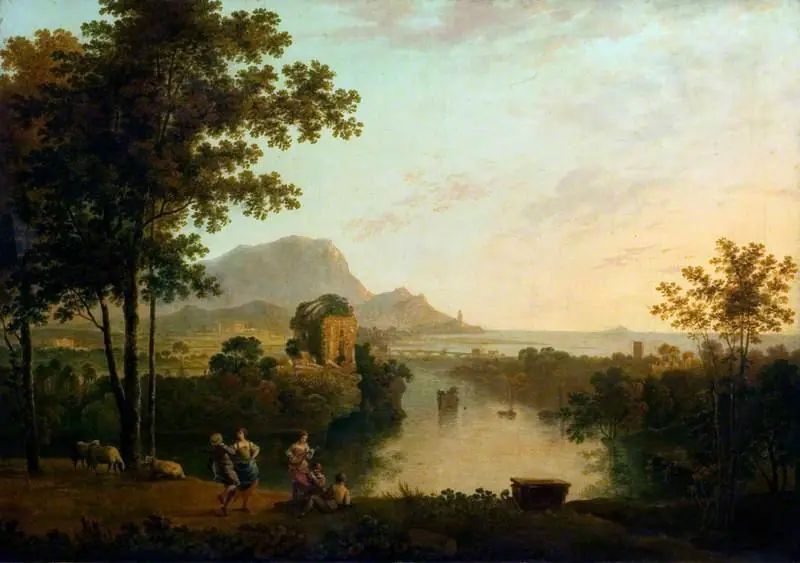 Landscape Composition: River Mouth with Peasants Dancing
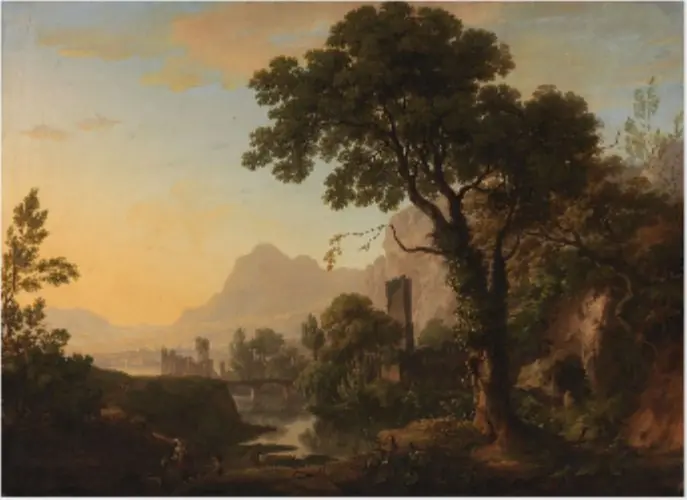 An Idyllic Landscape
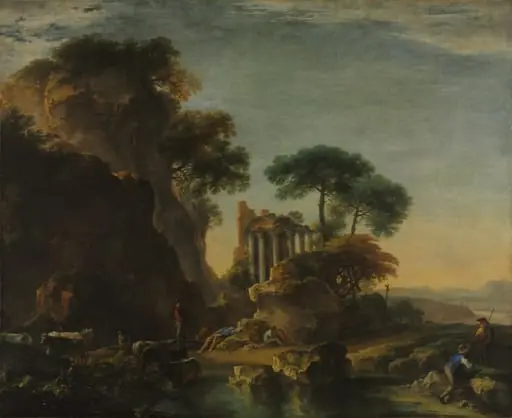 Ruins in a Rocky Landscape
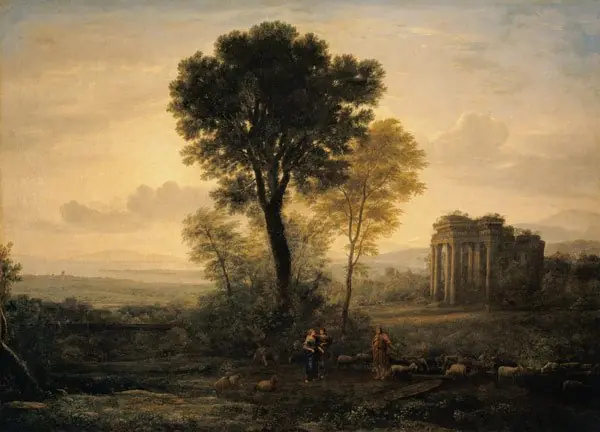 Landscape with Jacob, Rachel and Leah at the Well (Morning)
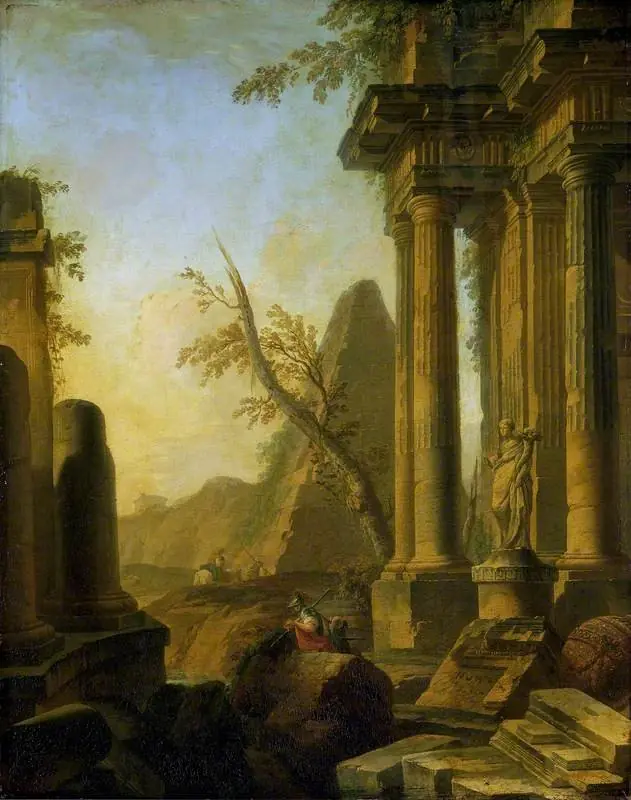 Classical Ruins with Soldiers
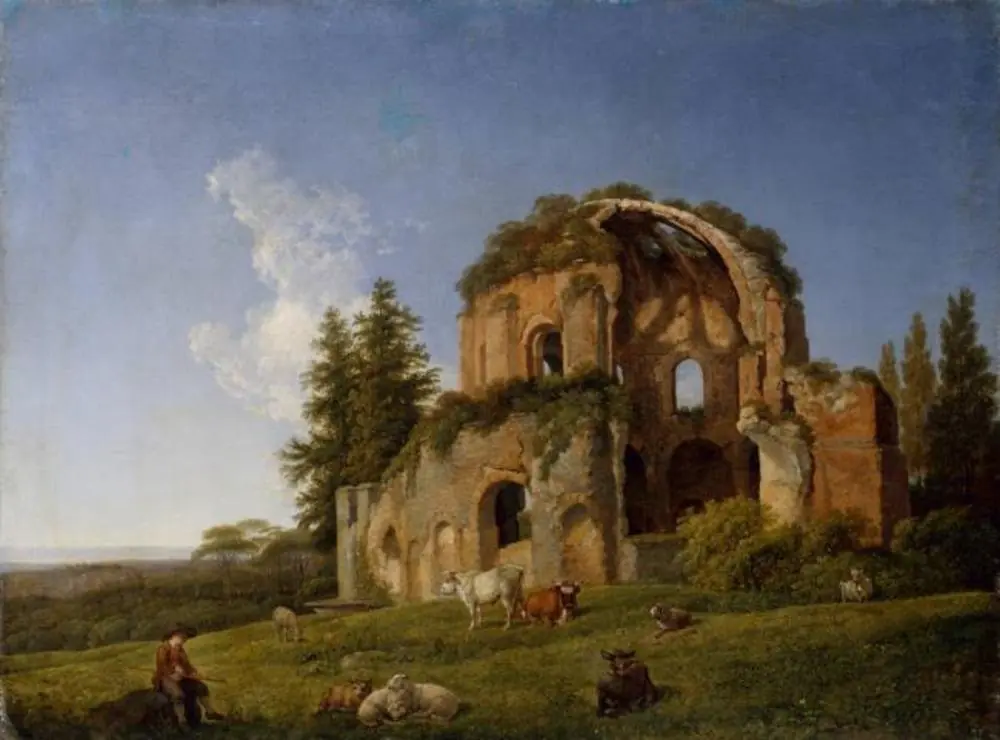 Landscape with the Minerva Medica ruin near Rome
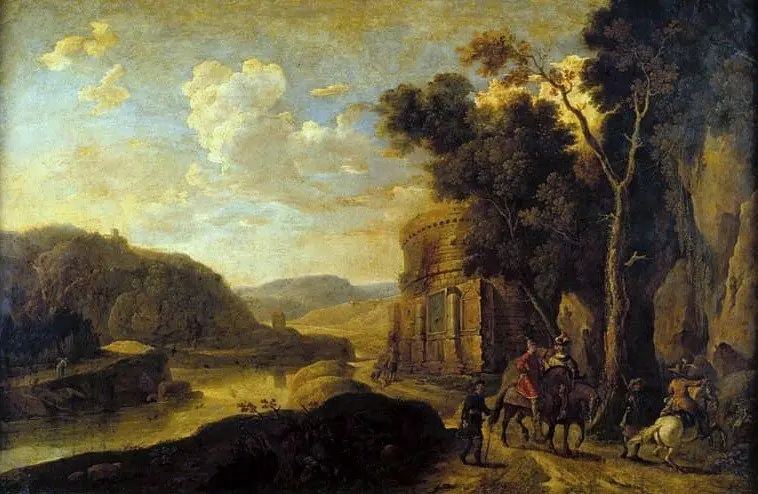 Return from the Hunt
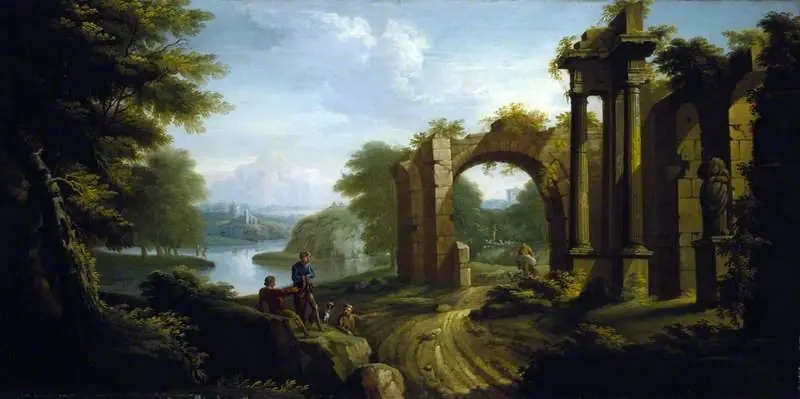 Classical Landscape with Architecture