Artwork
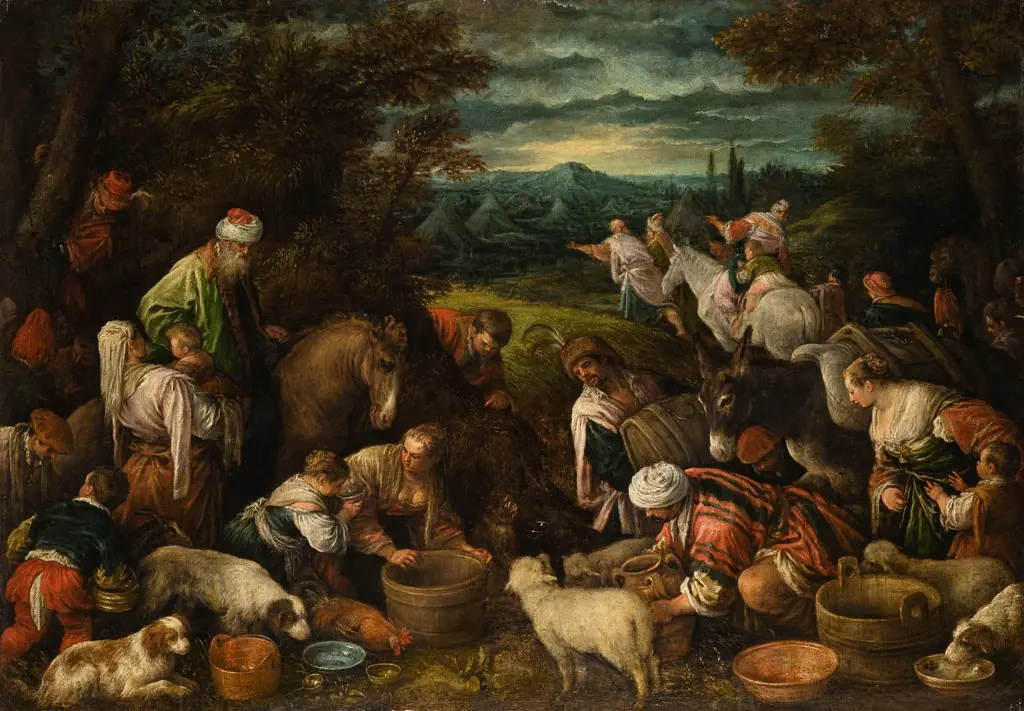
Aufbruch Abrahams ins gelobte Land
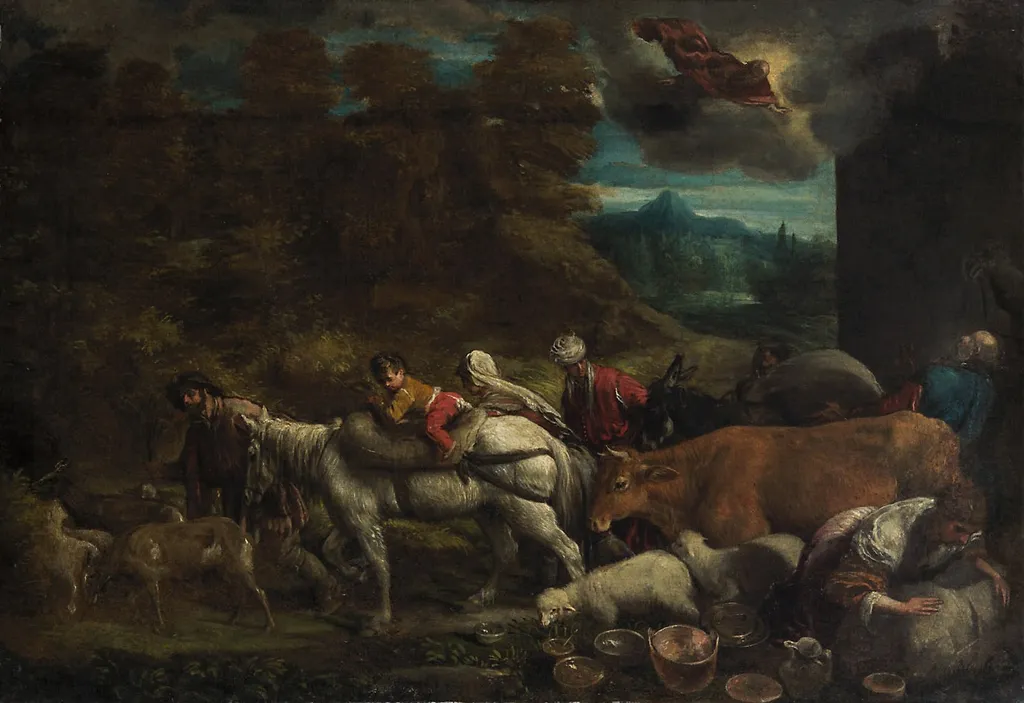
Aufbruch Abrahams ins gelobte Land is an unspecified painting by the Mannerist artist Girolamo da Ponte. It dates from 1592 and is held in the collection of the Kunsthistorisches Museum.
About this work
Overview
Painted in 1592 by Girolamo da Ponte, known as Gerolamo Bassano, this work illustrates the biblical departure of Abraham toward the Promised Land.
Painted in 1592 by Girolamo da Ponte, known as Gerolamo Bassano, this work illustrates the biblical departure of Abraham toward the Promised Land. Executed in the late Mannerist style, it reflects the artist’s engagement with religious narrative and naturalistic detail. A member of the Bassano family of Venetian painters, Girolamo often worked alongside his brother Leandro. The painting is held in the Kunsthistorisches Museum in Vienna, where it remains part of its Renaissance and Mannerist holdings.
Subject & Meaning
The scene captures Abraham’s journey as described in Genesis, with his household and livestock preparing to leave their homeland. Figures are arranged around a white horse, its rider likely Abraham, while domestic animals—cows, sheep, and others—suggest the scale of the migration. A celestial figure in the sky may represent divine guidance, reinforcing the theological theme of faith and obedience. The composition emphasizes movement and transition, aligning with the narrative’s spiritual weight.
Technique & Style
Girolamo employs chiaroscuro to model forms and create spatial depth, particularly in the rendering of animal hides and foliage. Textures are carefully observed: the wool of sheep, the coarse hide of cattle, and the grain of wooden carts are rendered with attention to tactile realism. The Mannerist influence appears in the elongated figures and complex grouping, though the landscape retains a naturalistic tone uncommon in more stylized examples of the movement.
History & Provenance
The painting was completed in 1592 during Girolamo’s mature period, following his collaboration with his brother Leandro on religious commissions across northern Italy. It entered the Habsburg collections before 1600, likely acquired through diplomatic or ecclesiastical channels. Its presence in the Kunsthistorisches Museum since the 19th century confirms its long-standing recognition within imperial Austrian collections as a significant work of Venetian Mannerism.
Context
In late 16th-century Venice, religious subjects remained central to artistic production, even as Mannerist aesthetics evolved. Girolamo, trained in his father Jacopo’s workshop, inherited a tradition of blending biblical themes with everyday rural life. This painting reflects a broader trend among Venetian artists to ground sacred narratives in observable, tangible environments, distinguishing them from the idealized compositions of central Italian counterparts.
Legacy
Though Girolamo Bassano is less widely studied than his father or brother, this work exemplifies the quiet innovation within his oeuvre—merging Mannerist composition with detailed naturalism. It contributes to understanding how Venetian painters adapted religious storytelling through close observation of the physical world. The painting continues to serve as a reference for the regional development of Mannerist narrative painting in the late Renaissance.
Artist & collection
Artist
Girolamo da Ponte also known as Gerolamo Bassano (3 June 1566 in Bassano del Grappa – 8 November 1621 in Venice) was an Italian painter of the Renaissance period.

 The Israelites in the Desert
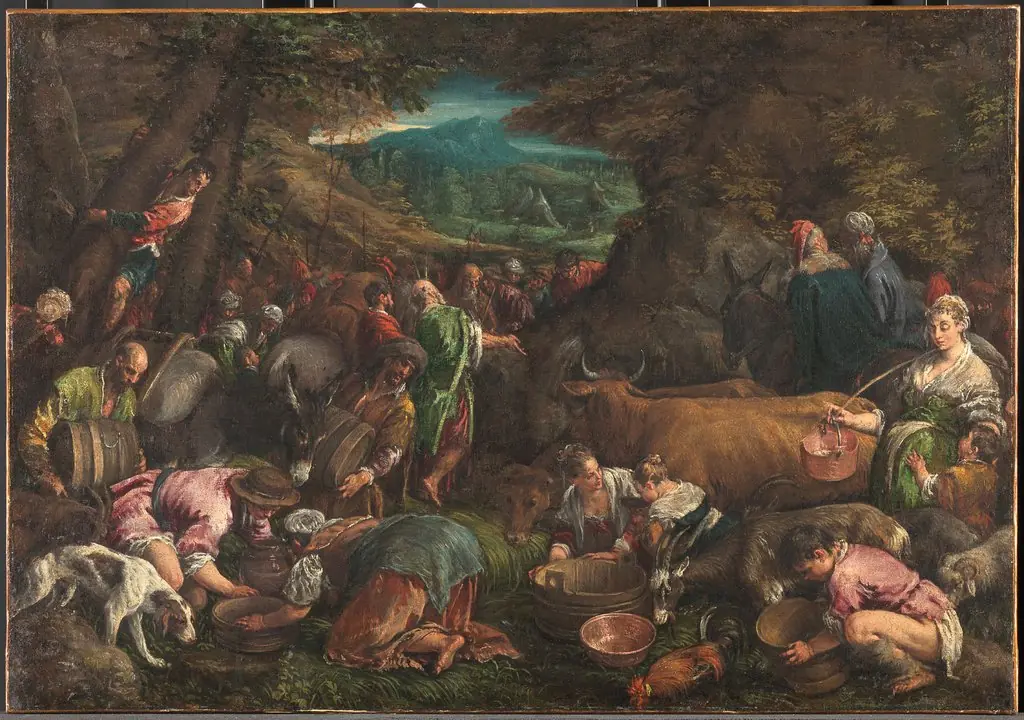 Moses schlägt Wasser aus dem Felsen
 Rückkehr von der Jagd
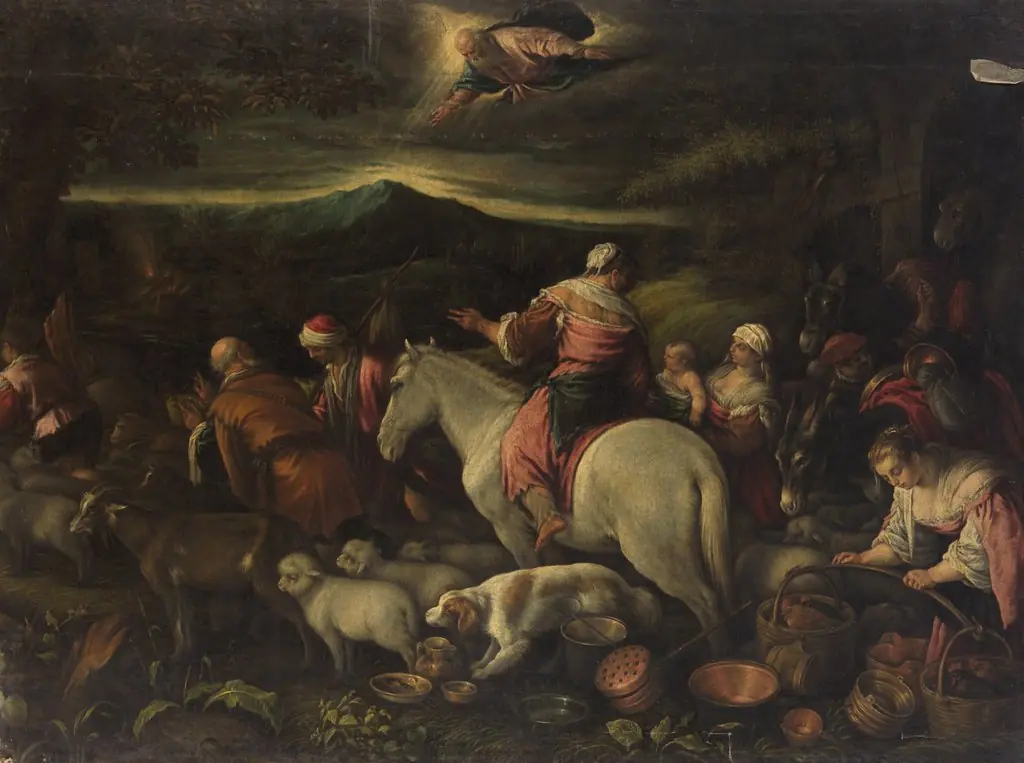 Aufbruch Abrahams ins gelobte Land
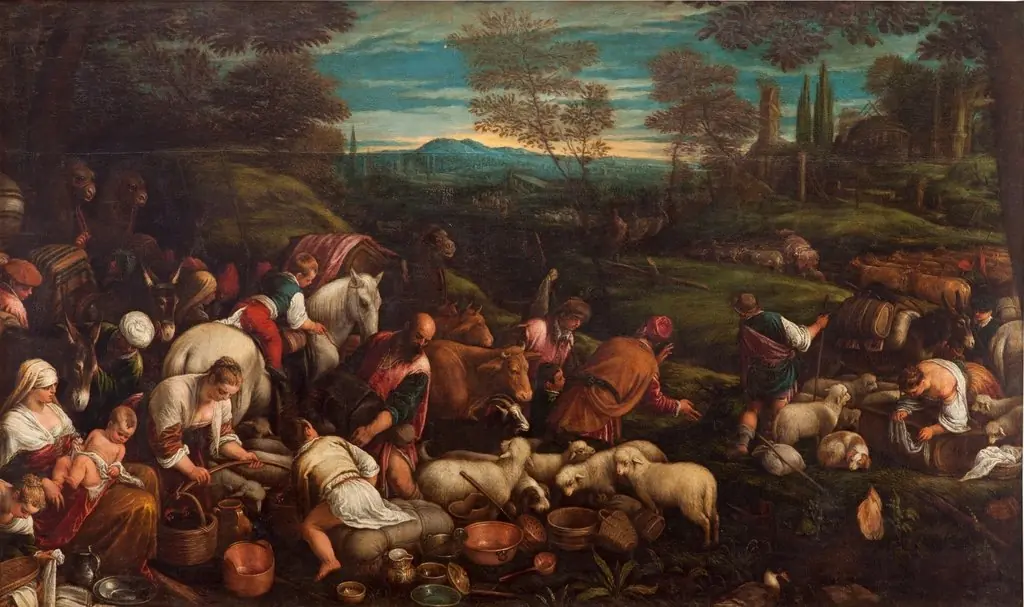 Viaje de Jacob
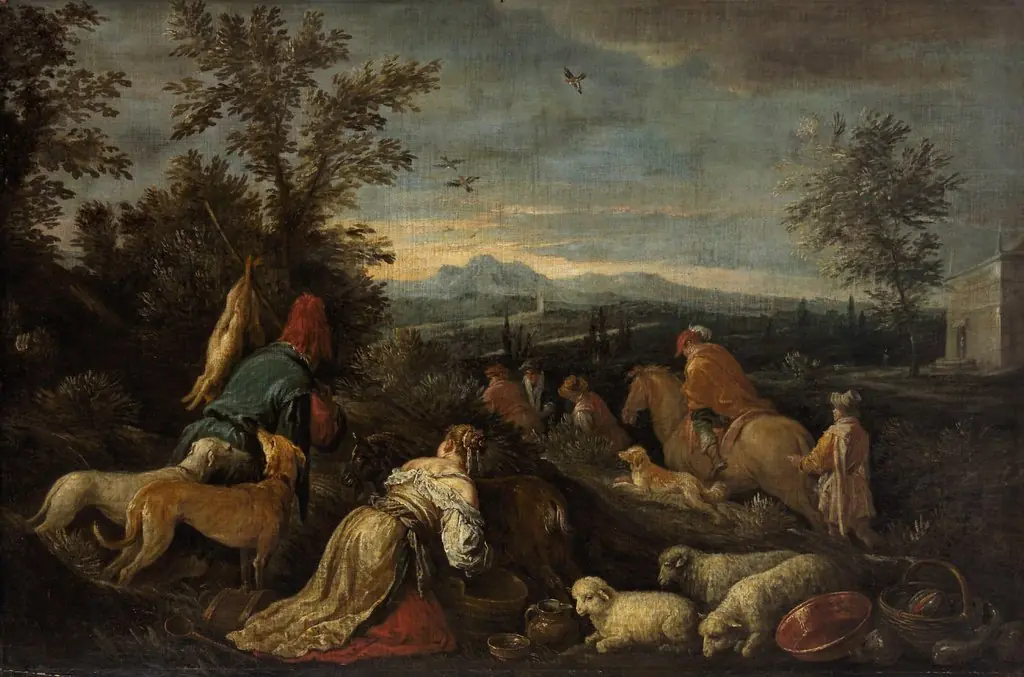 Jagd
Jagd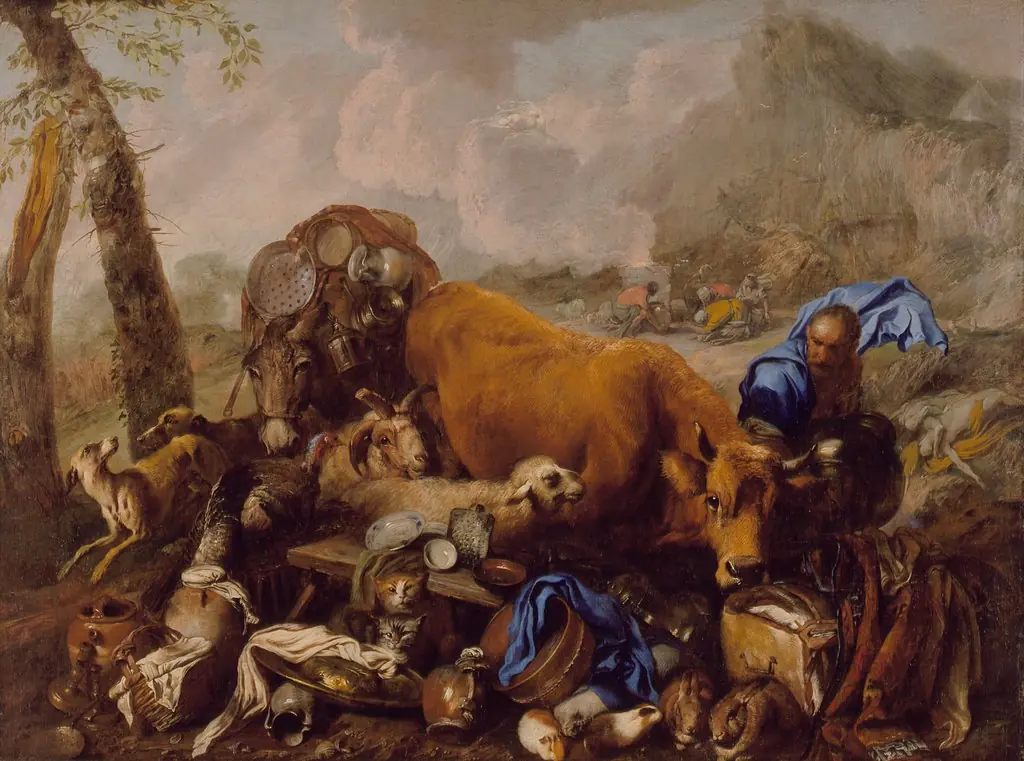 Noah's Sacrifice after the Deluge
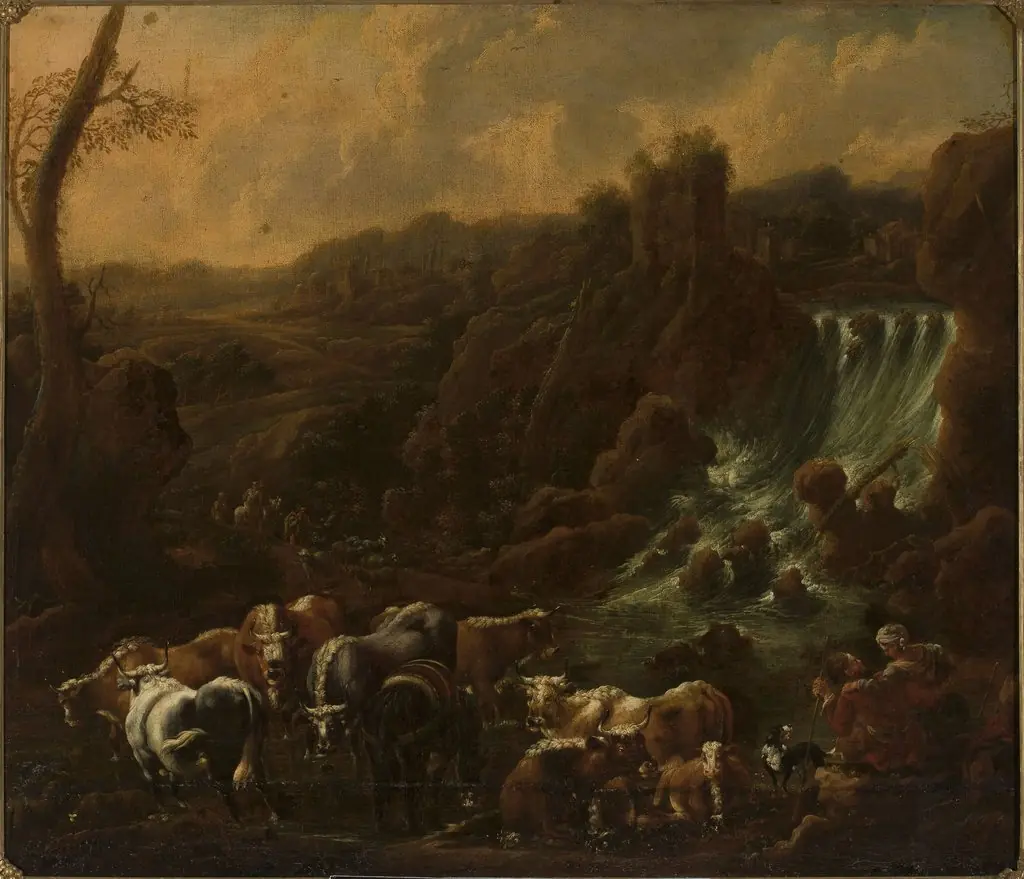 Cattle at the waterfall
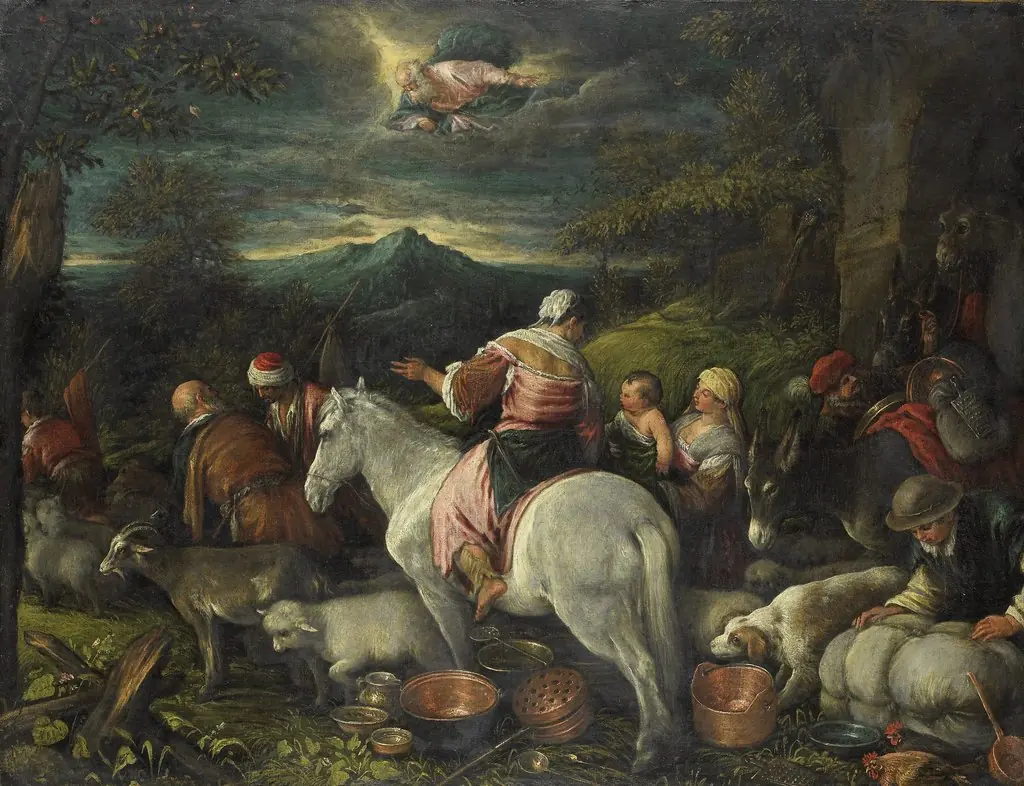 Abraham leaves Haran for Egypt
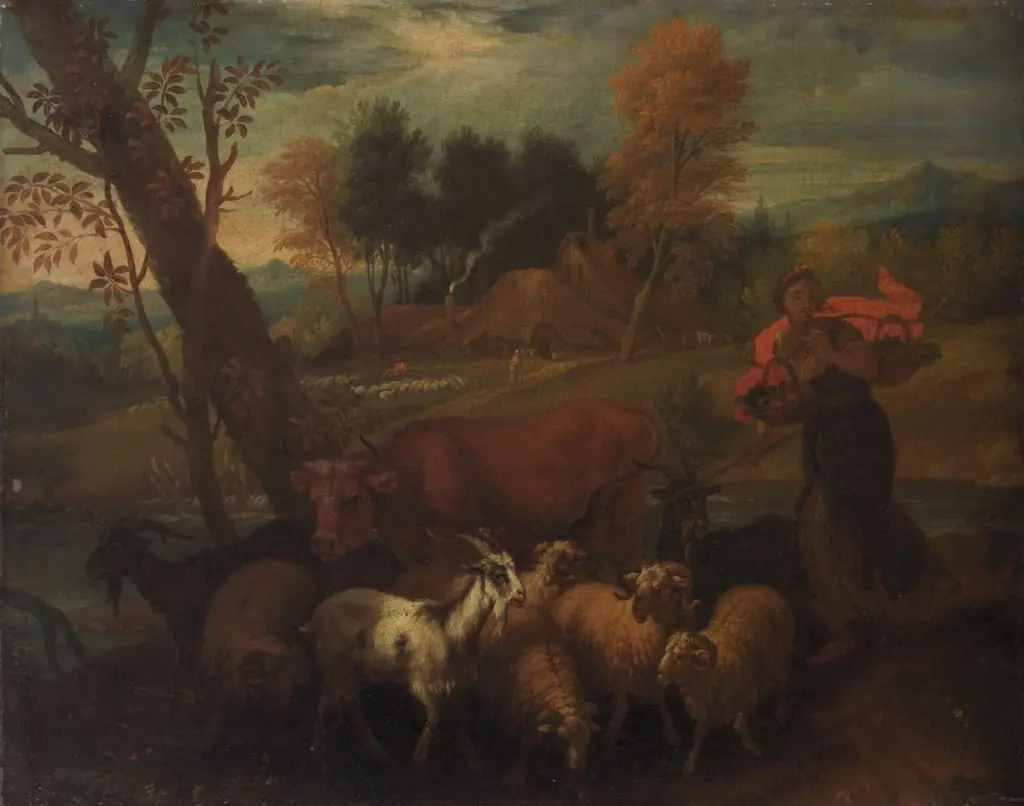 Landschaft mit Hirtin und Herde
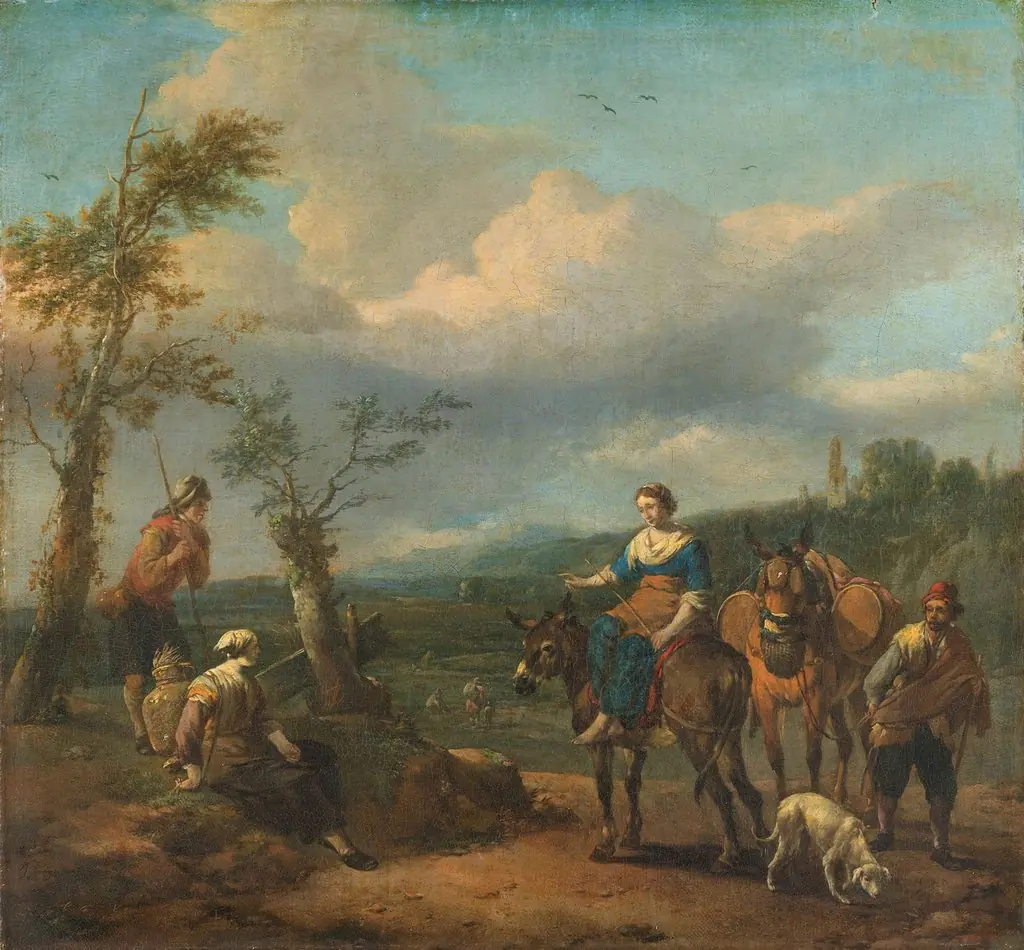 Italian landscape with figures
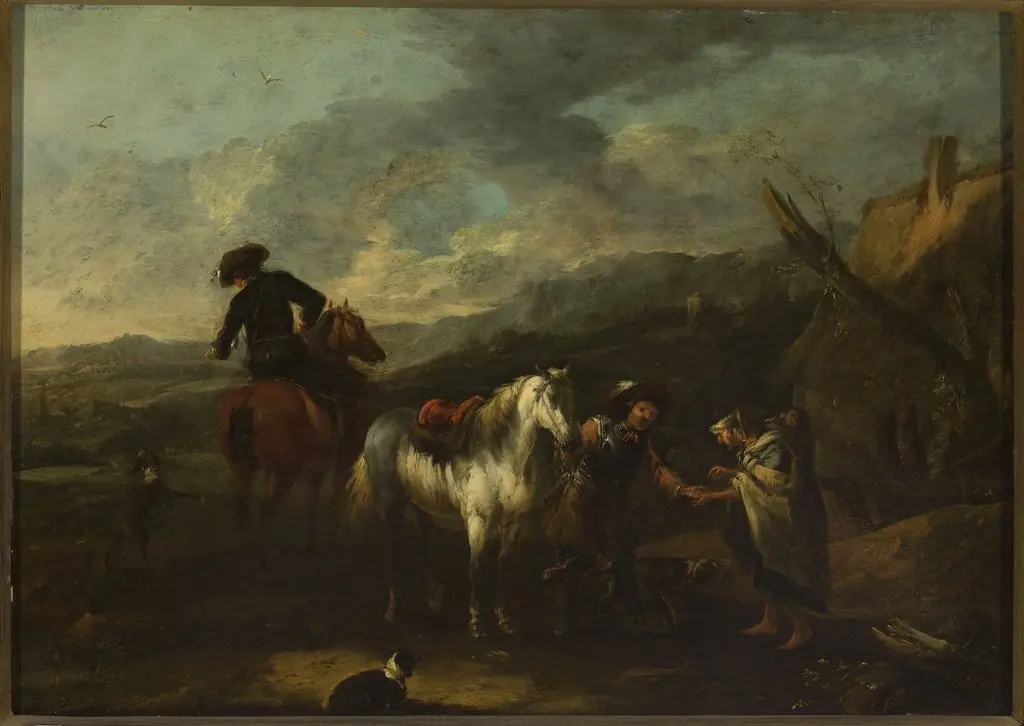 Horsemen and a beggar woman against landscape