Artwork
Landscape, evening effect
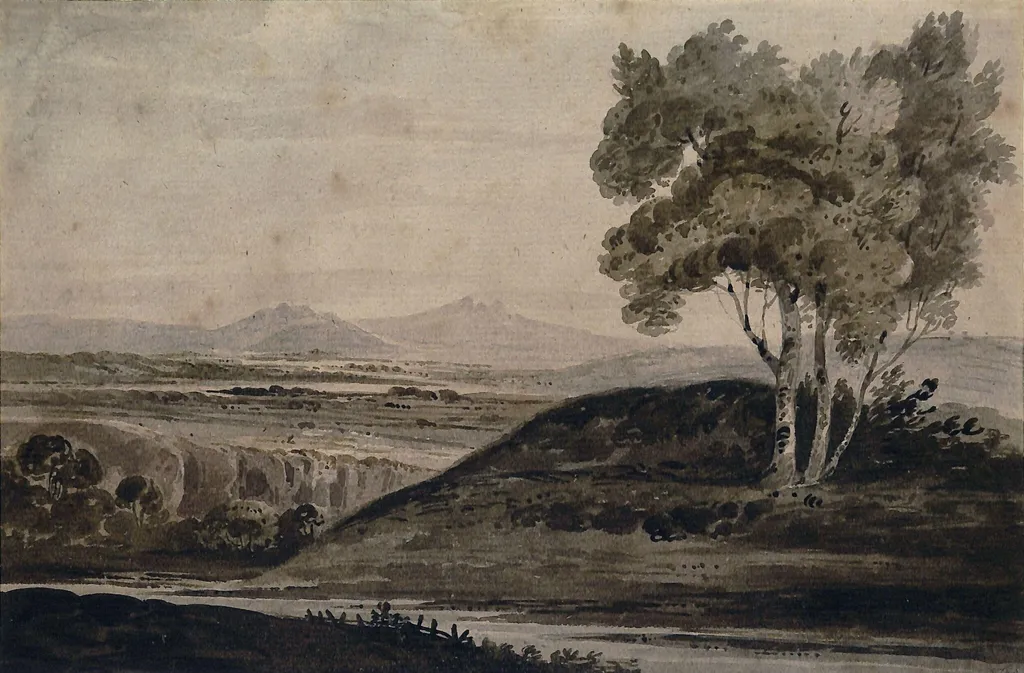
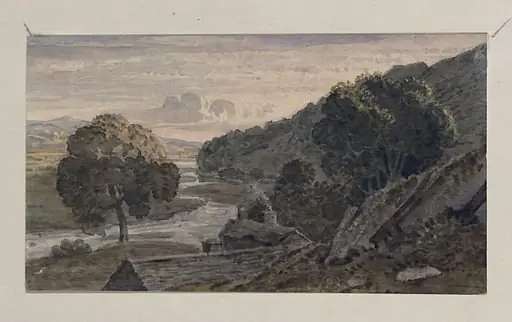
Landscape, evening effect is a watercolor work on paper by Girtin. It dates from 1750 and is held in the collection of the Victoria and Albert Museum.
About this work
Overview
John Girtin’s watercolour presents a tranquil evening countryside. A solitary tree crowns a gentle hill, its dark silhouette set against a pale, waning sky. Below, expansive fields lead the eye toward distant hills, while a modest stream winds through the foreground, dividing the landscape into light and shade.
Subject & Meaning
The composition captures a moment of dusk, emphasizing the quiet transition between day and night. The lone tree serves as a focal point, suggesting solitude within the natural world, while the flowing water introduces a subtle sense of movement amid the stillness of the surrounding fields and distant mountains.
Technique & Style
Girtin employs swift, loosely applied brushstrokes that convey the fleeting quality of evening light. A muted palette of soft blues, greys, and earth tones creates a subdued atmosphere, while the delicate washes allow the sky and water to blend seamlessly, reinforcing the sense of a fading day.
Context
Created during Girtin’s prolific period of landscape watercolours, this work reflects the artist’s interest in atmospheric effects and the English countryside. Though specific provenance details are scarce, the piece aligns with his broader oeuvre that contributed to the development of the Romantic landscape tradition in early 19th‑century Britain.
Own this work as a print
Artist & collection
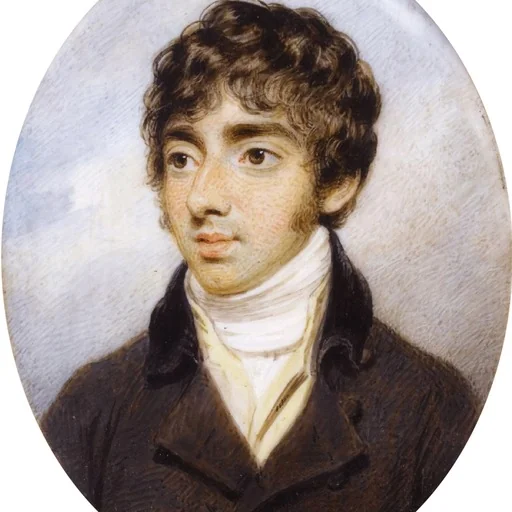
Artist
Thomas Girtin (18 February 1775 – 9 November 1802) was an English watercolourist and etcher. A friend and rival of J. M. W. Turner, Girtin played a key role in establishing watercolour as a reputable art form.

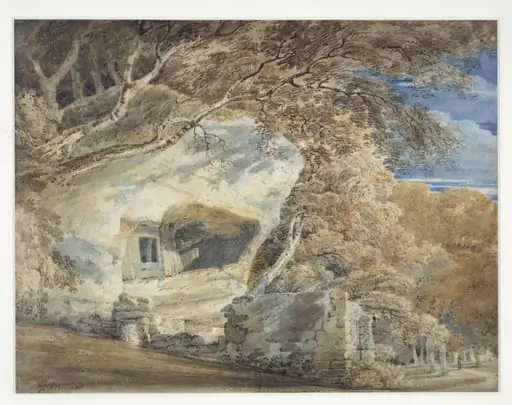
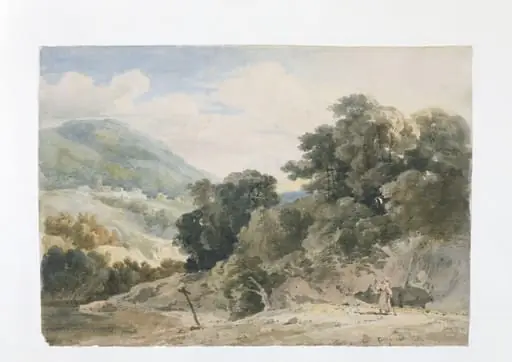
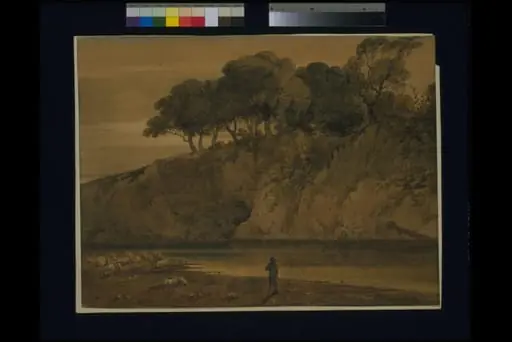
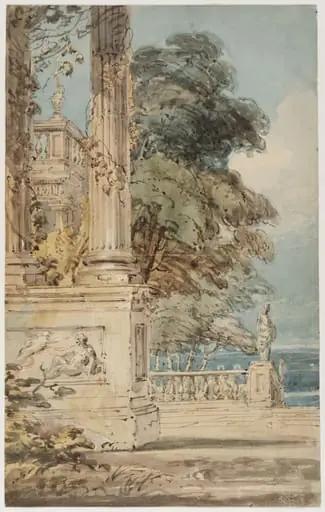
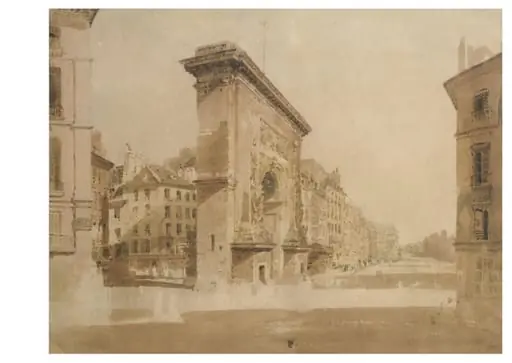
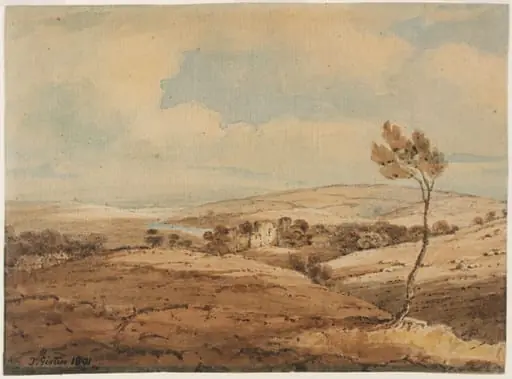
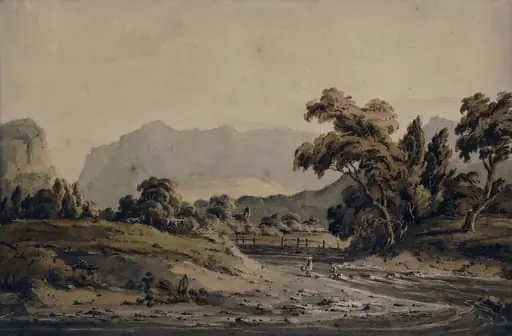 Rydal Head, Ambleside, Westmorland
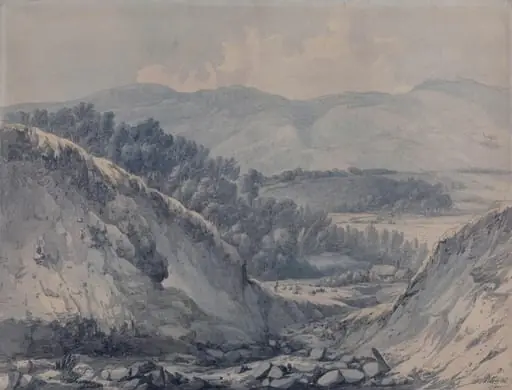 Near Dolgelly
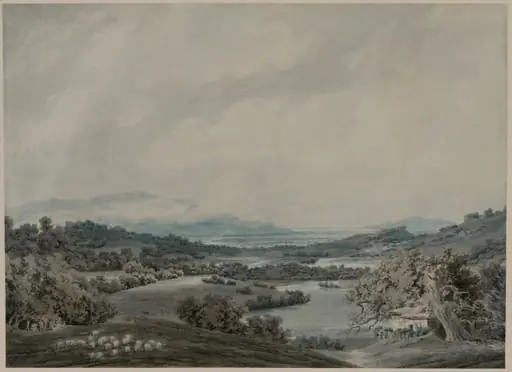 Italian Landscape
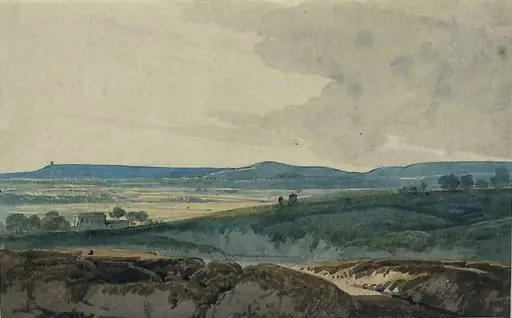 Landscape
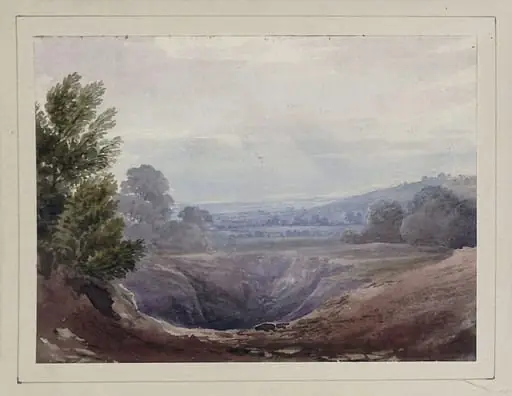 Landscape
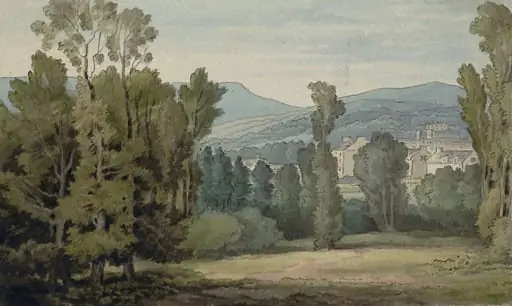 From the Bridewell Terrace, Exeter
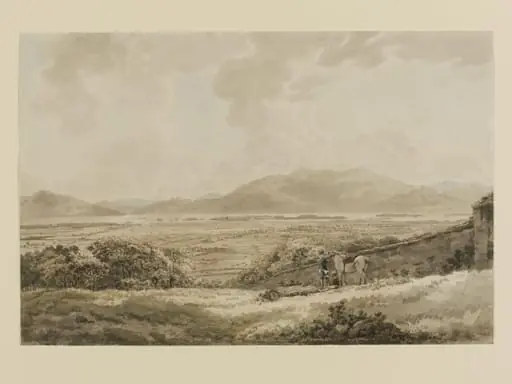 Killarney and Lake
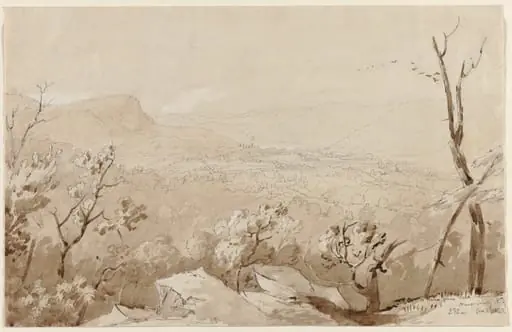 A View from Bald Mountain, Orange County, N.Y.
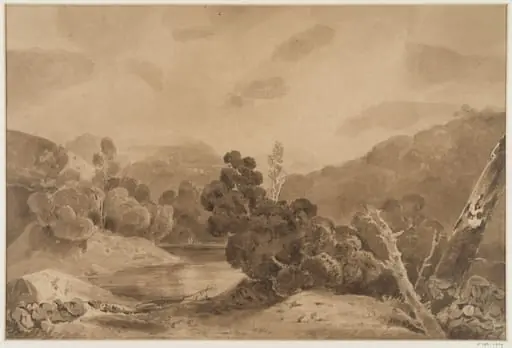 River scene with a temple or palace in the clouds
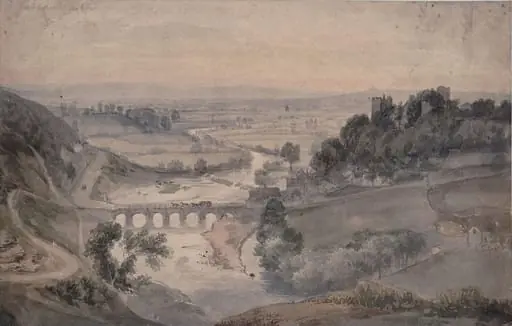 Ludlow Castle, overlooking the River Teme
 Landscape, with a wiinding river - evening