Artwork
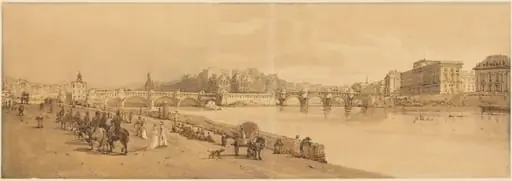
View of the Village of Chaillot from the Pont de la Concorde: pl.17
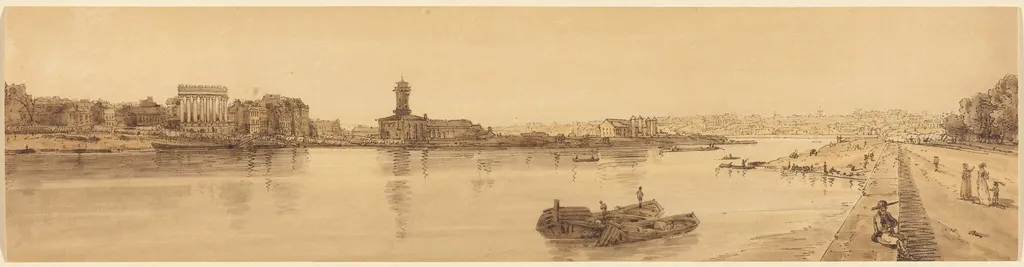
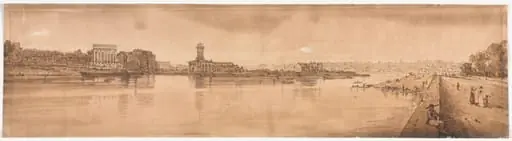
View of the Village of Chaillot from the Pont de la Concorde: pl.17 is a graphite print by the Romanticist artist Thomas Girtin. It dates from 1802 and is held in the collection of the National Gallery of Art.
About this work
Overview
Thomas Girtin’s 1802 print, titled View of the Village of Chaillot from the Pont de la Concorde (pl. 17), presents a tranquil river scene rendered in soft‑ground etching. The composition captures a stretch of the Seine with modest vessels, a few pedestrians along the bank, and a prominent classical building with columns and a central tower visible on the left.
Subject & Meaning
The work depicts a quiet moment along the Seine, emphasizing the everyday life of the river’s edge and the architectural presence of the nearby village. By focusing on the calm water and sparse human activity, Girtin conveys a sense of stillness and contemplation, inviting viewers to consider the relationship between natural landscape and built environment.
Technique & Style
Executed with soft‑ground etching, the image is further refined by pencil additions and washes of brown and ochre. The delicate lines and muted tonal washes create a dreamlike atmosphere, while the limited palette maintains a restrained, atmospheric quality typical of Girtin’s early 19th‑century landscape prints.
History & Provenance
Created in 1802, the print forms part of Girtin’s series of topographical studies of Parisian locales. It was circulated as a plate in a collection of views, though specific ownership records for this particular impression are scarce, reflecting the modest distribution of many early prints.
Artist & collection


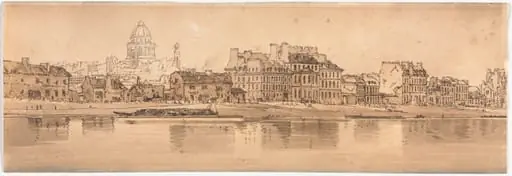 A Selection of Twenty of the Most Picturesque Views in Paris: View of the Pantheon taken from the Arsenal
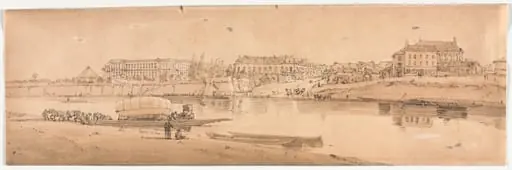 A Selection of Twenty of the Most Picturesque Views in Paris: View of the Palace and Village of Choisi on the Banks of the Seine
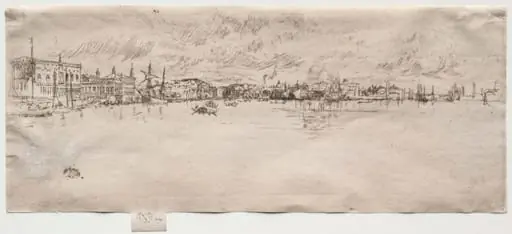 Long Venice
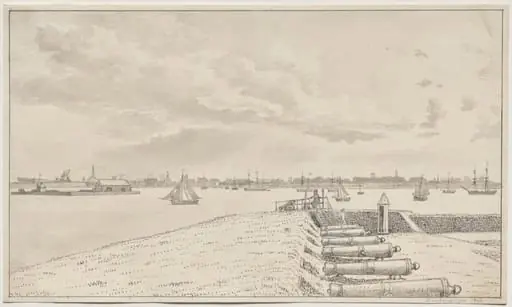 View from the Battery toward the City
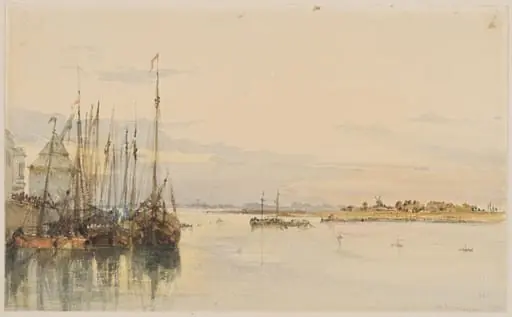 Nimwegen
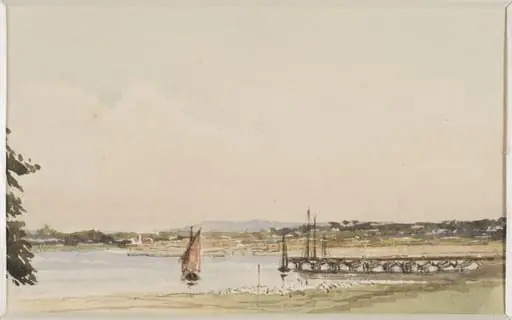 Greenhithe Pier
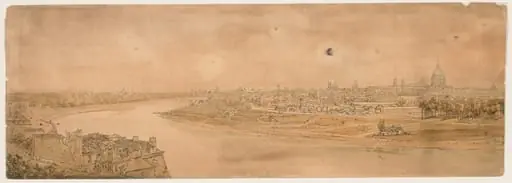 A Selection of Twenty of the Most Picturesque Views in Paris: A General View of Paris, taken from Chaillot
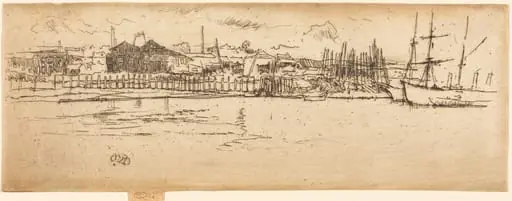 Dry-Dock, Southampton
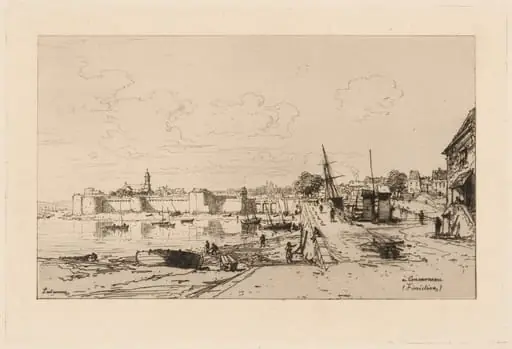 À Concarneau (Finistère)
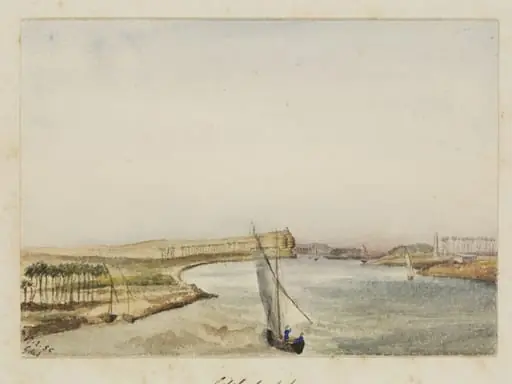 `Gibel-el-dab'
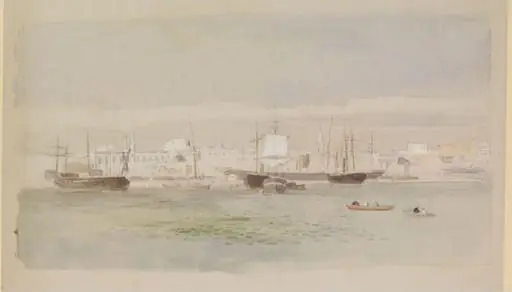 Shipping in Alexandria Harbour
 A Selection of Twenty of the Most Picturesque Views in Paris: View of the Village of Chaillot, taken from Pont de la Concorde