Artwork
Evangelist symbols
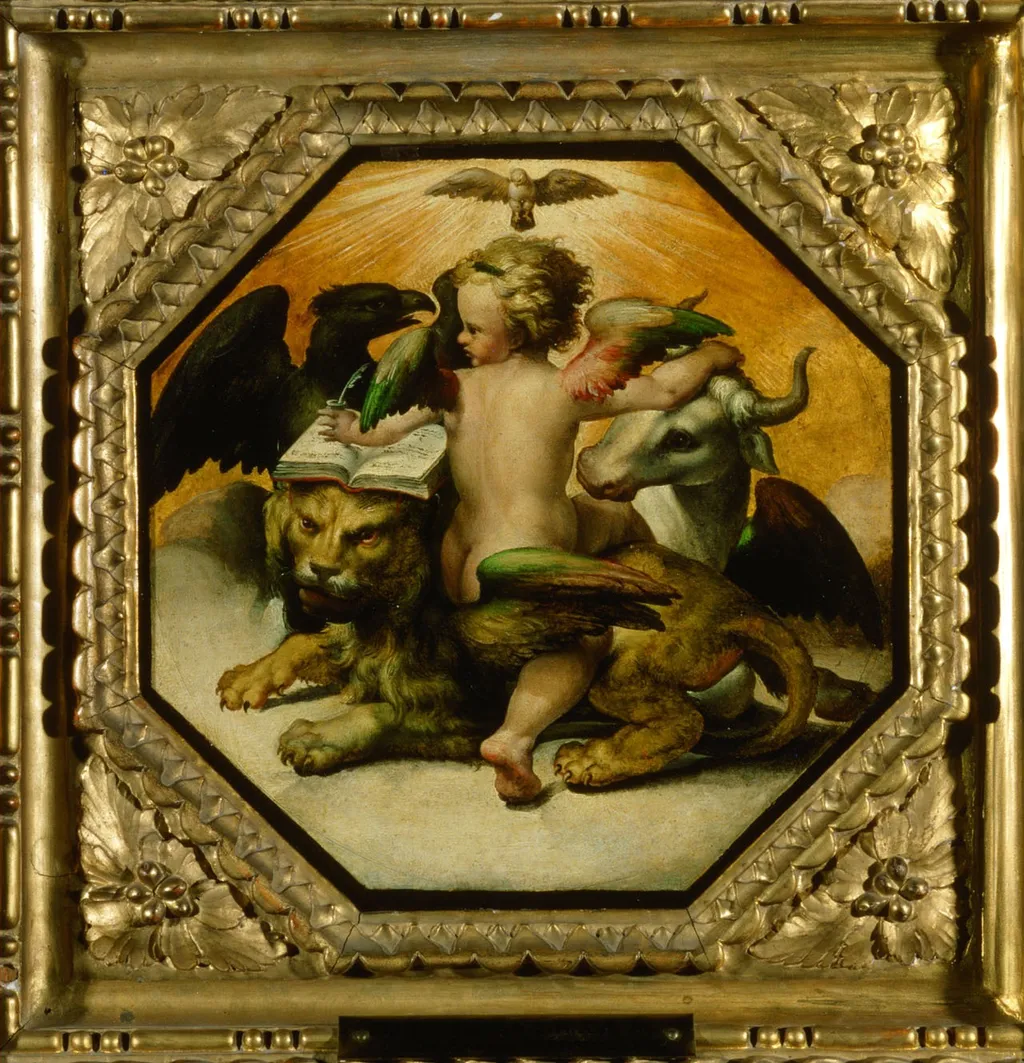
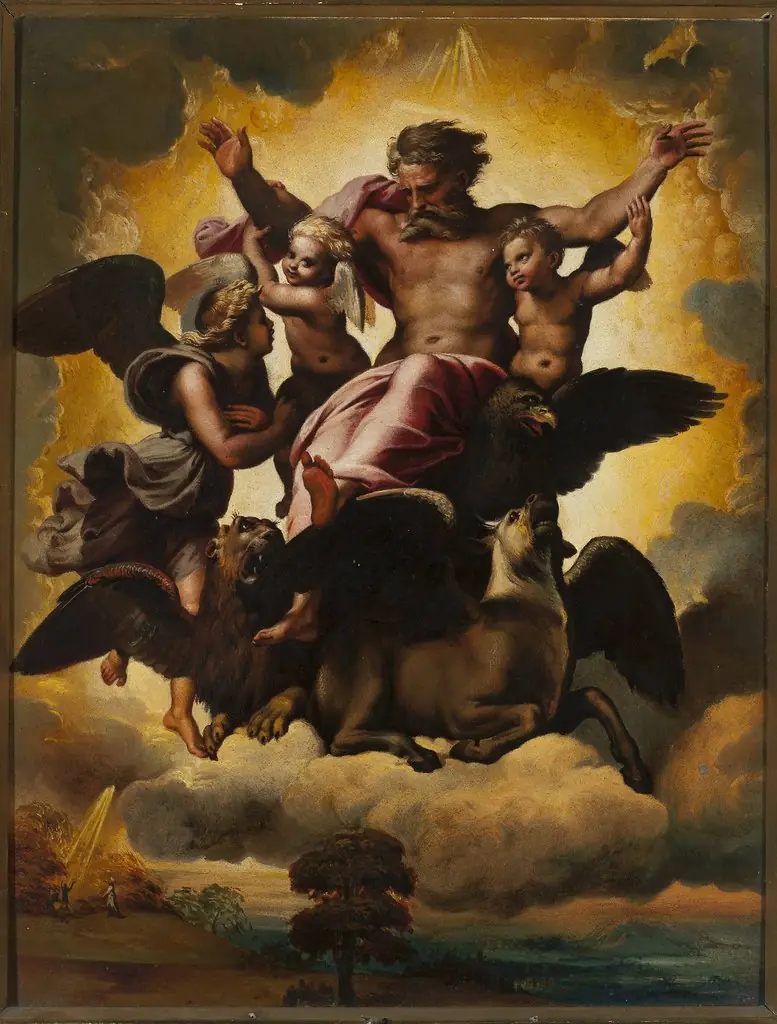
Evangelist symbols is an unspecified painting by the Mannerist artist Giulio Romano. It dates from 1522 and is held in the collection of the Kunsthistorisches Museum.
About this work
Overview
Giulio Romano, a disciple of Raphael, painted the work titled *Evangelist symbols* in 1522. Executed during the early phase of Mannerism, the piece is a religious composition now part of the collection of the Kunsthistorisches Museum in Vienna.
Subject & Meaning
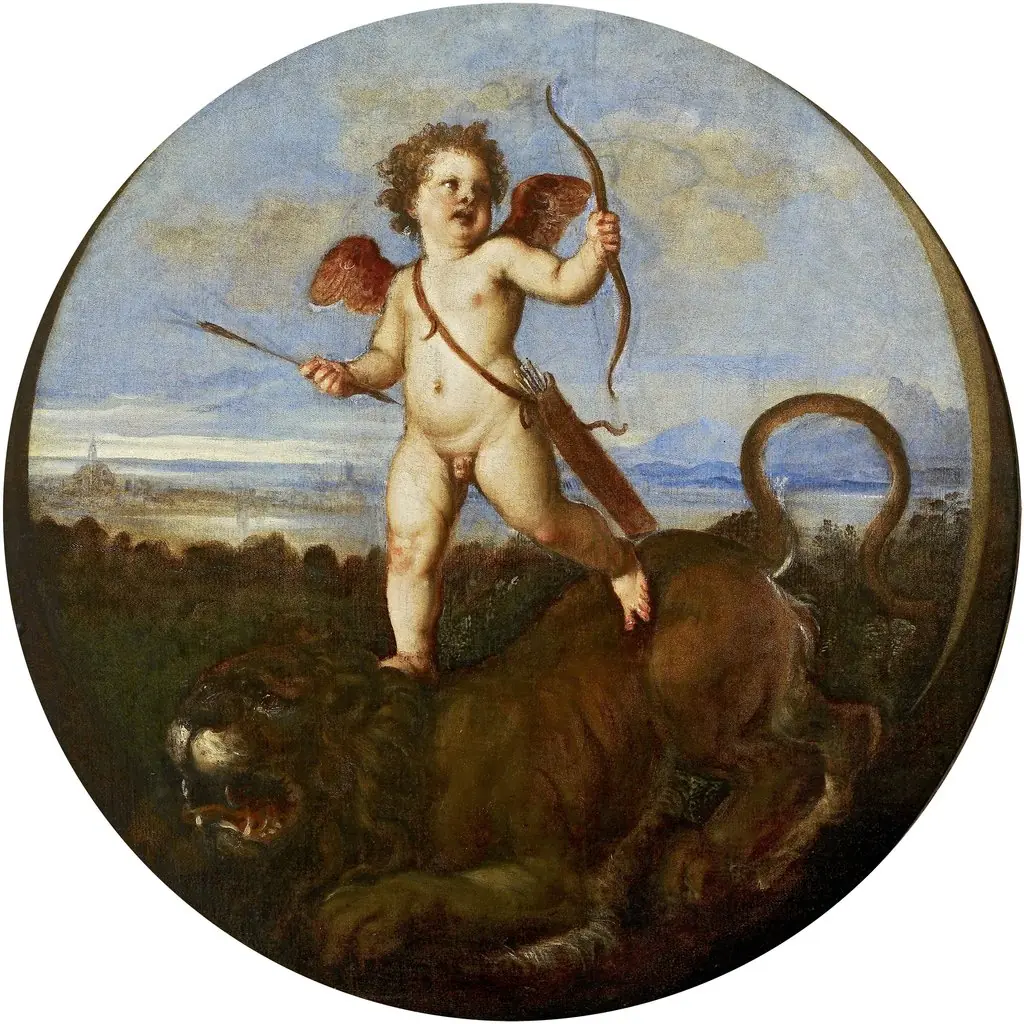
The central figure is a cherubic child with small wings, clutching an open book. He is perched upon a composite group of animals—a lion, a bull and a bird—each traditionally associated with the four Evangelists in Christian iconography, suggesting the painting’s function as a visual representation of the Gospels.
Technique & Style
Romano employs the elongated forms, exaggerated poses and vivid coloration characteristic of Mannerist art. The child’s rounded limbs, curly hair and delicate wings contrast with the stylized, almost sculptural rendering of the lion’s head, the upward‑curving bull’s horns and the brightly feathered bird, all set against a warm, muted background.
History & Provenance
Created shortly after Romano’s move from Rome to Mantua, the painting entered the Kunsthistorisches Museum’s holdings in the 19th century, where it has remained on display as part of the museum’s Renaissance collection.
Context
Romano’s departure from the balanced classicism of his master Raphael marks a shift toward the artificial elegance of Mannerism. By integrating symbolic animal motifs with a cherubic figure, the work reflects contemporary interests in allegorical complexity and the reinterpretation of traditional religious themes.
Artist & collection
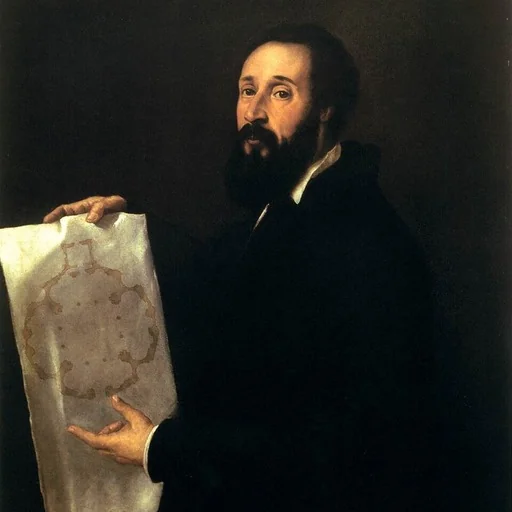
Artist
Giulio Pippi (c. 1499 – 1 November 1546), known as Giulio Romano (US: JOOL-yoh rə-MAH-noh( Italian: ) and sometimes known in French as Jules Romain, was an Italian painter and architect. He was a pupil of Raphael, and…

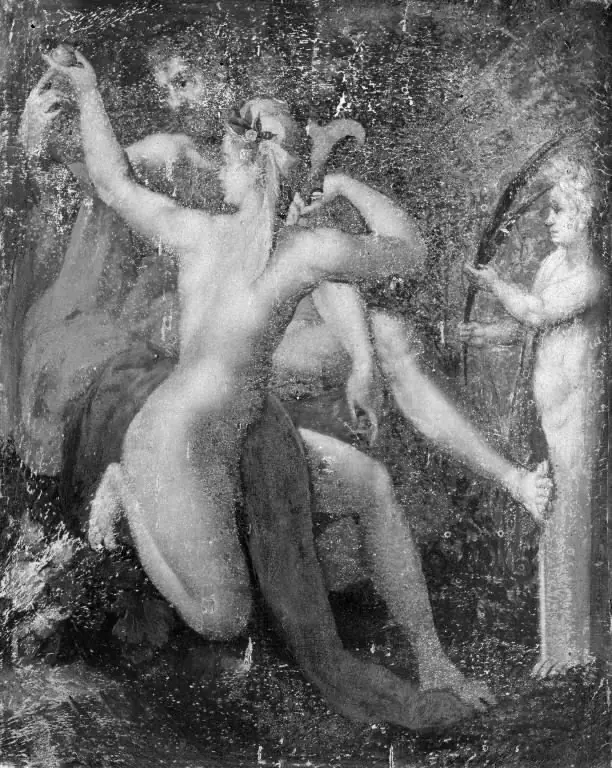 Vertumnus and Pomona
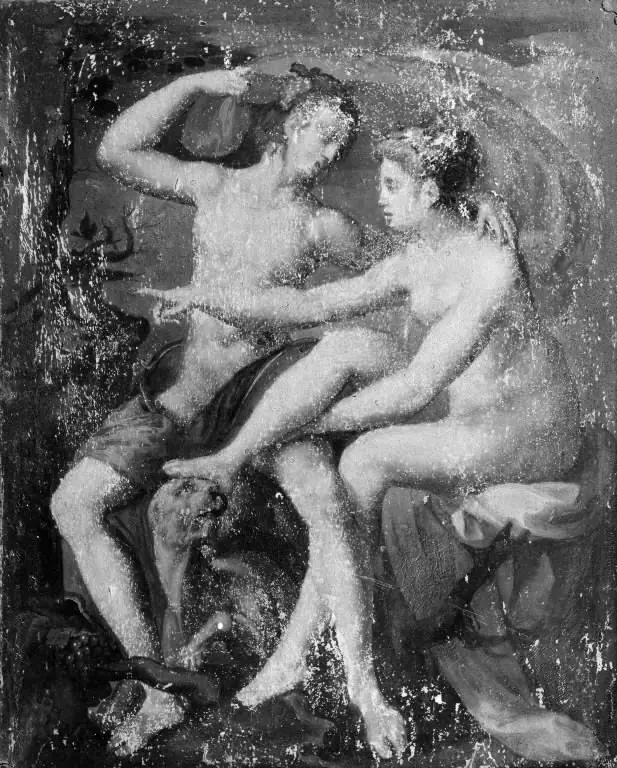 Bacchus and Ariadne
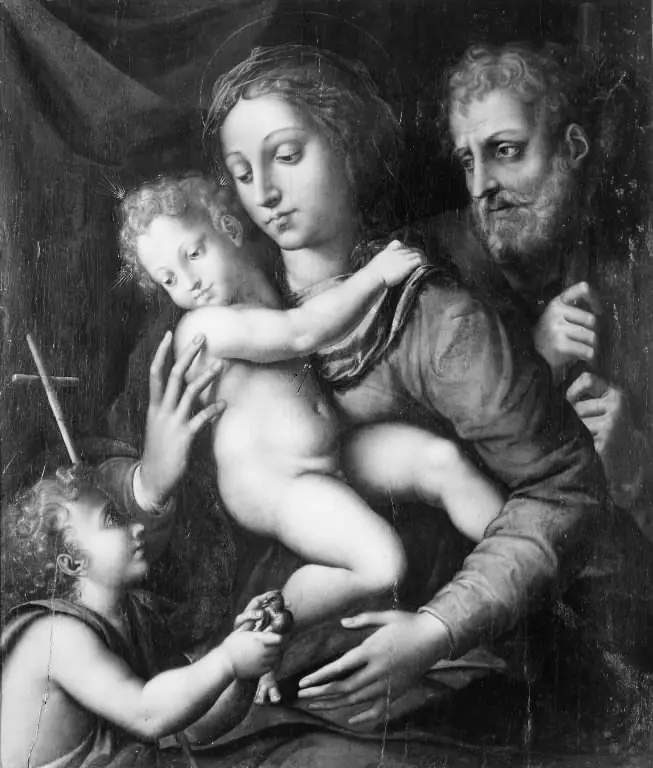 The Holy Family, St John with a small Bird in his Hand
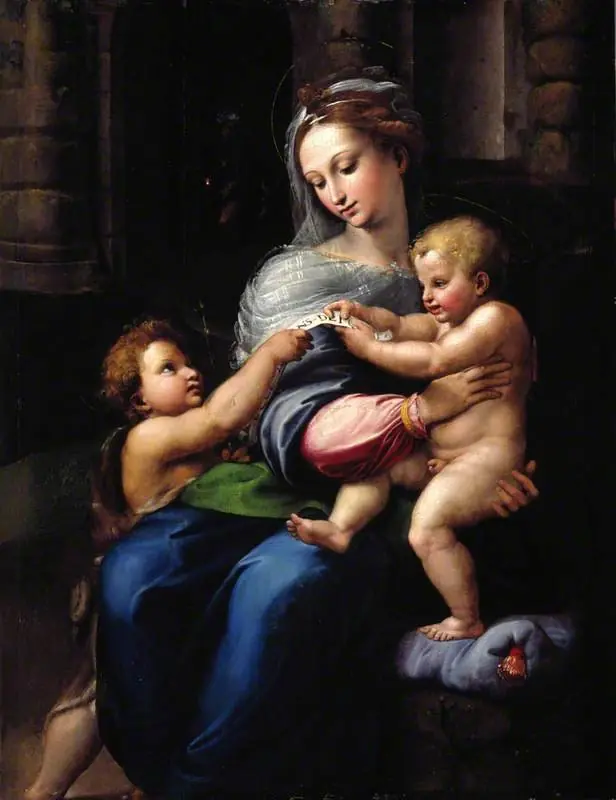 The Holy Family with the Infant Saint John the Baptist
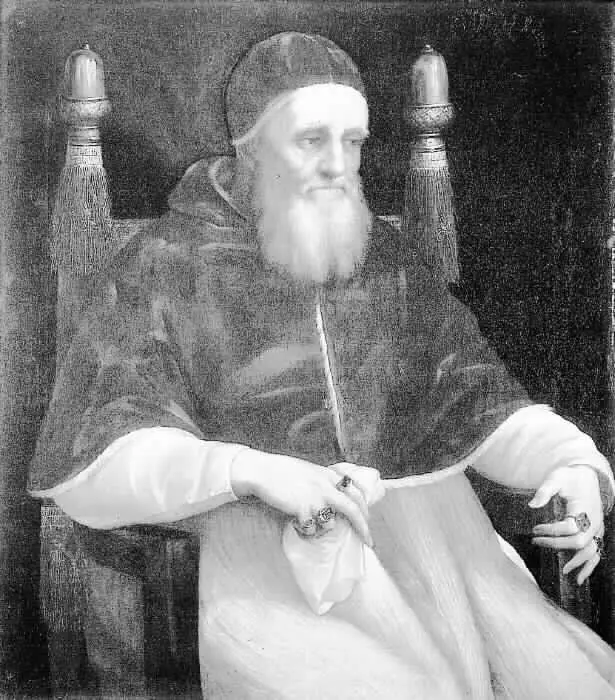 Pope Julius II (1443-1513)
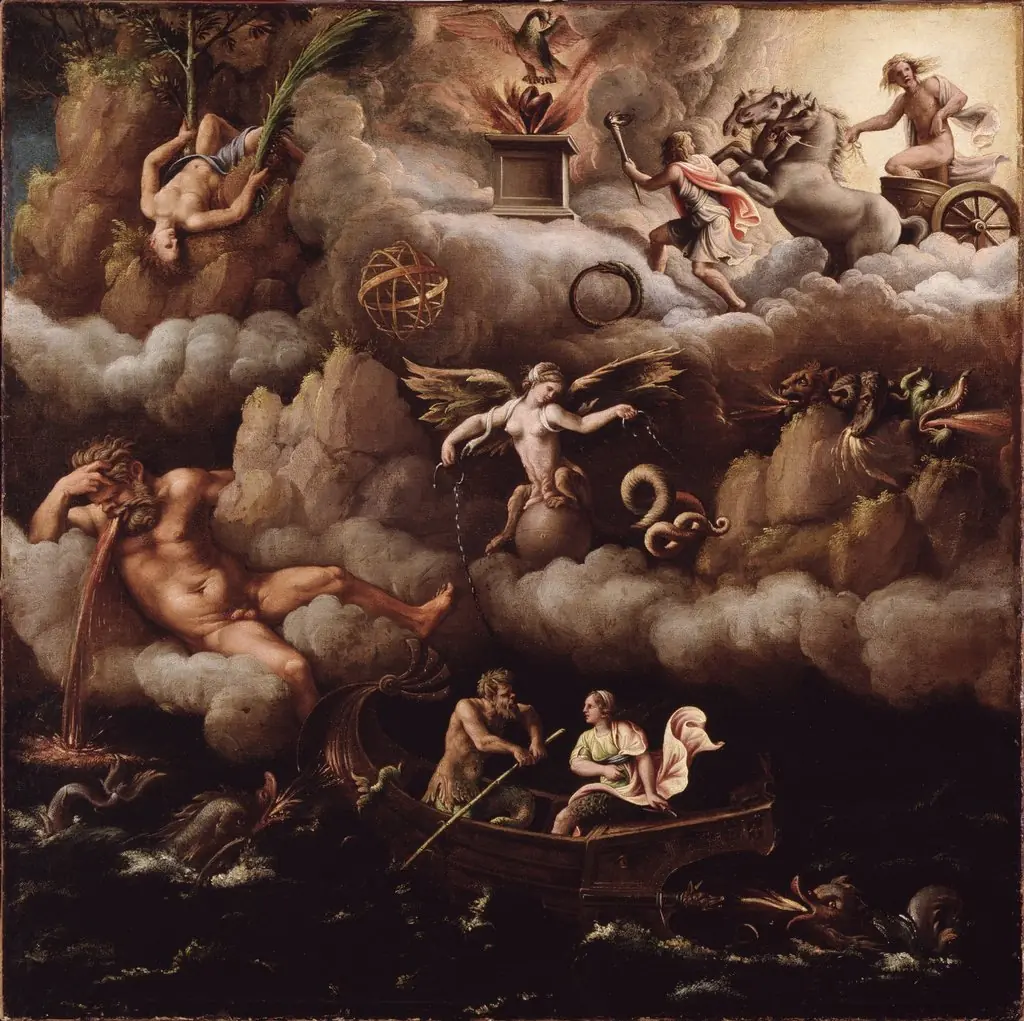 An Allegory of Immortality
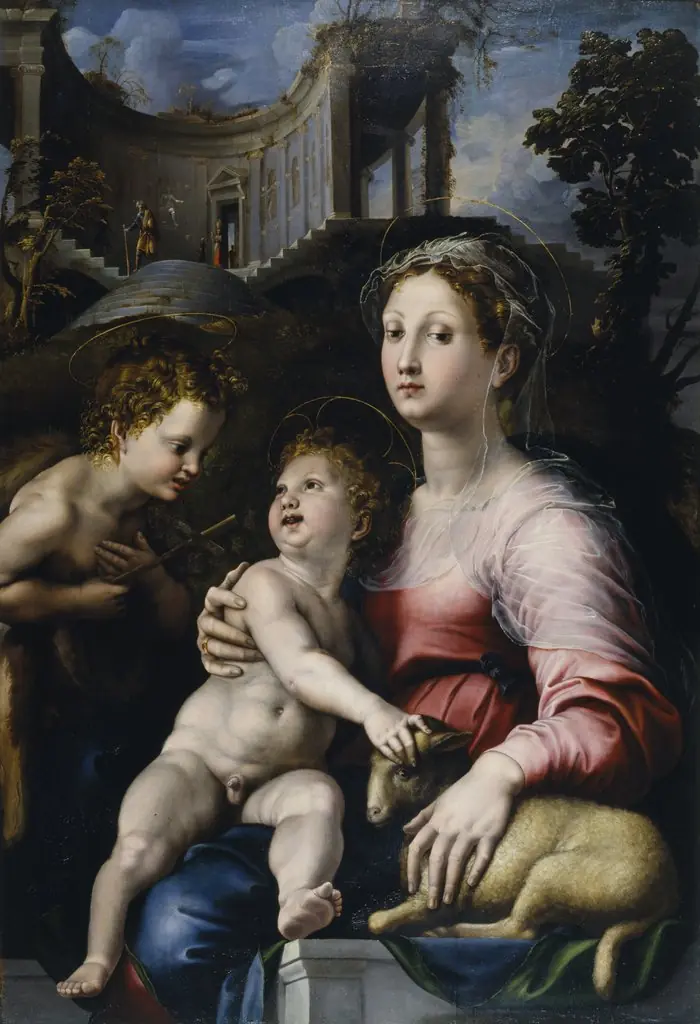 The Madonna and Child with Saint John the Baptist
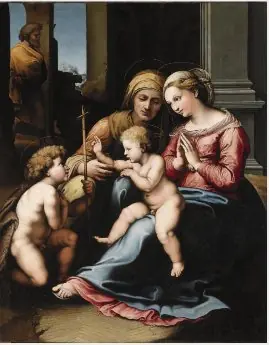 The Holy Family with Saints John the Baptist and Elizabeth