Artwork
The Fall of the Rebel Angels
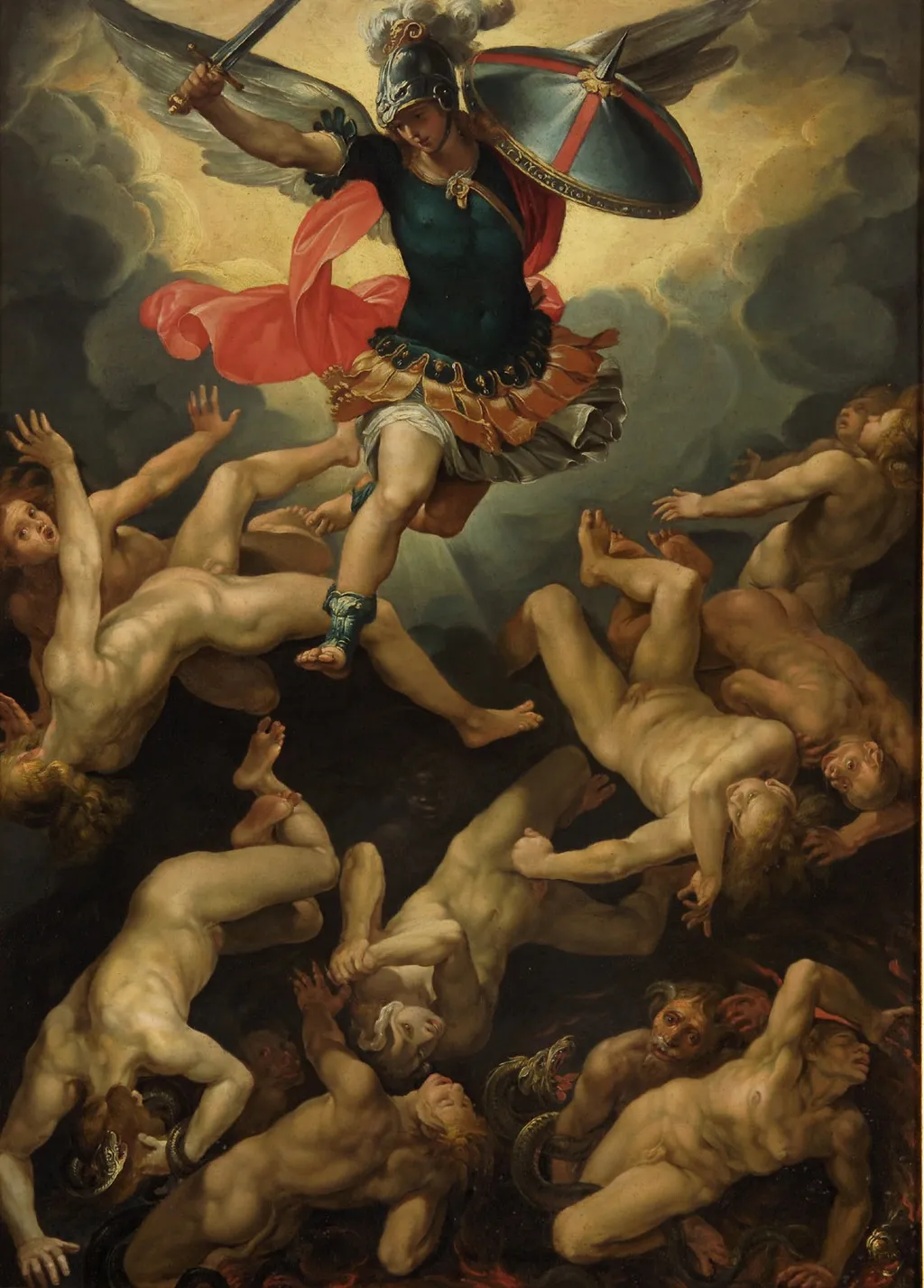
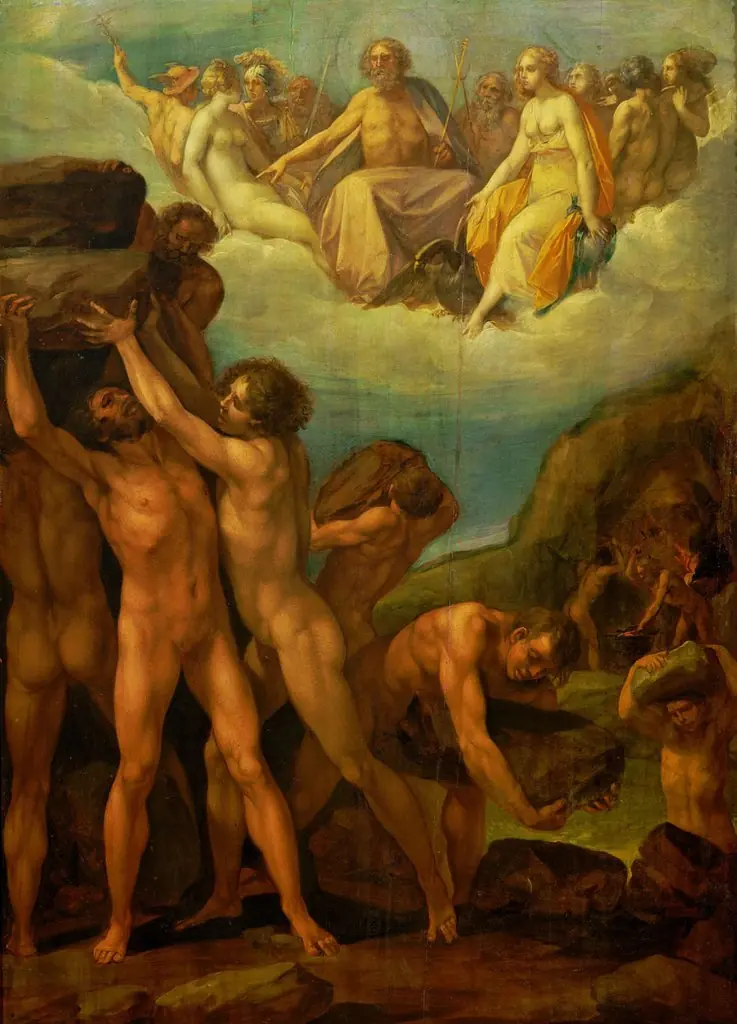
The Fall of the Rebel Angels is an unspecified painting by the Early Baroque Italian artist Giuseppe Cesari. It dates from 1610 and is held in the collection of the Kunsthistorisches Museum.
About this work
Overview
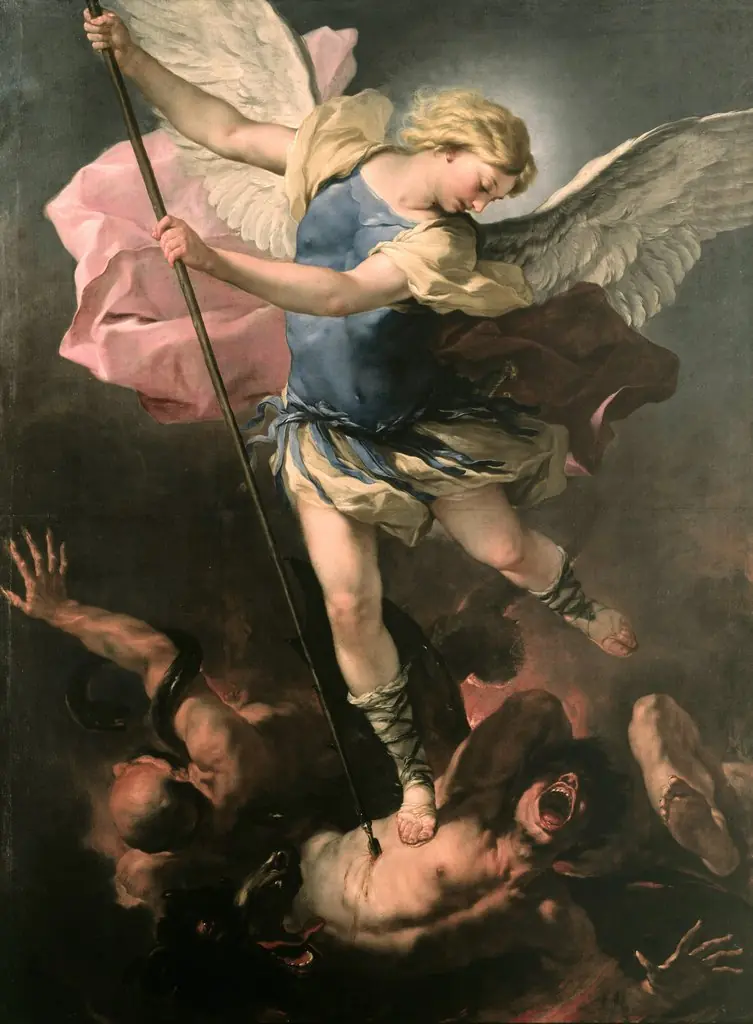
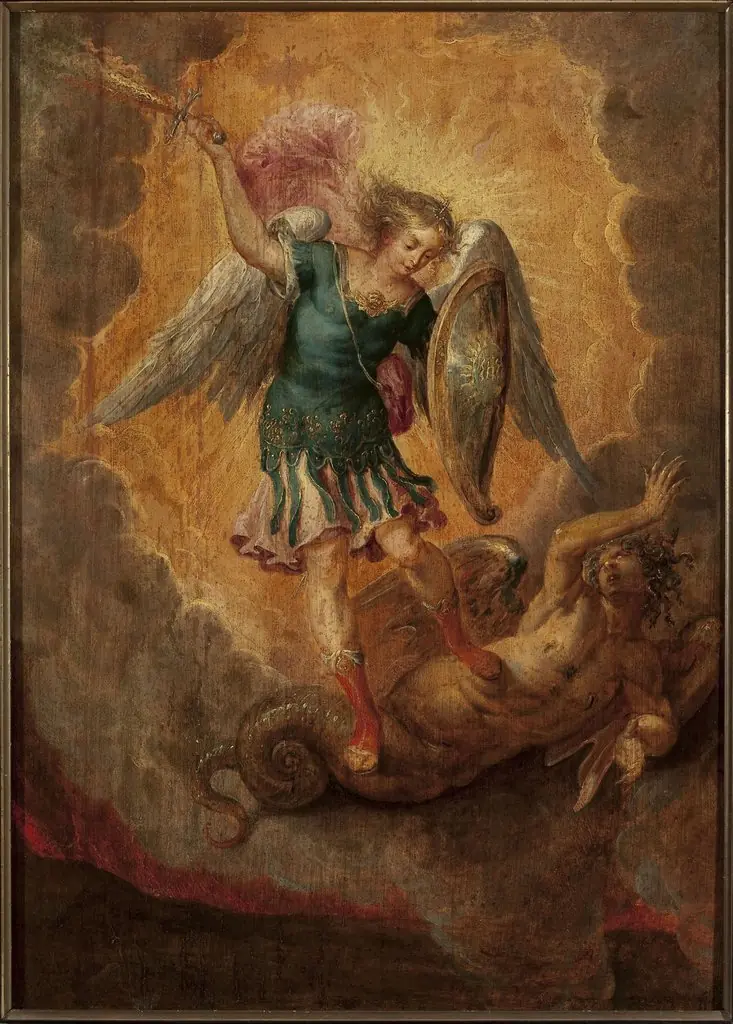
Painted in 1610 by Giuseppe Cesari, known as Il Giuseppino, this work depicts the biblical expulsion of rebellious angels from heaven.
Painted in 1610 by Giuseppe Cesari, known as Il Giuseppino, this work depicts the biblical expulsion of rebellious angels from heaven. Commissioned during the early Baroque era, it reflects Cesari’s position as a leading Roman artist and his status as a papal knight. The painting resides today in the Kunsthistorisches Museum in Vienna, where it stands as a testament to his transition from Mannerist conventions toward more dynamic compositions.
Subject & Meaning
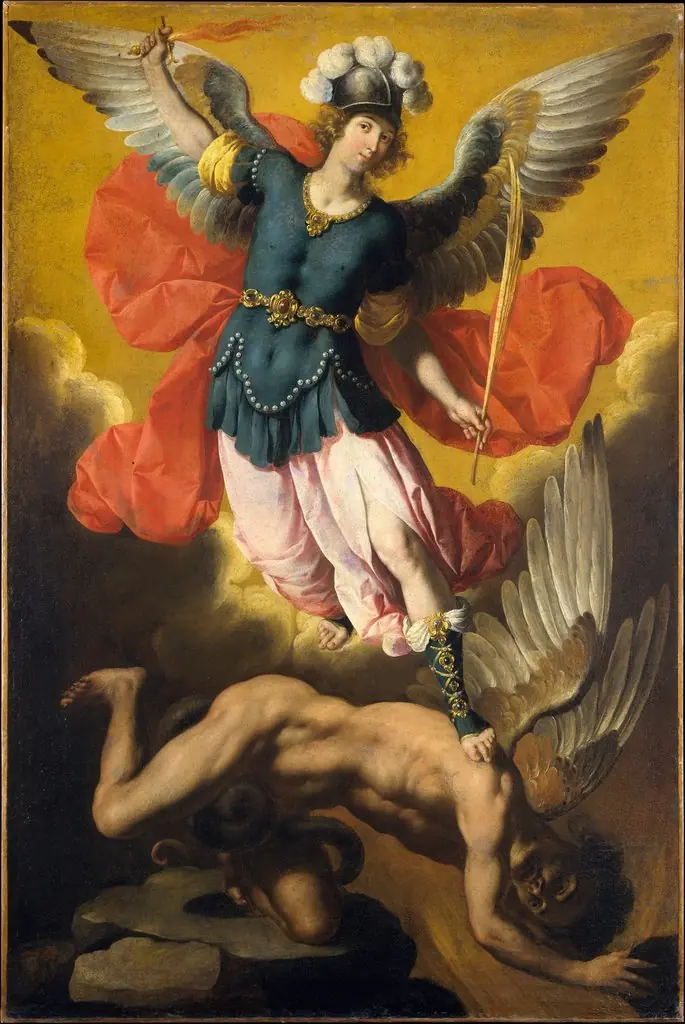
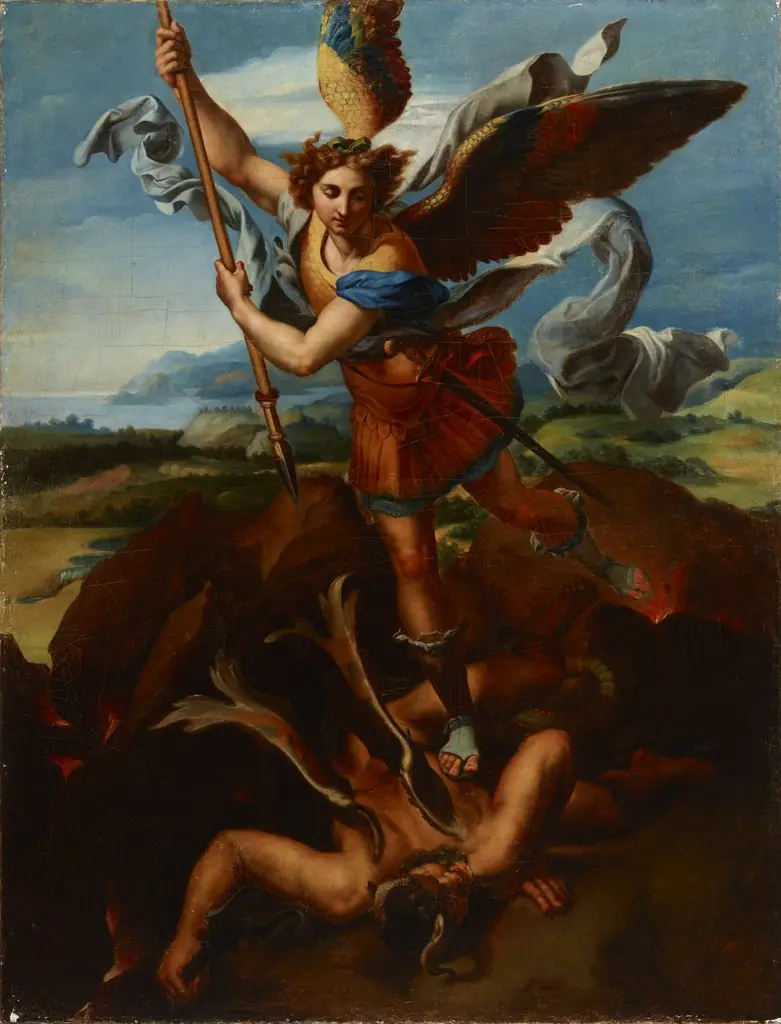
The scene illustrates the divine judgment against fallen angels, as described in apocryphal and scriptural traditions. The central archangel, armed and radiant, represents divine order, while the writhing, monstrous figures below symbolize corrupted souls cast into chaos. The contrast between celestial clarity and grotesque decay underscores the theological dichotomy between purity and sin, reinforcing a moral narrative central to Counter-Reformation art.
Technique & Style
Cesari employs a dense, swirling composition to convey motion and conflict, with figures entangled in mid-fall. His use of chiaroscuro heightens the drama, isolating the archangel in light while plunging the demons into shadow. The anatomical distortions and exaggerated poses reflect Mannerist influences, yet the energetic movement and emotional intensity foreshadow Baroque tendencies. Surface detail remains precise, particularly in the rendering of wings, armor, and demonic features.
History & Provenance
Created in Rome during Cesari’s peak years, the painting was likely commissioned for a religious or private patron within the papal circle. After his death, it entered Habsburg collections, eventually finding its place in the Kunsthistorisches Museum. Its survival through centuries of political and artistic change reflects its perceived importance in early 17th-century sacred imagery, despite Cesari’s later overshadowing by Caravaggio and his followers.
Context
Painted shortly after the Council of Trent, the work aligns with Catholic efforts to visually reinforce doctrinal truths through emotionally charged imagery. Cesari, though trained in Mannerism, worked in a Rome increasingly dominated by naturalism. His depiction of divine violence, while still stylized, responds to the era’s demand for clarity and moral urgency, bridging the gap between late Renaissance elegance and Baroque dynamism.
Legacy
Though Cesari’s reputation waned after his death, this painting remains a significant example of transitional early Baroque religious art. It captures the tension between inherited Mannerist forms and emerging Baroque energy. Scholars note its role in illustrating how even established artists adapted to new spiritual and aesthetic demands, even as younger contemporaries like Caravaggio redefined the visual language of faith.
Artist & collection
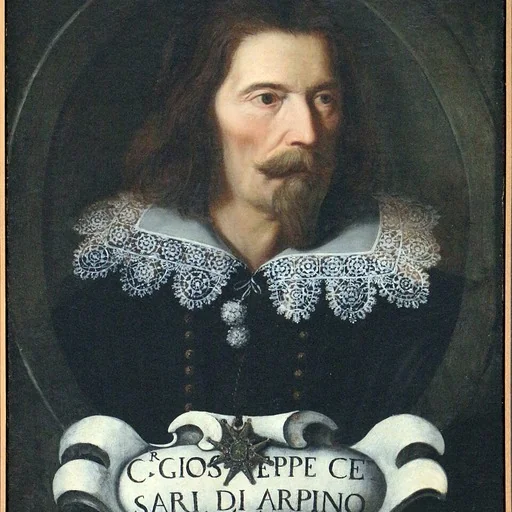
Artist
Giuseppe Cesari (14 February 1568 – 3 July 1640) was an Italian Mannerist painter, also named Il Giuseppino and called Cavaliere d'Arpino, because he was created Knight of the Supreme Order of Christ by his patron Pope Clement VIII.