Artwork
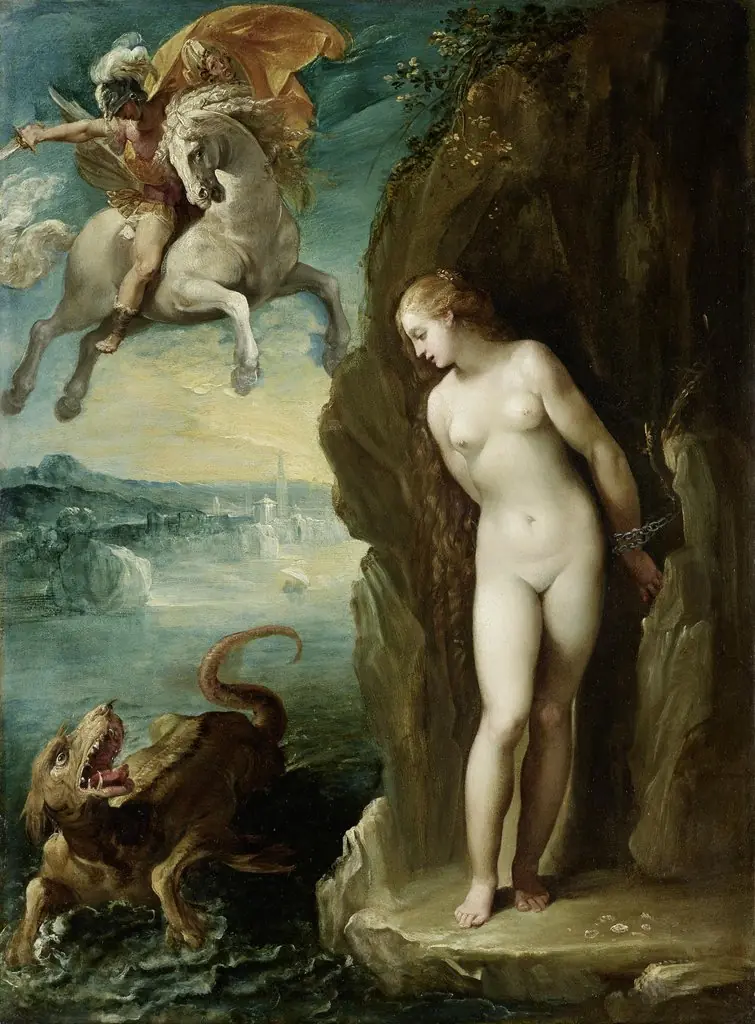
Perseus and Andromeda
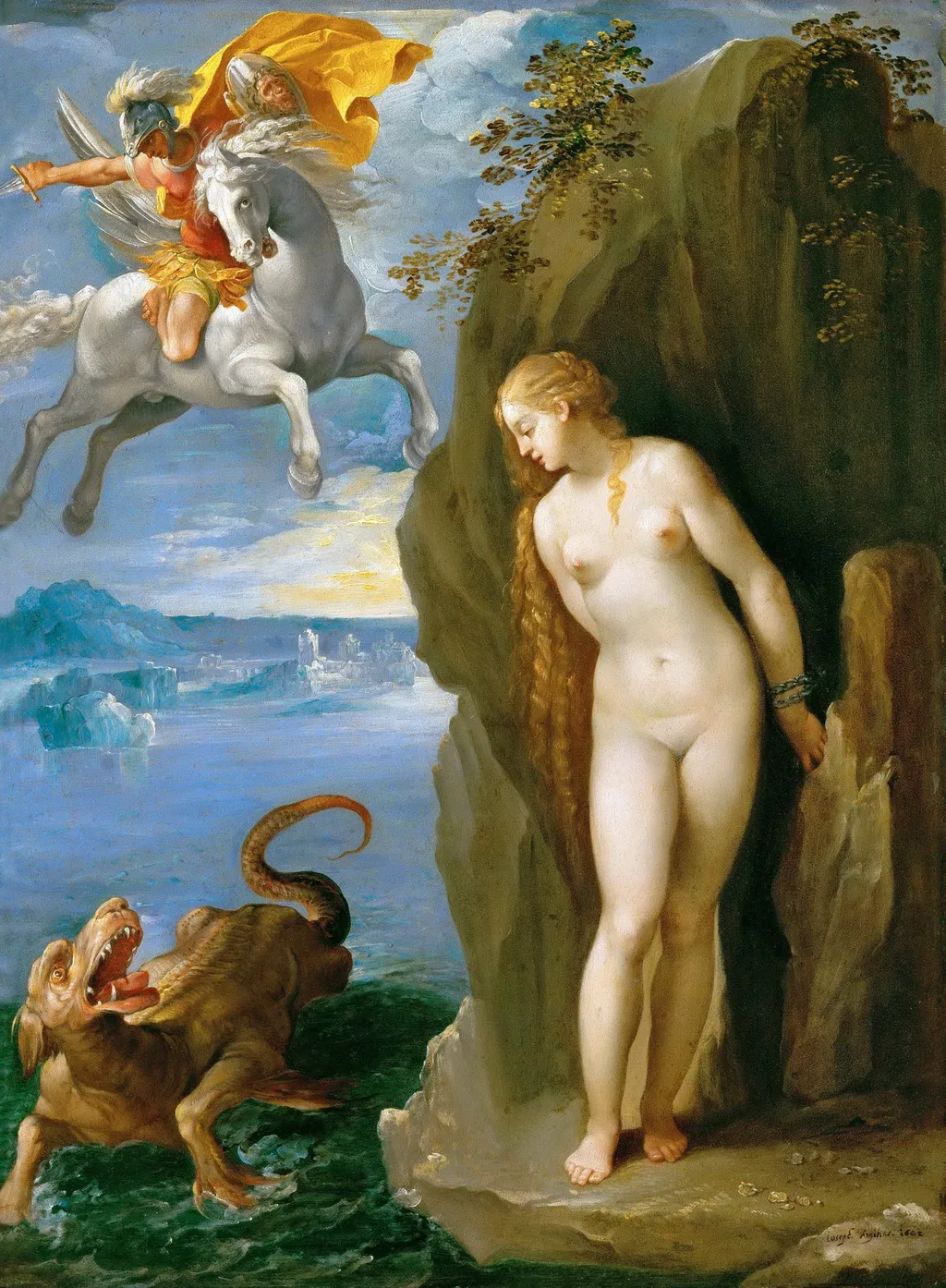
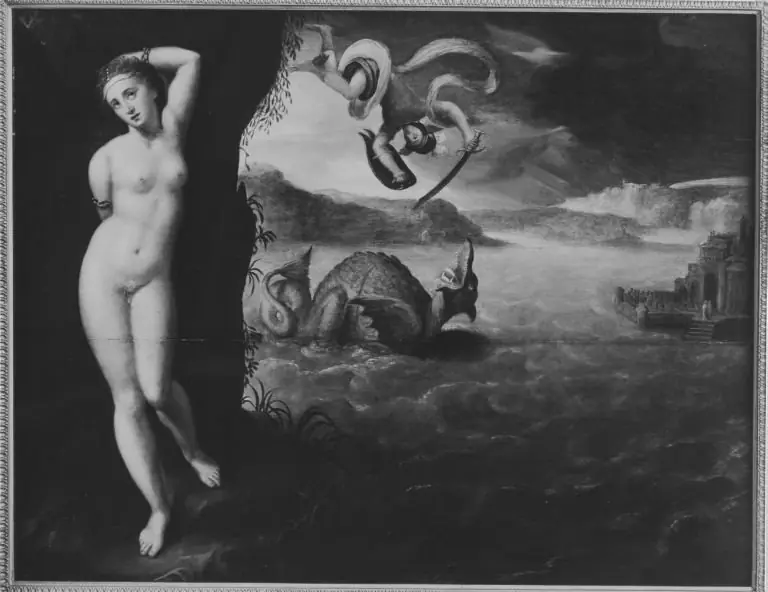
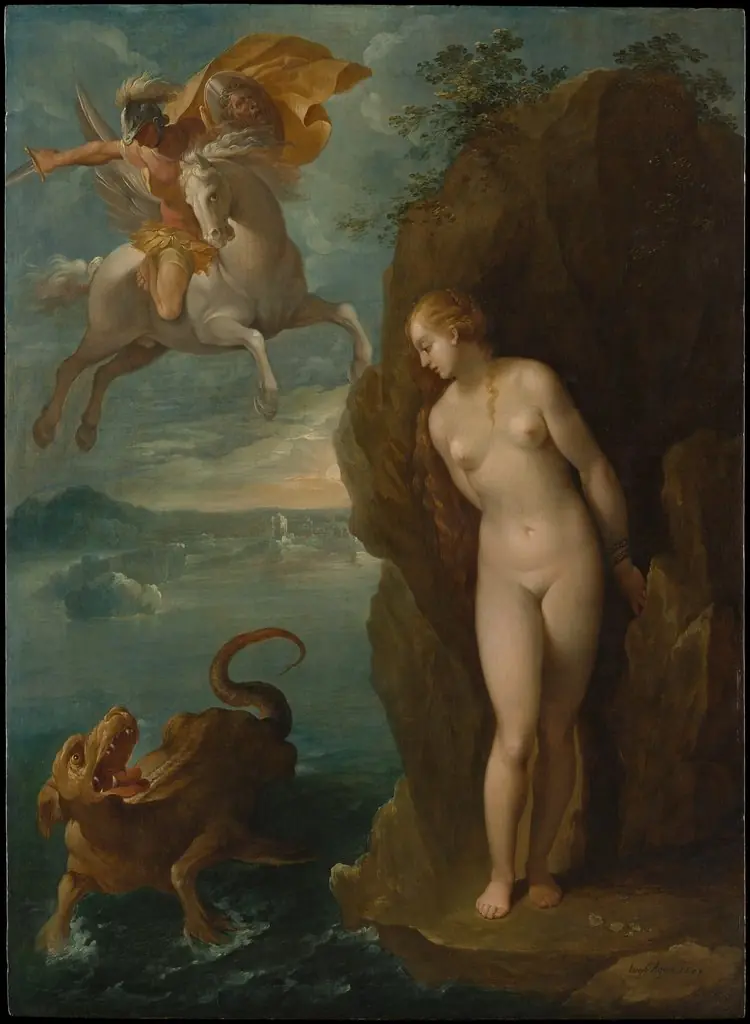
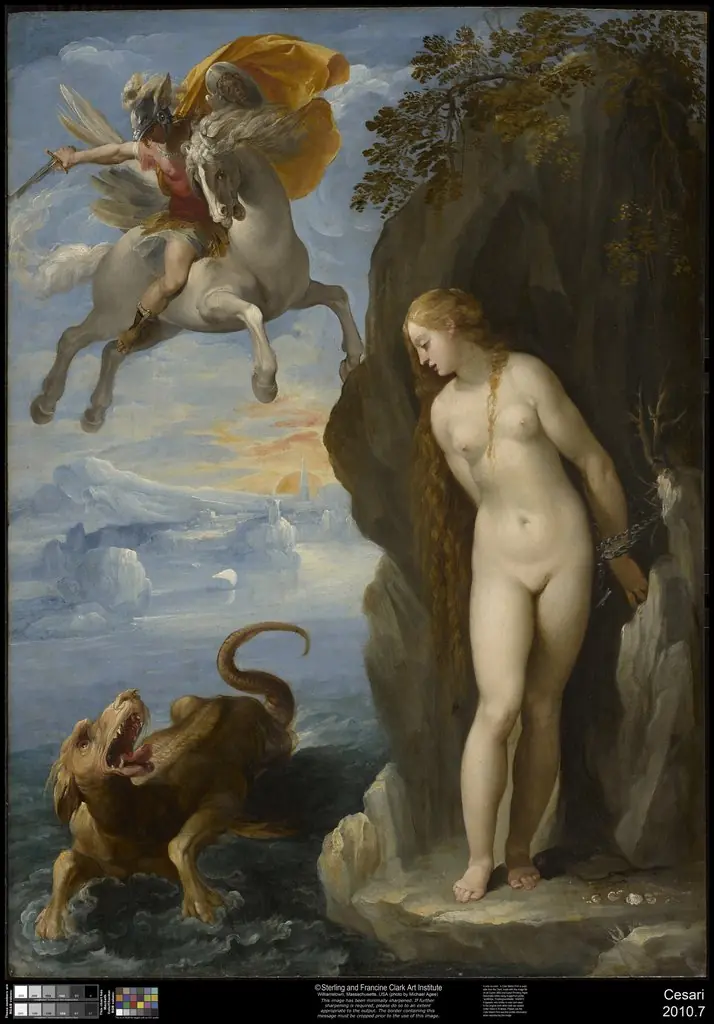
Perseus and Andromeda is an oil painting by the Early Baroque Italian artist Giuseppe Cesari. It dates from 1602 and is held in the collection of the Kunsthistorisches Museum.
About this work
Overview
Giuseppe Cesari, known as Il Giuseppino or Cavaliere d’Arpino, painted *Perseus and Andromeda* in 1602. Executed on a slate support, the work belongs to the early Baroque period in Italy and is now part of the Kunsthistorisches Museum’s collection.
Subject & Meaning
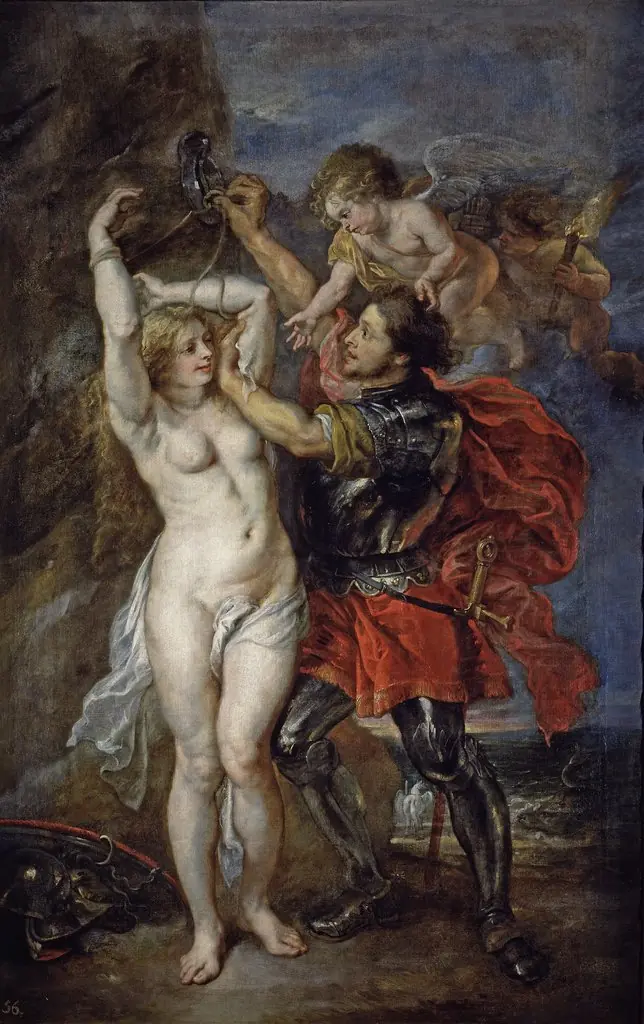
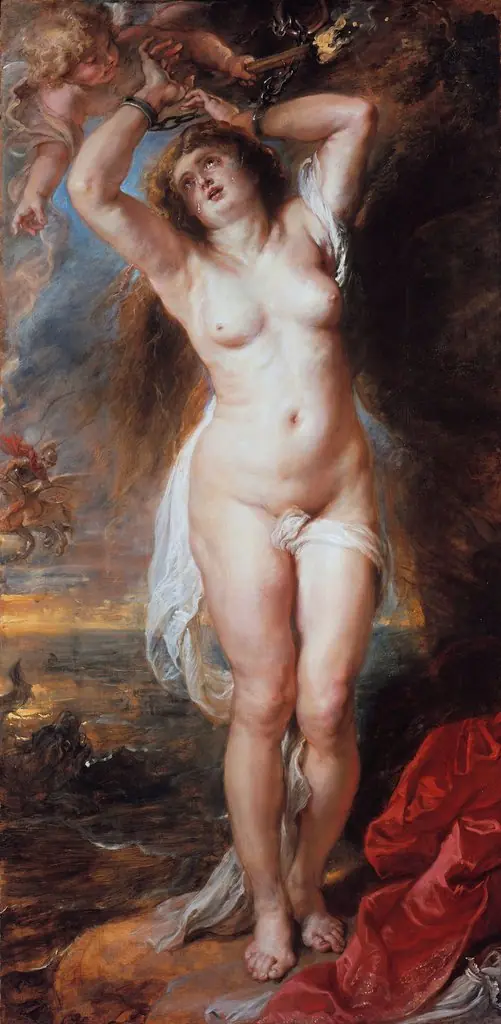
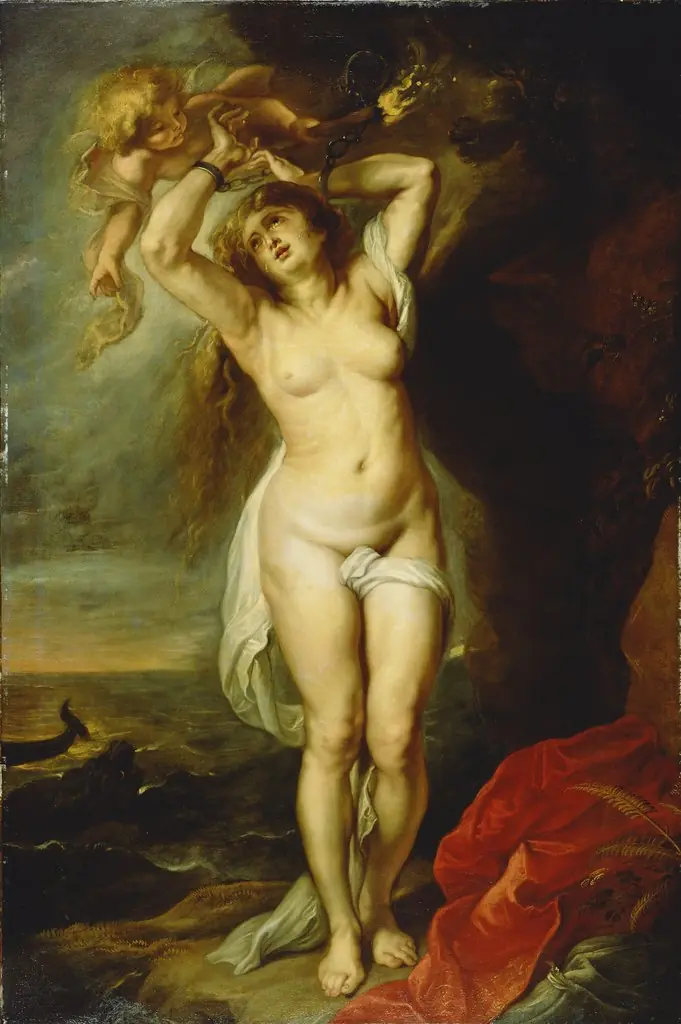
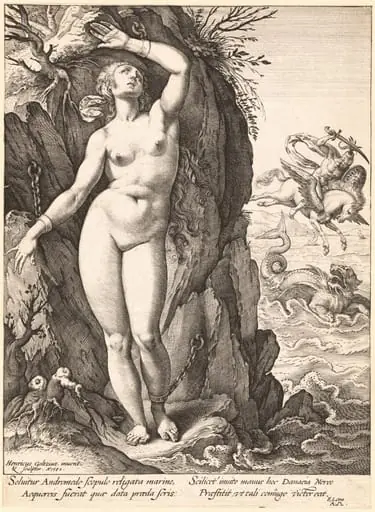
The composition illustrates the classical myth in which the hero Perseus confronts a sea monster to rescue the chained, nude Andromeda. The heroine stands serenely on a rocky shore, her bare feet planted firmly, while Perseus, winged and mounted on a flying horse, brandishes a sword toward the beast.
Technique & Style
Cesari employs the luminous qualities of slate to achieve a bright sky and shimmering water, contrasting with the darker tones of the monster’s form. The figure’s elongated poses and dramatic chiaroscuro reflect the Mannerist roots of the artist, while the dynamic movement anticipates Baroque sensibilities.
History & Provenance
A Roman painter favored by Popes Clement VIII and Sixtus V, Cesari oversaw the workshop where Caravaggio later trained. *Perseus and Andromeda* entered the Kunsthistorisches Museum’s holdings in the 19th century, where it remains on display as part of the museum’s Italian Baroque collection.
Context
The painting aligns with a broader 16th‑ and 17th‑century fascination with mythological subjects, serving both decorative and didactic purposes in elite Roman circles. Its narrative emphasis on heroic rescue reflects contemporary ideals of virtue and divine favor.
Own this work as a print
Artist & collection
Artist
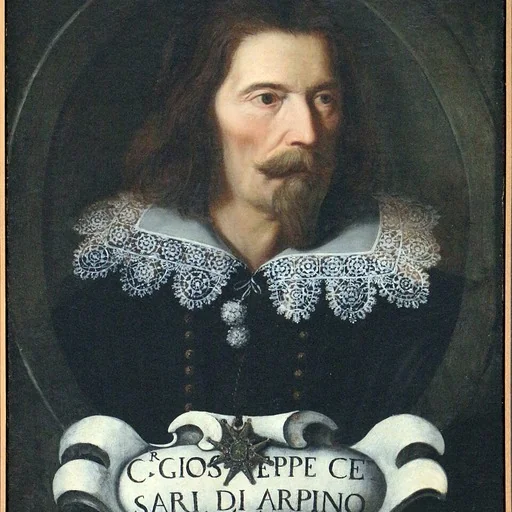
Giuseppe Cesari (14 February 1568 – 3 July 1640) was an Italian Mannerist painter, also named Il Giuseppino and called Cavaliere d'Arpino, because he was created Knight of the Supreme Order of Christ by his patron Pope Clement VIII.