Artwork
Sturm der Giganten gegen den Olymp
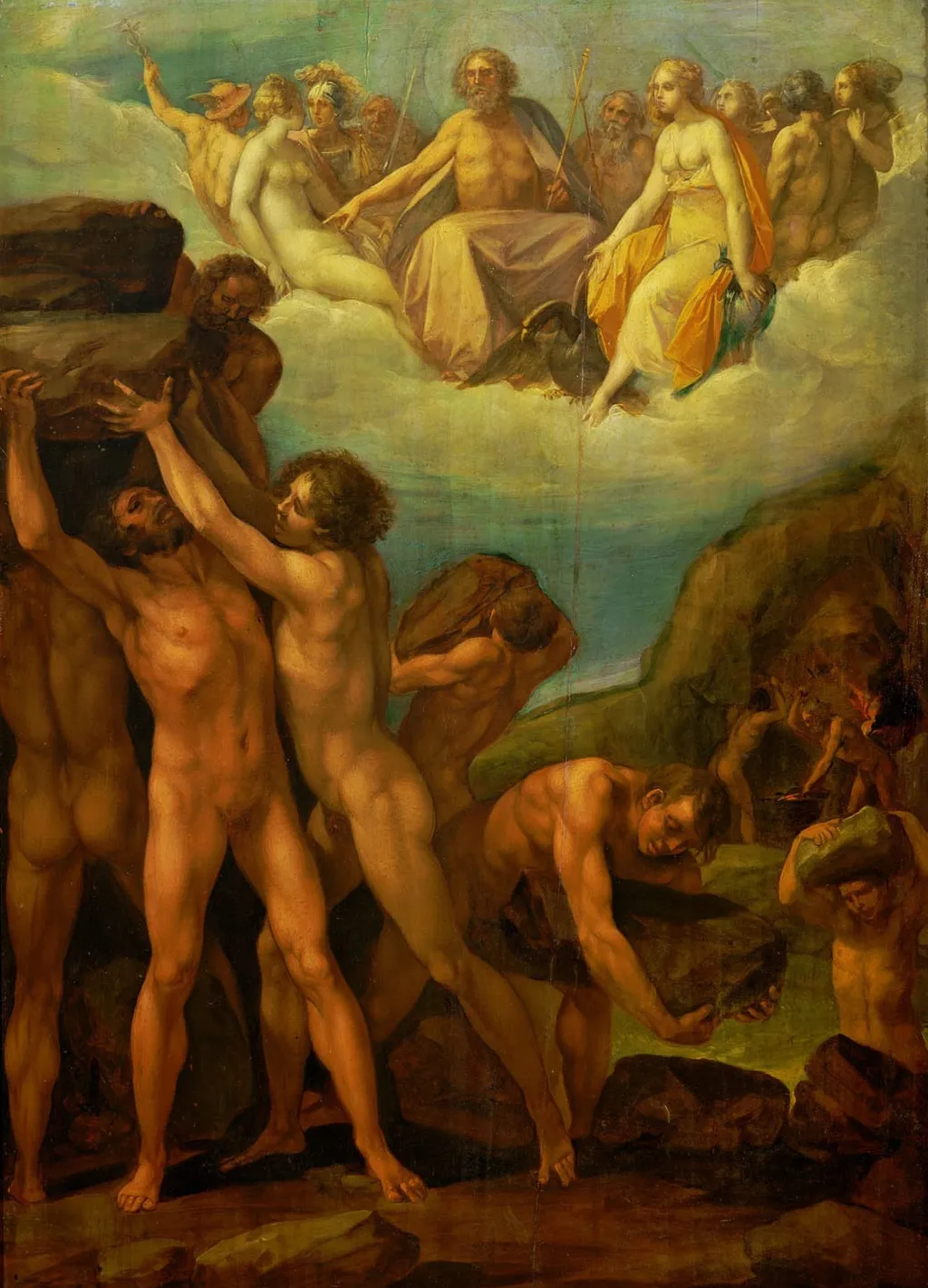
Sturm der Giganten gegen den Olymp is an unspecified painting by the Early Baroque Italian artist Giuseppe Cesari. It dates from 1620 and is held in the collection of the Kunsthistorisches Museum.
About this work
Overview
Executed during the transition from Mannerism to early Baroque, the painting is part of the collection of the Kunsthistorisches Museum in Vienna.
Giuseppe Cesari, often called Il Giuseppino or Cavaliere d’Arpino, completed the canvas *Sturm der Giganten gegen den Olymp* in 1620. Executed during the transition from Mannerism to early Baroque, the painting is part of the collection of the Kunsthistorisches Museum in Vienna. It presents a mythological clash between giants and the Olympian gods, rendered with a dramatic interplay of light and shadow.
Subject & Meaning
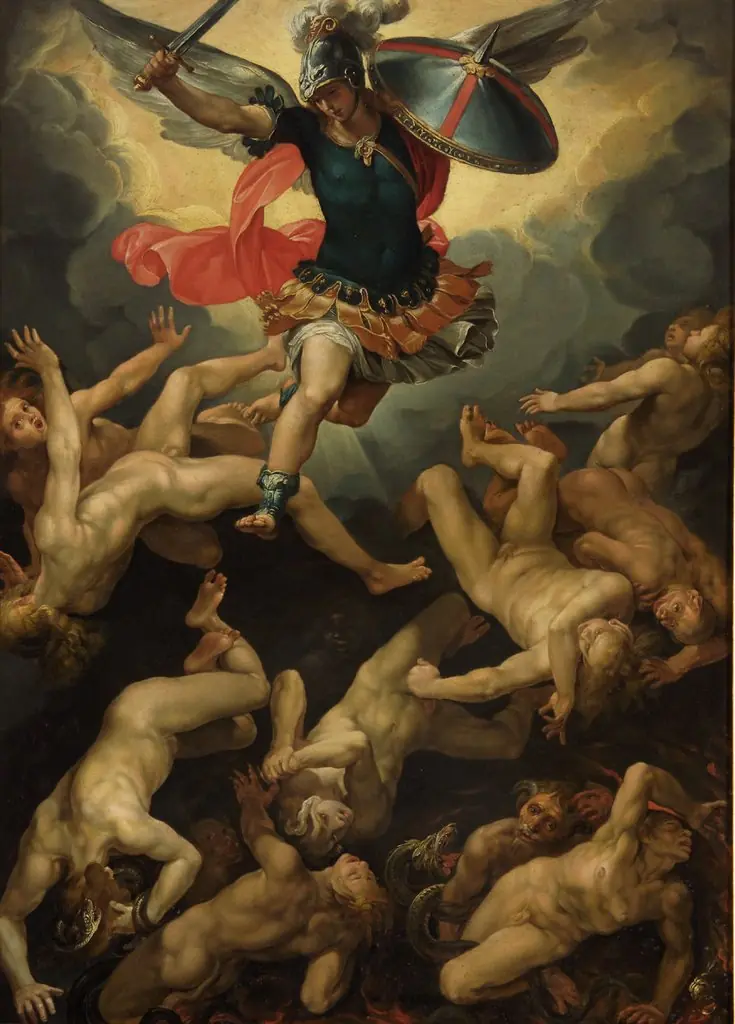
The work portrays a tumultuous battle in which towering giants surge upward while deities confront them from the heavens. Figures hover amid billowing clouds, their draped garments suggesting movement, whereas others are grounded on craggy terrain, some kneeling in defeat. The composition evokes the ancient narrative of the Gigantomachy, symbolizing the triumph of order over chaos.
Technique & Style
Cesari employs a pronounced chiaroscuro, allowing illuminated faces to emerge from deep, enveloping darkness. Warm, golden flesh tones contrast with cool, pale clouds and the shadowed rock base, creating a sense of three‑dimensionality. The brushwork combines the elegant elongation typical of late Mannerism with the emerging dynamism of early Baroque, emphasizing both grace and tension.
History & Provenance
A favored painter of Pope Clement VIII and Pope Sixtus V, Cesari managed a prolific Roman workshop that later hosted the young Caravaggio. *Sturm der Giganten gegen den Olymp* remained in private collections before entering the Kunsthistorisches Museum, where it has been displayed since the early 20th century.
Context
Created at a time when Roman art was shifting toward greater naturalism, the painting reflects Cesari’s role as a bridge between stylistic epochs. His position as a court artist and studio head placed him at the center of artistic developments that would shape the Baroque era, influencing contemporaries and successors alike.
Artist & collection
Artist
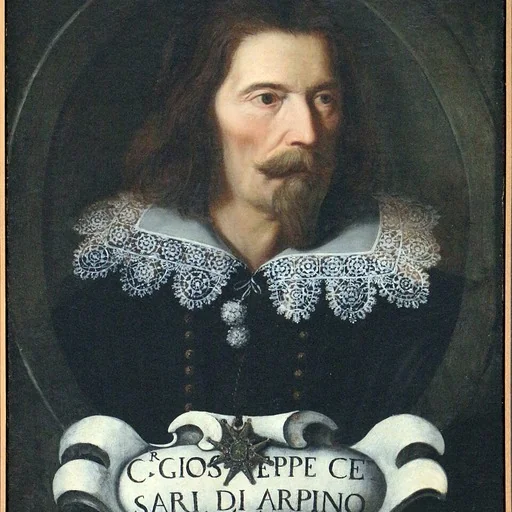
Giuseppe Cesari (14 February 1568 – 3 July 1640) was an Italian Mannerist painter, also named Il Giuseppino and called Cavaliere d'Arpino, because he was created Knight of the Supreme Order of Christ by his patron Pope Clement VIII.

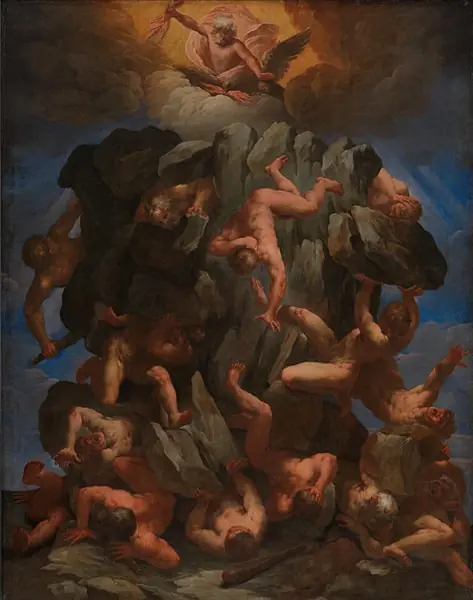 The Fall of the Giants
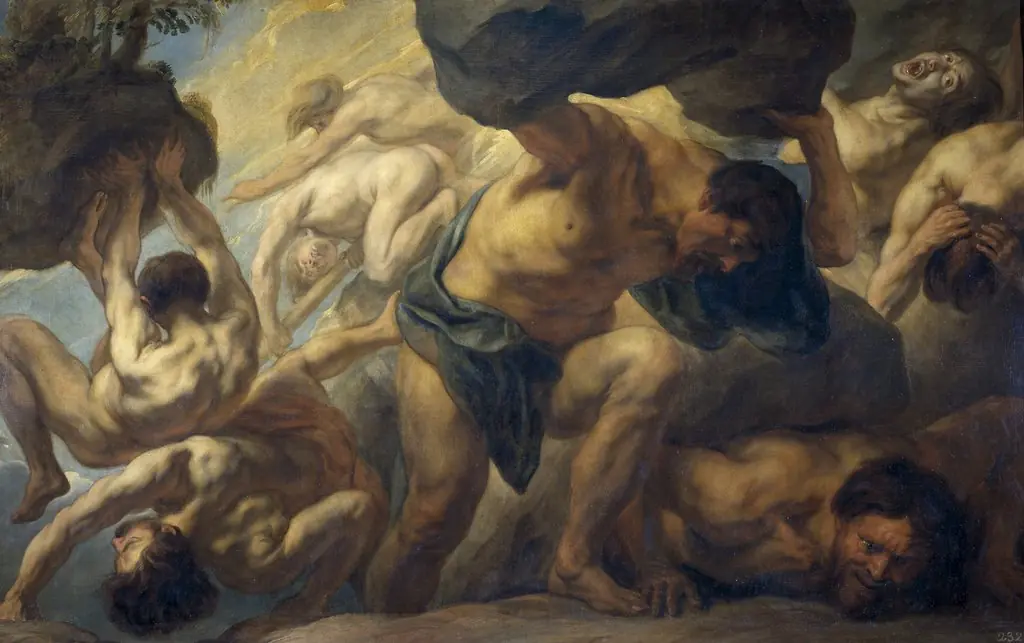 The Fall of the Giants
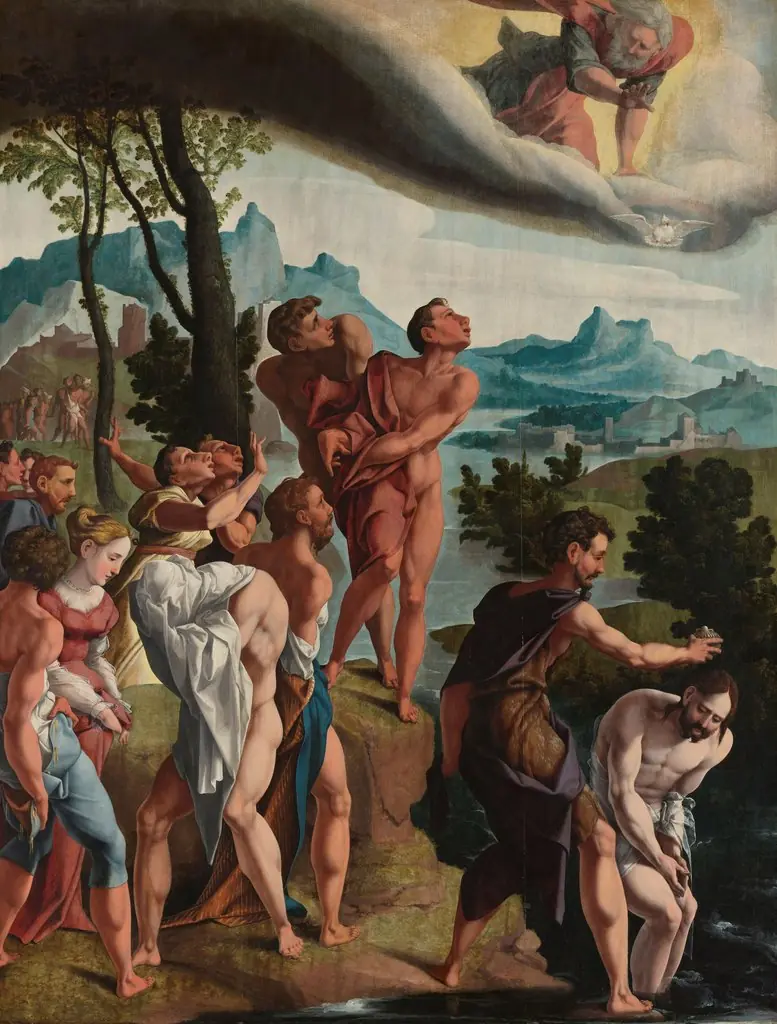 The Baptism of Christ
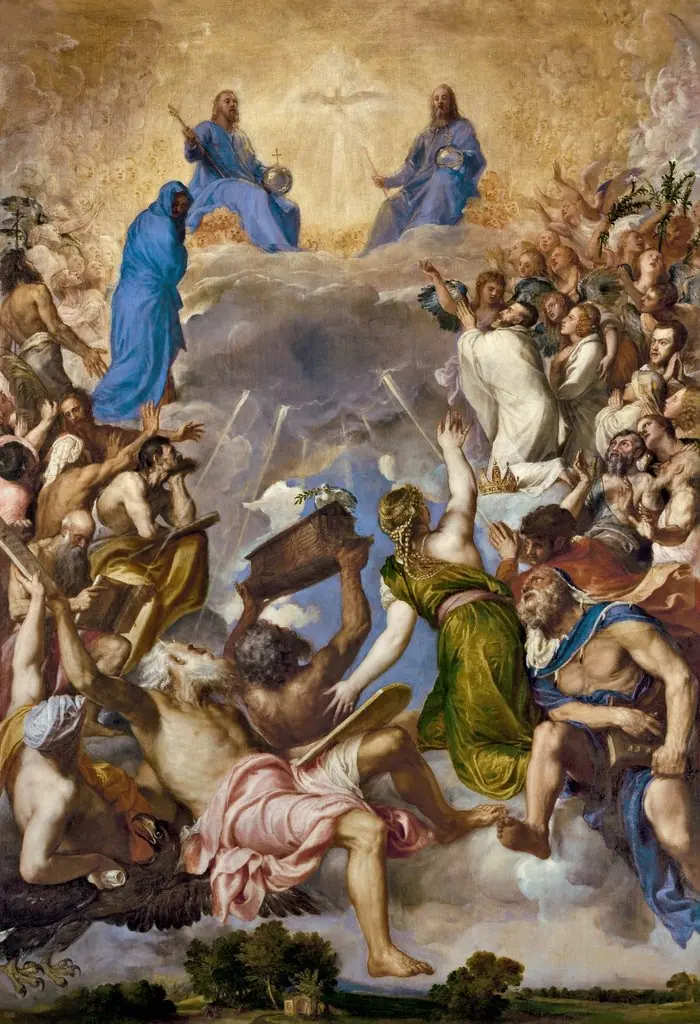 La Gloria
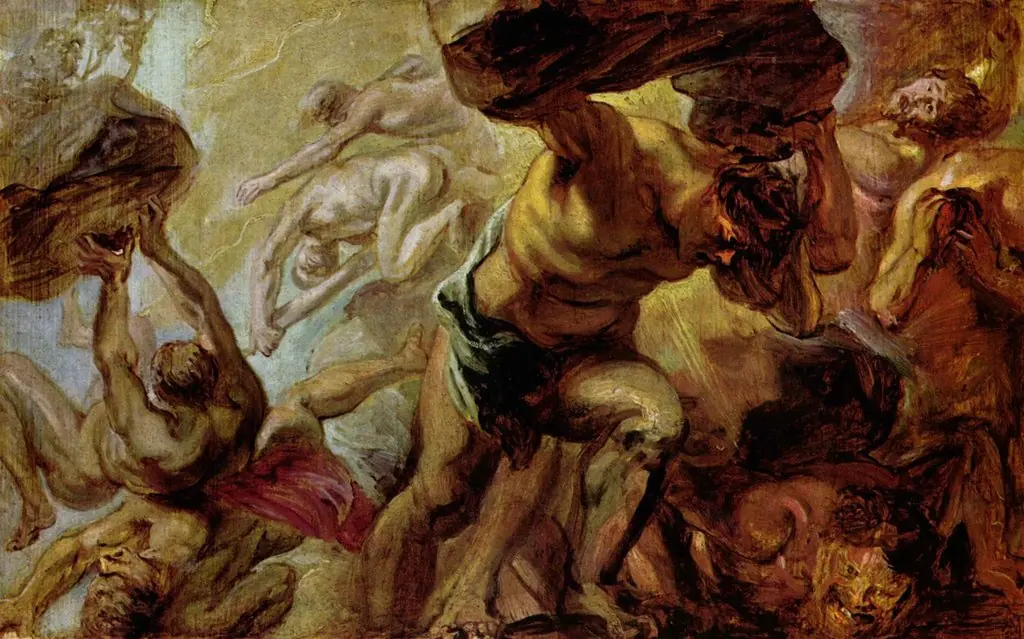 Fall of the Giants
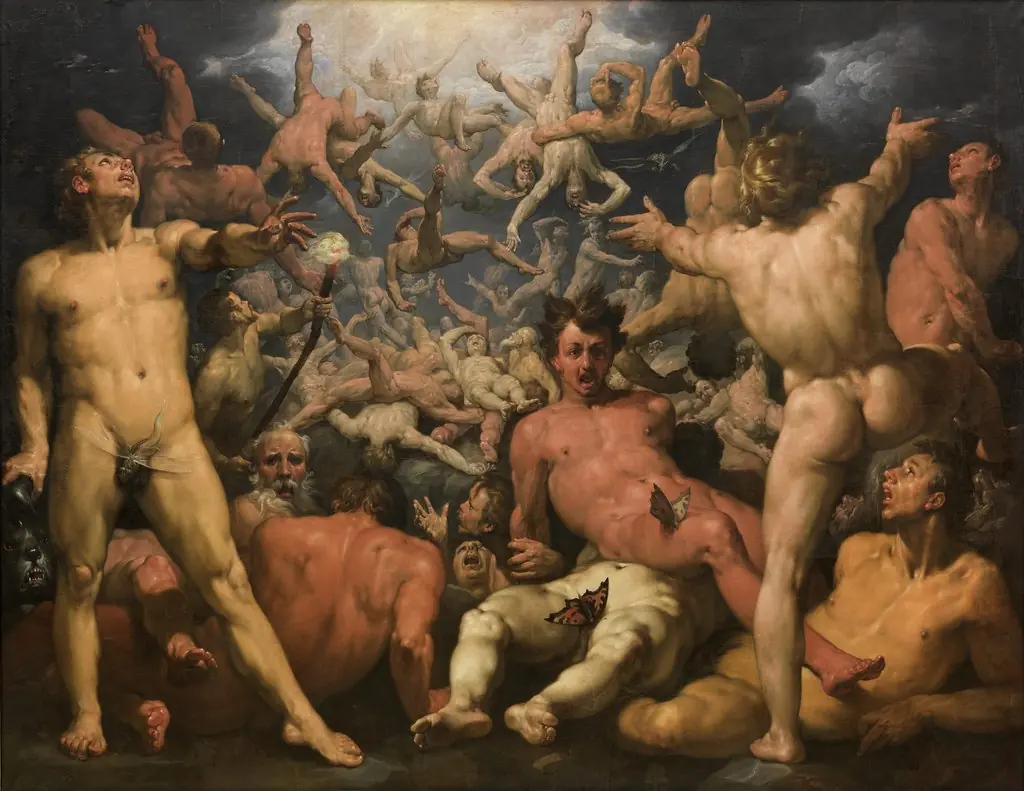 The Fall of the Titans
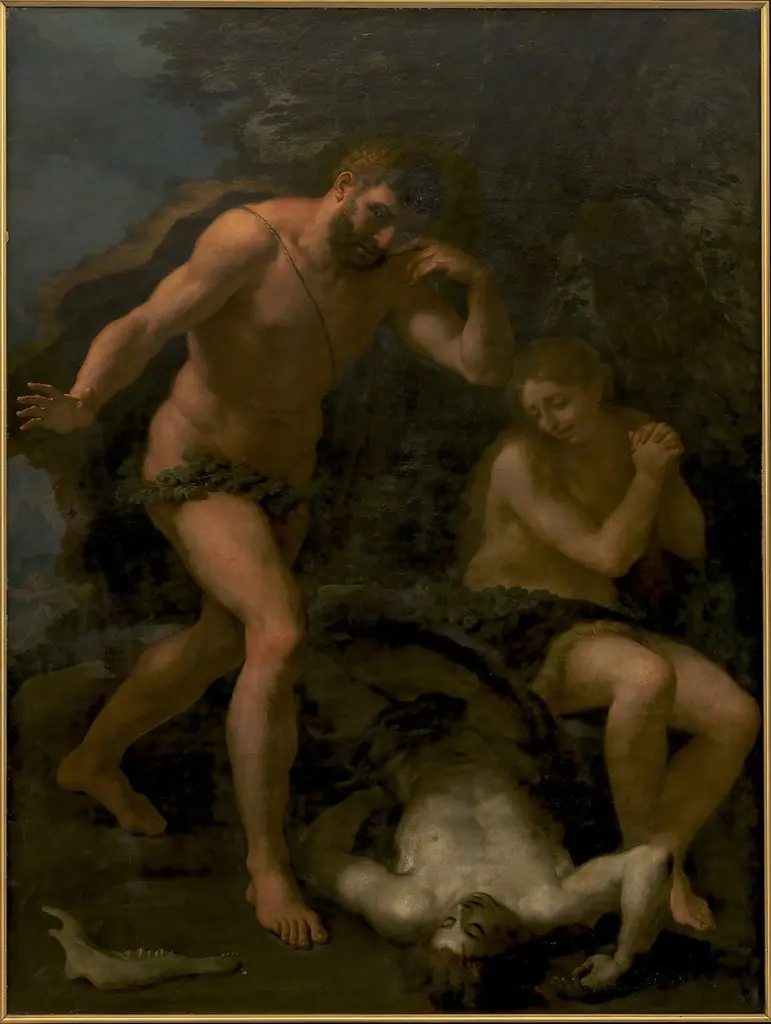 Adam and Eve Lamenting over the Body of Abel
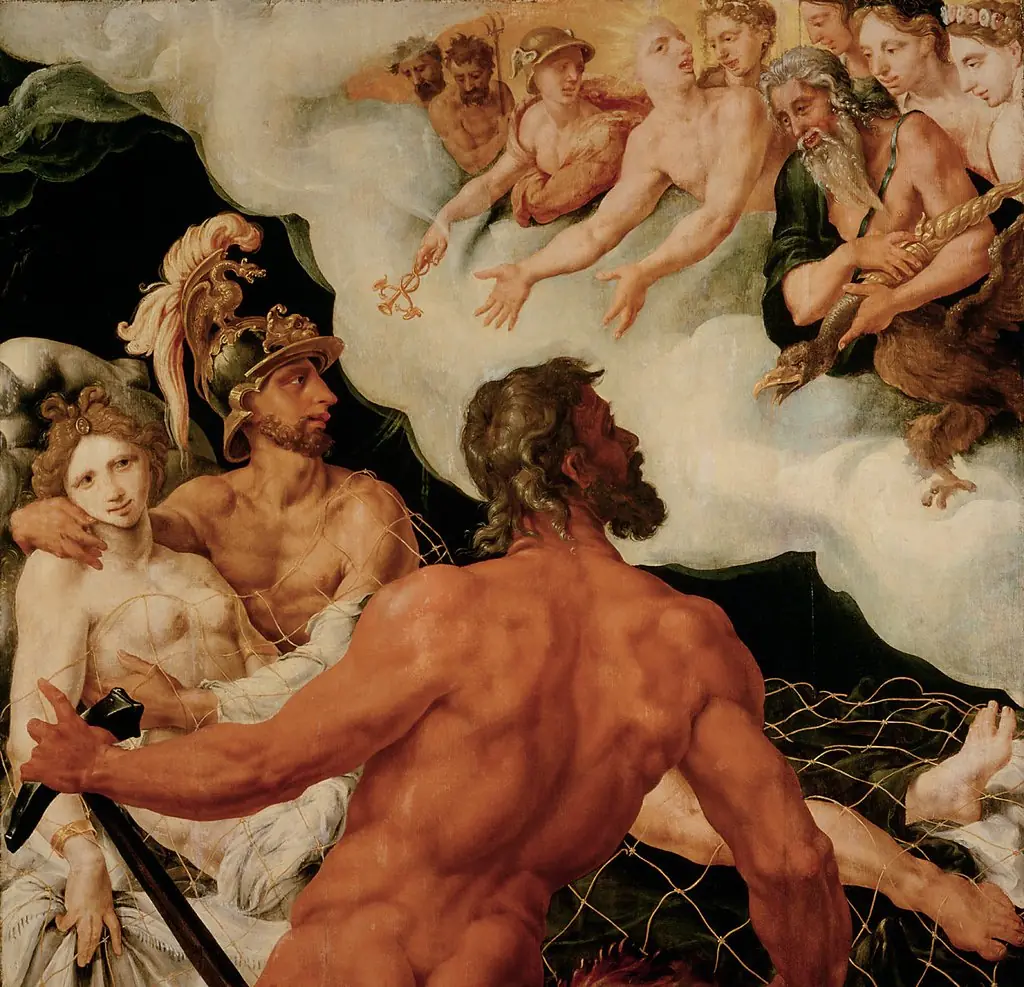 Vulcan showing the captured Mars and Venus to the gods
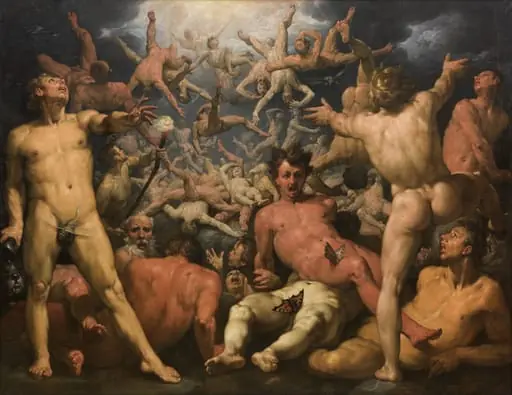 The Fall of the Titans
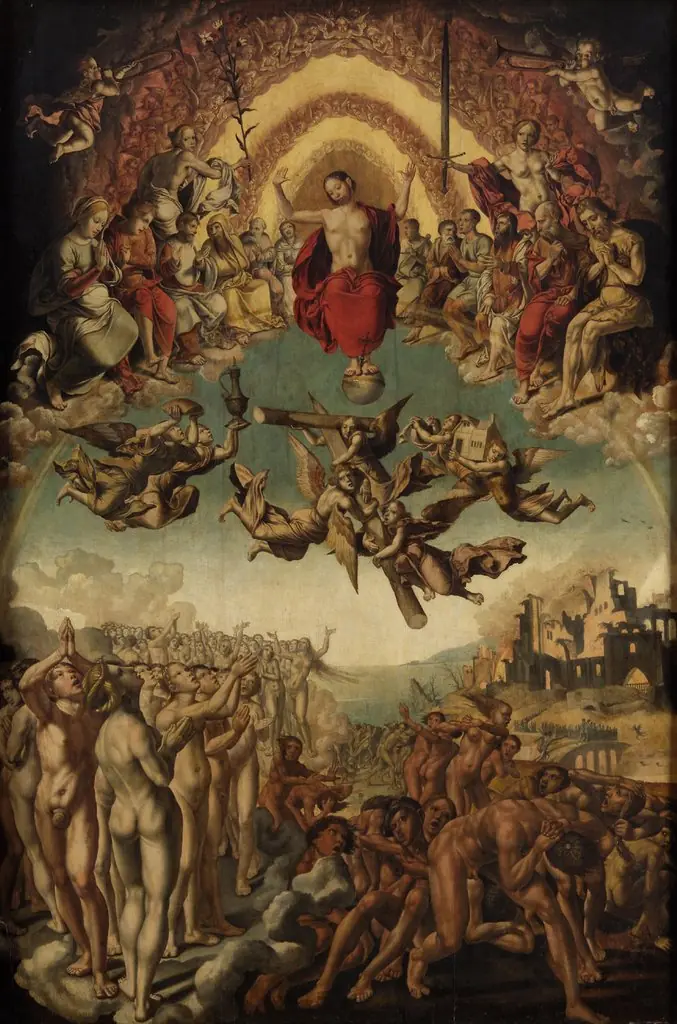 Last Judgment
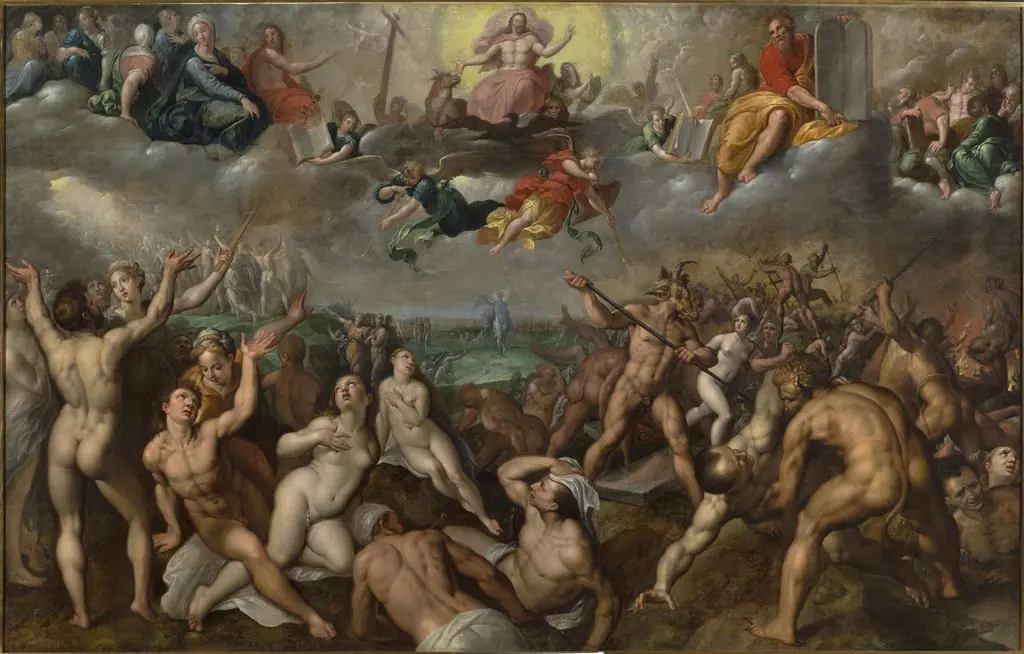 Last Judgement (Matthew 25:31-33)
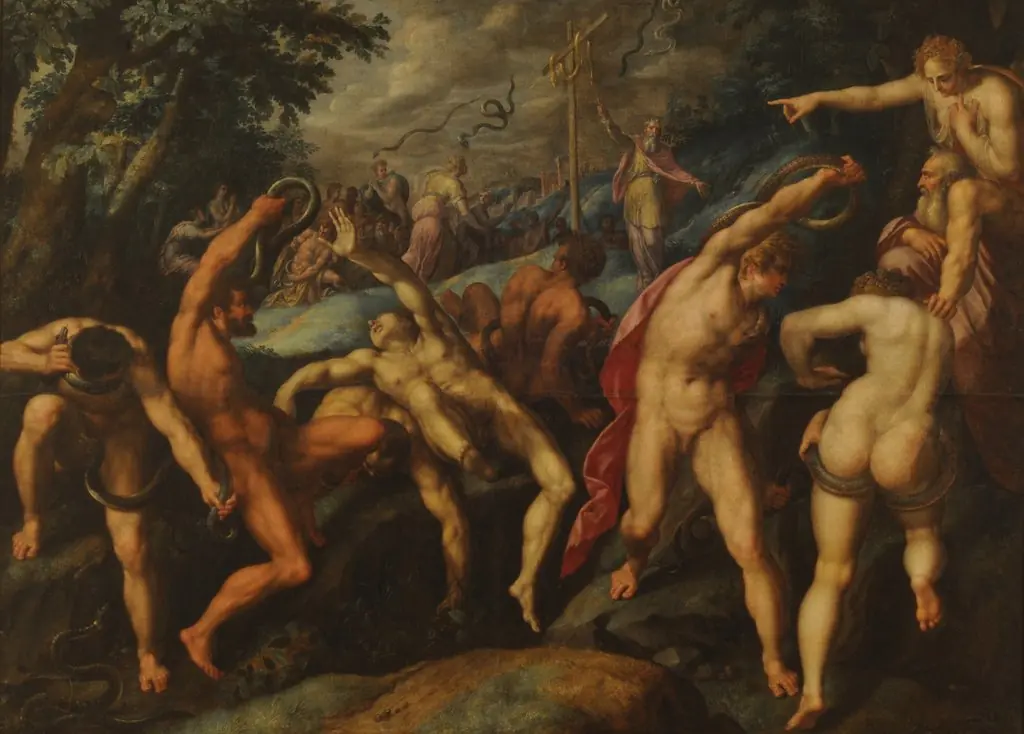 Moisés elevando la serpiente de bronce (Números 21:5-9)