Artwork
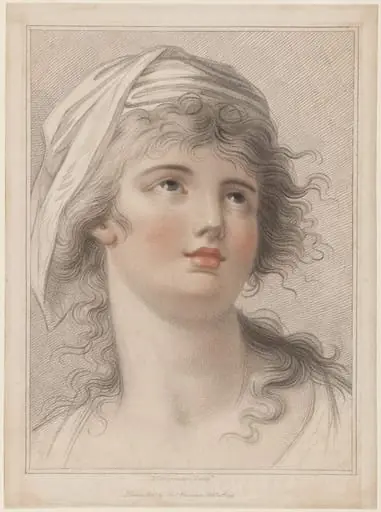
Bust of a Young Woman with a Turban
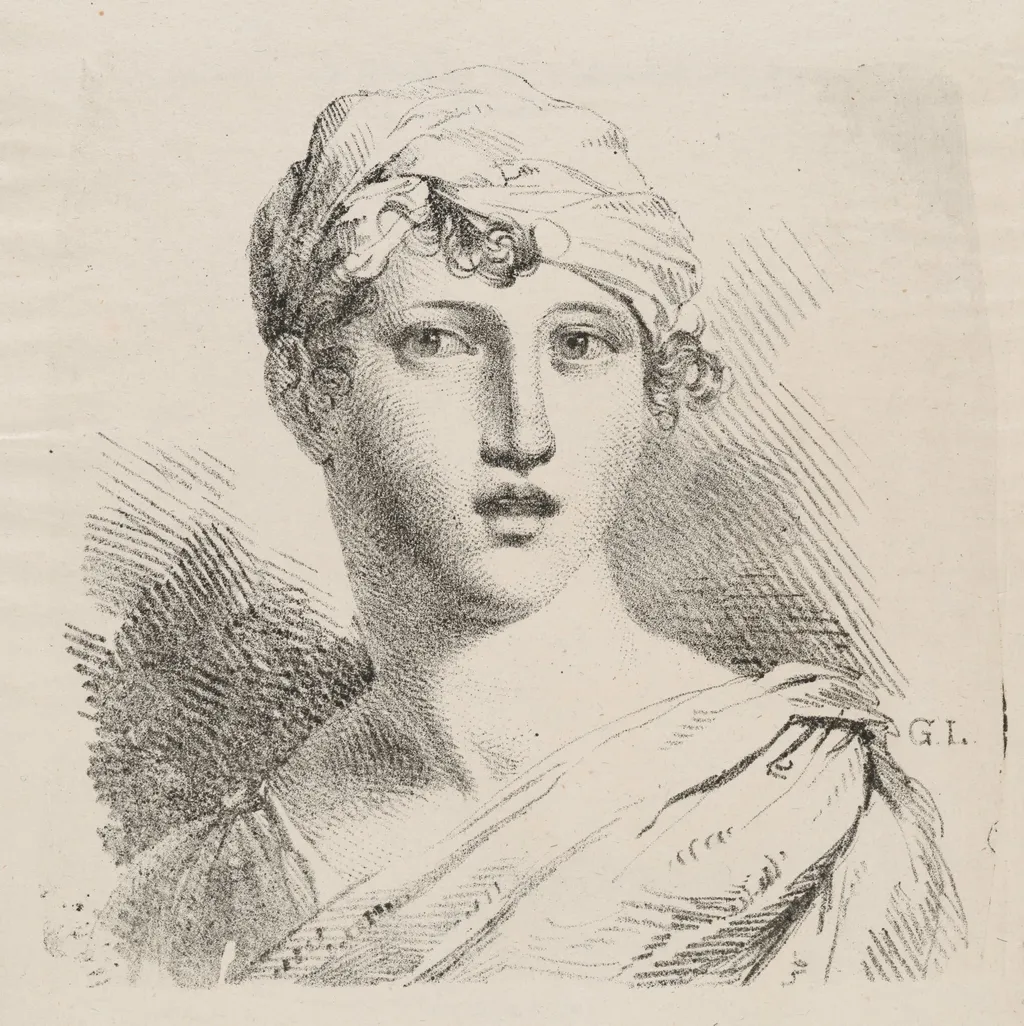
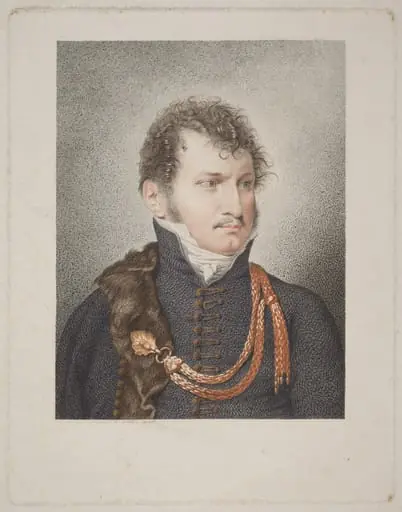
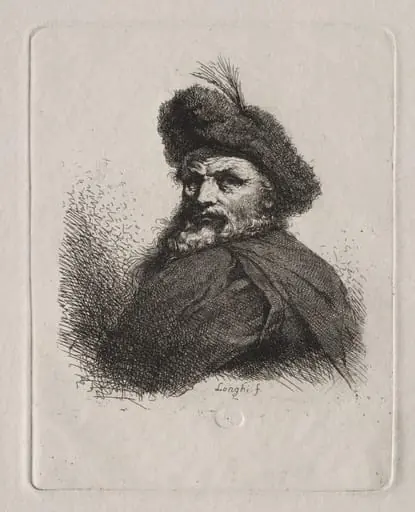
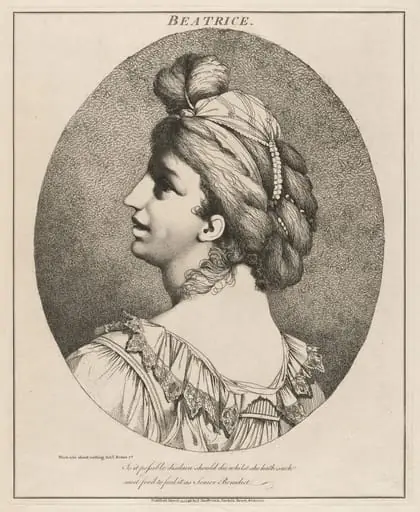
Bust of a Young Woman with a Turban is an ink print by the Romanticist artist Giuseppe Longhi. It dates from 1810 and is held in the collection of the National Gallery of Art.
About this work
Overview
, as an example of Longhi’s contribution to the refinement of lithographic portraiture during a period of artistic transition in Italy.
Giuseppe Longhi, an Italian artist active in the early 19th century, produced this lithograph in 1810 as part of his engagement with printmaking within the Neo-Classical movement. Executed on wove paper, the work presents a focused portrait of a young woman, rendered with precision and restraint. It resides in the National Gallery of Art in Washington, D.C., as an example of Longhi’s contribution to the refinement of lithographic portraiture during a period of artistic transition in Italy.
Subject & Meaning
The subject is a young woman depicted in profile and frontal gaze, her expression serene and composed. The turban she wears introduces a subtle exoticism, not as a literal cultural reference but as a stylized element common in portraiture of the era. Her direct gaze invites quiet engagement, emphasizing presence over narrative. The image avoids theatricality, aligning with Neo-Classical ideals of calm dignity and restrained emotion.
Technique & Style
Longhi employed lithography, a relatively new medium at the time, to achieve fine tonal gradations and delicate line work. The wove paper’s smooth surface enhanced the clarity of the image, allowing subtle modeling of the face and the textured folds of the turban. The style reflects Neo-Classical discipline: clean contours, minimal background detail, and an emphasis on the sitter’s facial structure, all rendered with technical precision rather than expressive flourish.
History & Provenance
Created in Milan in 1810, the lithograph emerged during Longhi’s most active period as a printmaker. He was known for reproducing works by other artists and producing original portraits, often for private patrons. The print entered the National Gallery of Art’s collection through established acquisition channels, likely as part of a broader effort to document the development of European printmaking in the early 1800s.
Context
In early 19th-century Italy, lithography was gaining traction as a medium for portraiture and illustration, offering greater accessibility than traditional engraving. Longhi’s work reflects the period’s fascination with classical ideals and the growing interest in individualized, intimate portraiture. The turban, while not historically specific, was a fashionable trope in European art, evoking mystery and refinement without overt exoticism.
Legacy
Longhi’s lithographs, including this portrait, contributed to the legitimization of lithography as a serious artistic medium in Italy. Though less widely known than his contemporaries, his technical skill and adherence to Neo-Classical principles influenced a generation of printmakers. This work remains a quiet example of how portraiture evolved in the early 1800s, balancing personal expression with formal restraint.
Artist & collection
Artist
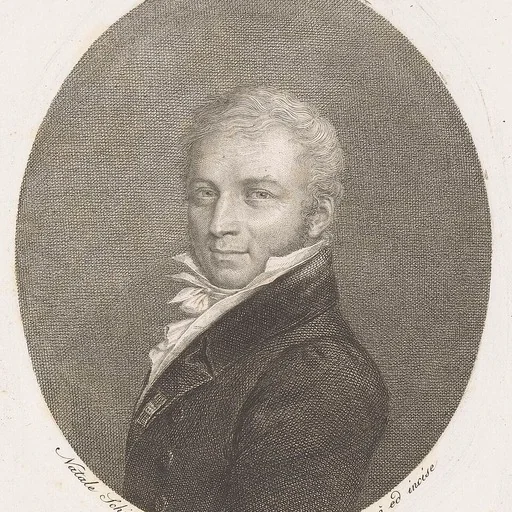
Giuseppe Maria Longhi (13 October 1766, Monza – 2 January 1831, Milan) was an Italian painter and engraver, in the Neo-Classical style.