Artwork
Noli me Tangere
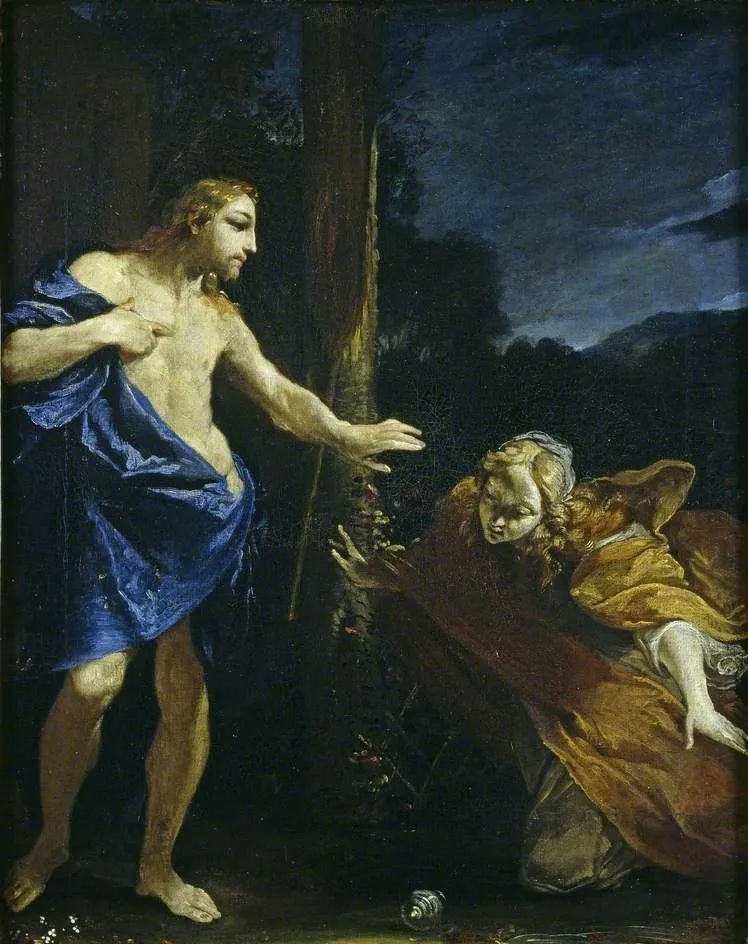
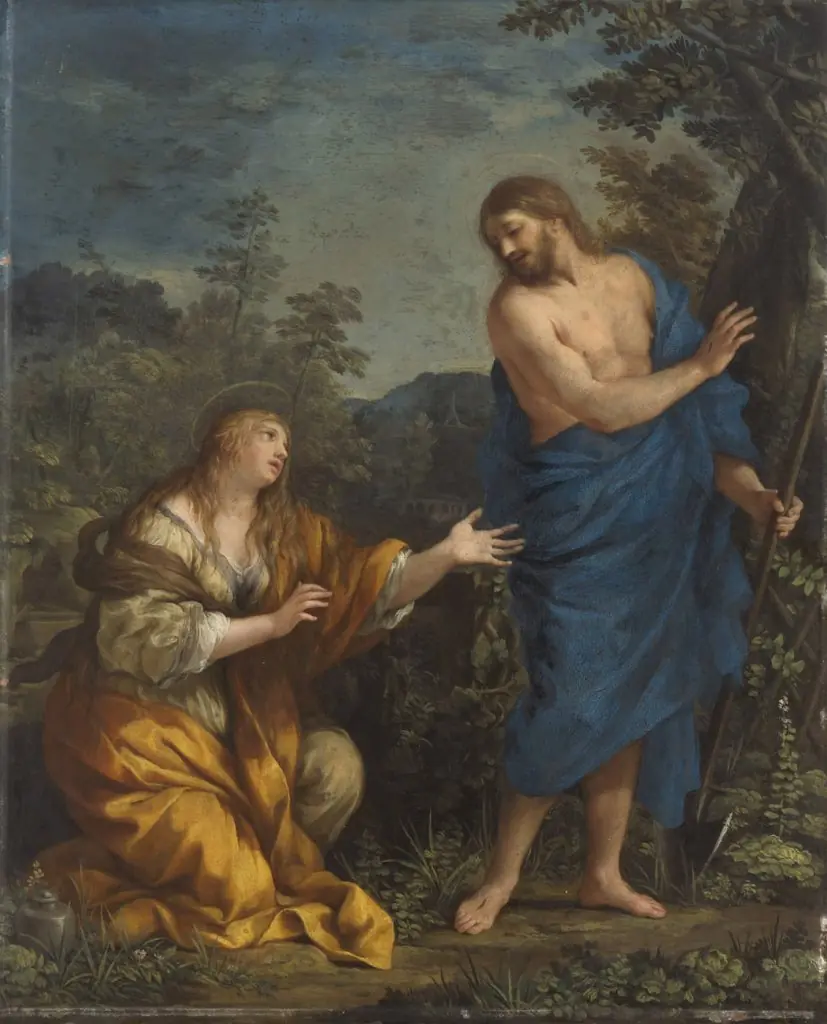
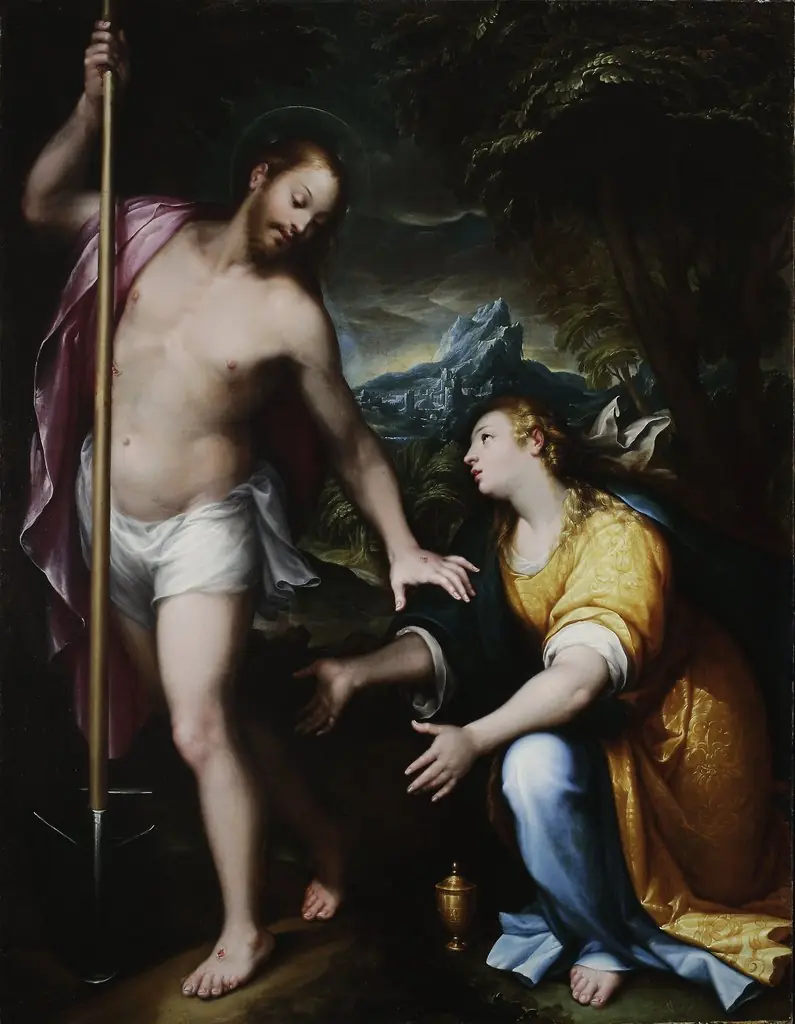
Noli me Tangere is an oil painting by the Barbizon school artist Giuseppe Maria Crespi. It dates from 1715 and is held in the collection of the Ashmolean Museum.
About this work
Overview
Giuseppe Maria Crespi’s oil painting *Noli me Tangere*, executed around 1715, belongs to the religious genre and is part of the Ashmolean Museum’s collection. The work measures roughly a modest size and presents a nocturnal outdoor scene dominated by a dark sky and sparse foliage. Its composition centers on two figures whose interaction conveys a heightened emotional charge.
Subject & Meaning
The title, taken from the biblical phrase “Do not touch me,” signals a moment from the Gospel in which the resurrected Christ appears to Mary Magdalene.
The title, taken from the biblical phrase “Do not touch me,” signals a moment from the Gospel in which the resurrected Christ appears to Mary Magdalene. In Crespi’s rendition, the male figure—presumably Christ—stands partially unclothed, his gaze fixed on the kneeling woman, who reaches toward him with outstretched arms. The contrast between the woman’s bright yellow robe and the man’s blue cloth underscores the tension between the divine and the mortal.
Technique & Style
Crespi employs a restrained palette of deep blues, muted yellows, and somber earth tones, allowing the figures to emerge from the enveloping darkness. The brushwork is fluid yet controlled, giving the drapery a sense of weight while preserving the softness of the surrounding foliage. The chiaroscuro effect, achieved through strong contrasts of light and shadow, heightens the dramatic intensity of the encounter.
History & Provenance
Created in the early eighteenth century, the painting entered the Ashmolean Museum’s holdings through a later acquisition, though the precise path from Crespi’s workshop to the museum remains undocumented in public records. Its presence in the museum’s collection reflects a broader interest in Italian Baroque religious art among British institutions during the nineteenth and twentieth centuries.
Context
Crespi worked in Bologna during a period when the city’s artistic output was heavily influenced by the dramatic realism of the Baroque. *Noli me Tangere* aligns with contemporary devotional works that sought to evoke personal piety through vivid, emotionally charged narratives. The painting’s nocturnal setting and intimate focus on the figures echo the Counter‑Reformation’s emphasis on direct, affective religious experience.
Artist & collection

Artist
Giuseppe Maria Crespi (14 March 1665 – 16 July 1747), nicknamed Lo Spagnuolo ('The Spaniard'), was an Italian late Baroque painter of the Bolognese School.

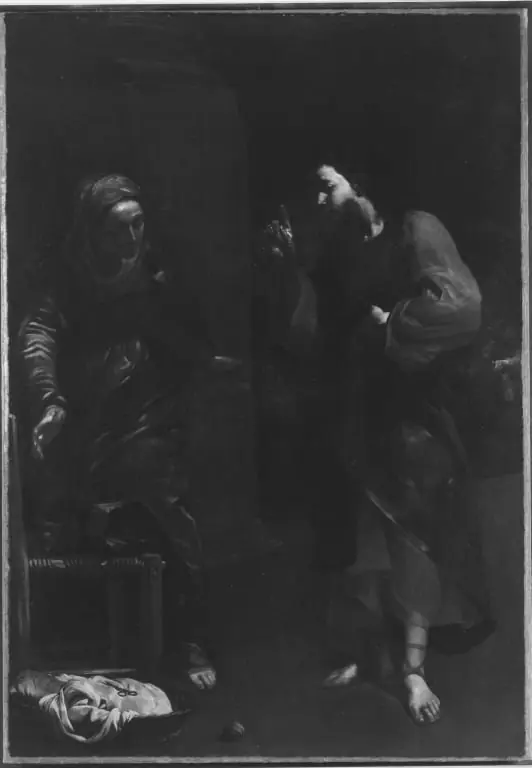
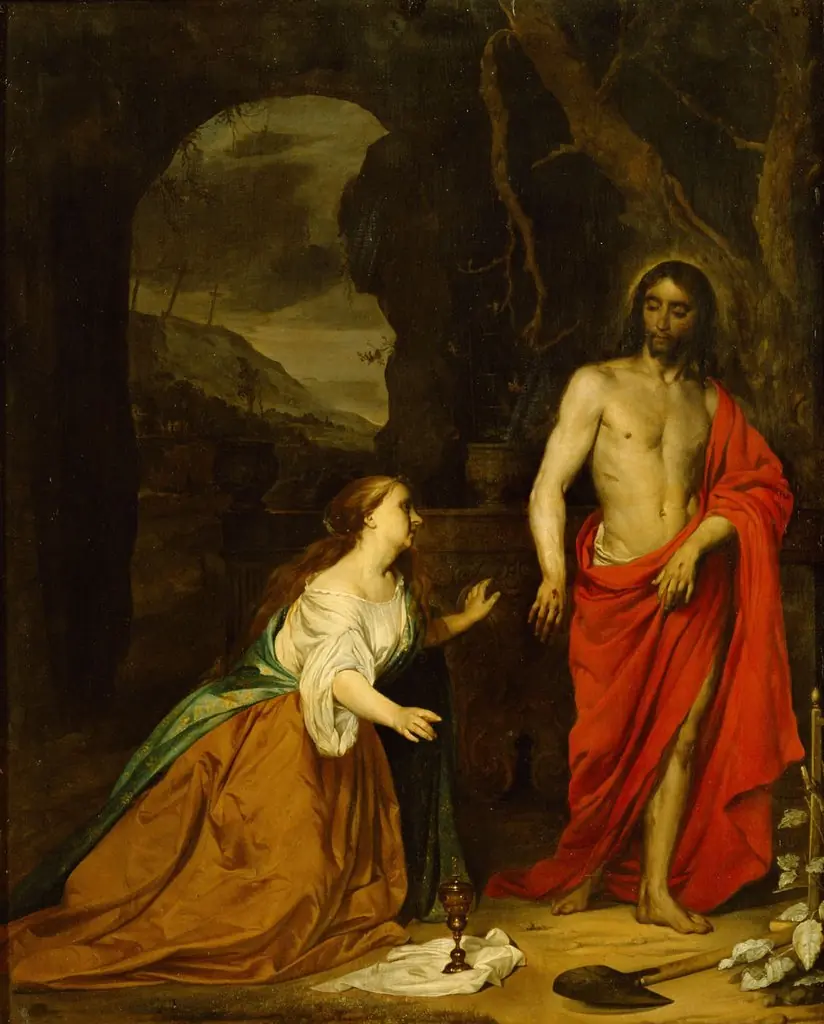
 Noli me tangere
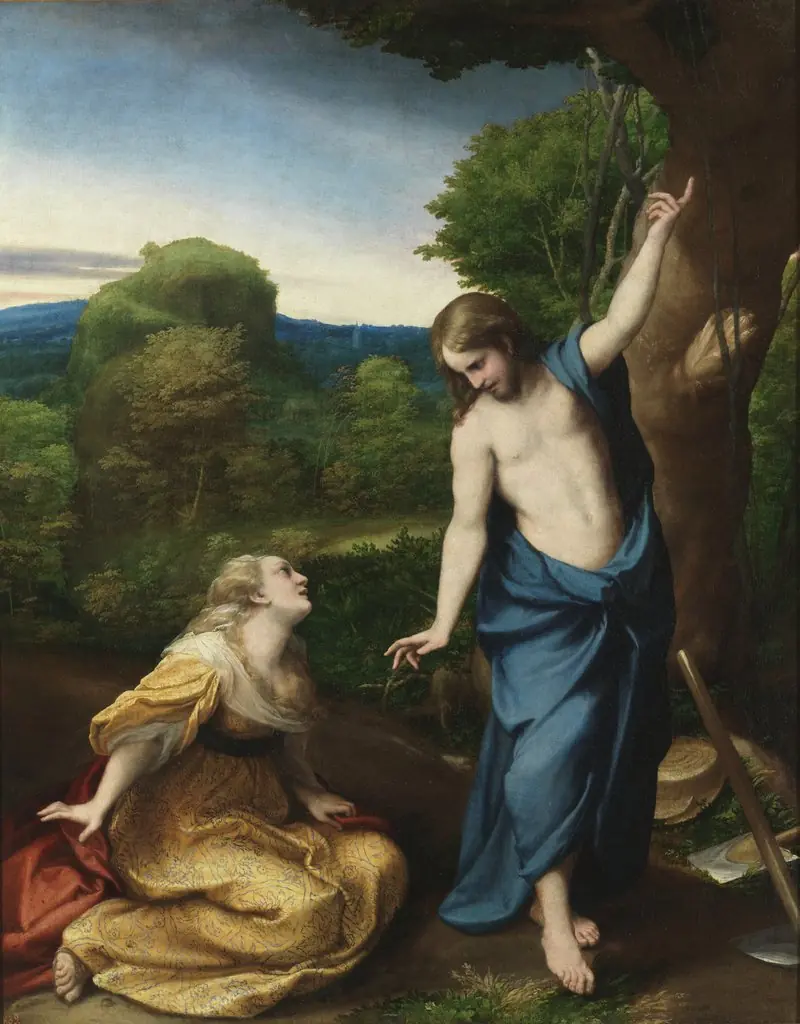
 Noli me tangere
 Noli me tangere
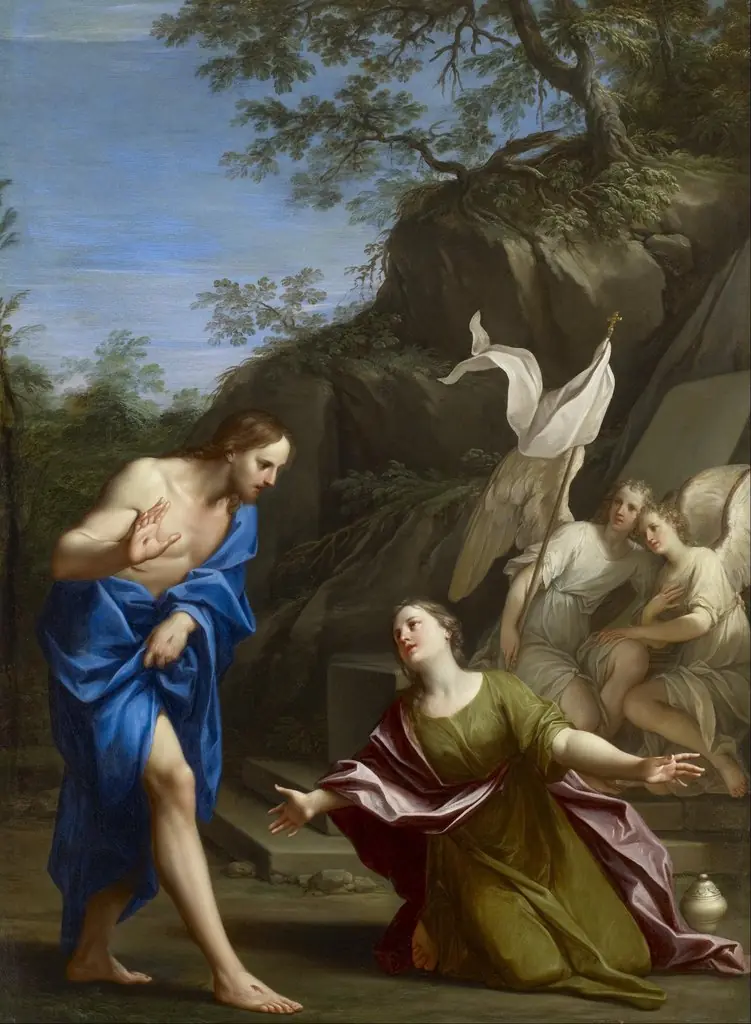 Noli Me Tangere ("Touch me not")
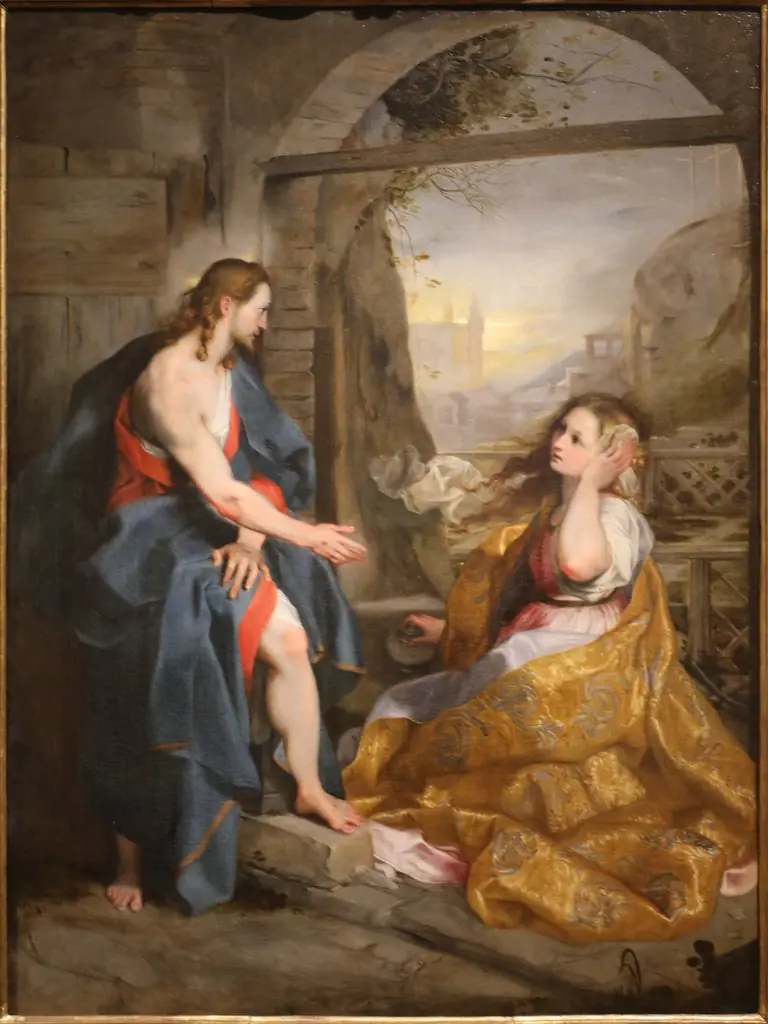 Noli me tangere
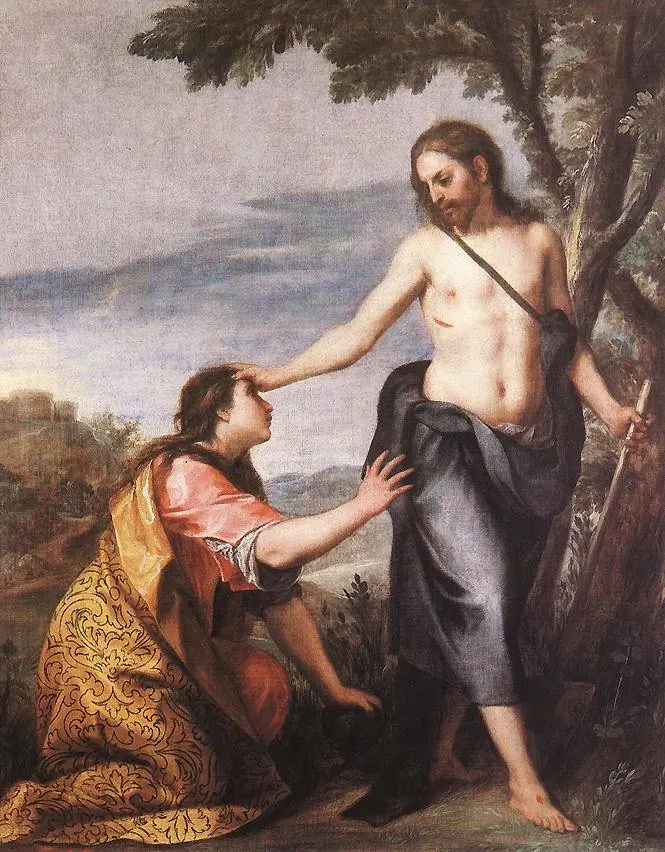 Noli me Tangere (Christ Appearing as a Gardener to Mary Magdalene)
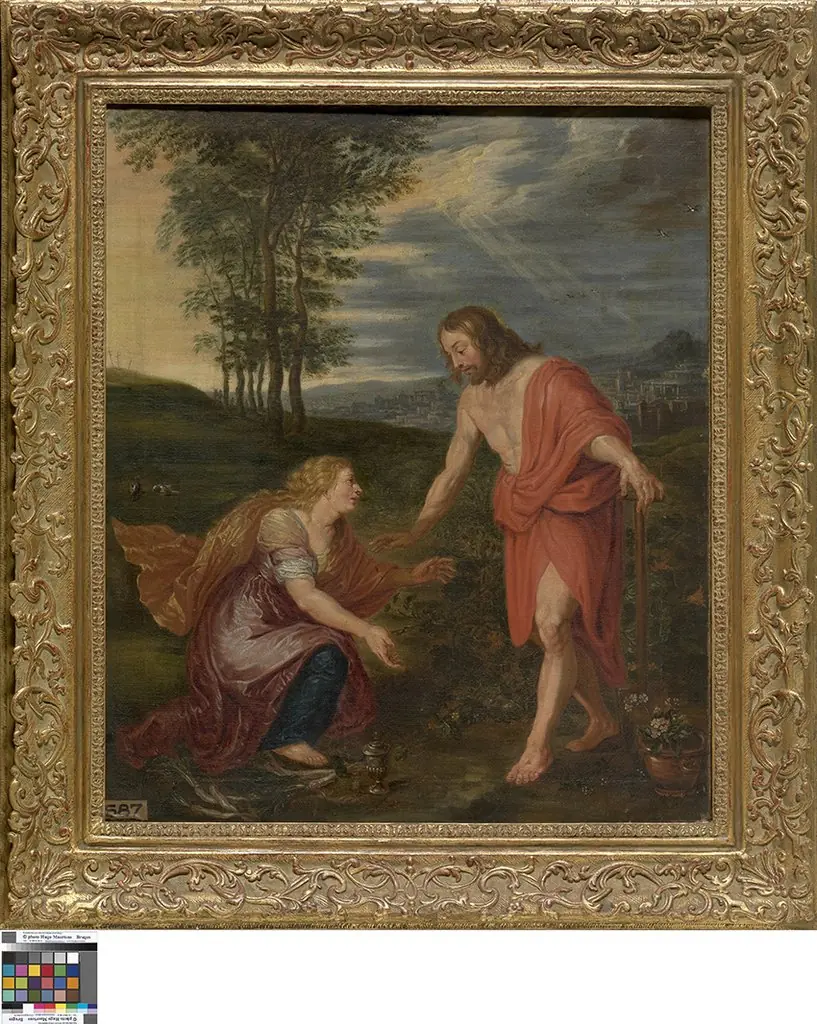 Noli me tangere
 “Noli me tangere” – Resurrected Christ appearing to Mary Magdalene (John 20:14-17)
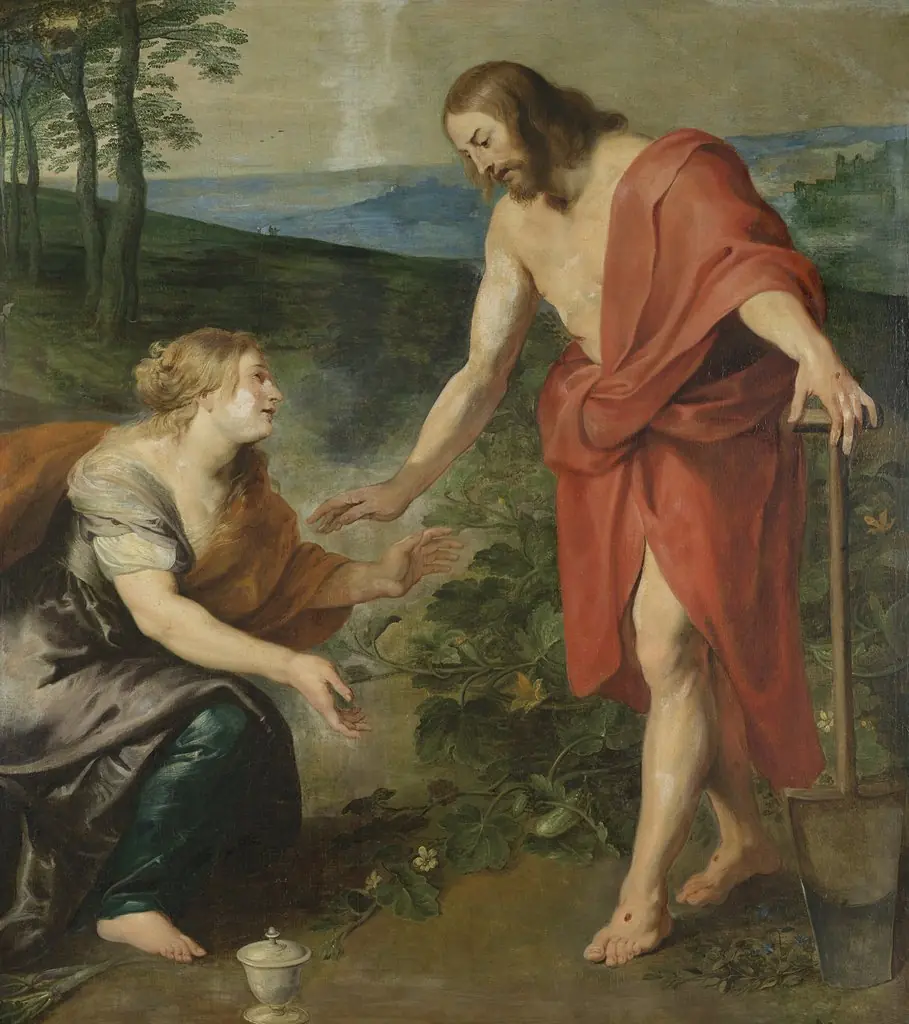 'Noli me tangere': the meeting of Christ and Mary Magdalene