Artwork
Carlota Joaquina infanta de España reina de Portugal
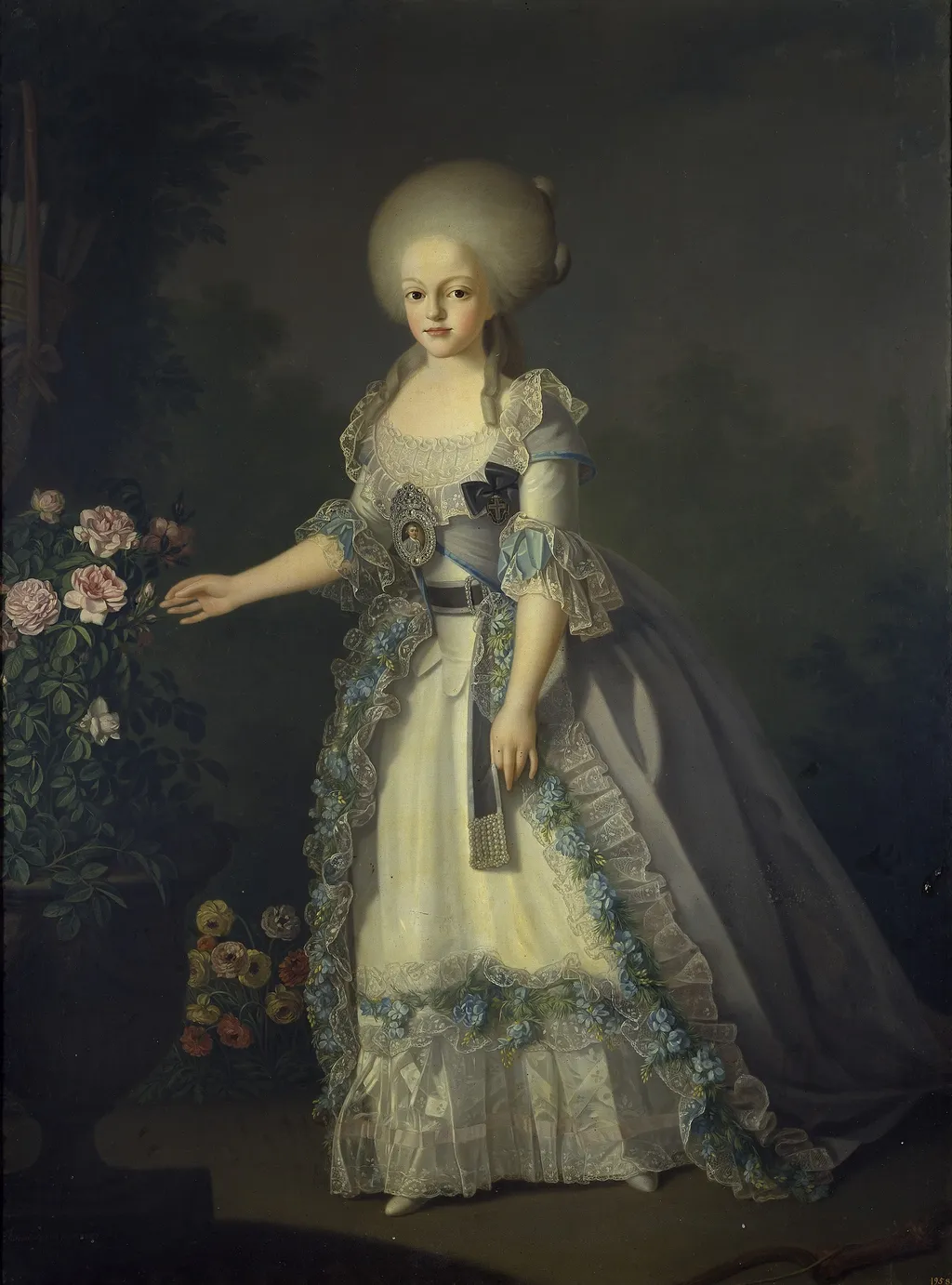
Carlota Joaquina infanta de España reina de Portugal is an oil painting by the Rococo painting artist Giuseppe Troni. It dates from 1794 and is held in the collection of the Museo del Prado.
About this work
Overview
Carlota Joaquina infanta de España reina de Portugal is a 1794 oil painting by Giuseppe Troni, an Italian court painter, now in the Museo del Prado collection. The work portrays Carlota Joaquina, a Spanish infanta who later became Queen of Portugal, in a formal, intimate setting.
Subject & Meaning
The painting depicts Carlota Joaquina in her youth, dressed in a white gown with blue floral accents and lace, indicating a formal or royal occasion. Her attire and hairstyle reflect her noble status.
Technique & Style
Troni executed the portrait in the Rococo style, utilizing chiaroscuro to create a sense of intimacy. The dark background and subtle lighting emphasize the subject, drawing focus to her presence.
History & Provenance
Painted in 1794, the work is part of Troni's oeuvre following his service as a court painter in Naples, Turin, and subsequently, Portugal. It is currently held in the Museo del Prado's collection.
Context
As a court painter, Troni's work was influenced by his European training, particularly in Rome, and his experience portraying royal figures across multiple courts.
Legacy
While specific legacy details of this piece are not highlighted, Troni's use of chiaroscuro and Rococo style in royal portraiture contributes to the broader artistic heritage of European court painting.
Own this work as a print
Artist & collection
Artist
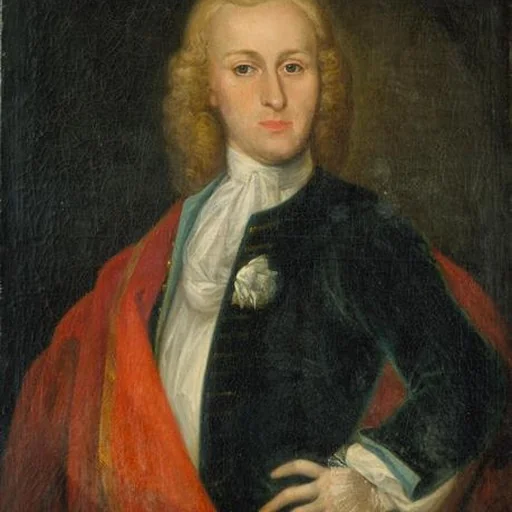
Giuseppe Troni (Portuguese: José Troni; Turin, 1739 – Lisbon, 1810) was an Italian court painter.

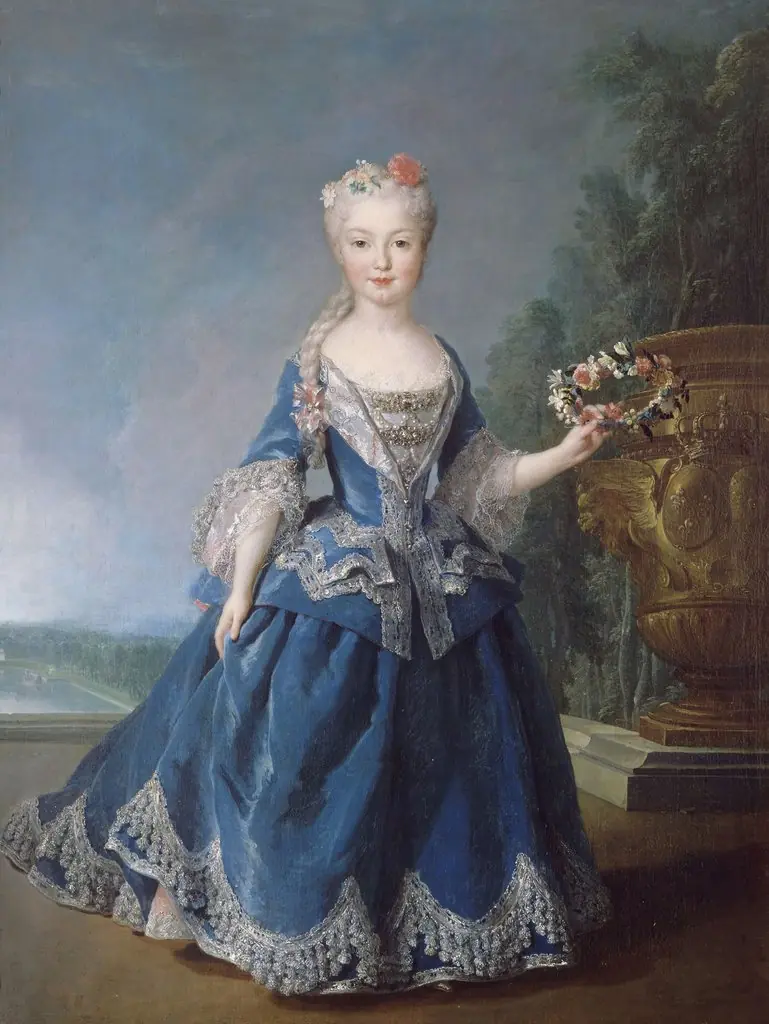 Portrait of Mariana Victoria of Spain (1718-1781)
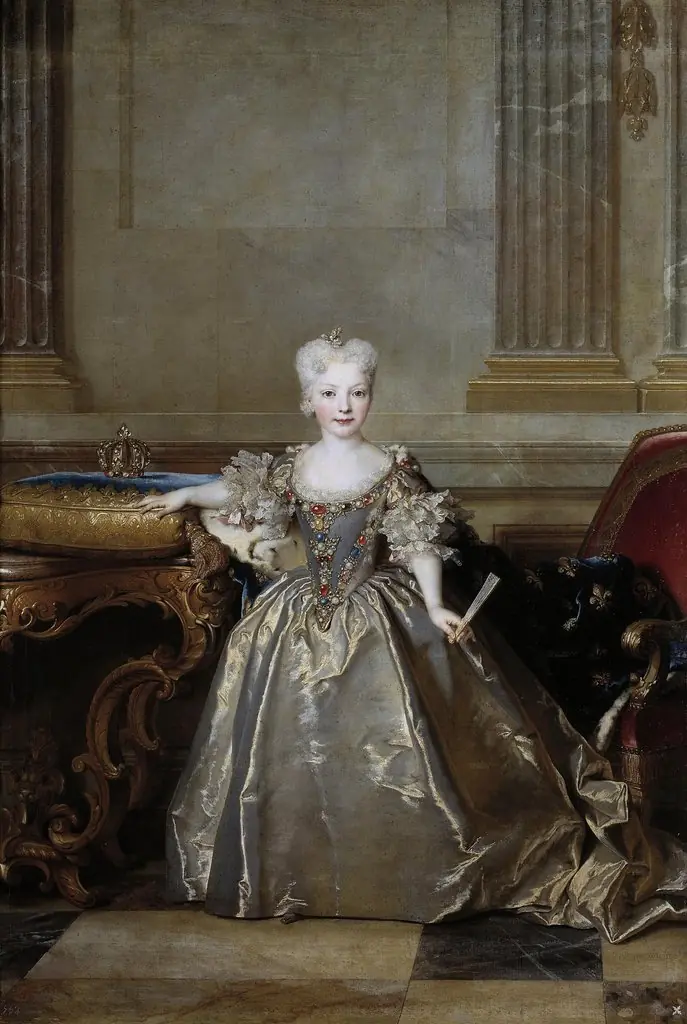 María Ana Victoria de Borbón y Farnesio
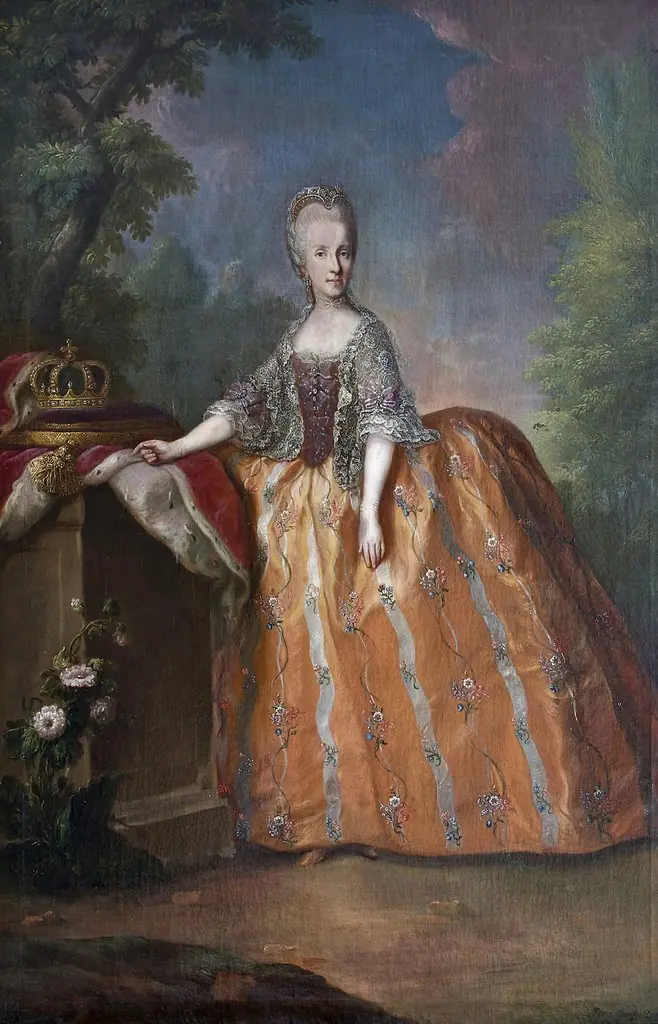 Maria Luisa of Spain, Holy Roman Empress
 The Dowager Queen Juliane Marie of Denmark
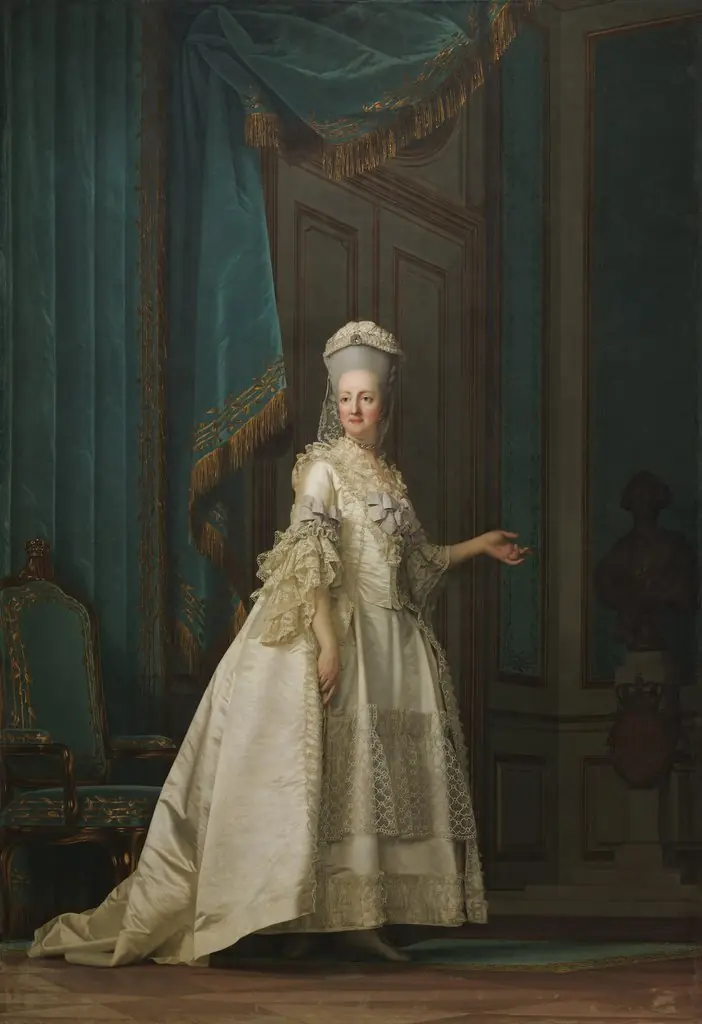 The Queen Dowager Juliane Marie
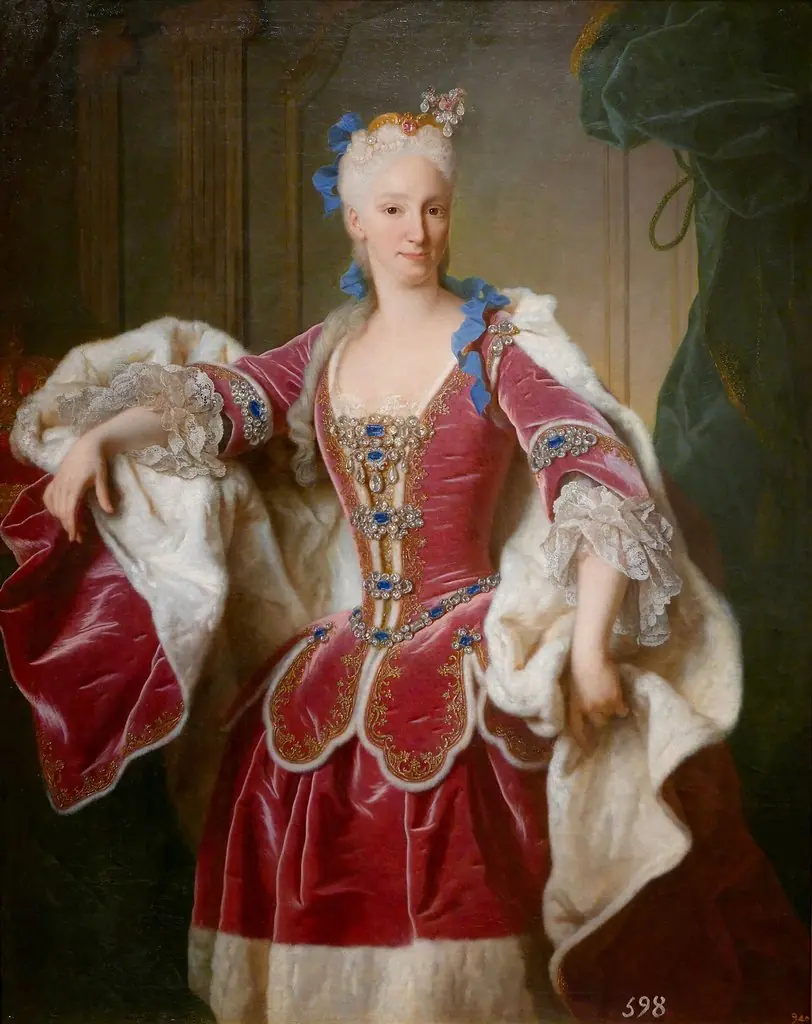 Elisabeth Farnese, Queen of Spain
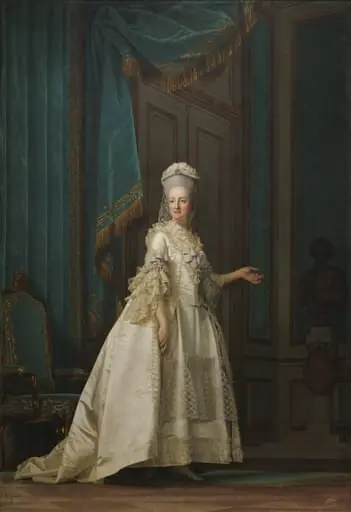 The Queen Dowager Juliane Marie
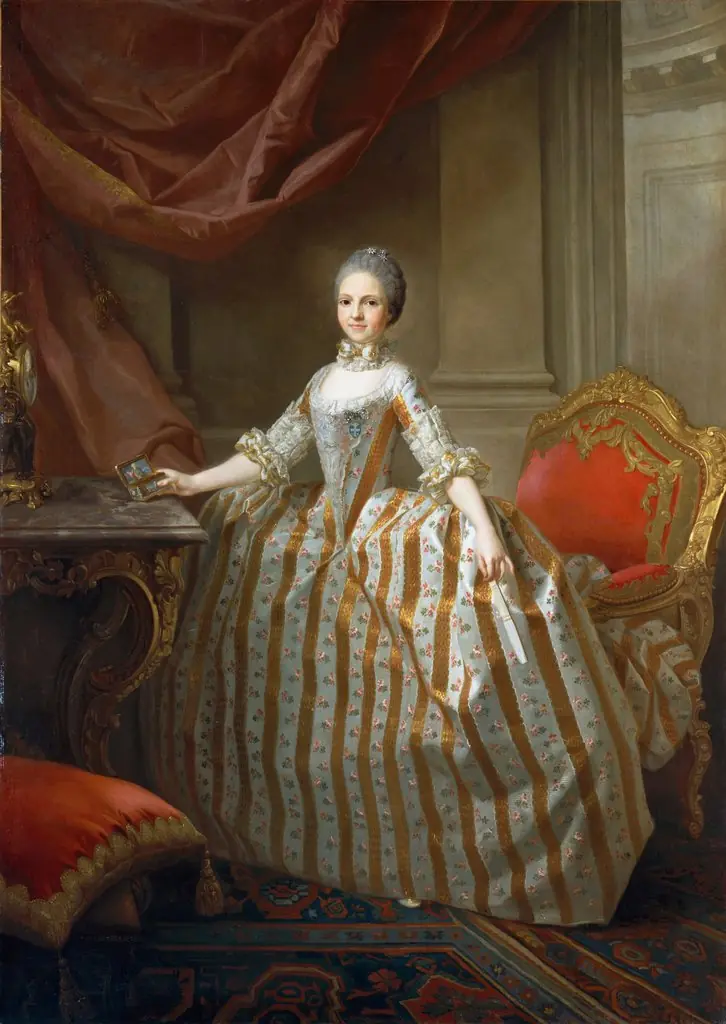 Maria Luisa of Parma (1751–1819), Later Queen of Spain
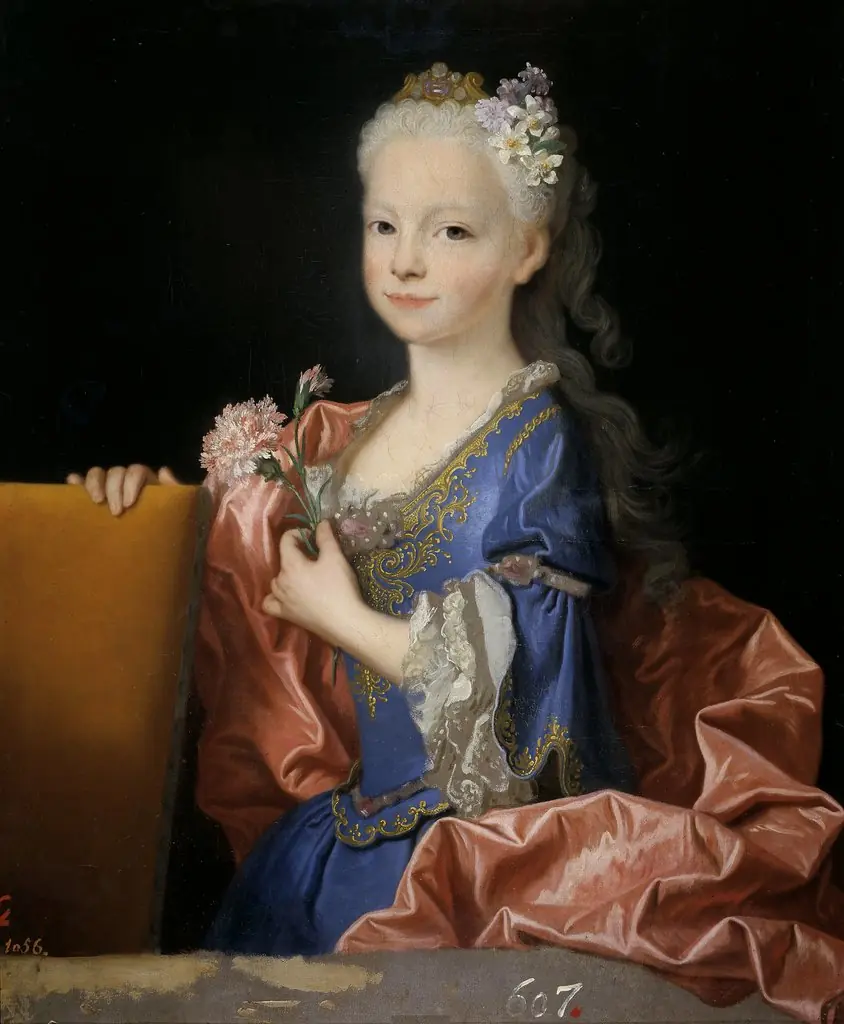 Maria Ana Victoria of Bourbon (Future Queen of Portugal) as a Child
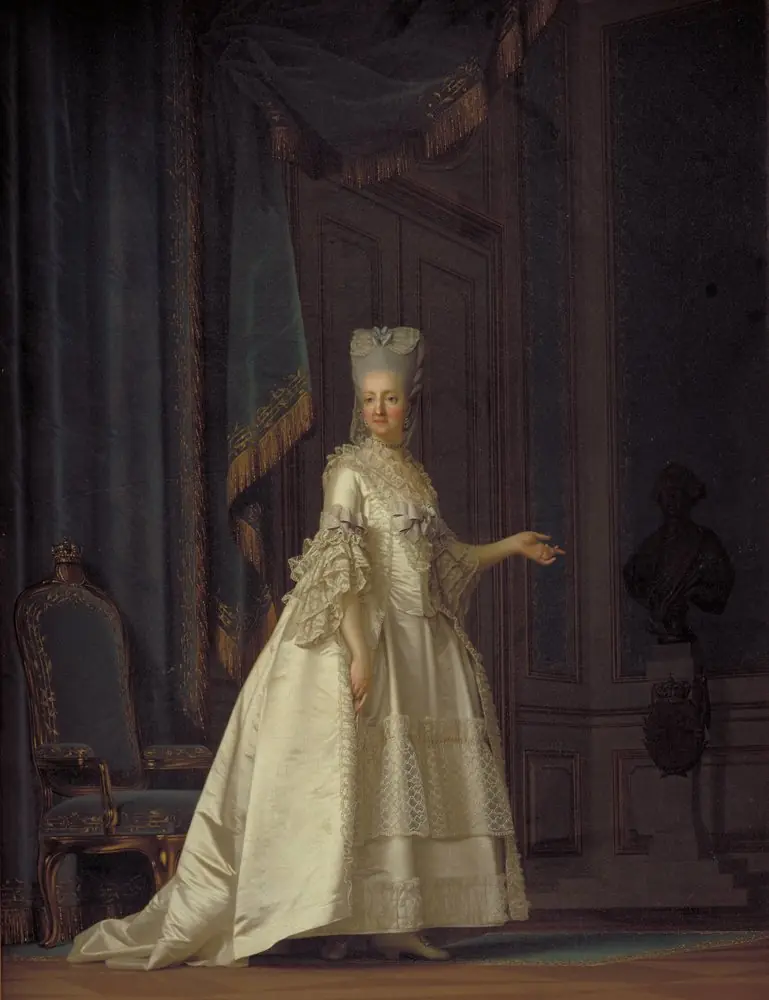 The Dowager Queen Juliane Marie of Denmark
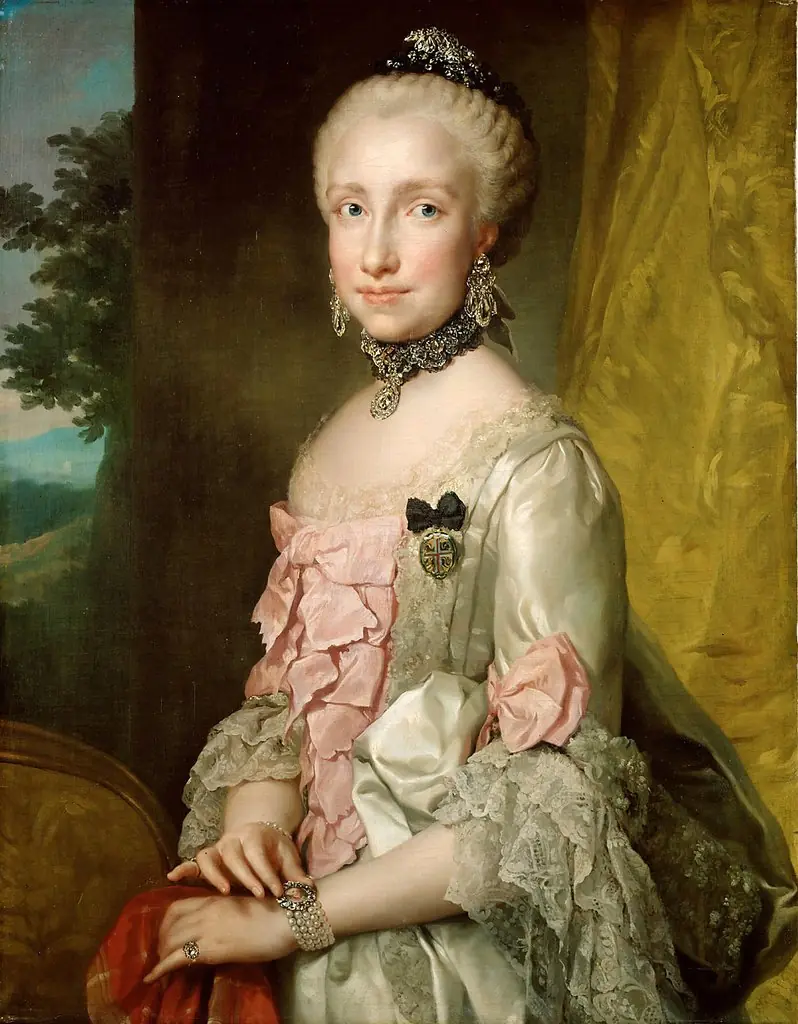 Portrait of Maria Luisa of Spain
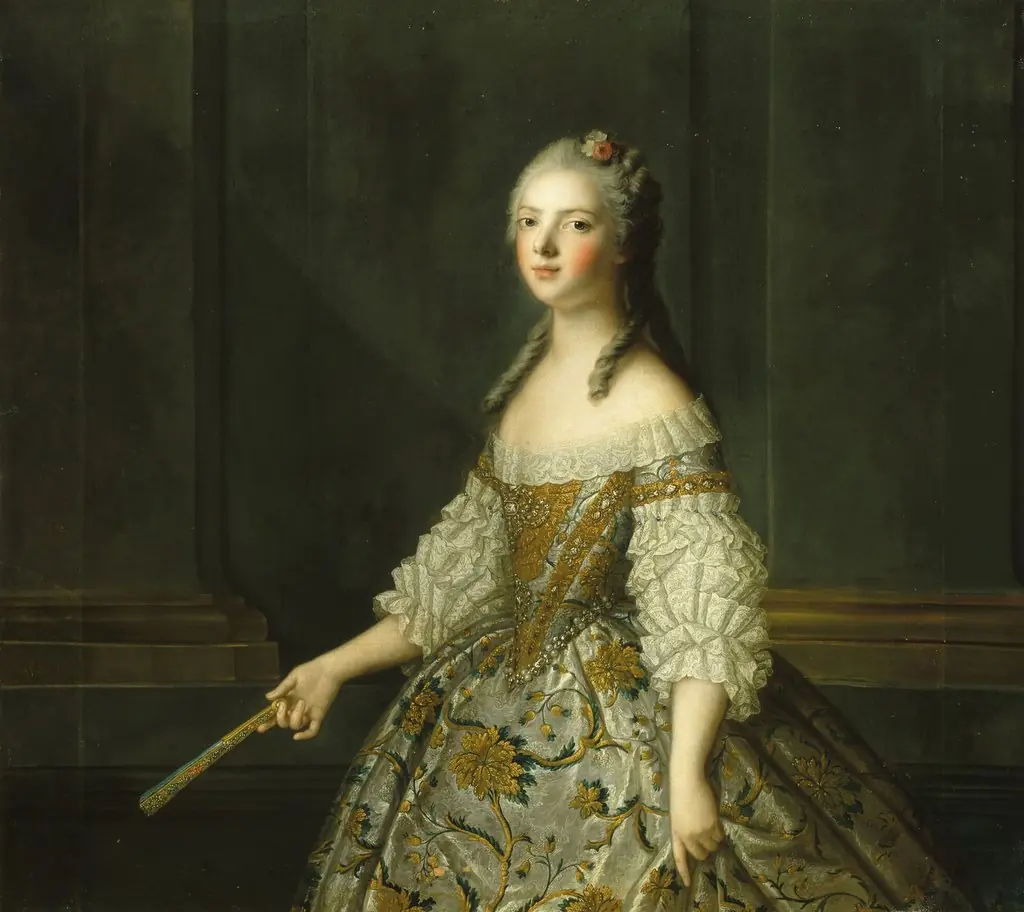 Madame Adélaïde of France Holding a Fan