Artwork
Sir William Waller, Parliamentary General
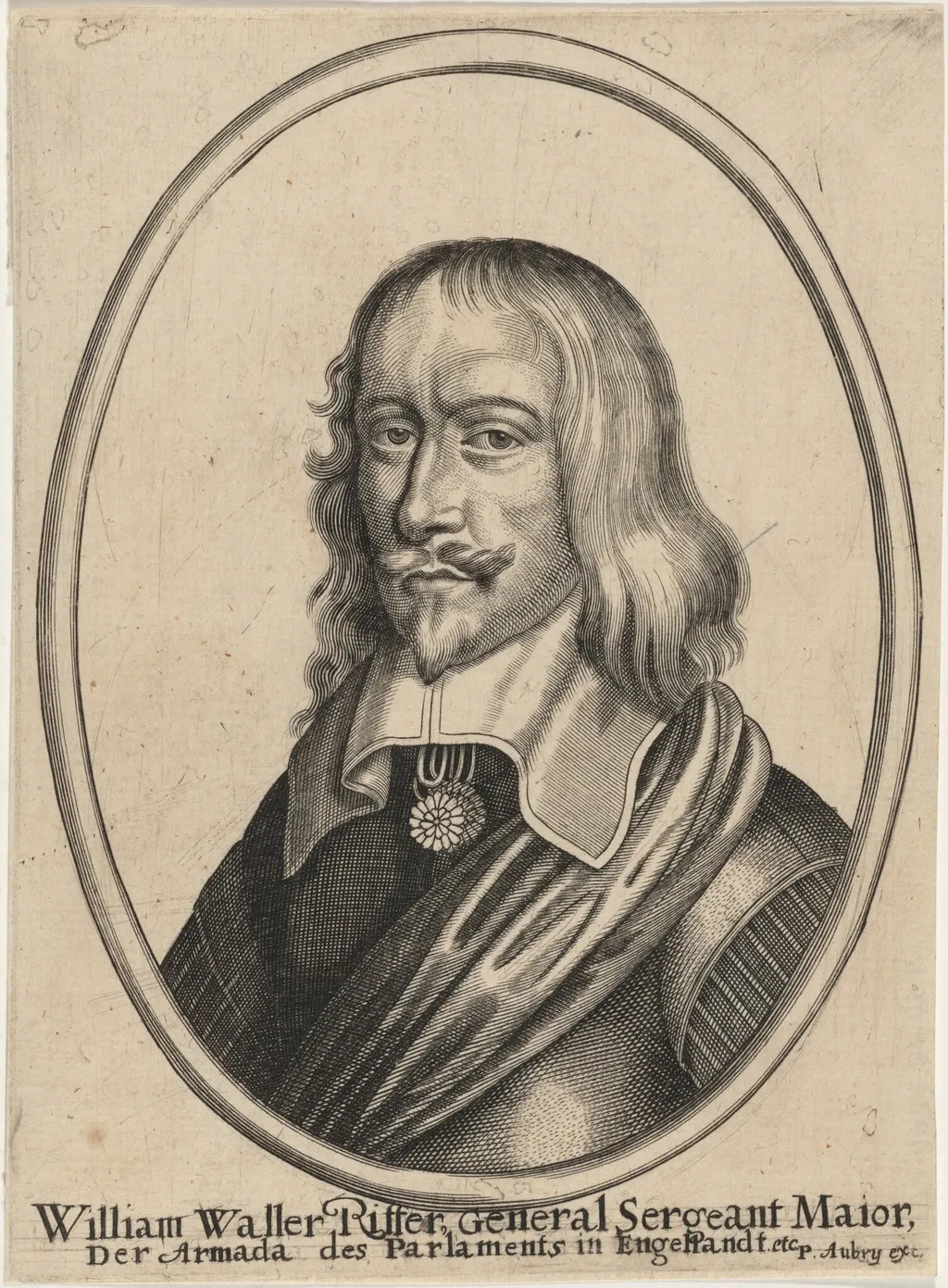
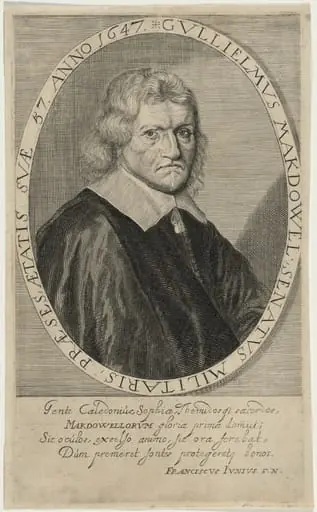
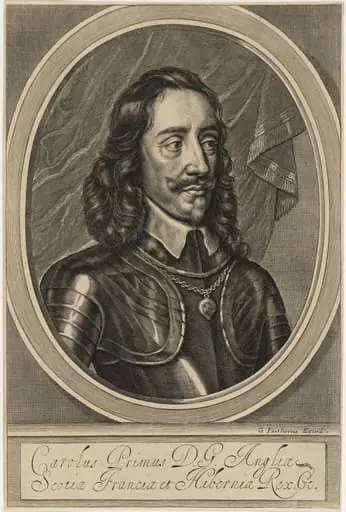
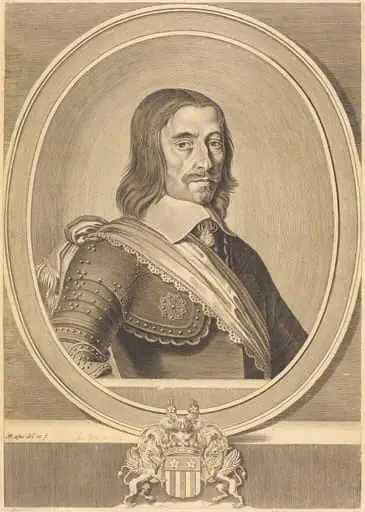
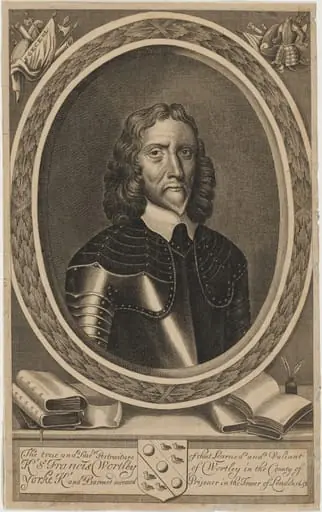
Sir William Waller, Parliamentary General is an ink print by the Romanticist artist Unknown 19th Century. It dates from 1850 and is held in the collection of the National Gallery of Art. This black-and-white engraving depicts Sir William Waller, a military leader during the English Civil War.
About this work
Overview
The composition emphasizes his facial features and attire, with no decorative elements beyond the frame and a small floral pin at his collar.
This black-and-white engraving depicts Sir William Waller, a military leader during the English Civil War. Rendered in fine linear strokes, the portrait presents him in profile against a plain background, enclosed within a circular border. The composition emphasizes his facial features and attire, with no decorative elements beyond the frame and a small floral pin at his collar. The work belongs to the tradition of printed portraiture used for political and military figures in 17th-century England.
Subject & Meaning
Sir William Waller is portrayed as a disciplined parliamentary commander, his serious expression and full beard conveying gravitas and resolve. The inclusion of a flower-shaped pin may suggest personal refinement or symbolic allegiance, though its exact meaning remains ambiguous. The plain background and circular framing focus attention solely on his identity and status, reinforcing the image as a formal representation of authority rather than a narrative scene.
Technique & Style
The portrait is executed in the engraving technique, using incised lines to build tone, texture, and form. Fine cross-hatching models the folds of his high collar and the density of his beard, while controlled strokes define the curls of his hair. The absence of grayscale or washes relies entirely on line variation to suggest depth and materiality, characteristic of reproductive prints made for wide circulation in the mid-1600s.
History & Provenance
Created during or shortly after the English Civil War, this engraving likely served to circulate Waller’s likeness among Parliamentarian supporters. Such prints were often produced from paintings or drawings by professional engravers and distributed as broadsheets or in pamphlets. While the original artist is unrecorded, the format aligns with other contemporary portraits of parliamentary officers printed in London during the 1640s.
Context
In the 1640s, printed portraits of military leaders became tools of political messaging, especially among Parliamentarians seeking to legitimize their cause. Waller, a prominent commander before his later fall from favor, was among those whose image was reproduced to bolster public recognition and morale. The circular format, common in medallion-style engravings, evoked classical and royal portraiture traditions, lending dignity to the subject.
Legacy
This engraving contributes to the visual record of Parliamentarian leadership during a turbulent era in British history. Though not widely known today, such prints formed part of a broader culture of political imagery that shaped public perception of key figures. As examples of early modern printmaking, they remain valuable for understanding how identity and authority were visually constructed in print before the rise of photography.
Artist & collection

Artist