Artwork
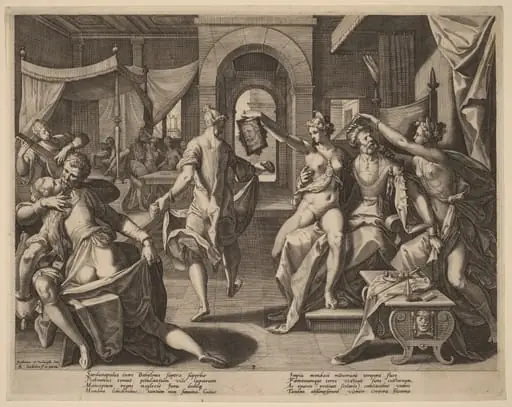
Mercury Entering Herse's Room after Changing Agraulos to Stone
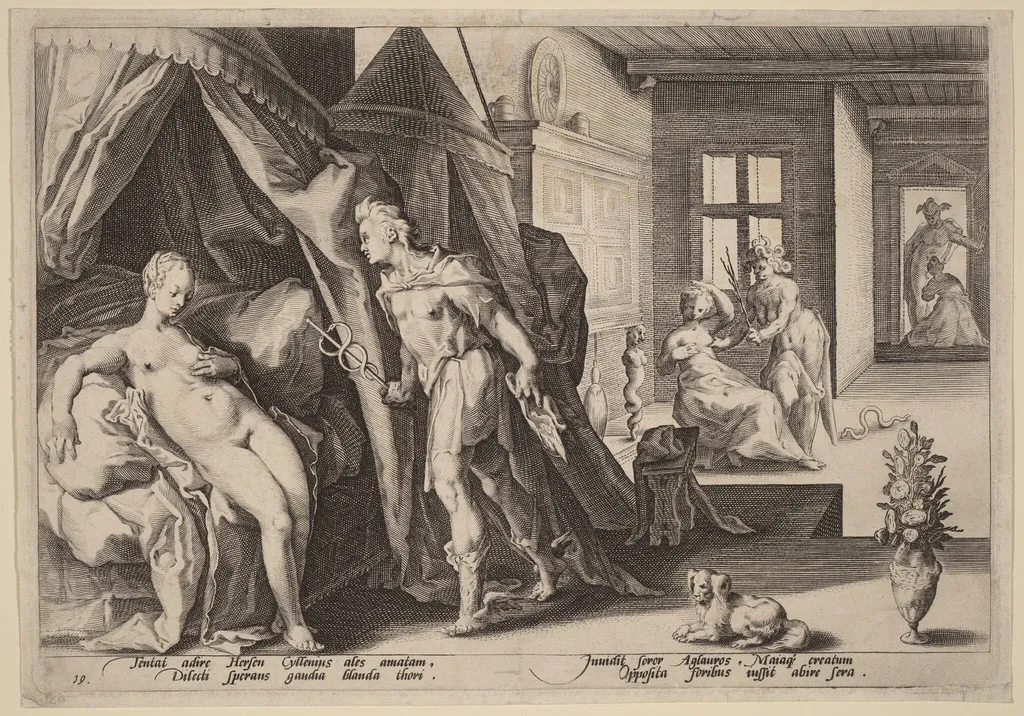
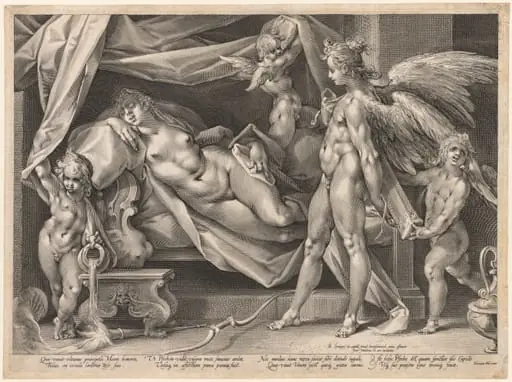
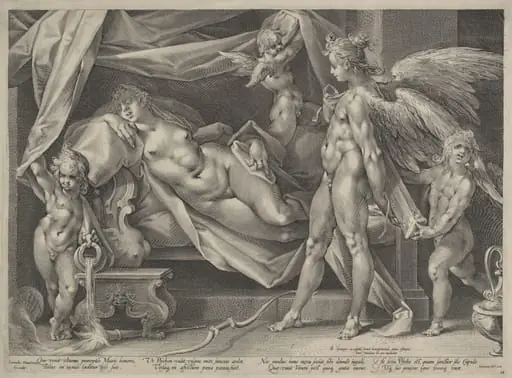
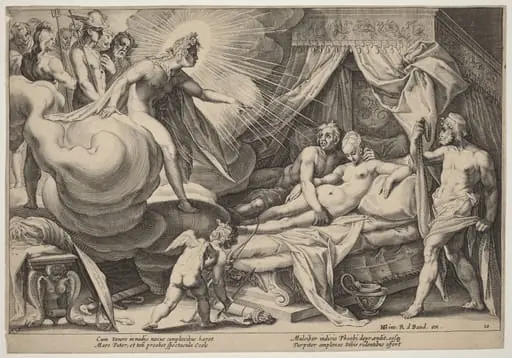
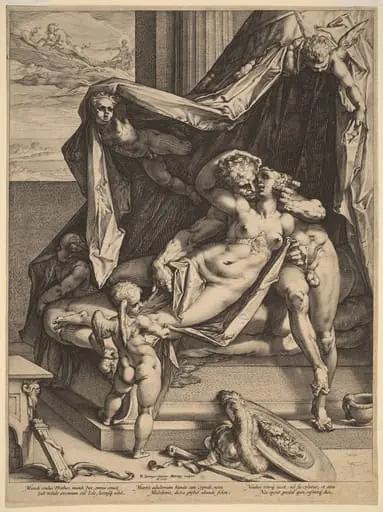
Mercury Entering Herse's Room after Changing Agraulos to Stone is an ink print by the Renaissance artist Hendrik Goltzius. It dates from 1590 and is held in the collection of the National Gallery of Art. Created in 1590, this engraving by Hendrick Goltzius captures a moment from Ovid’s Metamorphoses.
About this work
Overview
Created in 1590, this engraving by Hendrick Goltzius captures a moment from Ovid’s Metamorphoses. Executed in fine black ink on laid paper, the work exemplifies Goltzius’s mastery of linear precision and tonal nuance. As one of the most accomplished Northern engravers of his time, he translated mythological narrative into intricate visual form, balancing dramatic tension with meticulous detail.
Subject & Meaning
The scene illustrates Mercury’s entrance into Herse’s chamber after turning her sister Agraulos to stone for obstructing his amorous pursuit.
The scene illustrates Mercury’s entrance into Herse’s chamber after turning her sister Agraulos to stone for obstructing his amorous pursuit. The fallen figure on the left, rigid and stone-like, contrasts with the living figures: Mercury, identifiable by his caduceus and lyre, stands poised between Herse and the infant she cradles. The composition underscores themes of divine intervention, jealousy, and transformation, rendered with psychological subtlety.
Technique & Style
Goltzius employed fine, controlled lines to model form and texture, from the soft folds of Mercury’s cloak to the delicate skin of the infant. Shading is achieved through cross-hatching and varied line density, creating volume without tone. The inclusion of a small dog, a flower vase, and a distant statue adds domestic realism to the mythic moment, reflecting Northern Mannerist tendencies toward ornate detail and spatial complexity.
History & Provenance
Produced during Goltzius’s mature period in Haarlem, the print was part of a series illustrating classical myths, circulated widely among collectors and artists. Its Latin inscription, likely drawn from Ovid, served both as narrative anchor and intellectual appeal. The work’s survival in multiple institutional collections attests to its early reception and enduring technical admiration.
Context
In late 16th-century Northern Europe, mythological subjects were favored by humanist patrons seeking cultural refinement. Goltzius’s prints responded to this demand, blending classical learning with technical virtuosity. His engagement with Italian Mannerism, filtered through Northern sensibilities, positioned him as a bridge between southern ideals and northern craftsmanship in printmaking.
Legacy
This engraving influenced generations of printmakers through its compositional density and technical rigor. Goltzius’s ability to convey narrative and emotion through line alone set a standard for the medium. Later artists studied his handling of anatomy and drapery, ensuring his prints remained reference points in academic training well into the 18th century.
Artist & collection
Artist
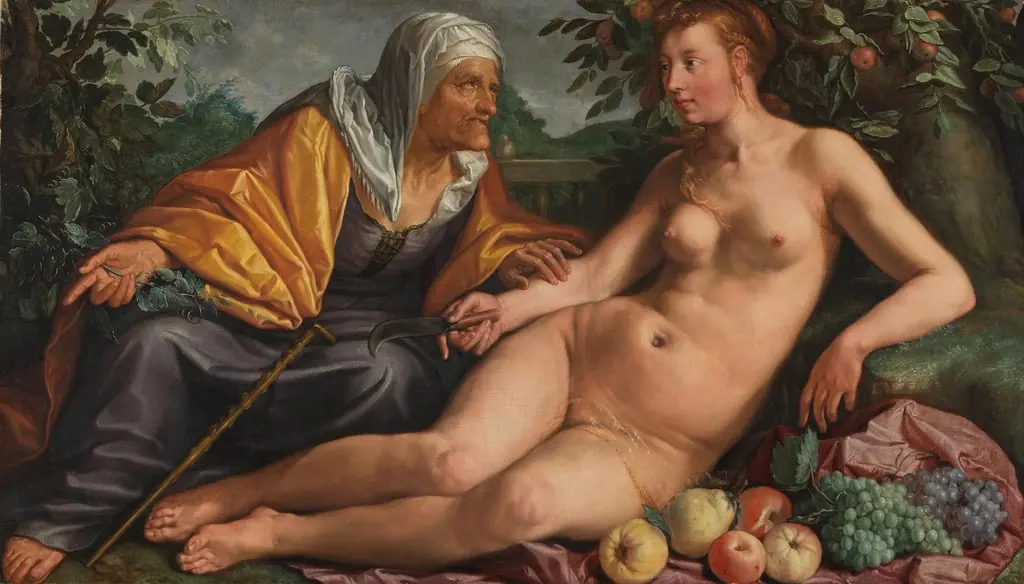
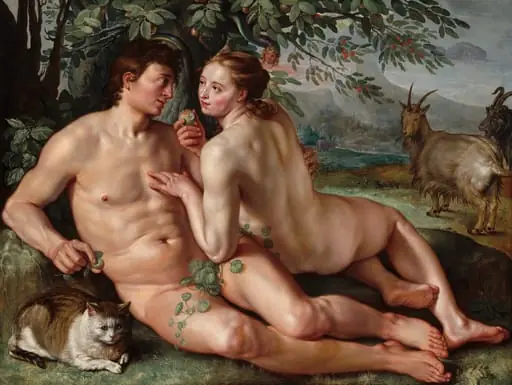
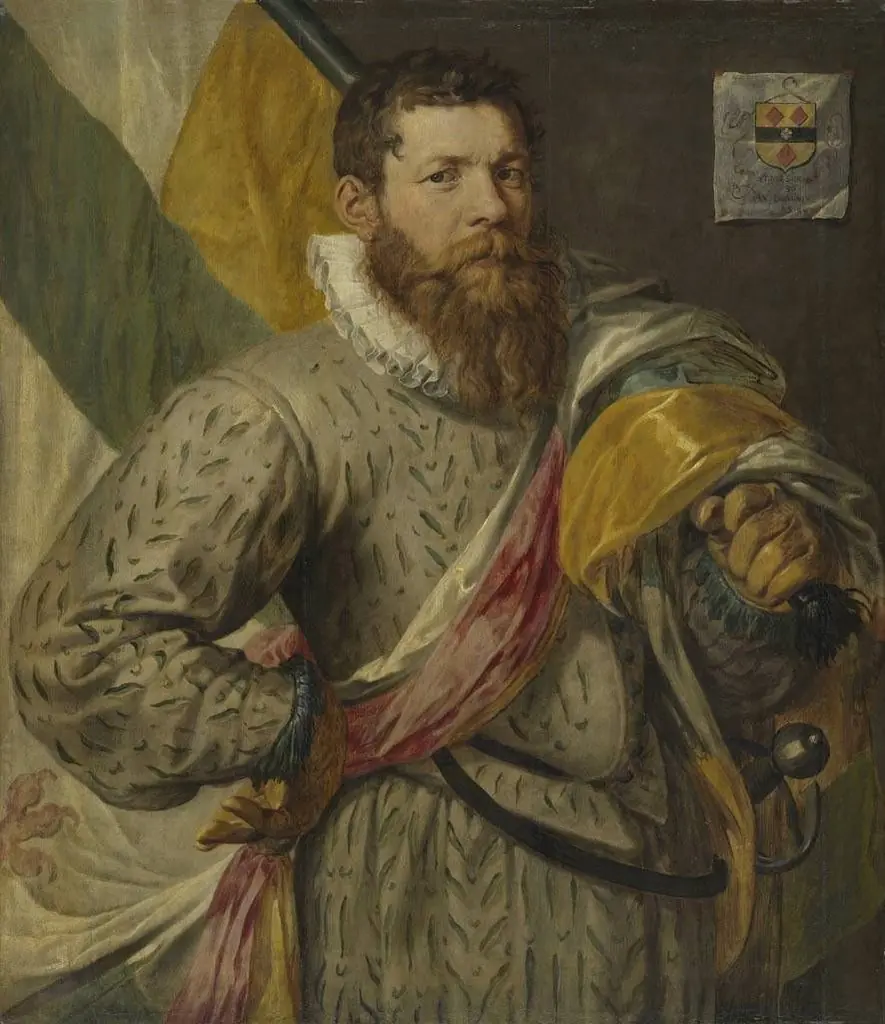
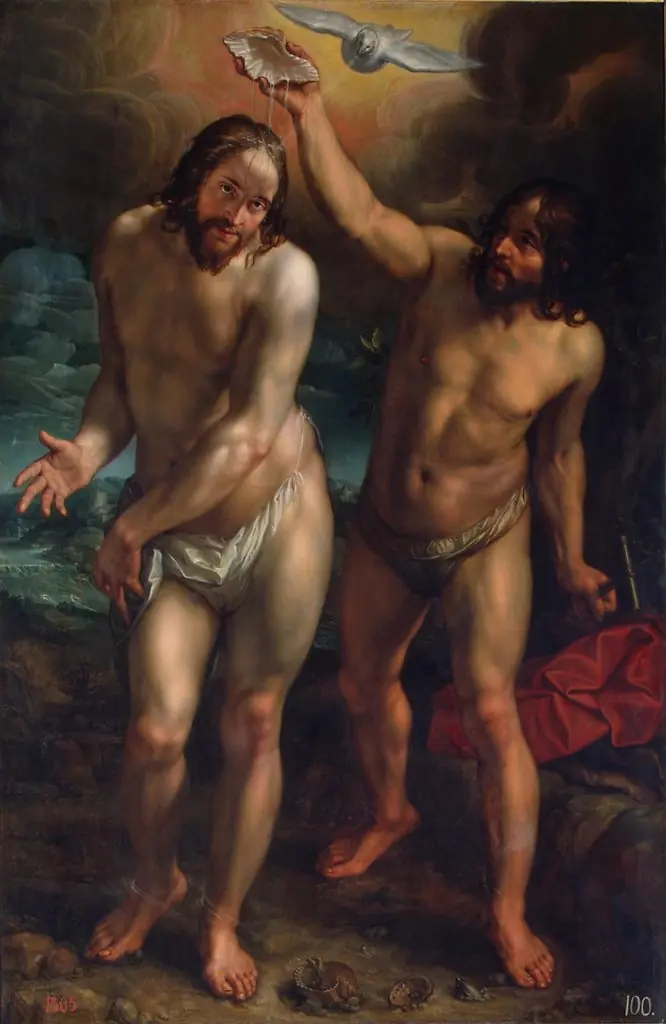
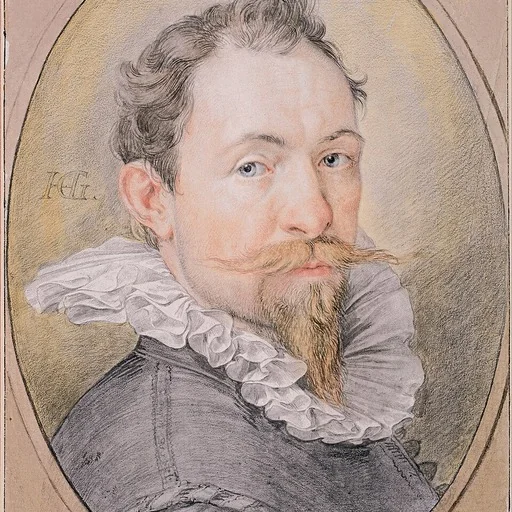
Hendrick Goltzius (German: , Dutch: ; né Goltz; January or February 1558 – 1 January 1617) was a German-born Dutch printmaker, draftsman, and painter.