Artwork
Tethys
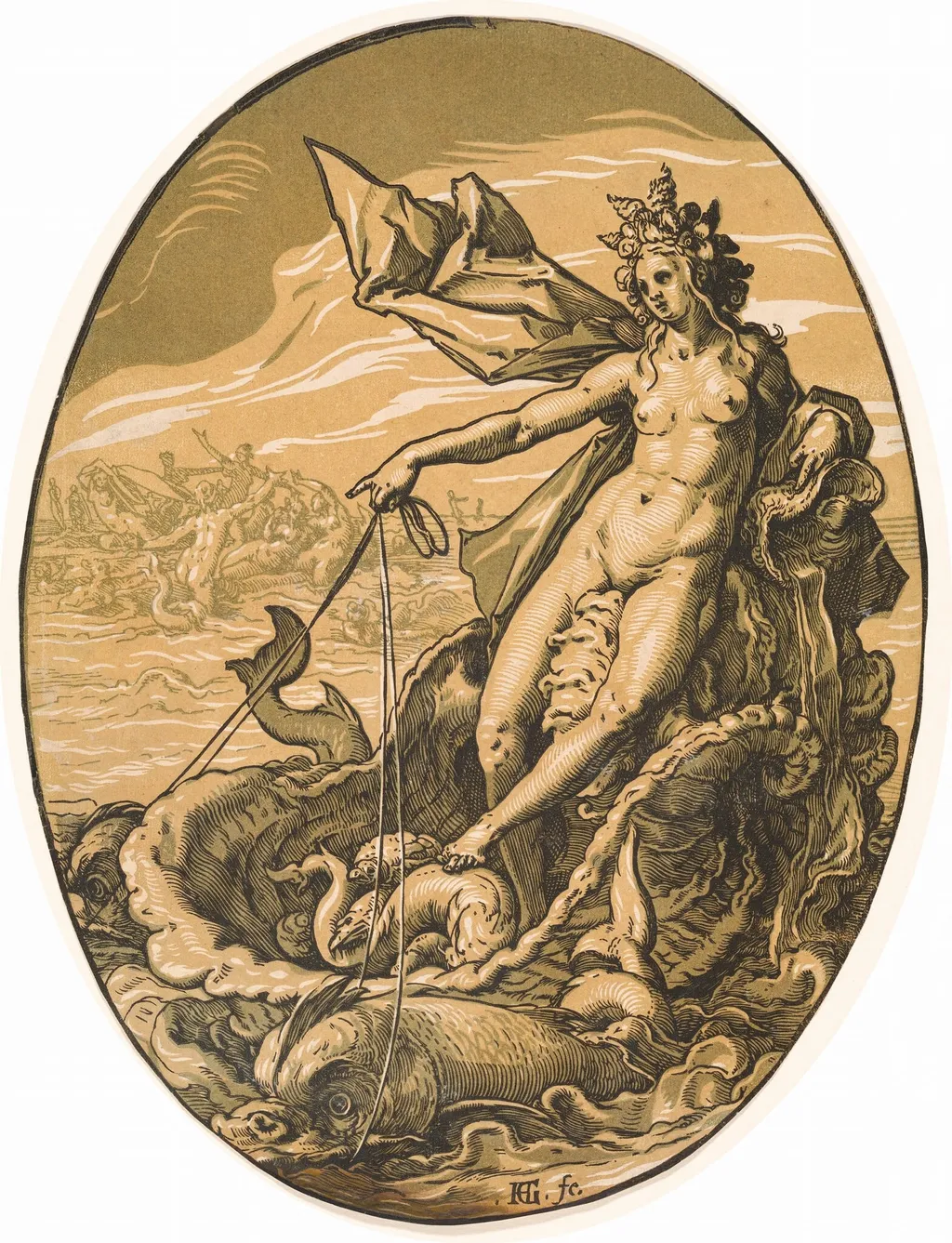
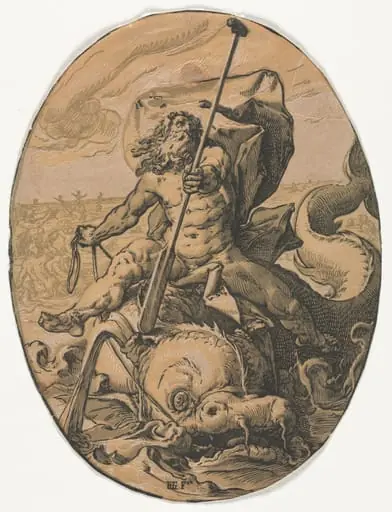
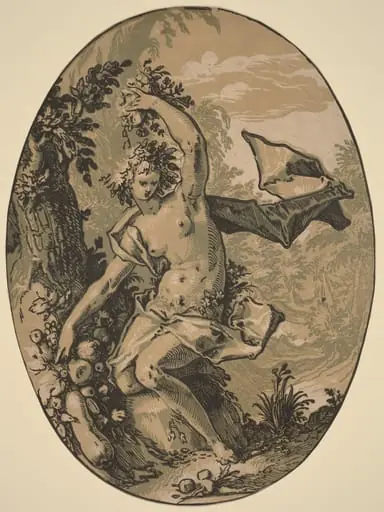
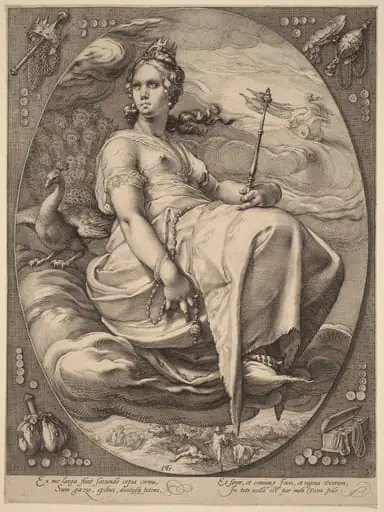
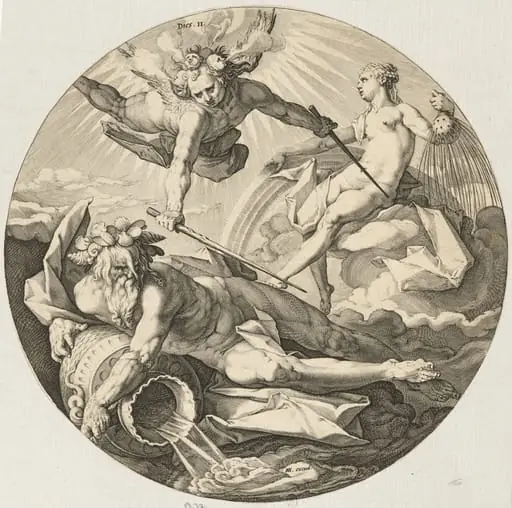
Tethys is an ink print by the Renaissance artist Hendrik Goltzius. It dates from 1589 and is held in the collection of the National Gallery of Art.
About this work
Overview
Tethys is a 1589 print by Hendrick Goltzius, a prominent figure in Northern Mannerism. Created as a chiaroscuro woodcut, it showcases the artist's technical skill and innovative use of multiple colors.
Subject & Meaning
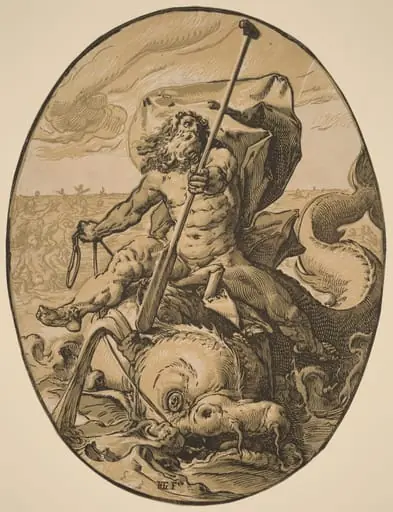
The print depicts Tethys, a sea goddess, standing on a rocky outcropping surrounded by marine life. Her nudity, leafy crown, and control over a dolphin via a rope underscore her mythological significance and association with the ocean's power.
Technique & Style
Goltzius employed chiaroscuro woodcut in sepia-ochre, olive, and black on laid paper to achieve a rich, textured effect. The technique, combined with detailed rendering of the subject, exemplifies the artist's blending of drawing and engraving traditions characteristic of Northern Mannerism.
Context
Tethys reflects the artistic trends of 16th-century Northern Europe, where elaborate and expressive imagery were highly valued. The work's use of symbolism and detailed representation aligns with the broader cultural and artistic currents of the time.
Artist & collection
Artist
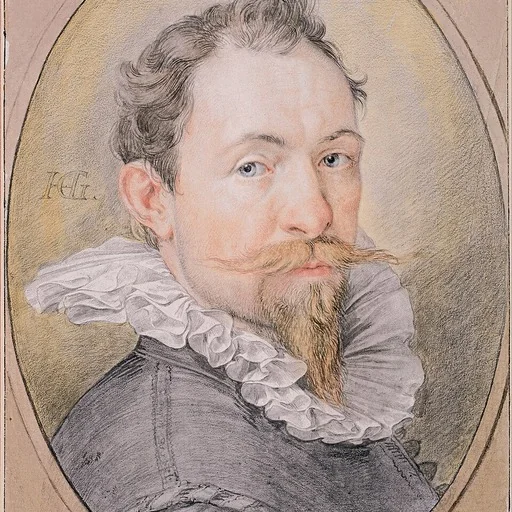
Hendrick Goltzius (German: , Dutch: ; né Goltz; January or February 1558 – 1 January 1617) was a German-born Dutch printmaker, draftsman, and painter.