Artwork
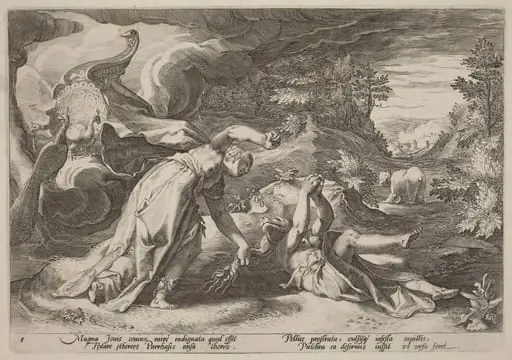
Thisbe Frightened by the Lion
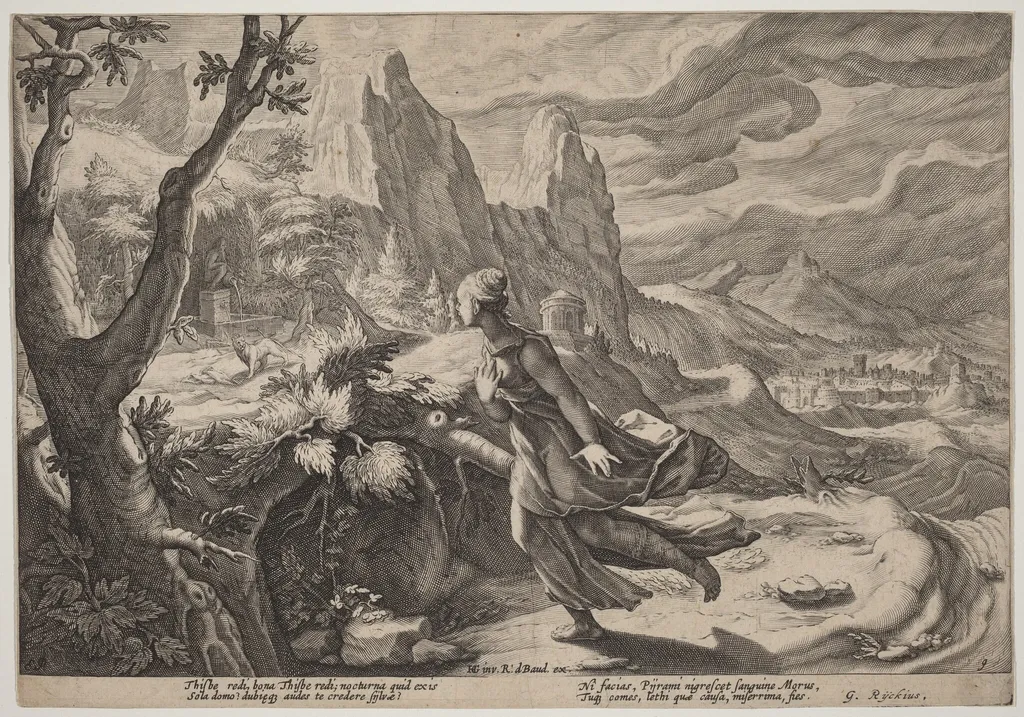
Thisbe Frightened by the Lion is an ink print by the Baroque artist Hendrik Goltzius. It dates from 1615 and is held in the collection of the National Gallery of Art.
About this work
Overview
Thisbe Frightened by the Lion is an engraving on laid paper created by Hendrick Goltzius around 1615, exemplifying his technical prowess as a leading Dutch printmaker of the early Baroque period.
Subject & Meaning
The engraving illustrates a dramatic scene from Ovid’s narrative, where Thisbe, crouching in a rocky forest, is menaced by a lioness. The composition conveys intense fear and danger, set against the serene backdrop of a distant city, highlighting the contrast between turmoil and tranquility.
Technique & Style
Characterized by Goltzius’s meticulous style, the work features sharp, detailed lines for textures and fine hatching to build deep shadows, creating a sense of drama and tension through its intricate, high-contrast engraving.
History & Provenance
Created circa 1615 by Hendrick Goltzius, a German-born Dutch artist renowned for his mastery of engraving in the Northern Mannerist style. Specific provenance details are not provided.
Context
This work reflects the early Baroque period’s emphasis on emotional intensity and the Northern Mannerist attention to detail. The choice of an Ovidian subject also situates it within the Renaissance humanist tradition of revisiting classical themes.
Legacy
As a seminal work by Goltzius, it contributes to the legacy of Dutch Golden Age printmaking, influencing subsequent generations with its technical excellence and expressive depth, though its direct impact is not elaborated here.
Artist & collection
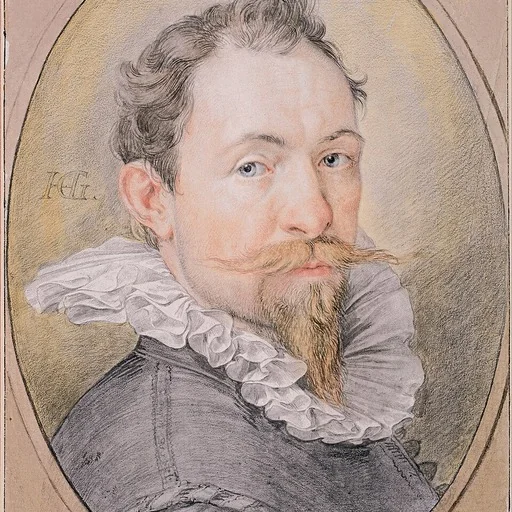
Artist
Hendrick Goltzius (German: , Dutch: ; né Goltz; January or February 1558 – 1 January 1617) was a German-born Dutch printmaker, draftsman, and painter.

 Juno Turning Callisto into a Bear
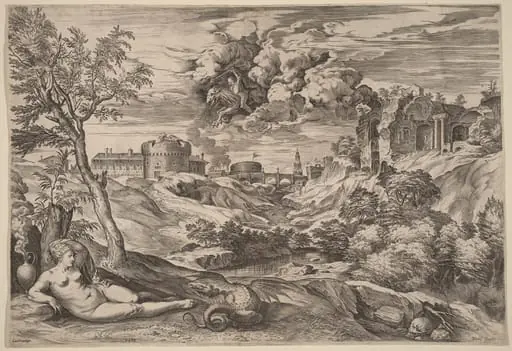 Landscape with Roger Liberating Angelica
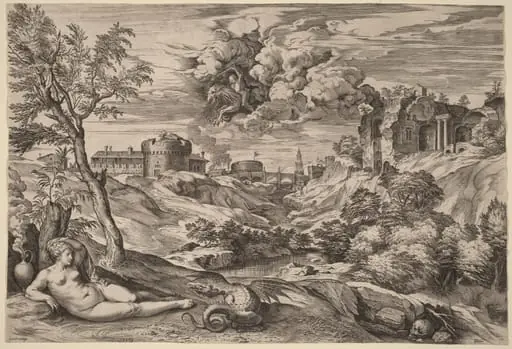 Landscape with Roger Liberating Angelica
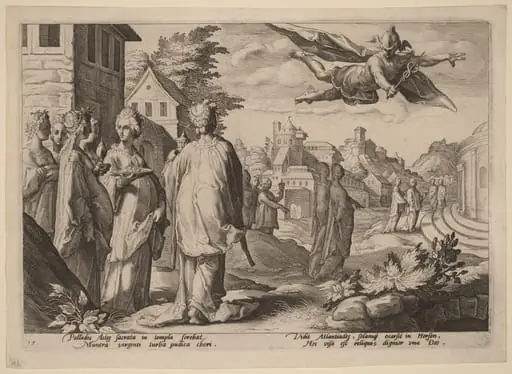 Mercury Falling in Love with Herse
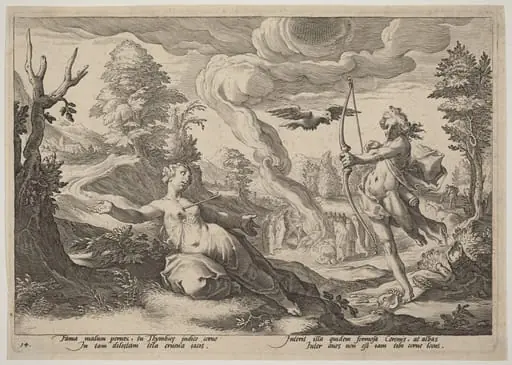 Apollo Killing Coronis
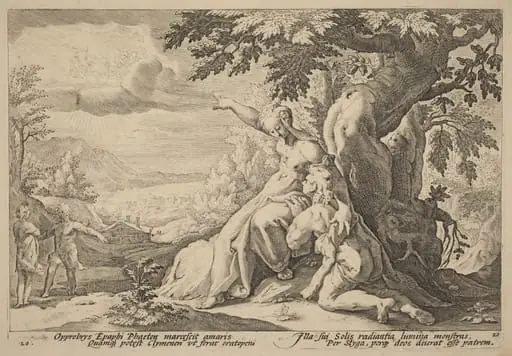 Clymene Urging Phaeton to Find Helios
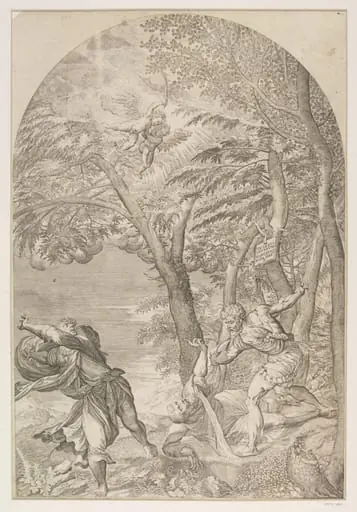 Death of St. Peter the Martyr
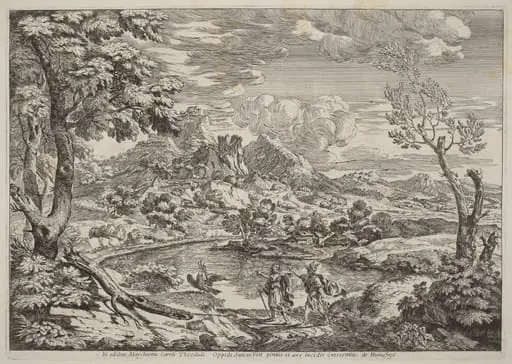 A Man Showing Mercury the Eagle of Jupiter
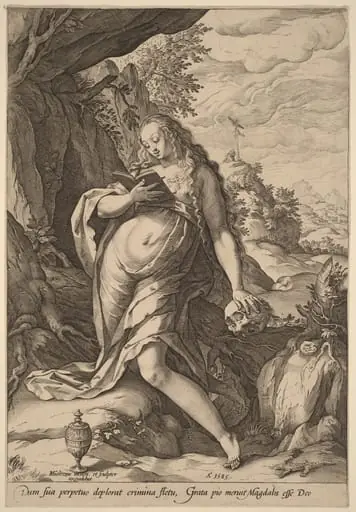 St. Mary Magdalen Penitent
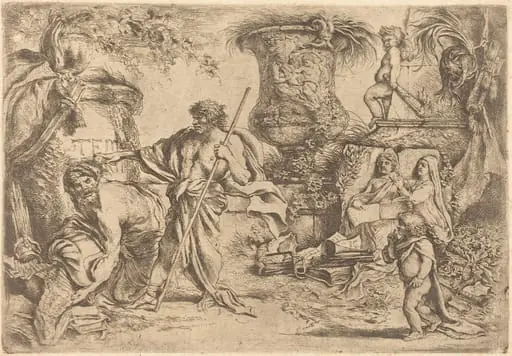 Temporalitas Aeternitas
 Jupiter Suckled by the Goat Amalthea
 The Samaritan Pours Oil and Wine in the Wounds of a Man Left for Dead