Artwork
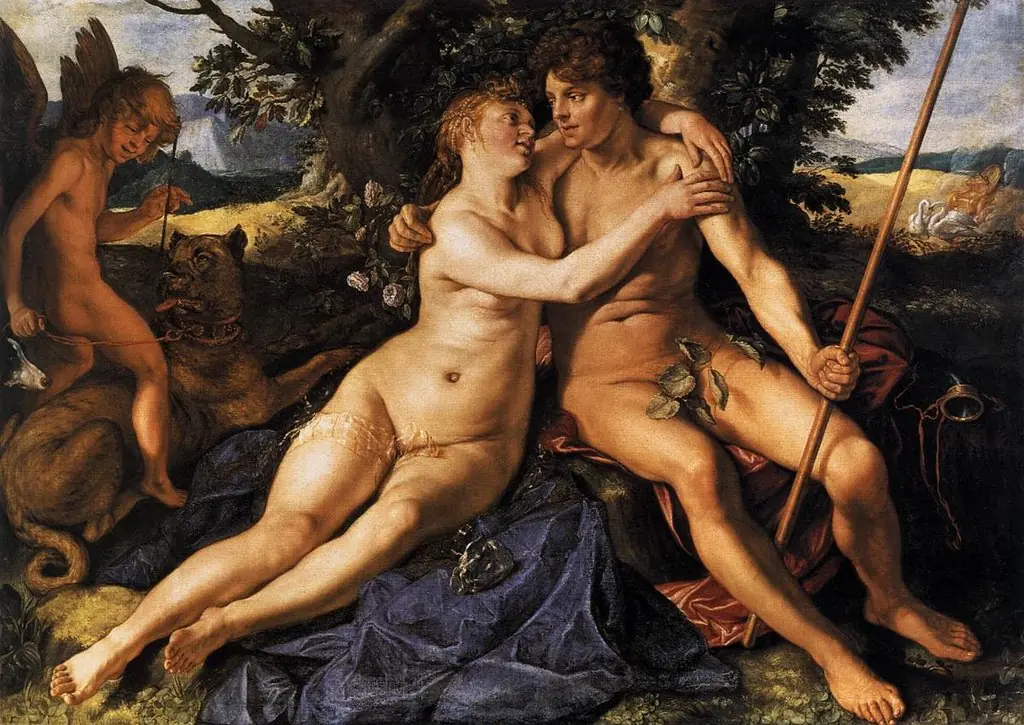
Venus and Cupid
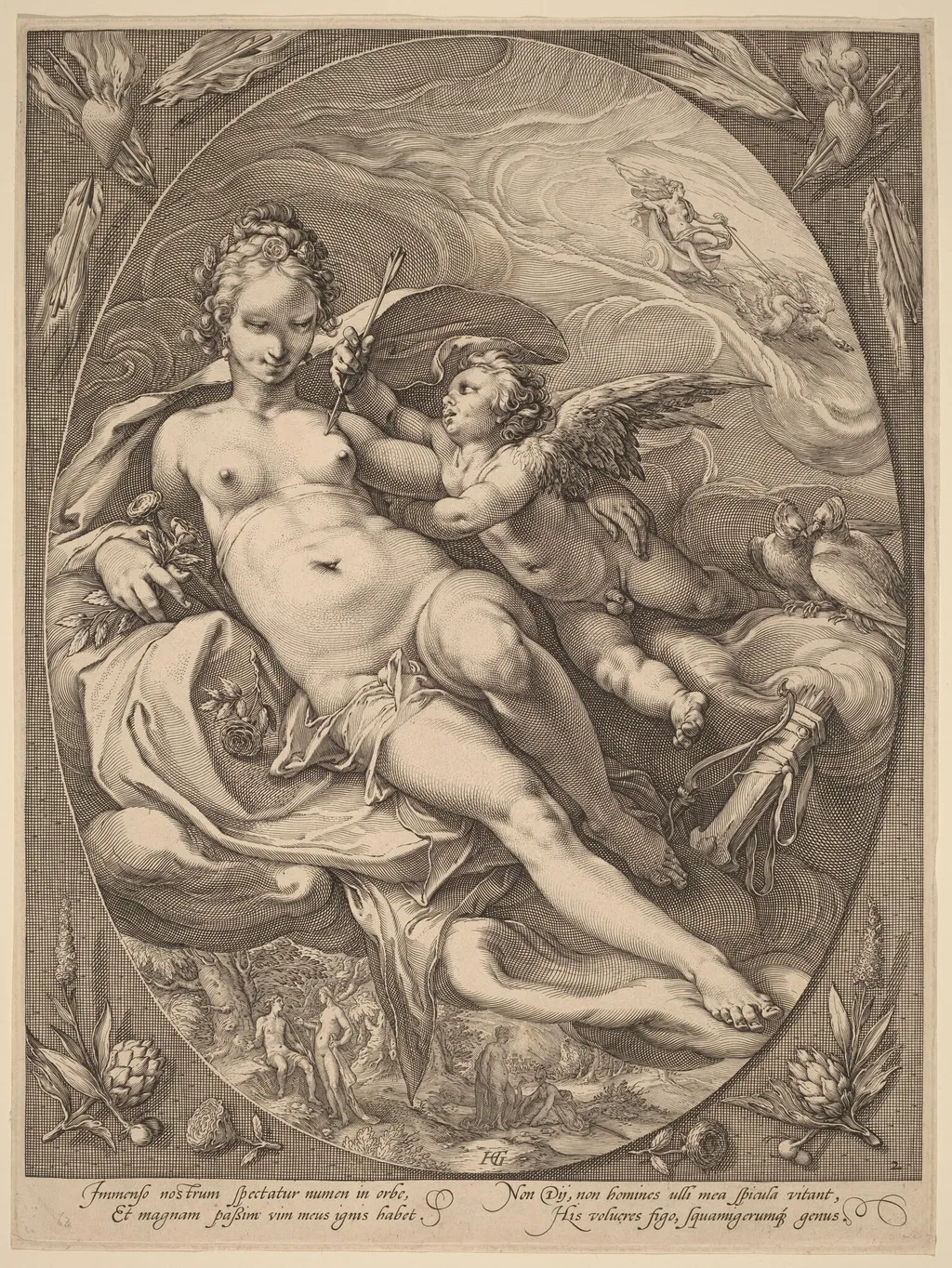
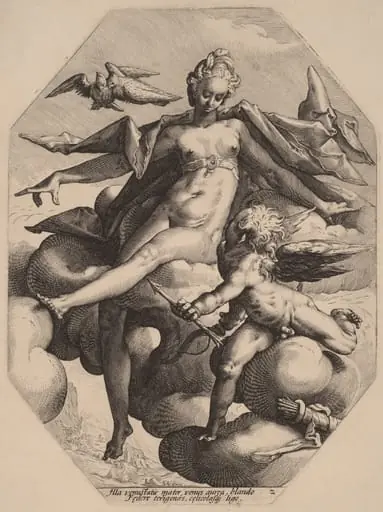
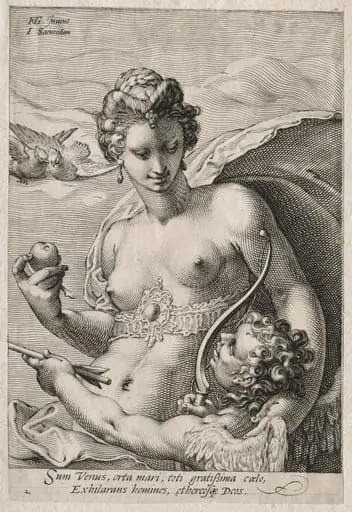
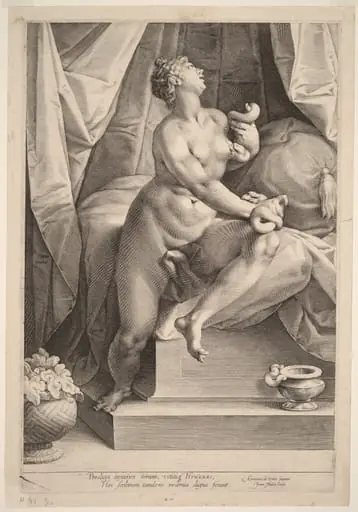
Venus and Cupid is an ink print by the Renaissance artist Hendrik Goltzius. It dates from 1596 and is held in the collection of the National Gallery of Art.
About this work
Overview
Hendrick Goltzius, a German‑born artist active in the Dutch Republic, produced the engraving *Venus and Cupid* in 1596. Executed on laid paper, the print exemplifies the intricate line work for which Goltzius was renowned during the early Baroque, or Northern Mannerist, period.
Subject & Meaning
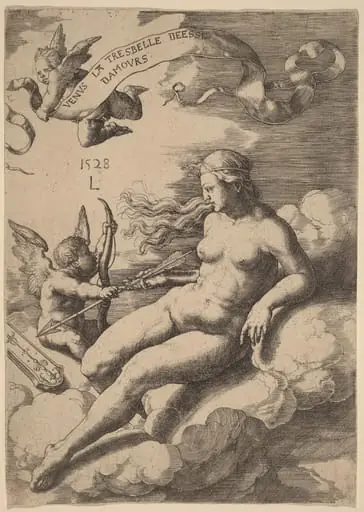
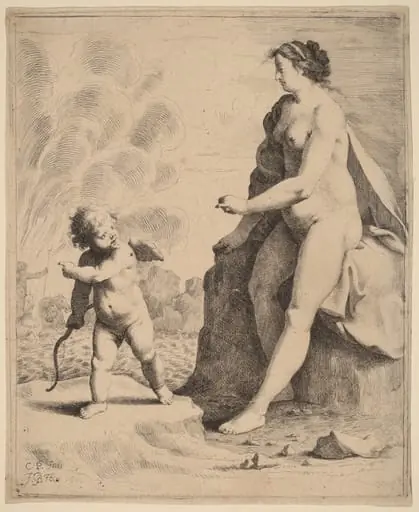
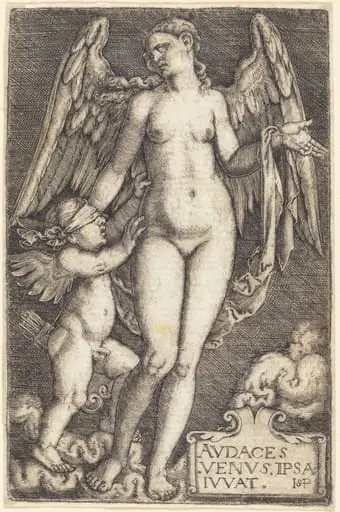
The composition presents a nude female figure reclining amid draped cloth, holding a mirror, while a small winged child—identified as Cupid—hovers nearby. Surrounding them are diminutive figures engaged in playful activity within a rocky landscape, a setting that draws on classical mythology and the allegorical traditions of the time.
Technique & Style
Goltzius employed dense cross‑hatching, layering fine lines to model shadows on flesh, fabric, and clouds. This method creates a sense of depth and texture without the use of colour, reflecting the technical virtuosity characteristic of Northern Mannerist printmaking.
History & Provenance
Created in the late sixteenth century, the print circulated among collectors of the Dutch Republic and later entered museum collections as a representative example of Goltzius’s output. Its survival on laid paper indicates careful handling, as such supports are prone to wear.
Context
*Venus and Cupid* aligns with the Northern Mannerist fascination with classical subjects, where artists reinterpreted ancient myths through elaborate compositions and refined draftsmanship. Goltzius’s work contributed to the diffusion of these motifs across Europe, influencing subsequent generations of engravers.
Artist & collection
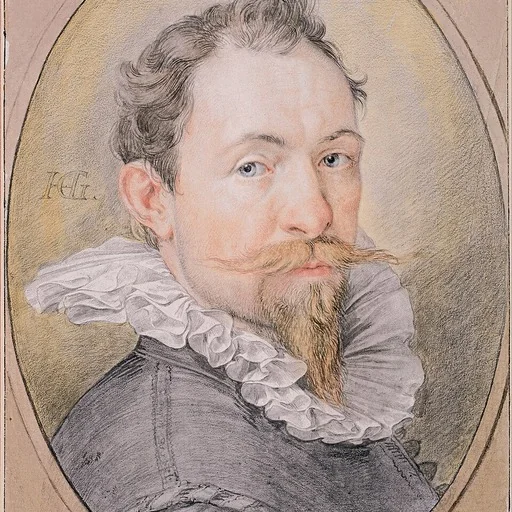
Artist
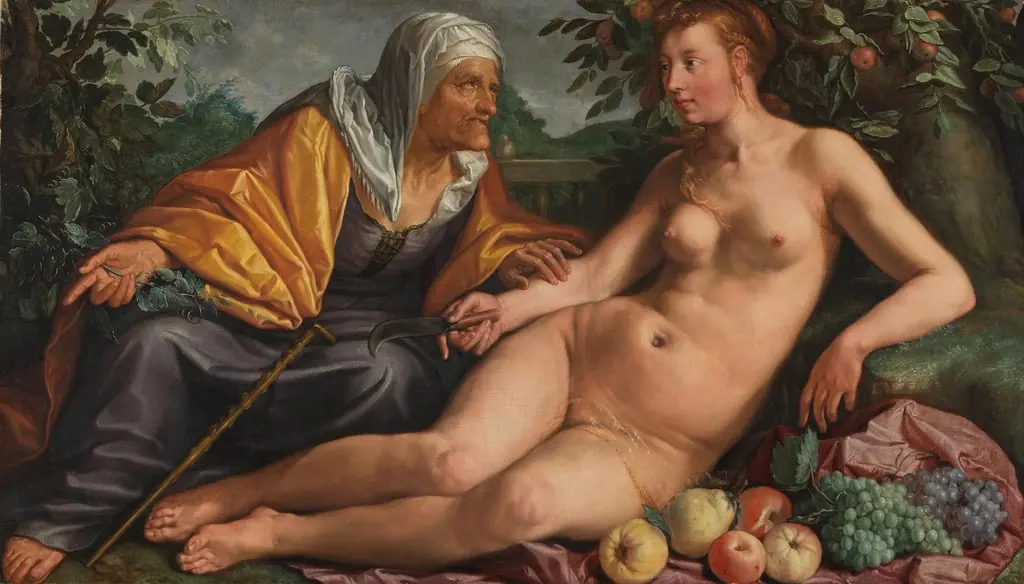
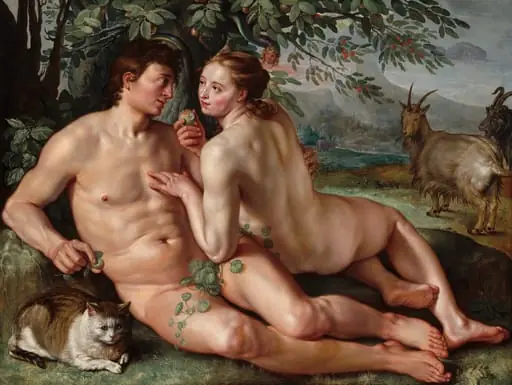
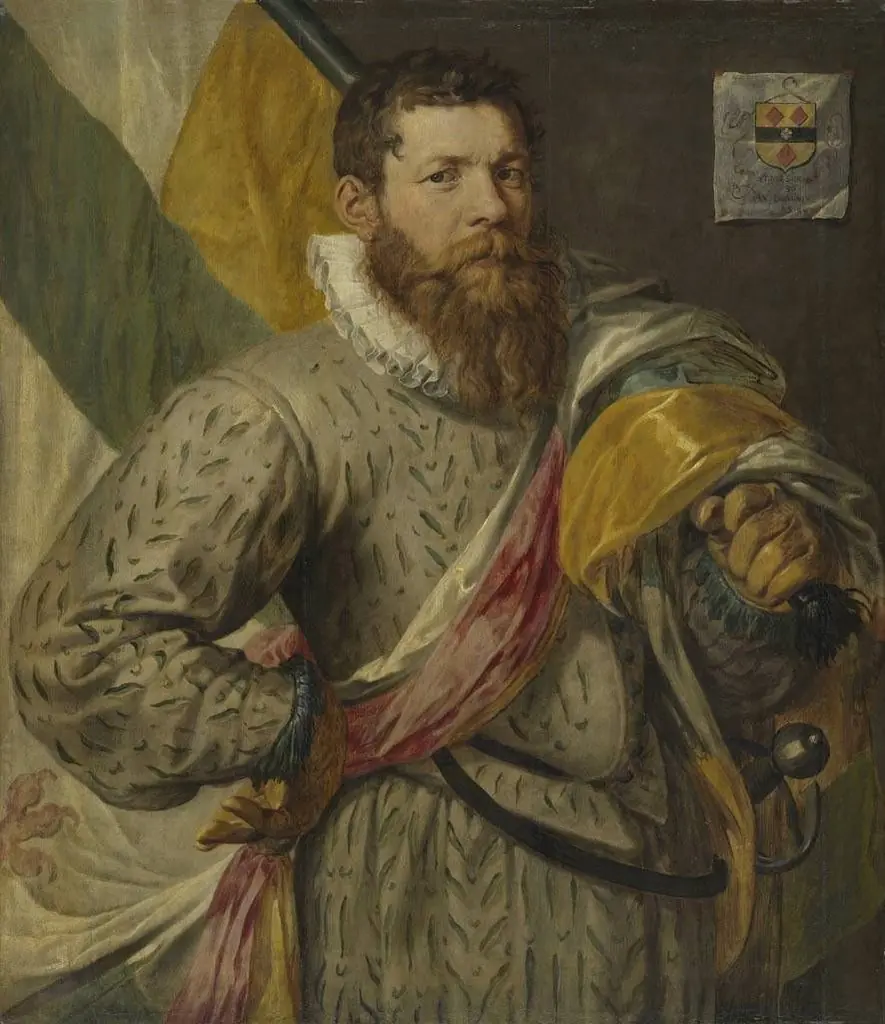
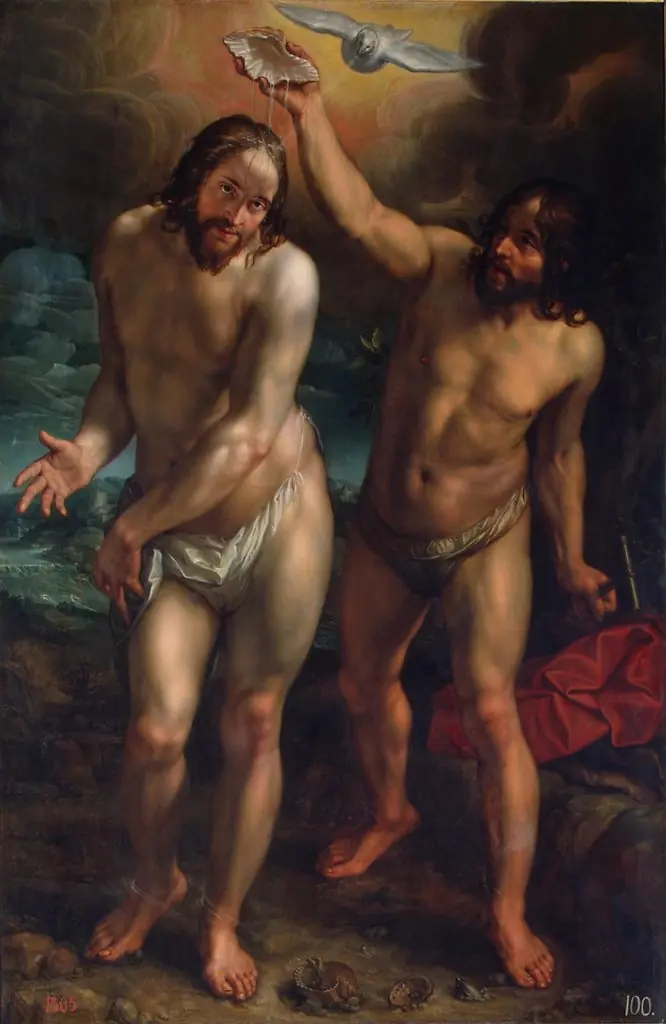
Hendrick Goltzius (German: , Dutch: ; né Goltz; January or February 1558 – 1 January 1617) was a German-born Dutch printmaker, draftsman, and painter.