Artwork
The children of King Charles I
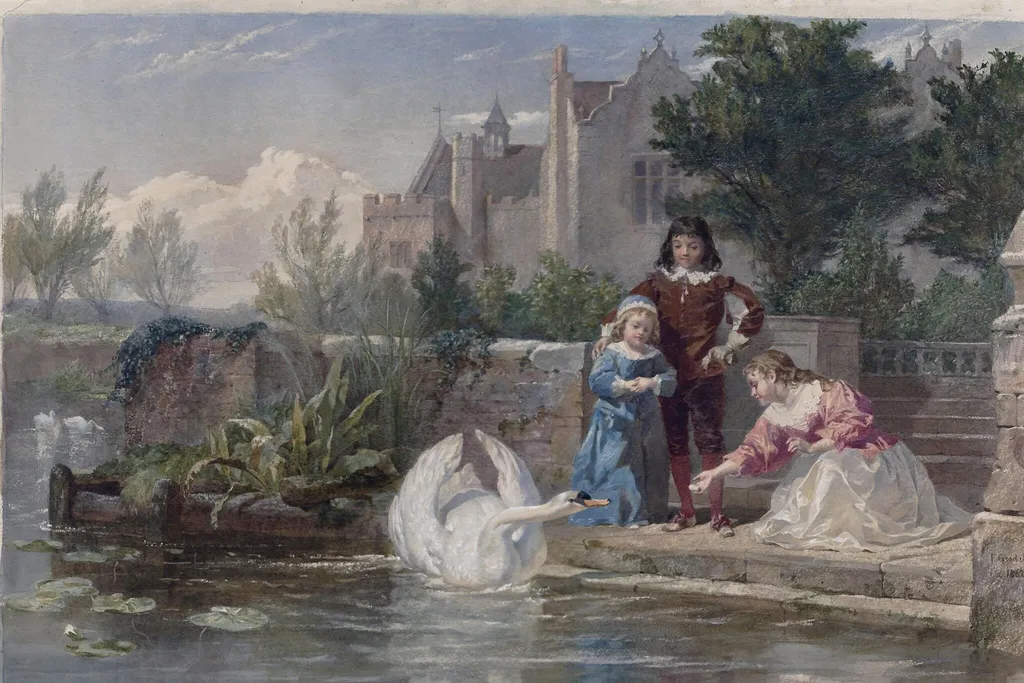
The children of King Charles I is a watercolor work on paper by the Impressionist artist Frederick Goodall. It dates from 1862 and is held in the collection of the Victoria and Albert Museum.
About this work
Overview
Created in 1862 by John Callcott Horsley Goodall, this watercolour portrays the offspring of King Charles I in a quiet, contemplative moment.
Created in 1862 by John Callcott Horsley Goodall, this watercolour portrays the offspring of King Charles I in a quiet, contemplative moment. Rendered in delicate washes, the scene captures three royal children on a stone parapet overlooking water, with a swan gliding beneath them. The composition emphasizes stillness and naturalism, avoiding theatricality. The artist’s signature is present, affirming authorship and the work’s status as a deliberate, finished piece.
Subject & Meaning
The painting depicts Prince Charles, Princess Mary, and Princess Elizabeth, children of the executed monarch, portrayed not as symbols of power but as ordinary siblings. Their interaction with the swan suggests innocence and vulnerability, subtly contrasting their royal lineage with the fragility of childhood. The absence of regalia or overt symbolism invites a more intimate, human reading of their identity beyond political legacy.
Technique & Style
Goodall employed transparent watercolour with precise brushwork to render textures of fabric, stone, and feathers. The palette is restrained—earthy browns, muted greens, and soft blues—enhancing the subdued mood. Architectural details in the distant castle and the swan’s reflection in water demonstrate careful observation. The lighting is diffused, typical of atmospheric watercolour, reinforcing the quiet, almost nostalgic tone of the scene.
History & Provenance
The work was completed in 1862, during a period of renewed interest in Stuart history among Victorian artists and collectors. It likely originated as a private commission or academic exercise, given its intimate scale and lack of royal patronage. Its early provenance is unrecorded, but it entered public collections by the late 19th century, valued for its historical subject and technical refinement rather than political significance.
Context
In mid-19th century Britain, historical portraiture often revisited the Tudor and Stuart eras as romanticized alternatives to industrial modernity. Goodall’s work aligns with this trend, drawing on archival portraits and literary sources to reconstruct royal childhoods. Unlike grand historical paintings, this piece focuses on domestic quietude, reflecting Victorian ideals of familial tenderness and moral purity in the past.
Legacy
Though not widely exhibited, the watercolour remains a notable example of Victorian historical watercolour practice. It contributes to the understanding of how 19th-century artists reimagined early modern royalty through personal, non-heroic narratives. Its preservation in institutional collections underscores its role as a quiet bridge between historical record and artistic interpretation, valued for its restraint and sincerity.
Artist & collection
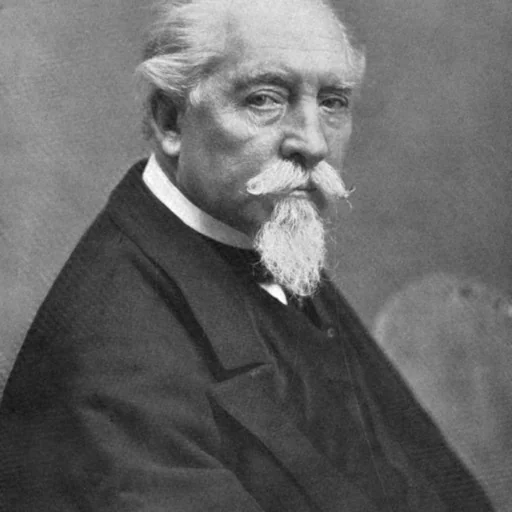
Artist
Frederick Goodall (17 September 1822 – 29 July 1904) was an English painter, normally of figure subjects, often on large scale.

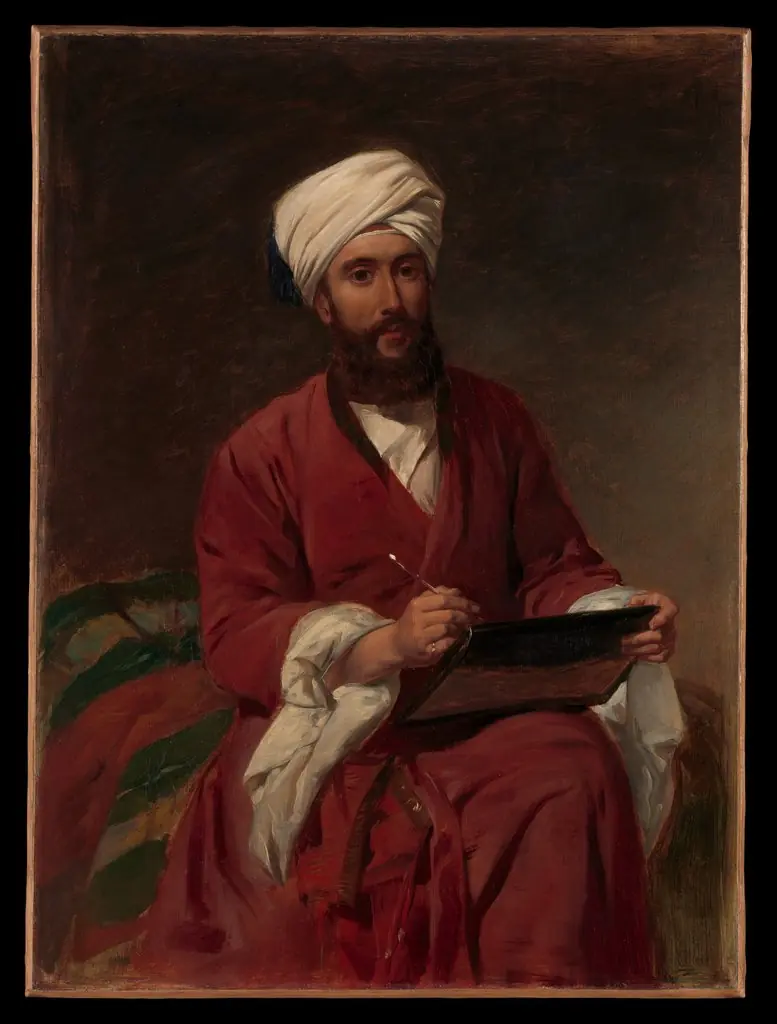
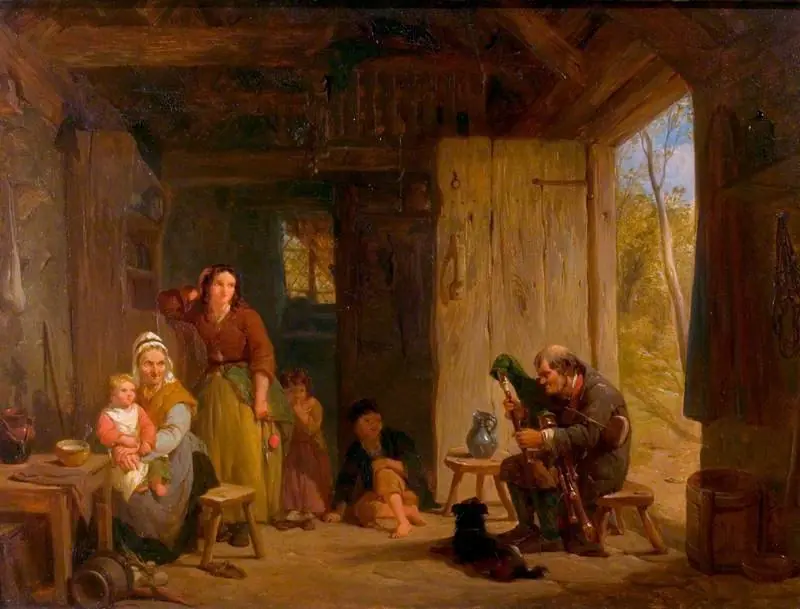
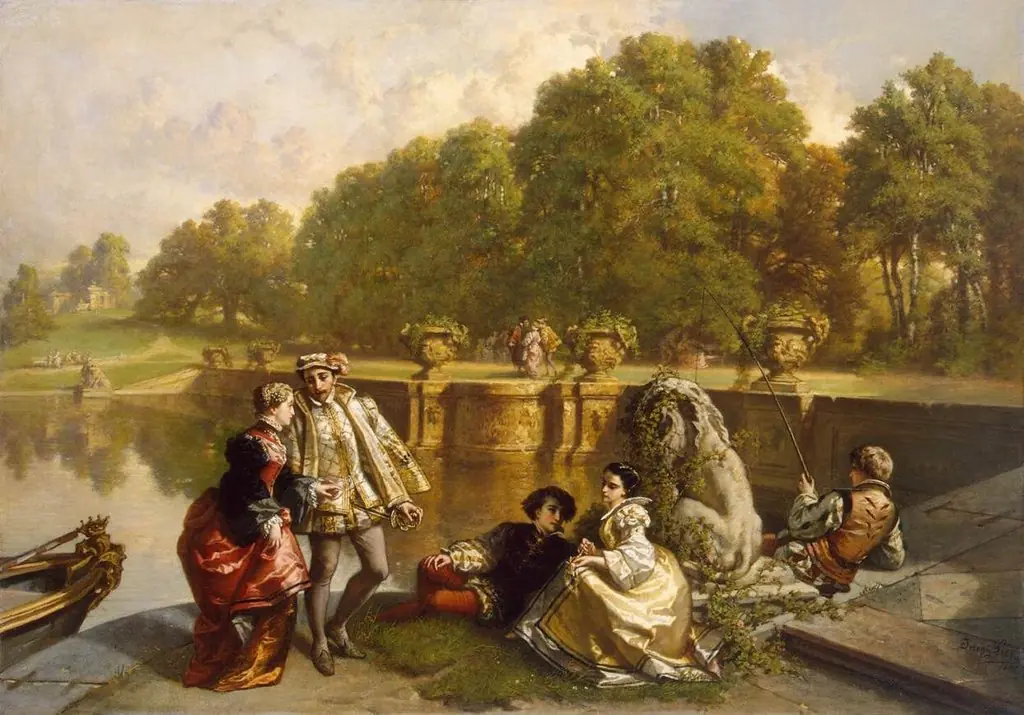 Scene in a Park
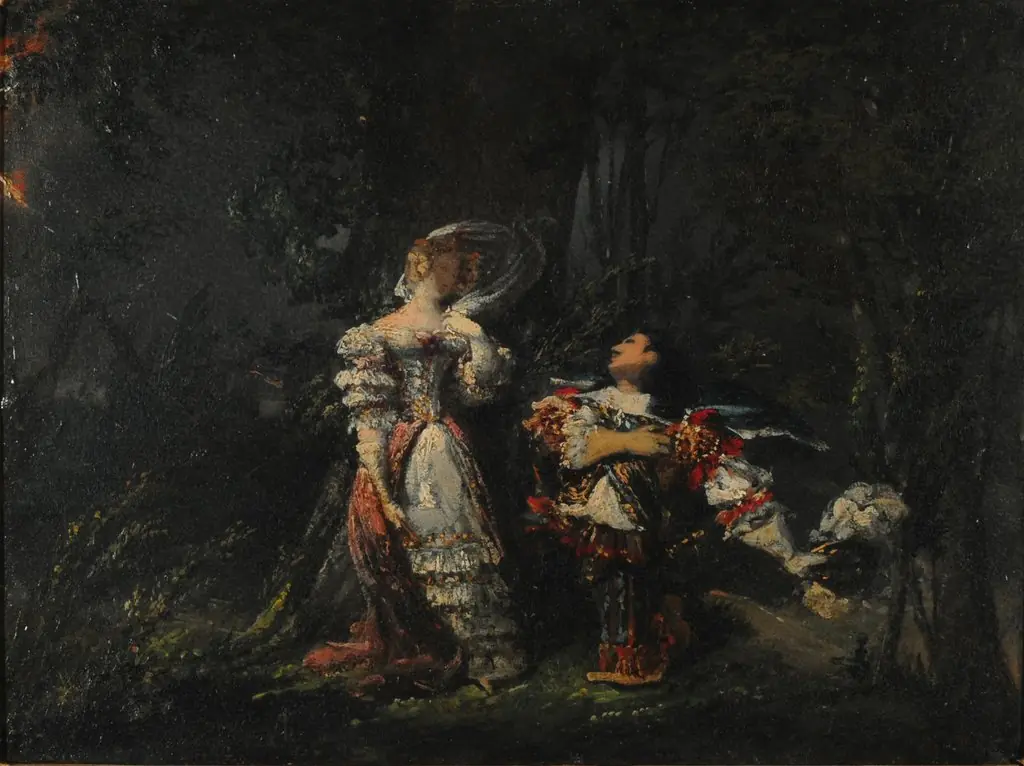 Louis XIV and Mlle. De La Valliere
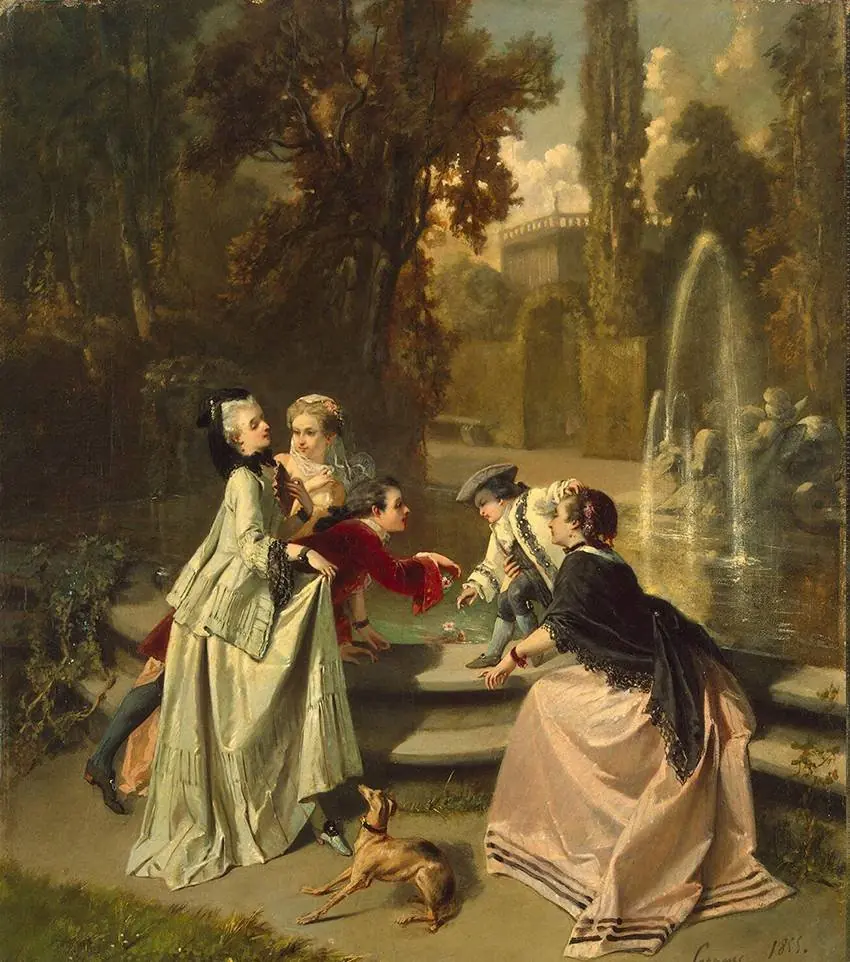 Misunderstanding
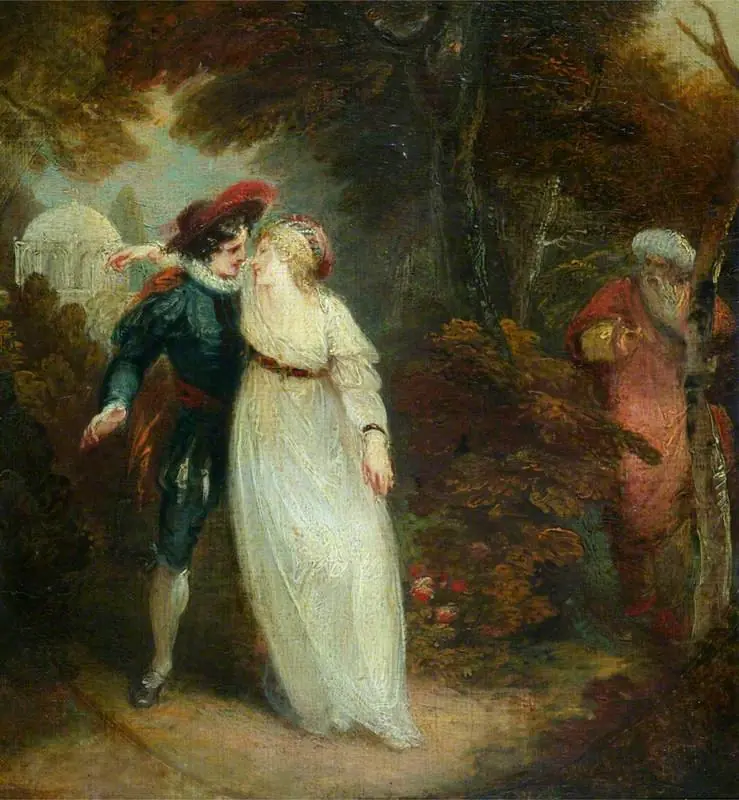 Zoraida, Discovered by Her Father, Agimorato, in the Arms of Rui Pérez de Viedma (from Cervantes' 'Don Quixote', Part I, Chapter 14)
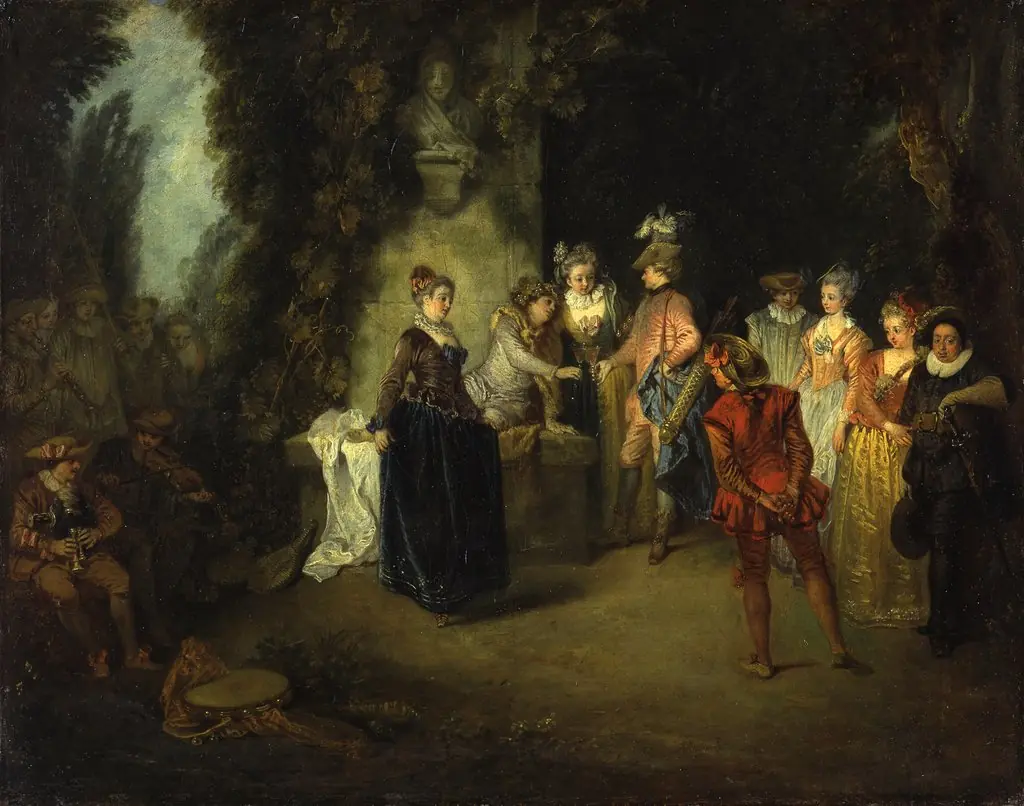 Love in the French Theatre
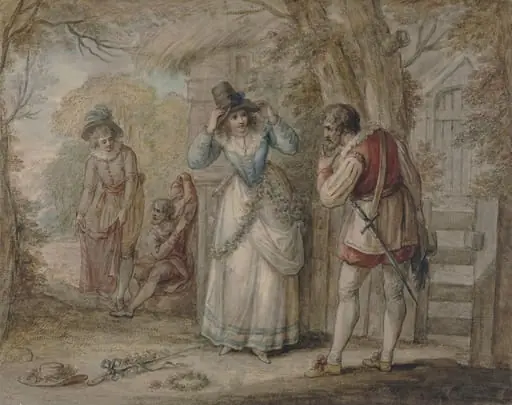 Florizel and Autolycus changing garments
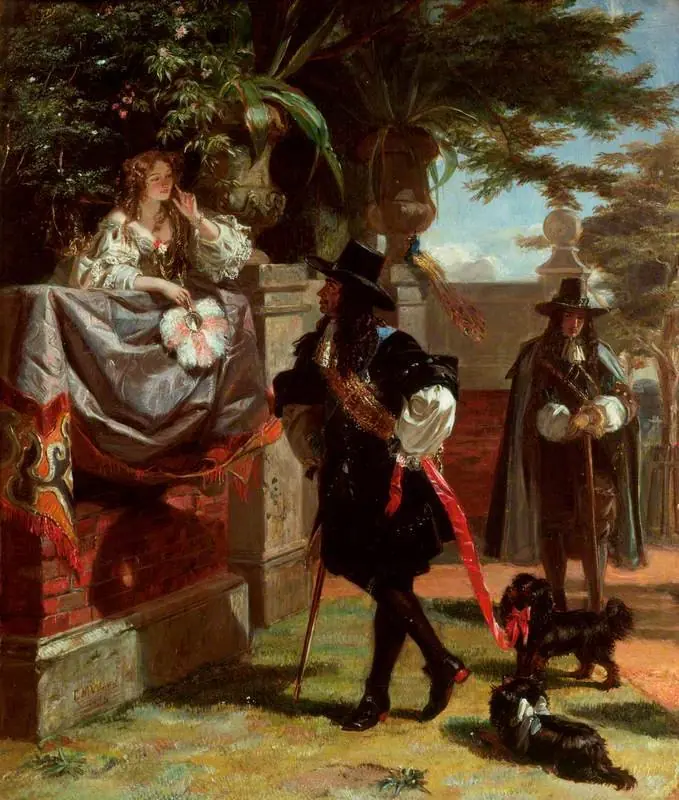 Charles II (1630–1685), and Nell Gwyn (1650–1687)
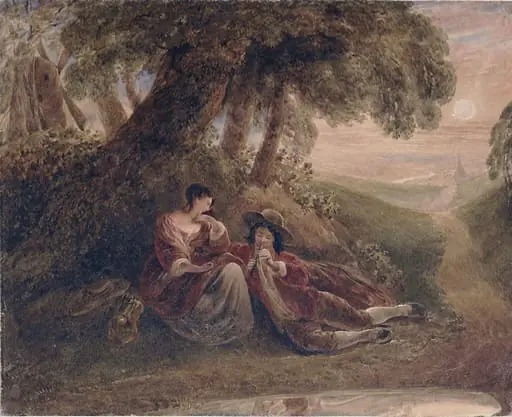 Lovers
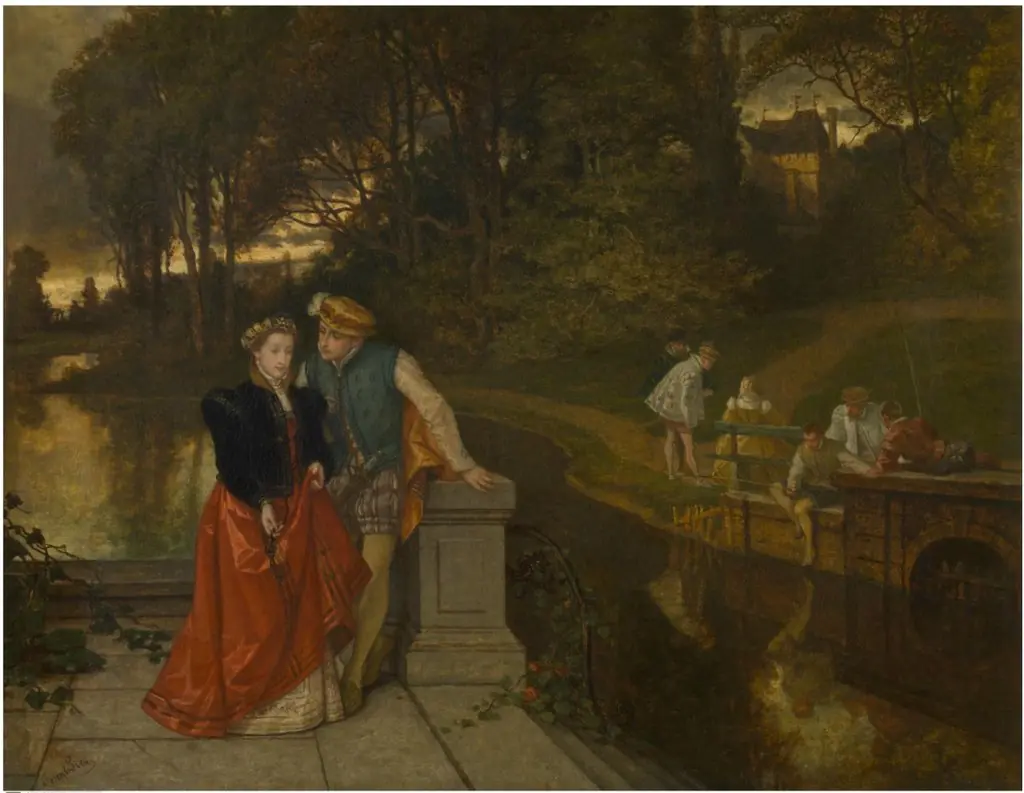 Lovers in the park
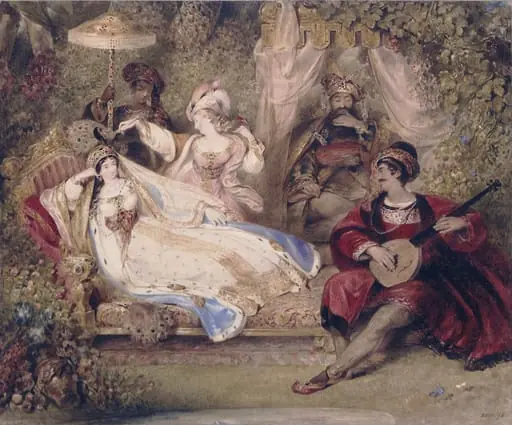 Feramorz relating he story of the Peri
 Thornbury Castle, Gloucestershire.
 Fête champêtre