Artwork
Al Conde Palatino (To the Count Palatine)
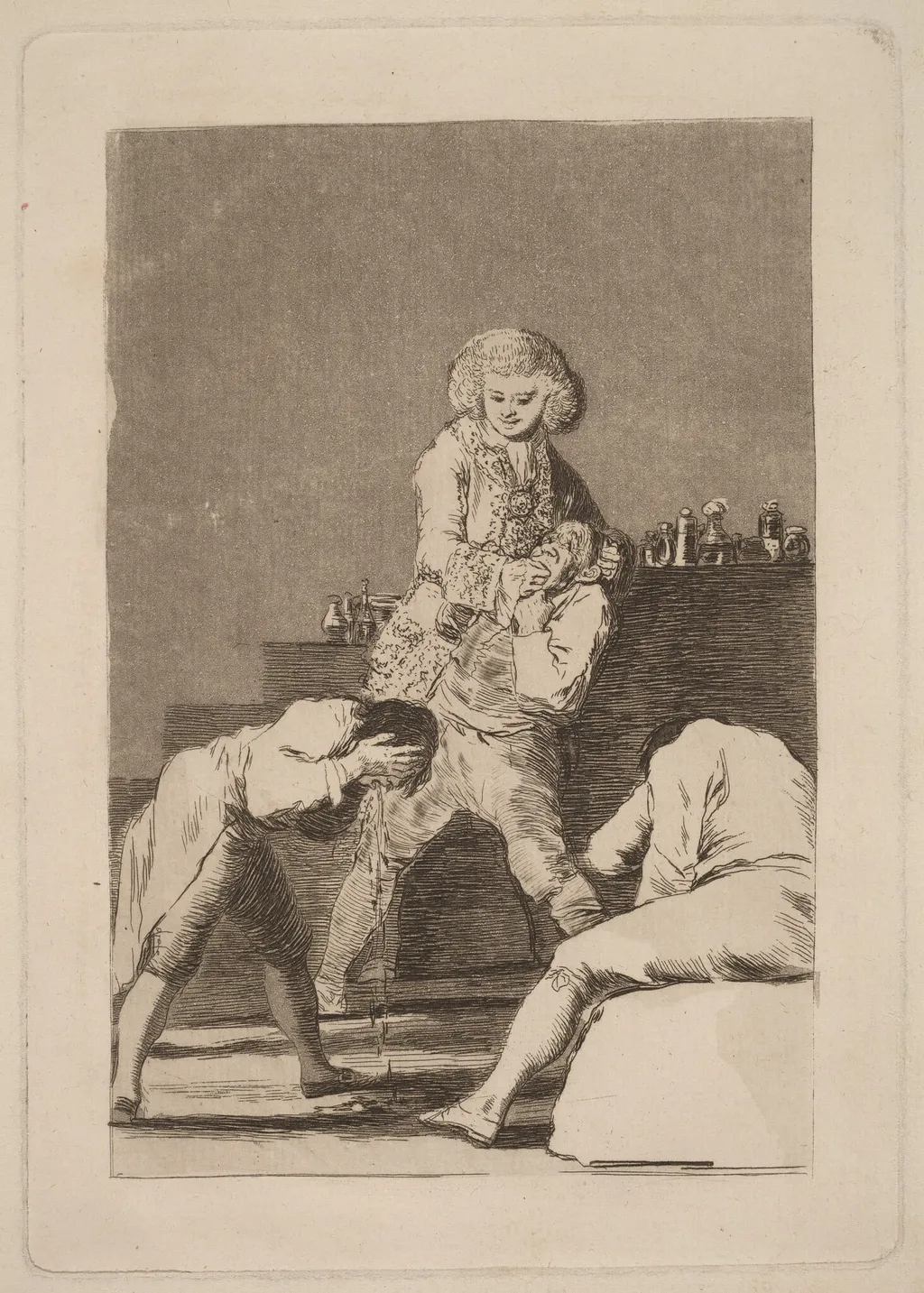
Al Conde Palatino (To the Count Palatine) is an ink print by the Romanticist artist Francisco Goya. It dates from 1799 and is held in the collection of the National Gallery of Art. Created in 1799, *Al Conde Palatino* is a multi‑technique print by Francisco de Goya, executed as a proof before the addition of lettering.
About this work
Overview
Created in 1799, *Al Conde Palatino* is a multi‑technique print by Francisco de Goya, executed as a proof before the addition of lettering. The work combines etching, aquatint, drypoint and burin on laid paper, presenting a compact, dark‑toned scene that reflects Goya’s interest in the social unrest of his era.
Subject & Meaning
The stark confrontation and aggressive posture convey a sense of violence and power imbalance, hinting at broader commentary on authority and oppression.
The image shows three figures confined within a dim interior. A centrally placed, wig‑adorned man dominates the composition, gripping a seated figure in a headlock, while a third individual crouches nearby, suggesting either an attempt to intervene or a desperate escape. The stark confrontation and aggressive posture convey a sense of violence and power imbalance, hinting at broader commentary on authority and oppression.
Technique & Style
Goya employed a layered approach: the primary outlines were drawn with a burin, while aquatint provided the deep, velvety shadows that envelop the background. Drypoint added delicate, expressive lines to the figures’ gestures, and traditional etching defined the architectural details. The combination of these methods yields a richly textured surface where bold contours contrast with subtle tonal washes.
History & Provenance
The print was produced as a proof before the insertion of textual elements, indicating Goya’s experimental process in preparing the final edition. Although the exact patronage for this work remains unclear, it belongs to the period when Goya was actively publishing politically charged images, a practice that would later culminate in his *Los Caprichos* and *The Disasters of War* series.
Context
Issued at the close of the 18th century, the piece reflects the turbulent climate of Spain under the Bourbon monarchy, where court intrigue and social tension were common. Goya’s position as a court painter gave him direct exposure to aristocratic excess, a perspective that informs the exaggerated attire of the aggressor and the stark power dynamics depicted.
Artist & collection
Artist
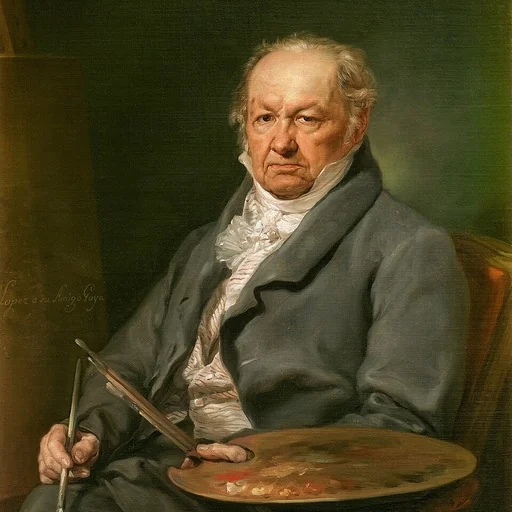
Francisco José de Goya y Lucientes (; Spanish: ; 30 March 1746 – 16 April 1828) was a Spanish romantic painter and printmaker.

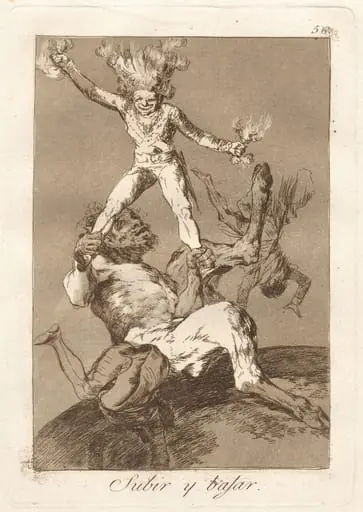 Subir y bajar (To Rise and To Fall)
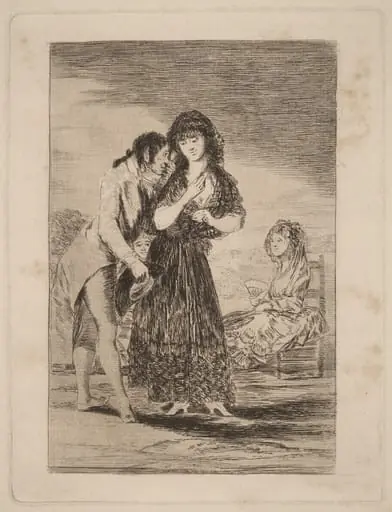 Ni asi la distingue (Even Thus He Cannot Make Her Out)
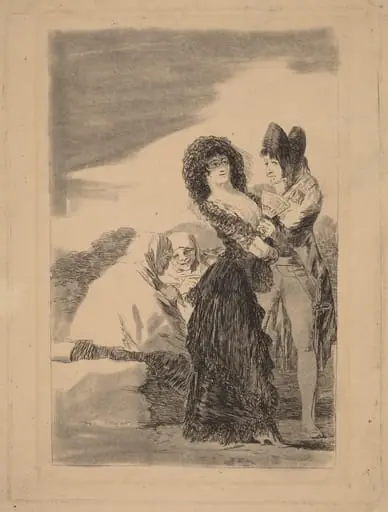 Tal para qual (Two of a Kind)
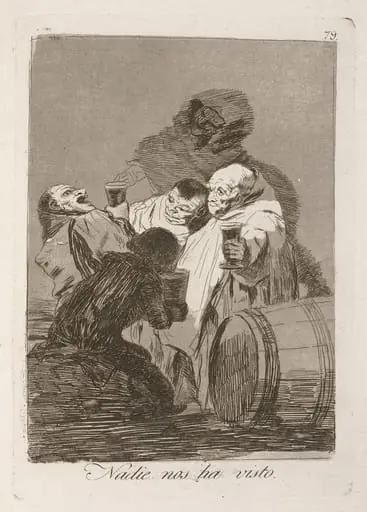 Nadie nos ha visto (No One Has Seen Us)
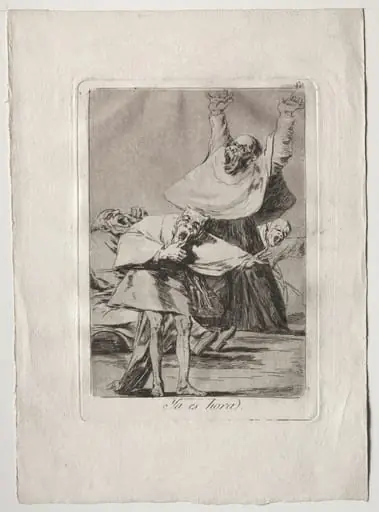 It is Time, Plate 80
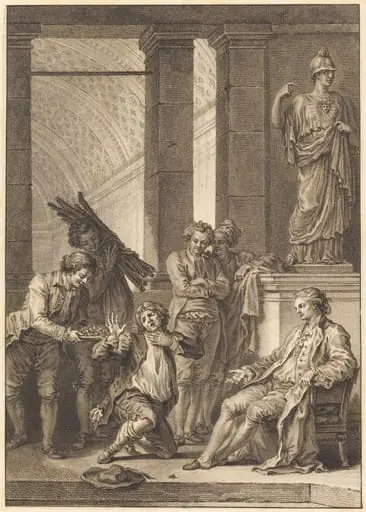 Le paysan
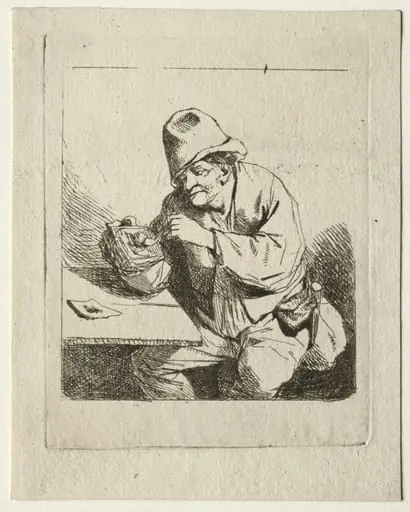 Peasant Lighting his Pipe
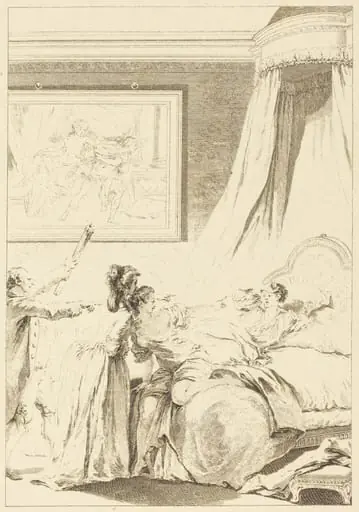 Le gascon puni
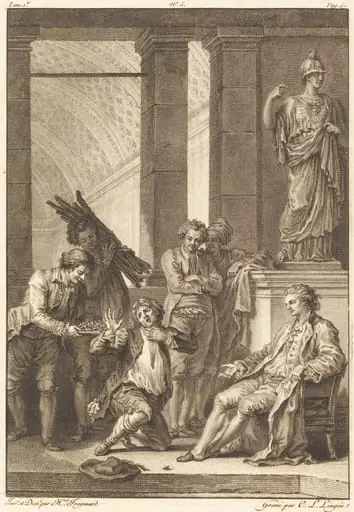 Le paysan
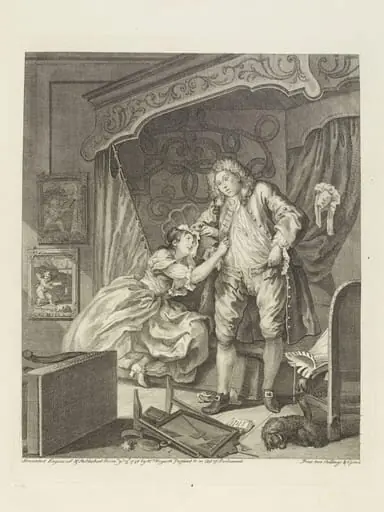 Before and After
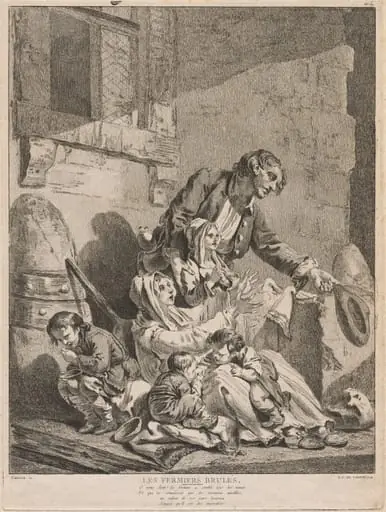 Les Fermiers brulés (A Burnt-Out Farmer, Begging with his Family)
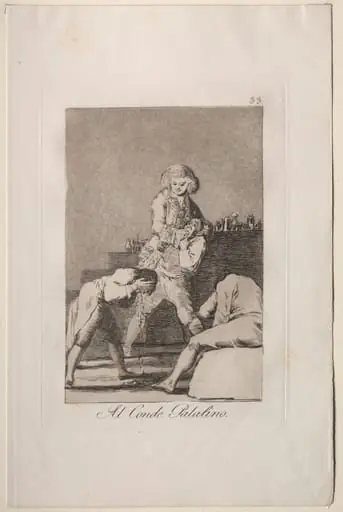 To the Count Palatine, Plate 33