Artwork
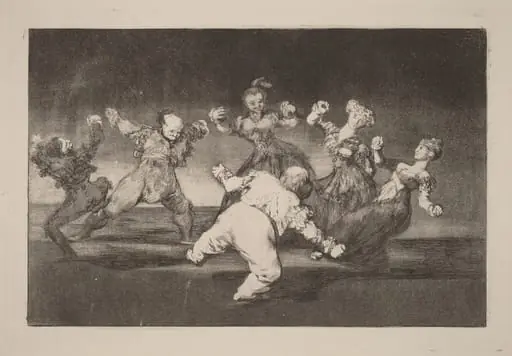
Disparate de Carnabal (Carnival Folly)
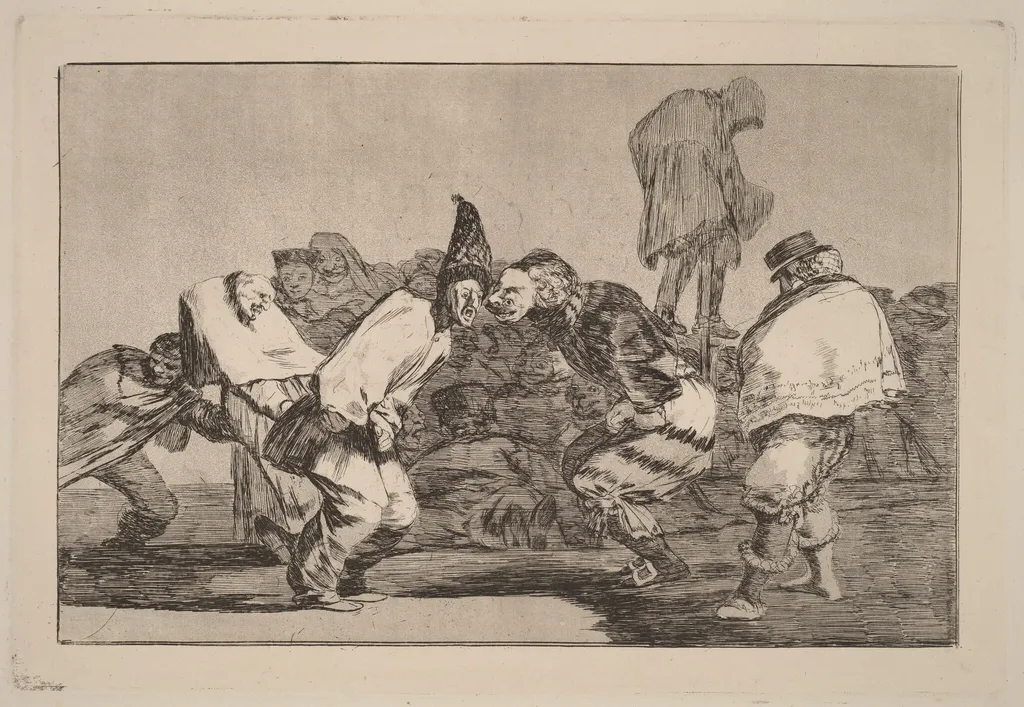
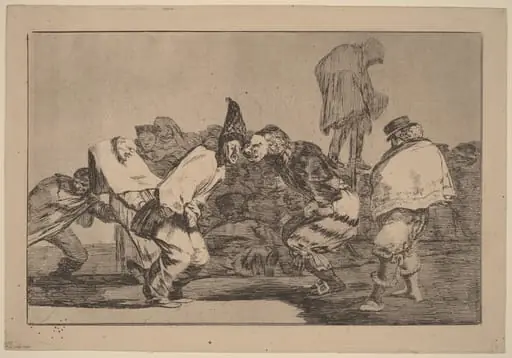
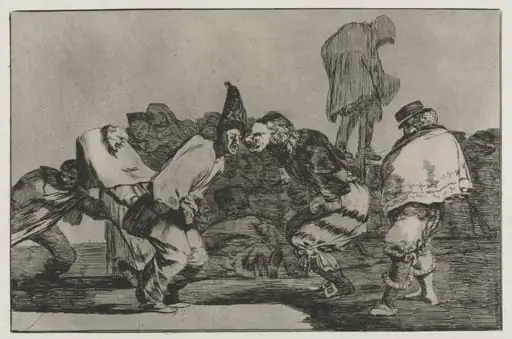
Disparate de Carnabal (Carnival Folly) is an ink print by the Romanticist artist Francisco Goya. It dates from 1816 and is held in the collection of the National Gallery of Art.
About this work
Overview
Disparate de Carnaval (Carnival Folly) is an etching and aquatint print created by Francisco Goya in 1816, though it was not printed until posthumously between 1854 and 1863. Characterized by chaotic, expressive depictions of costumed figures, the work embodies Goya's later style, marked by satirical and grotesque elements.
Subject & Meaning
The print captures a frenzied carnival scene, with exaggerated, masked figures amidst oversized props. This chaotic portrayal reflects Goya's commentary on the social and political turmoil of his time in Spain, using carnival as a backdrop for satire.
Technique & Style
Goya employed quick, scratchy etching lines and aquatint to convey the scene's energy. The foreground's detailed, expressive figures contrast with a blurred, dark background, focusing attention on the crowd's dynamic movement and emotions.
History & Provenance
Created in 1816, the print remained unprinted during Goya's lifetime. It was finally brought to light posthumously between 1854 and 1863, as part of a broader effort to publish his unfinished or unreleased works.
Context
Disparate de Carnaval is part of a series by Goya exploring satirical and grotesque themes, indicative of his artistic evolution amidst Spain's historical upheavals during the late 18th and early 19th centuries.
Legacy
As one of Goya's later, more expressive works, Disparate de Carnaval contributes to the artist's reputation for innovative, socially conscious artistry, influencing subsequent generations with its bold, satirical approach to printmaking.
Artist & collection
Artist
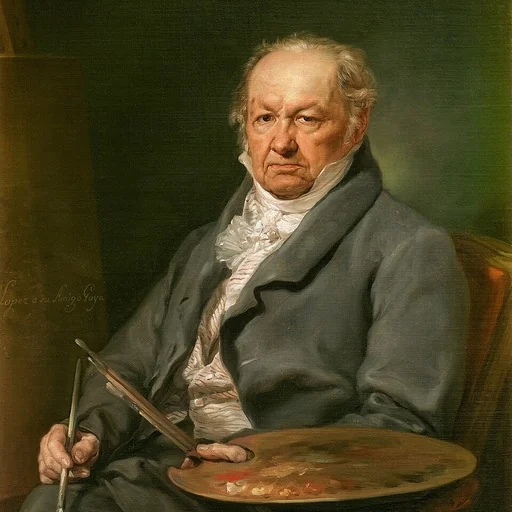
Francisco José de Goya y Lucientes (; Spanish: ; 30 March 1746 – 16 April 1828) was a Spanish romantic painter and printmaker.

 Disparate de Carnabal (Carnival Folly)
 The Proverbs: Carnival Folly
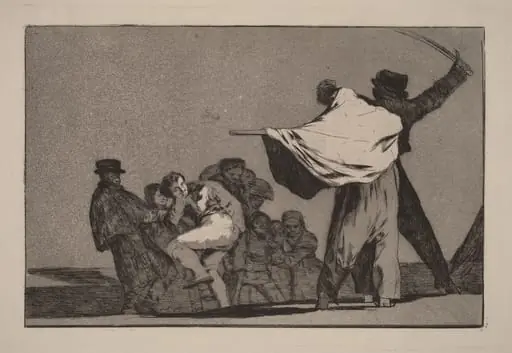 Disparate conocido (Well-Known Folly)
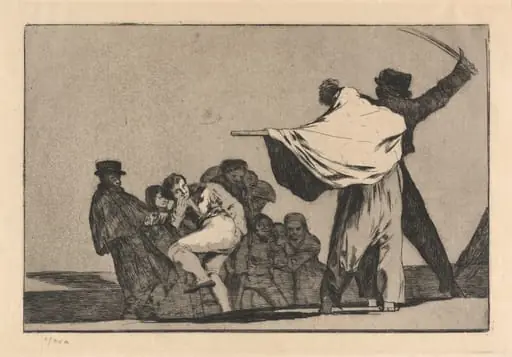 Disparate conocido (Well-Known Folly)
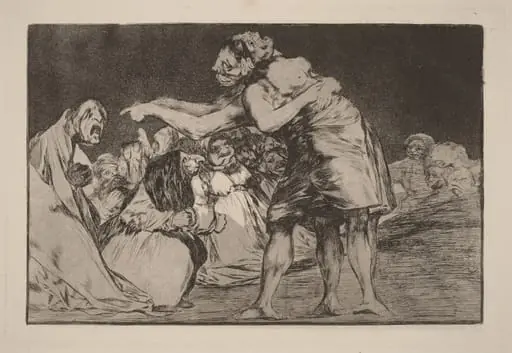 Disparate desordenado (Disorderly Folly)
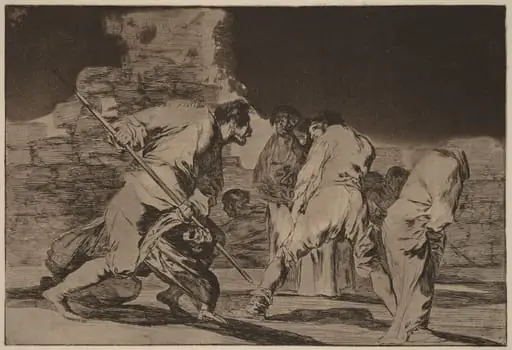 Disparate furioso (Furious Folly)
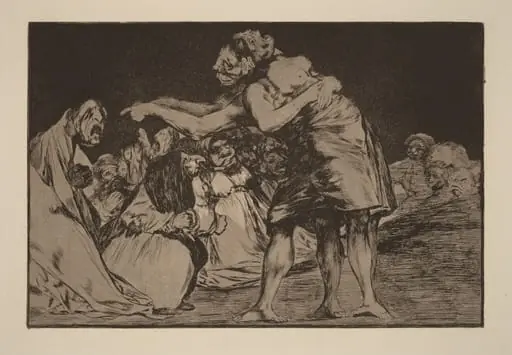 Disparate desordenado (Disorderly Folly)
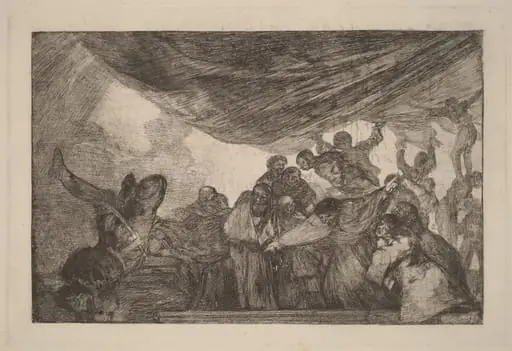 Disparate claro (Clear Folly)
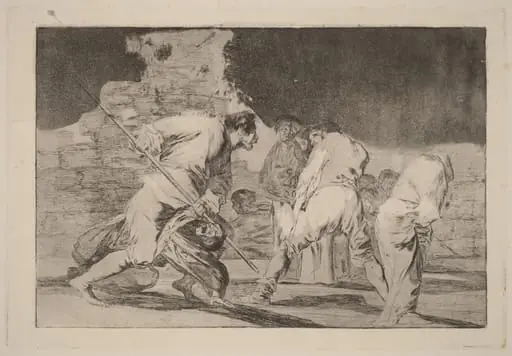 Disparate furioso (Furious Folly)
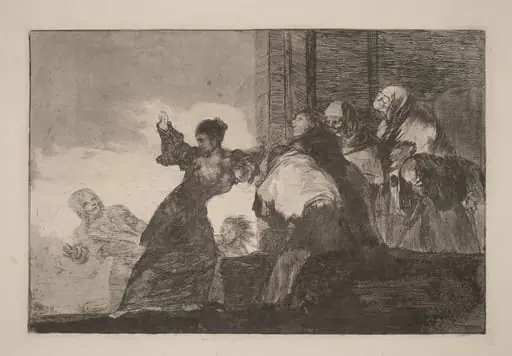 Disparate pobre (Poor Folly)
 Disparate allegre (Merry Folly)
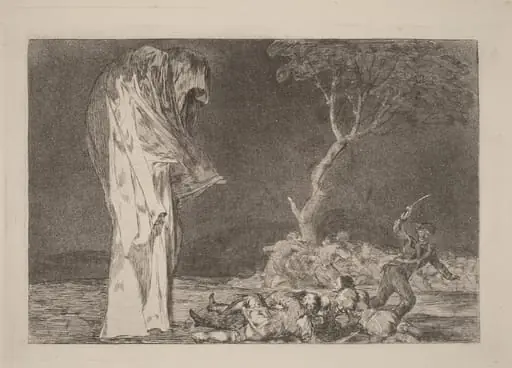 Disparate de miedo (Folly of Fear)