Artwork
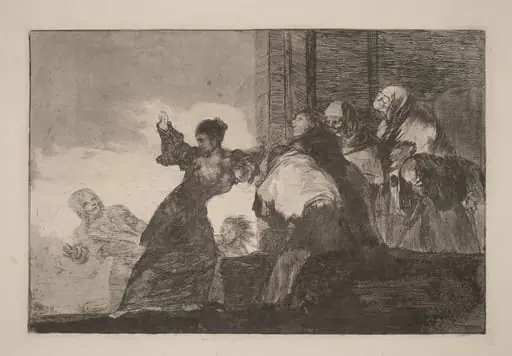
Disparate de Carnabal (Carnival Folly)
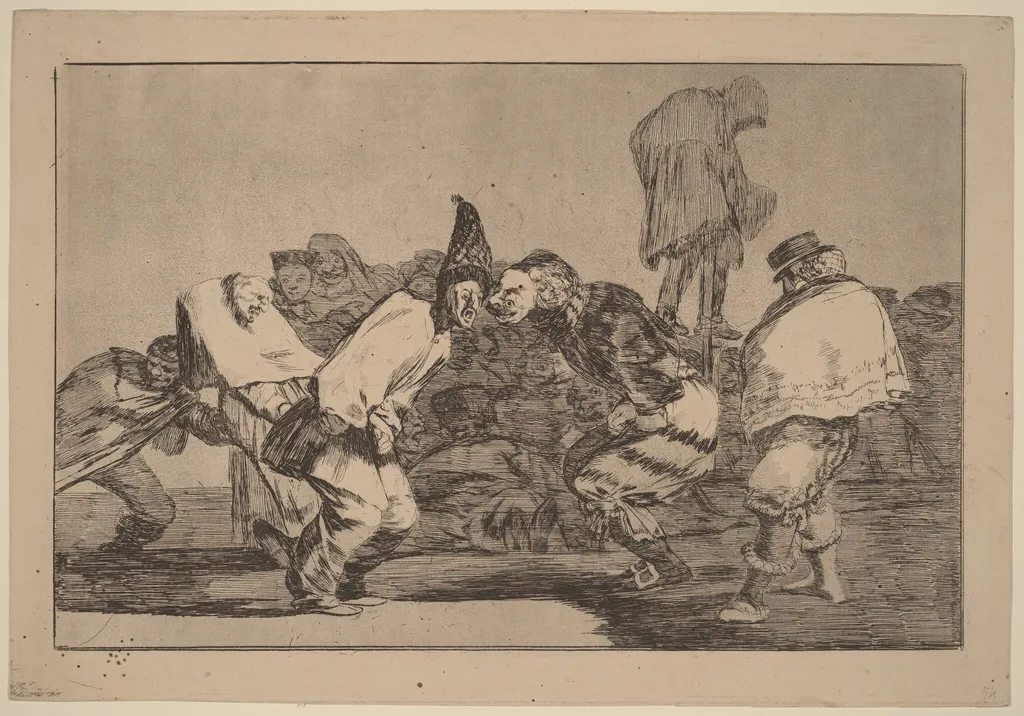
Disparate de Carnabal (Carnival Folly) is an ink print by the Romanticist artist Francisco Goya. It dates from 1816 and is held in the collection of the National Gallery of Art.
About this work
Overview
Disparate de Carnaval (Carnival Folly) is an etching and aquatint print created by Francisco de Goya in 1816, characterized by its dynamic depiction of a lively, possibly chaotic scene with multiple figures in varied poses, set against a less defined background.
Subject & Meaning
The print critiques societal norms through satirical and grotesque elements, marking a shift from Goya's earlier royal portraits towards broader social commentary, infused with a blend of Romantic expressive qualities and sharp observational insights.
Technique & Style
Goya's evolving style is evident in the blend of traditional Old Master etching techniques with emerging modern artistic approaches. The use of dark shading, bold lines, etching, and aquatint creates a textured, dynamic visual language, emphasizing energy, tension, and depth.
History & Provenance
Part of a series exploring satirical themes, this 1816 work reflects Goya's engagement with Spanish cultural and political commentary during the early 19th century, a period of significant artistic and societal transition.
Context
Created amidst the early 19th century's social and political upheavals in Spain, the piece situates itself within Goya's broader critique of contemporary society, leveraging carnival as a backdrop for commentary on the human condition.
Legacy
Disparate de Carnaval contributes to Goya's legacy as a pioneer in merging traditional techniques with modern expressive intents, influencing subsequent generations of artists in their approach to social commentary and printmaking innovation.
Artist & collection
Artist
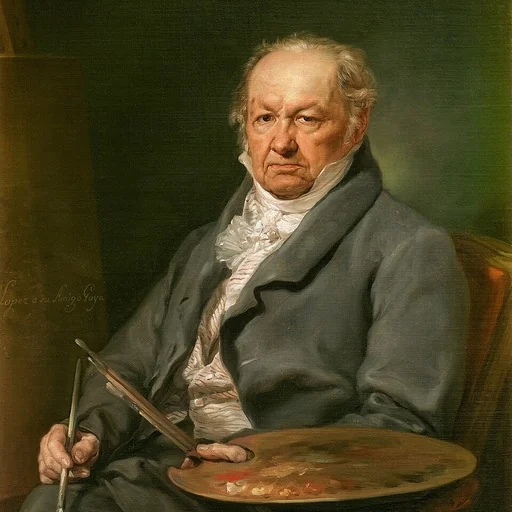
Francisco José de Goya y Lucientes (; Spanish: ; 30 March 1746 – 16 April 1828) was a Spanish romantic painter and printmaker.

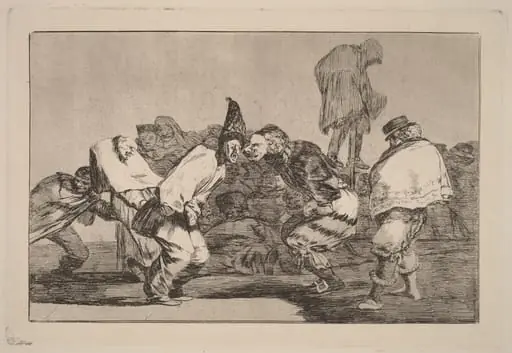 Disparate de Carnabal (Carnival Folly)
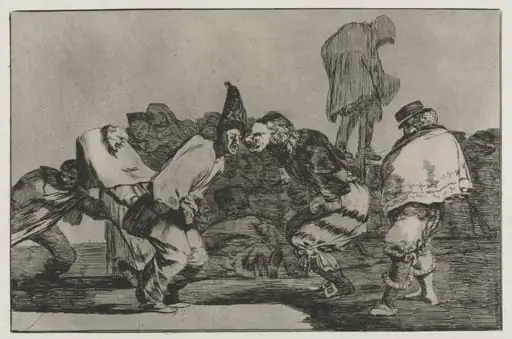 The Proverbs: Carnival Folly
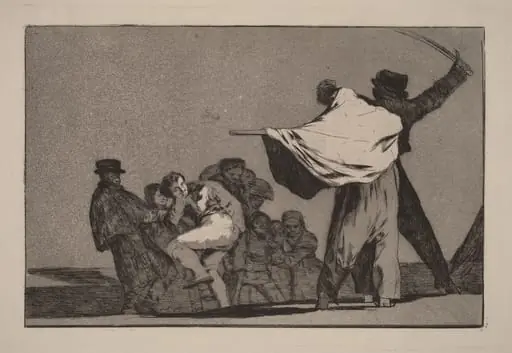 Disparate conocido (Well-Known Folly)
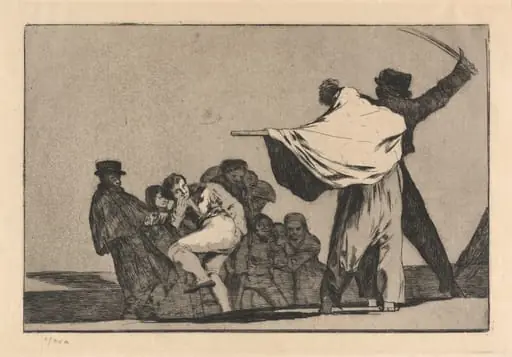 Disparate conocido (Well-Known Folly)
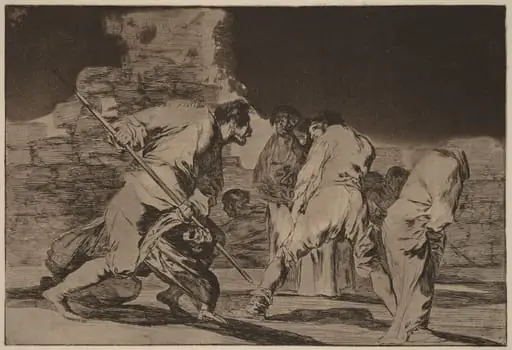 Disparate furioso (Furious Folly)
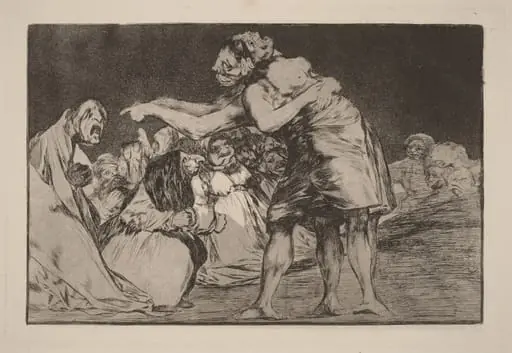 Disparate desordenado (Disorderly Folly)
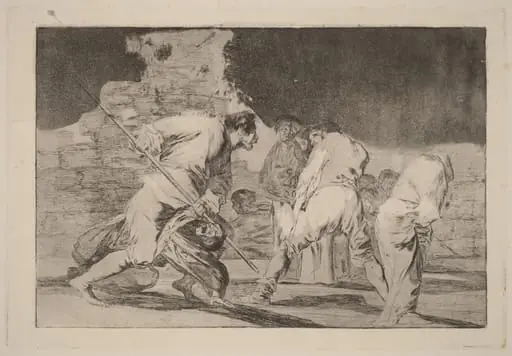 Disparate furioso (Furious Folly)
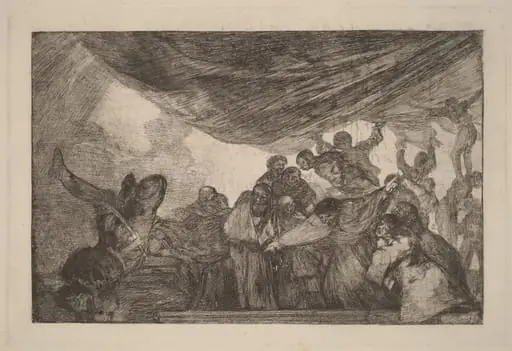 Disparate claro (Clear Folly)
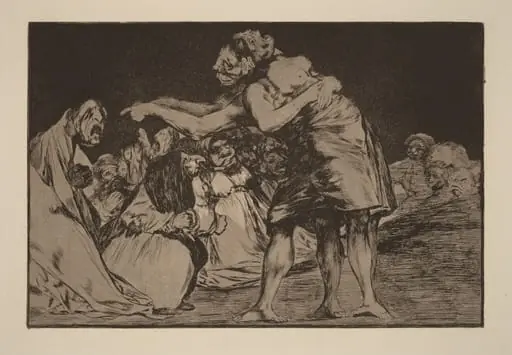 Disparate desordenado (Disorderly Folly)
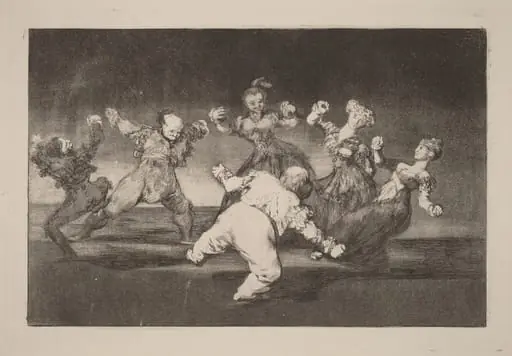 Disparate allegre (Merry Folly)
 Disparate pobre (Poor Folly)