Artwork
Isabel de Borbon
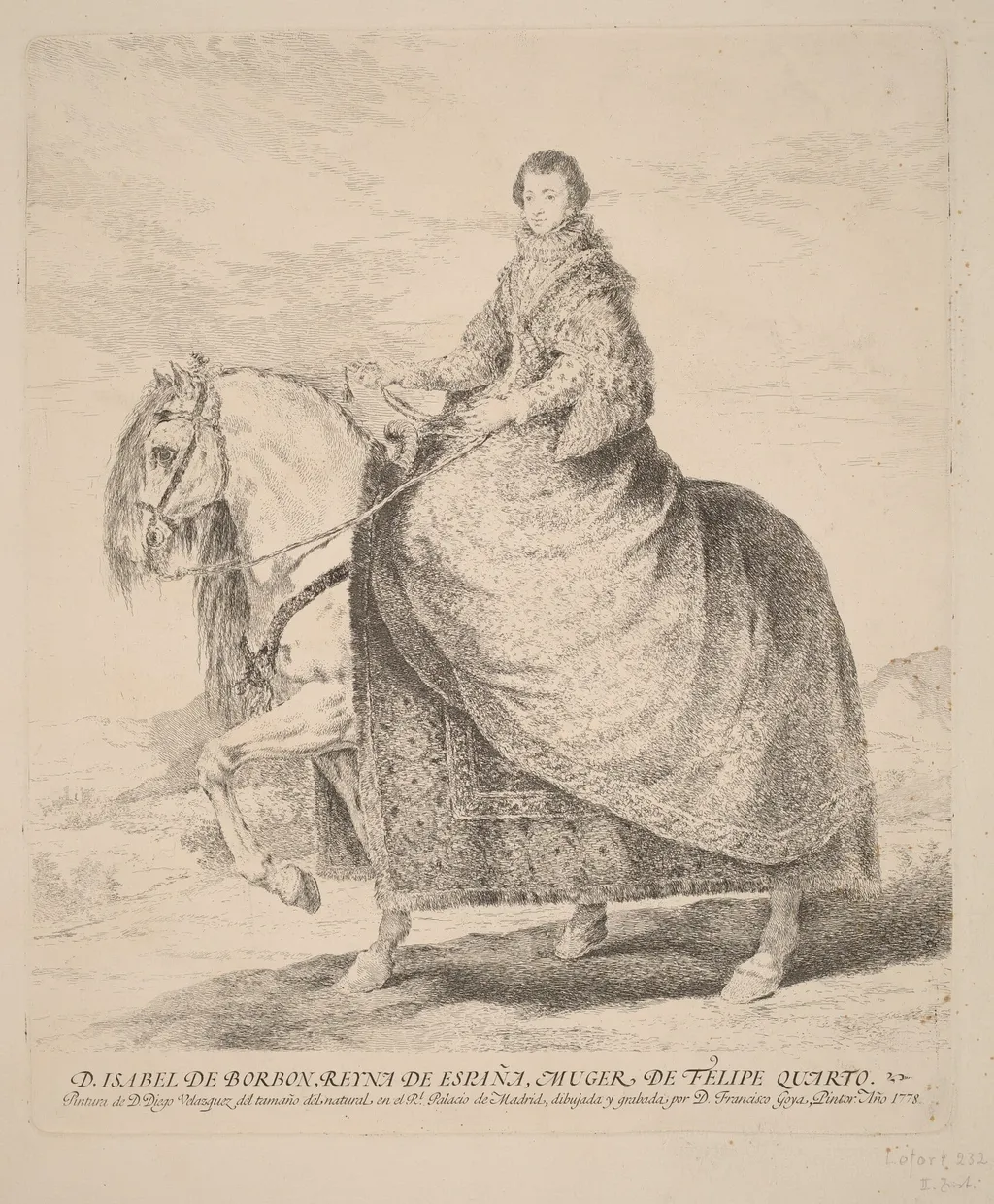
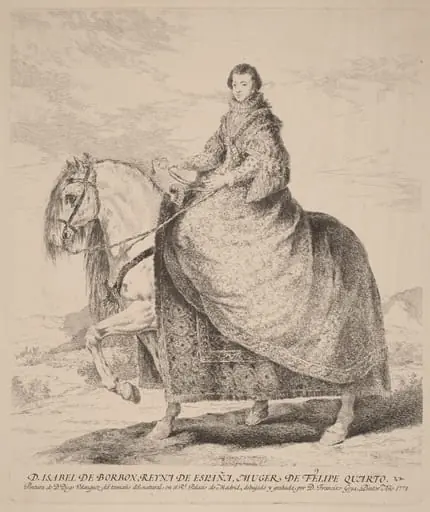
Isabel de Borbon is an ink print by the Romanticist artist Francisco Goya. It dates from 1778 and is held in the collection of the National Gallery of Art.
About this work
The artist, Francisco Goya, used a technique that lets you see fine lines and shading.
This etching shows a woman riding a horse. She wears a long fur coat and sits sideways, holding the reins. The horse looks strong, with a detailed mane and muscles. The background is plain, keeping focus on them.
The woman’s name is Isabel de Borbon, and this print was made in 1778. The artist, Francisco Goya, used a technique that lets you see fine lines and shading.
Next, look up etching, drypoint, aquatint to see how Goya created this image.
Overview
Francisco Goya’s 1778 print *Isabel de Borbon* combines etching and drypoint on a heavy laid paper. Executed as a first‑edition impression at Madrid’s Calcografía, the work presents a portrait of the Spanish infanta mounted on a horse, rendered with fine linear detail against an unadorned backdrop.
Subject & Meaning
The image portrays Infanta Isabel de Borbon, a member of the Bourbon royal family, seated sideways on a powerful horse. Her fur‑trimmed coat and poised grip on the reins emphasize aristocratic status and the cultivated image of a youthful royal figure within the late‑eighteenth‑century Spanish court.
Technique & Style
Goya employed both etching, which allows controlled line work through acid‑etched metal plates, and drypoint, a direct incision that yields soft, velvety lines. The combination produces a contrast between sharply defined contours of the horse’s musculature and the more delicate shading of the infanta’s attire, highlighting the artist’s mastery of printmaking subtleties.
History & Provenance
Created during Goya’s early career while he was employed at the state-run Calcografía, the print was issued as a first‑edition impression in 1778‑79. It reflects the artist’s initial forays into official portraiture for the Spanish monarchy, preceding his later, more politically charged oeuvre.
Context
The work belongs to a period when Spanish art was negotiating Enlightenment influences and traditional court patronage. Goya’s choice of a single, unembellished background directs attention to the sitter, aligning with contemporary trends that favored a clearer, more naturalistic representation of aristocratic subjects.
Artist & collection
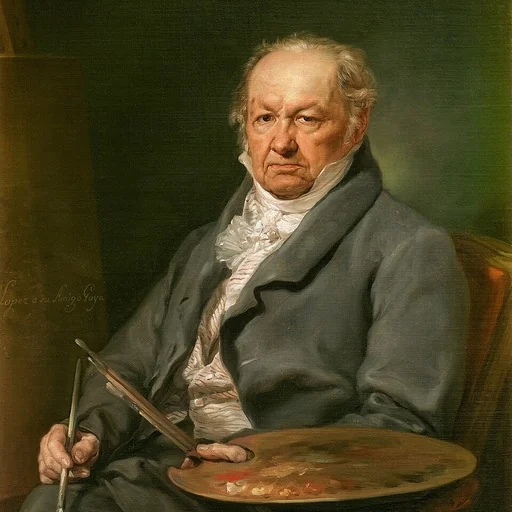
Artist
Francisco José de Goya y Lucientes (; Spanish: ; 30 March 1746 – 16 April 1828) was a Spanish romantic painter and printmaker.

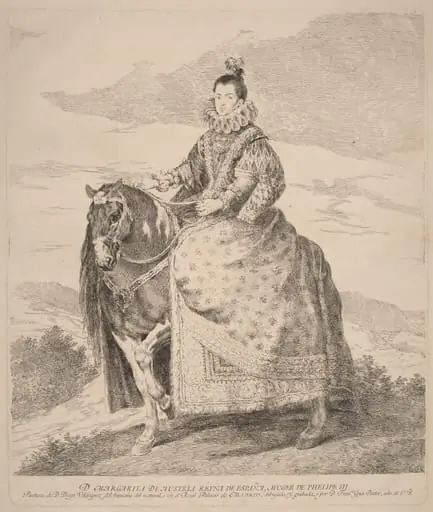 Margarita de Austria
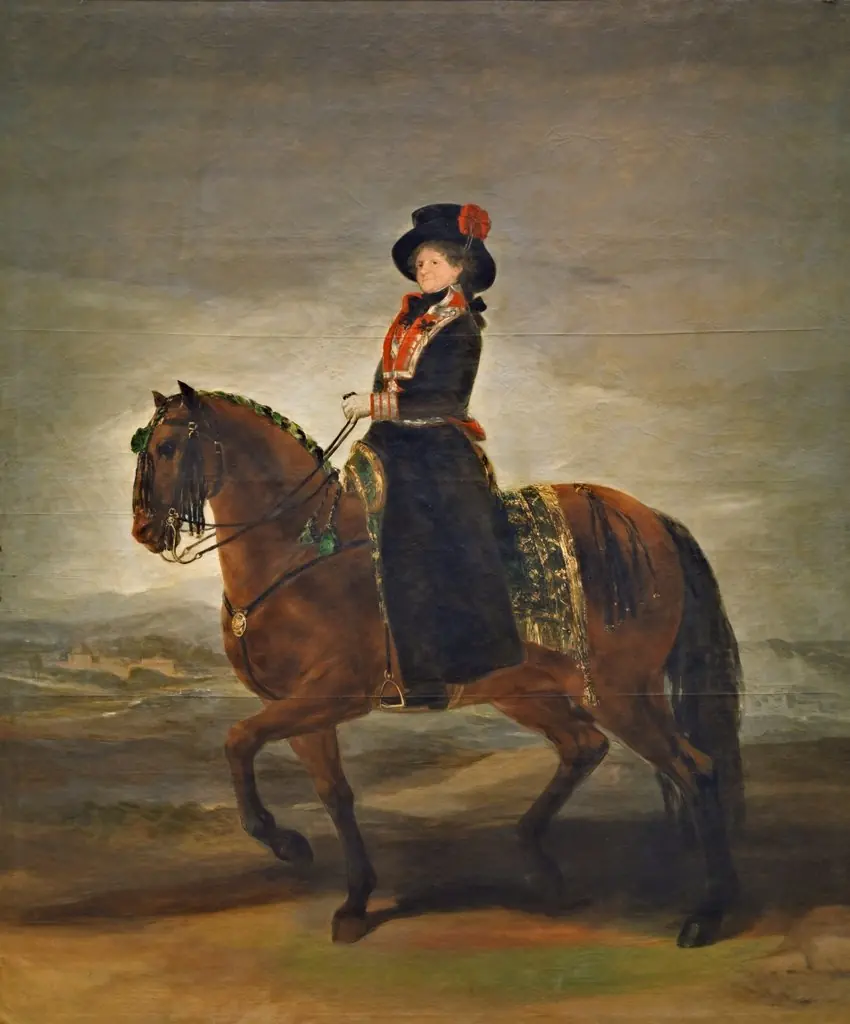 Queen María Luisa on horseback
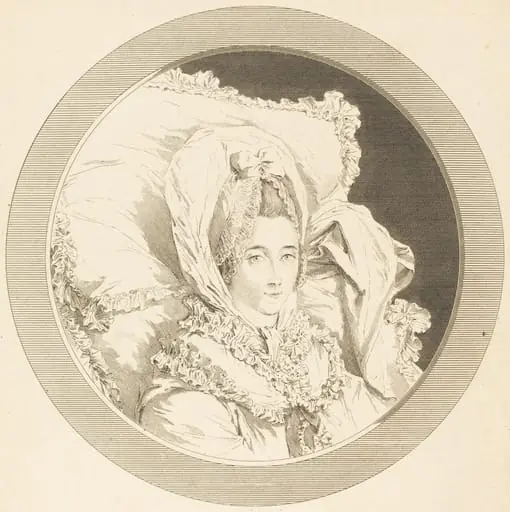 Derniere heure de la Baronne de Rebecque
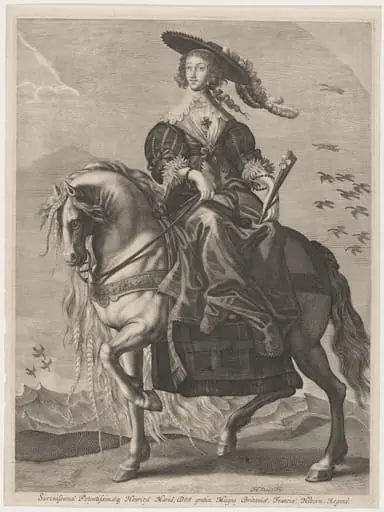 Henrietta Maria, Queen of Charles I
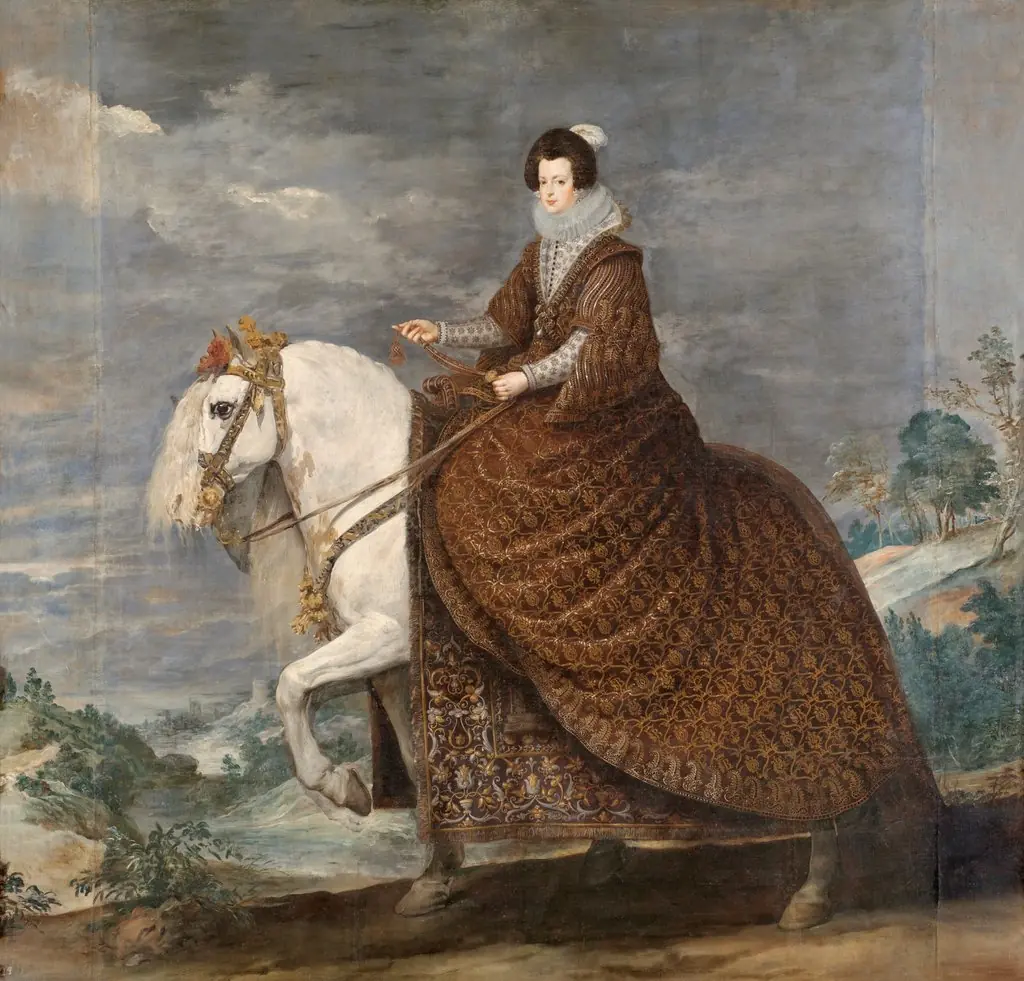 Equestrian Portrait of Elisabeth of France
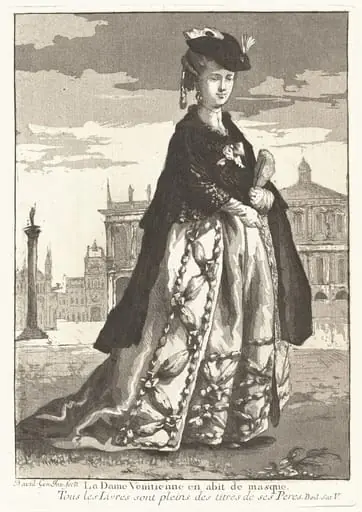 La Dame Venitienne en abit de masque (Venetian Woman in Carnival Dress)
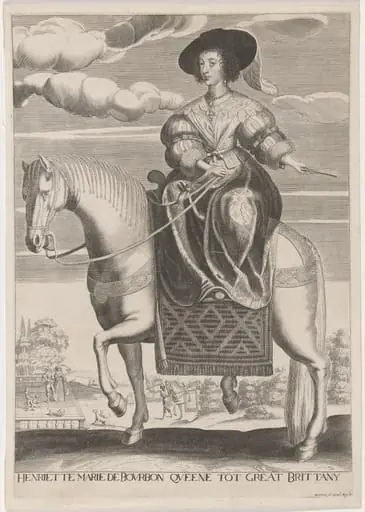 Henrietta Maria on Horseback
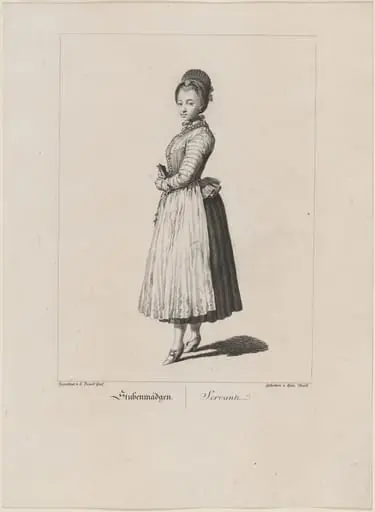 Stubenmädgen (Servant Girl)
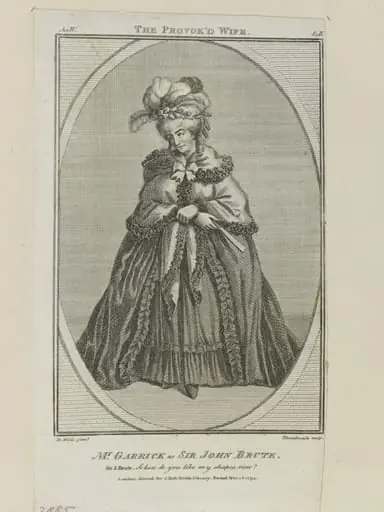 Mr. Garrick as Sir John Brute
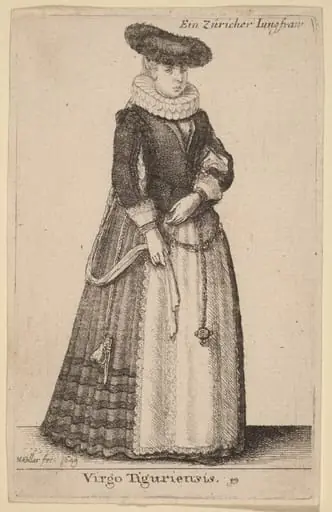 Virgo Tiguriensis
 Marie-Antoinette of France
 Isabel de Borbon