Artwork
River Landscape
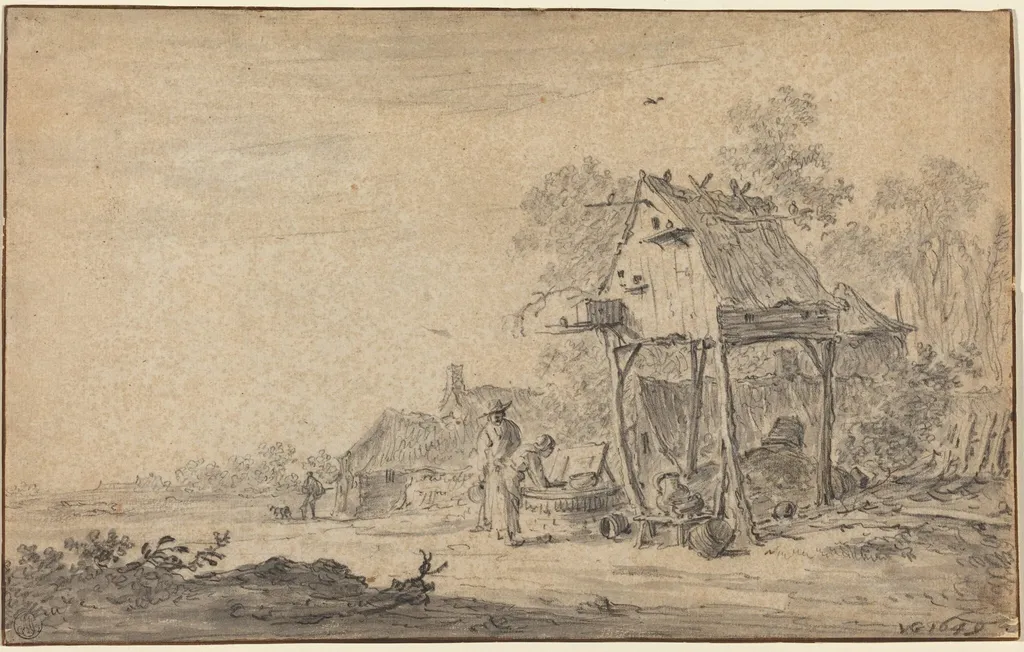
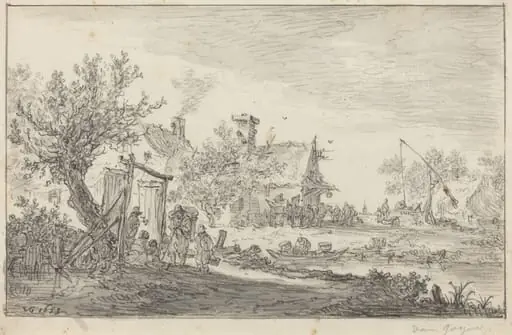
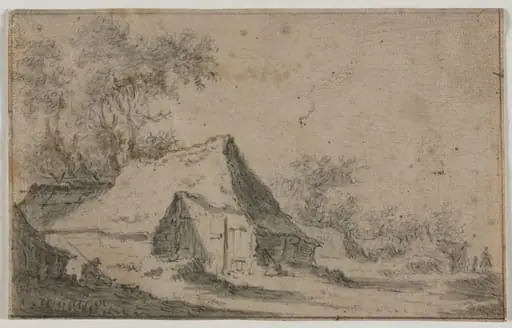
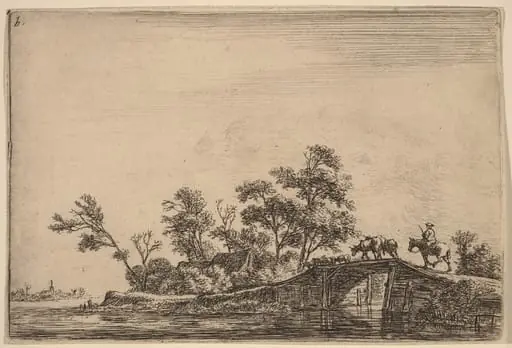
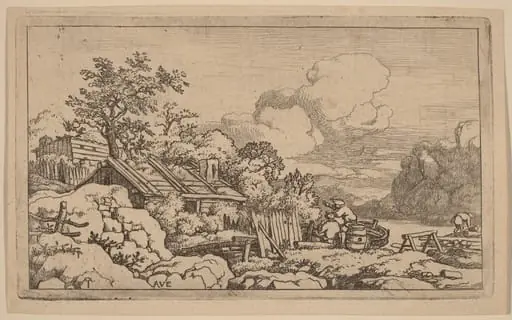
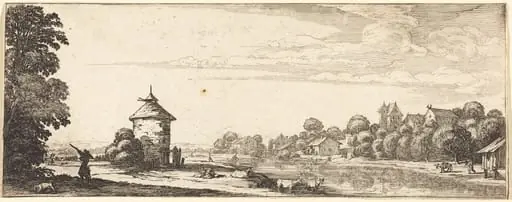
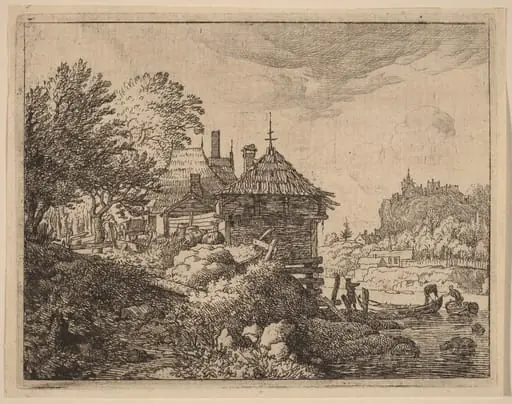
River Landscape is a chalk drawing by the Baroque artist Jan van Goyen. It dates from 1649 and is held in the collection of the National Gallery of Art.
About this work
Overview
Created in 1649, this drawing by Jan van Goyen is executed in black chalk on laid paper, reflecting his extensive output as a Dutch landscape artist. It belongs to a period when drawing was used not only for study but as a finished medium. Van Goyen produced over a thousand such works, making this piece one of many that capture the quiet rhythms of the natural world in the Dutch Republic.
Subject & Meaning
The composition conveys a sense of stillness and spatial depth, characteristic of van Goyen’s interest in the ordinary landscapes of his homeland.
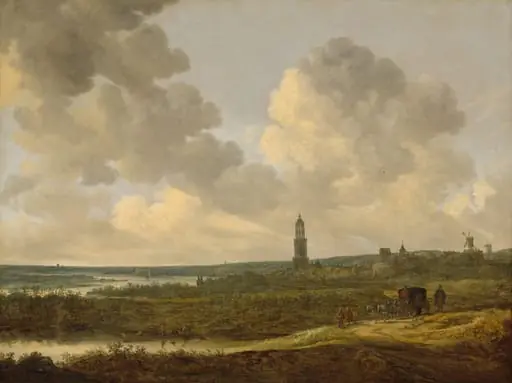
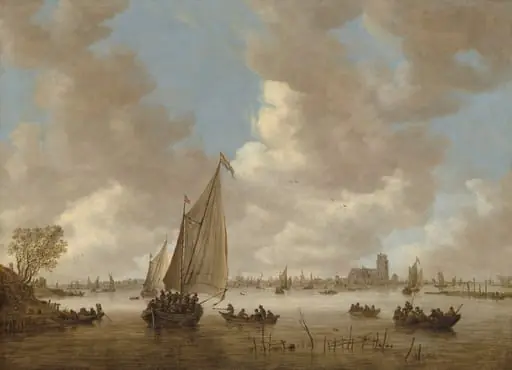
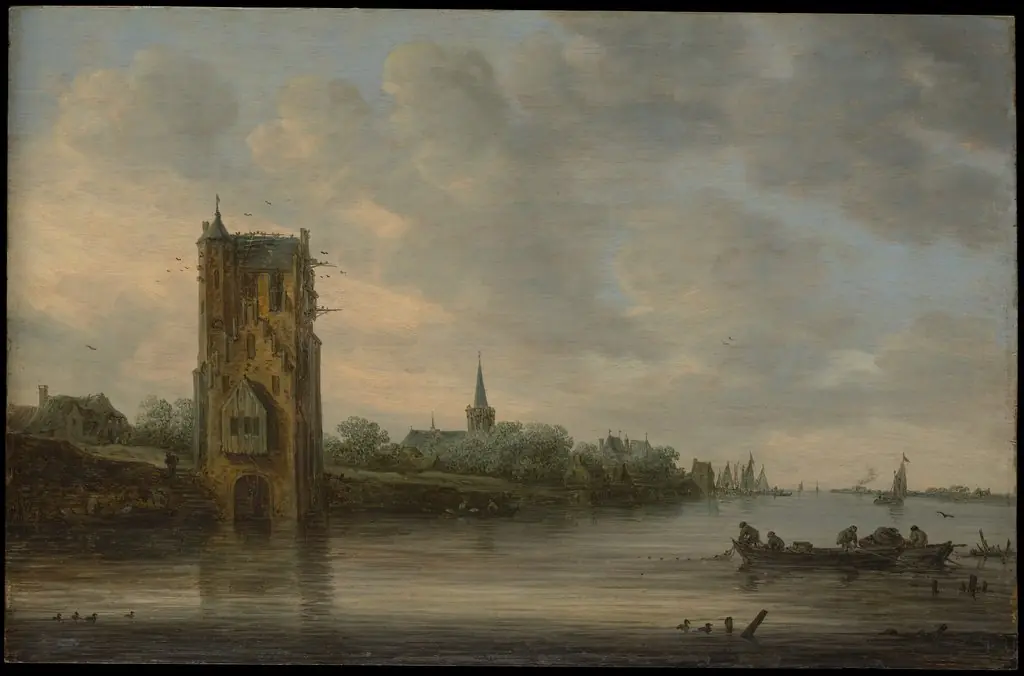
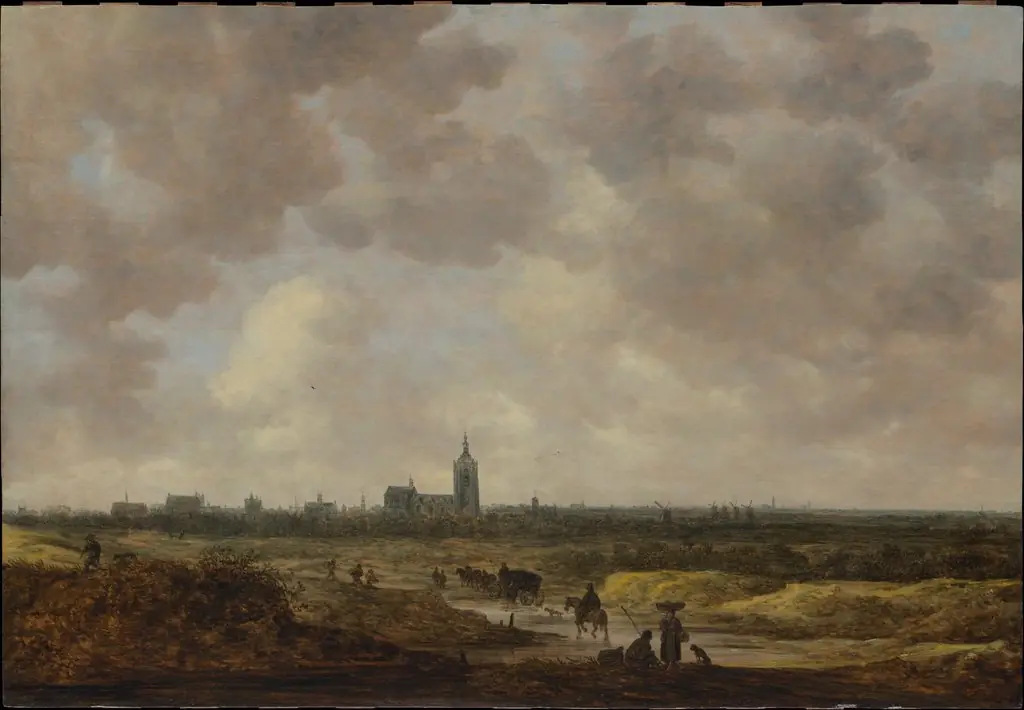
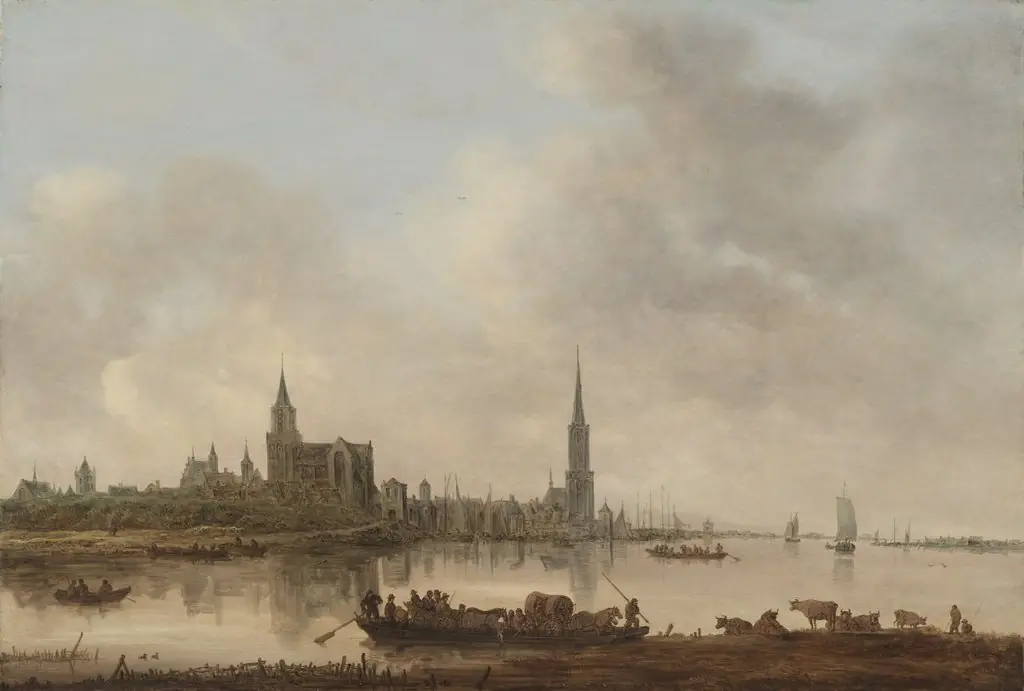
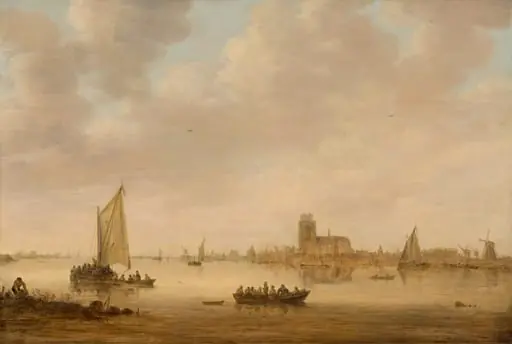
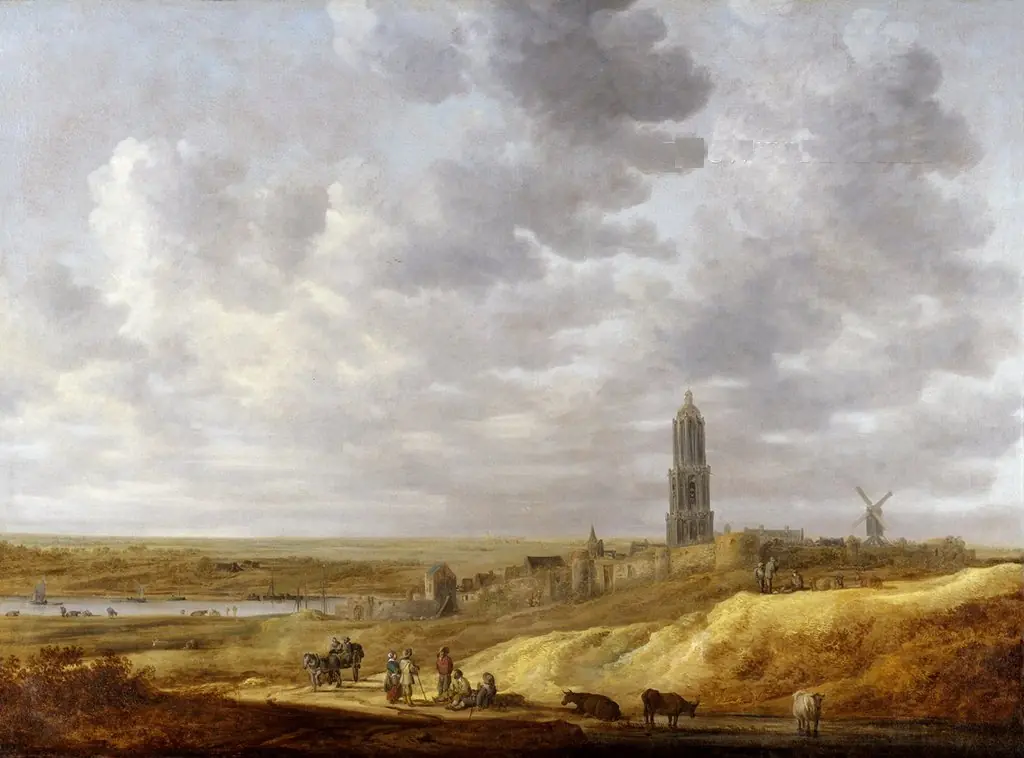
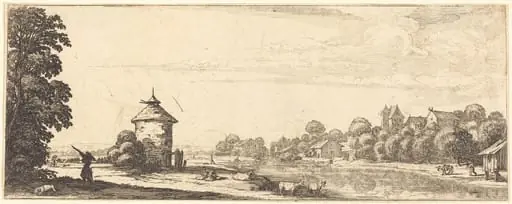
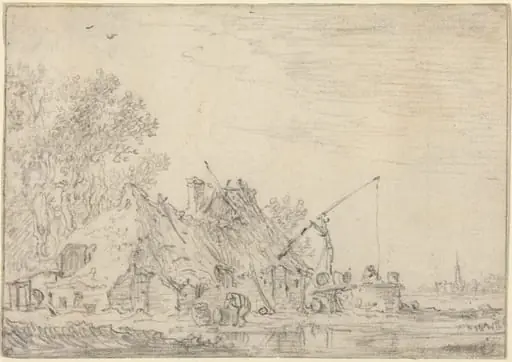
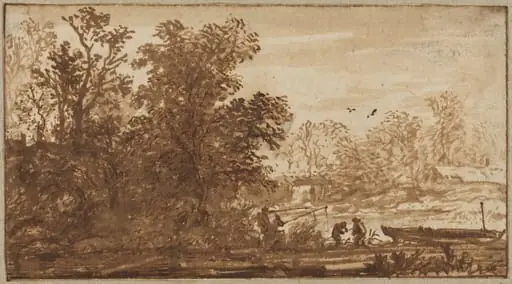
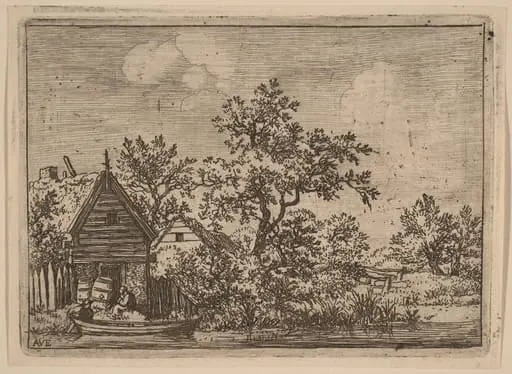
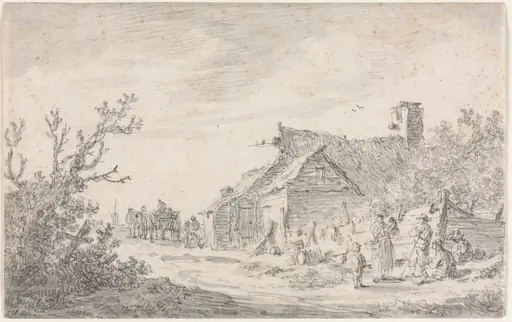
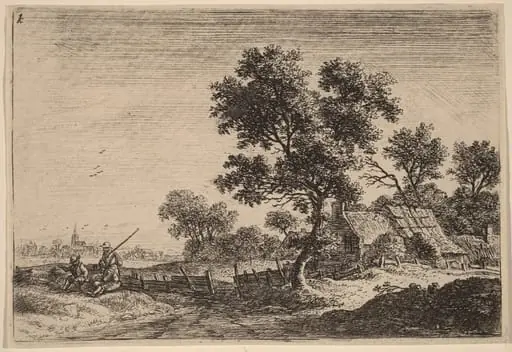
The scene depicts a tranquil river winding through a low-lying countryside, with subtle indications of human activity—boats, distant figures, and modest structures. There is no dramatic narrative; instead, the focus lies in the observation of everyday terrain. The composition conveys a sense of stillness and spatial depth, characteristic of van Goyen’s interest in the ordinary landscapes of his homeland.
Technique & Style
Van Goyen employed black chalk with restrained precision, using varied pressure and hatching to suggest light, texture, and distance. The paper’s laid texture subtly enhances the tonal gradations, allowing for soft transitions between sky, water, and land. His approach avoids elaborate detail, favoring economy of line to evoke atmosphere and spatial recession, a hallmark of his mature style.
History & Provenance
The drawing dates from the height of van Goyen’s career, when he was producing landscapes for a growing market of middle-class collectors. While its specific early ownership is undocumented, it aligns with the broader circulation of his works in the Netherlands during the mid-seventeenth century. Its survival reflects the value placed on drawings as autonomous works during this period.
Context
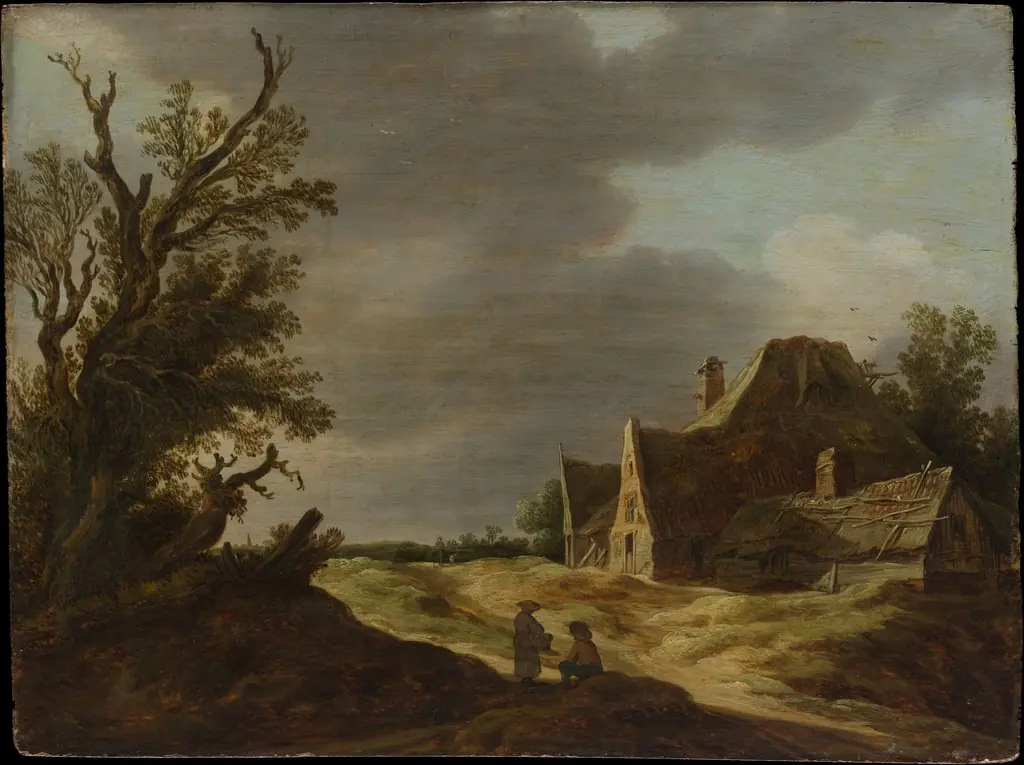
In the Dutch Golden Age, landscape art flourished as a distinct genre, divorced from religious or mythological themes. Artists like van Goyen responded to a public appetite for depictions of familiar terrain—rivers, dunes, and canals. This drawing exemplifies how Dutch artists elevated everyday views into subjects worthy of careful observation and artistic treatment.
Legacy
Van Goyen’s drawings helped redefine landscape as a subject worthy of independent study and display. His emphasis on atmospheric effects and compositional simplicity influenced later generations of Dutch and Flemish draftsmen. Though less celebrated than his paintings, his works on paper remain vital for understanding the evolution of landscape drawing in early modern Europe.
Artist & collection
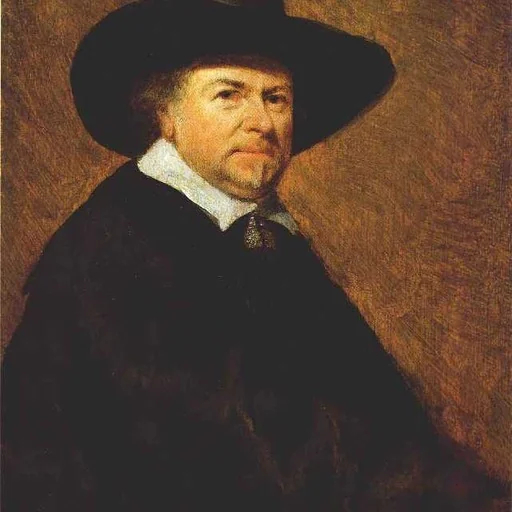
Artist
Jan Josephszoon van Goyen (Dutch pronunciation: ; 13 January 1596 – 27 April 1656) was a Dutch landscape painter.