Artwork
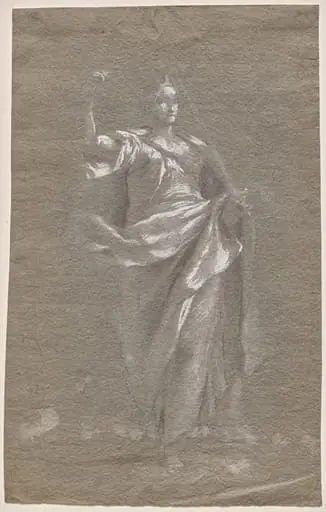
Hope with Her Anchor
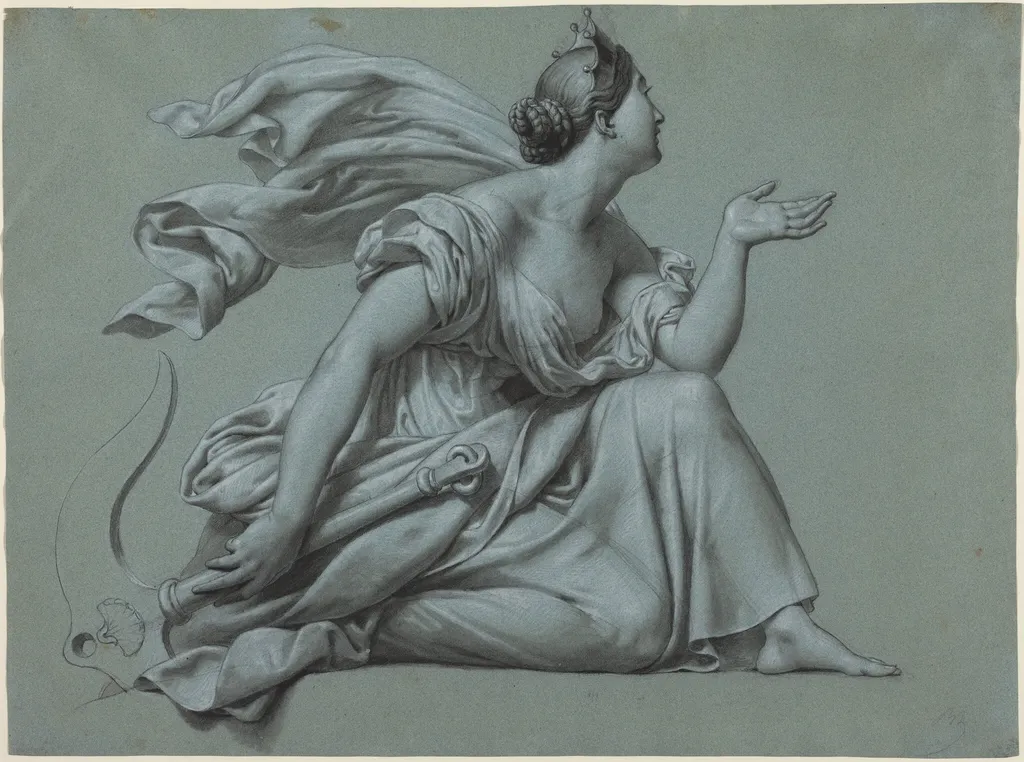
Hope with Her Anchor is a chalk drawing by the Romanticist artist Merry-Joseph Blondel. It dates from 1817 and is held in the collection of the National Gallery of Art.
About this work
Overview
Hope with Her Anchor is a drawing created by French Neoclassical artist Merry-Joseph Blondel in 1817. Executed in black chalk heightened with white on blue wove paper, this work personifies Hope through a classical figure.
Subject & Meaning
The drawing depicts Hope as a woman kneeling in a graceful yet strong pose, holding an anchor—a traditional symbol of hope. Her attire and demeanor reflect Neoclassical ideals of simplicity and moral virtue.
Technique & Style
Blondel employed a restrained, linear style with black chalk and white highlights on a blue-gray background, achieving a sense of depth and volume. The use of chiaroscuro enhances the three-dimensional appearance of the figure, particularly in the draped clothing.
History & Provenance
Created in 1817 by Blondel, a Prix de Rome winner and later professor at the École nationale supérieure des Beaux-Arts, this work exemplifies his training under Baron Jean-Baptiste Regnault and his affiliation with the Académie des Beaux-Arts.
Context
Reflecting the Neoclassical emphasis on clarity and allegory, Hope with Her Anchor aligns with the artistic values of late 18th to early 19th century France, emphasizing moral themes through classical representations.
Legacy
As a product of Blondel's Neoclassical practice, the drawing contributes to the broader legacy of French academic art of its time, though specific impact or notable exhibitions of this piece are not highlighted in available information.
Artist & collection
Artist
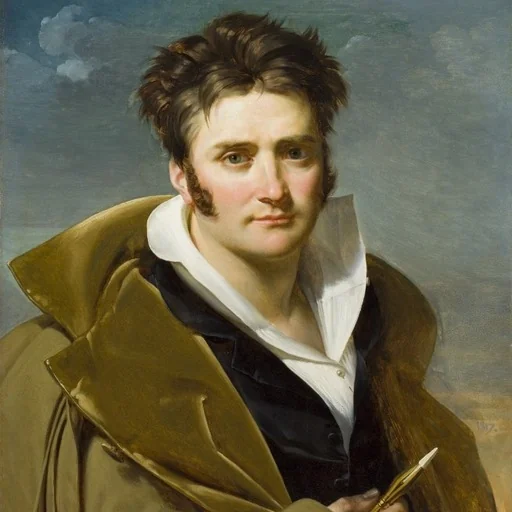
Merry-Joseph Blondel (French pronunciation: ; 25 July 1781 – 12 June 1853) was a French history painter of the Neoclassical school.

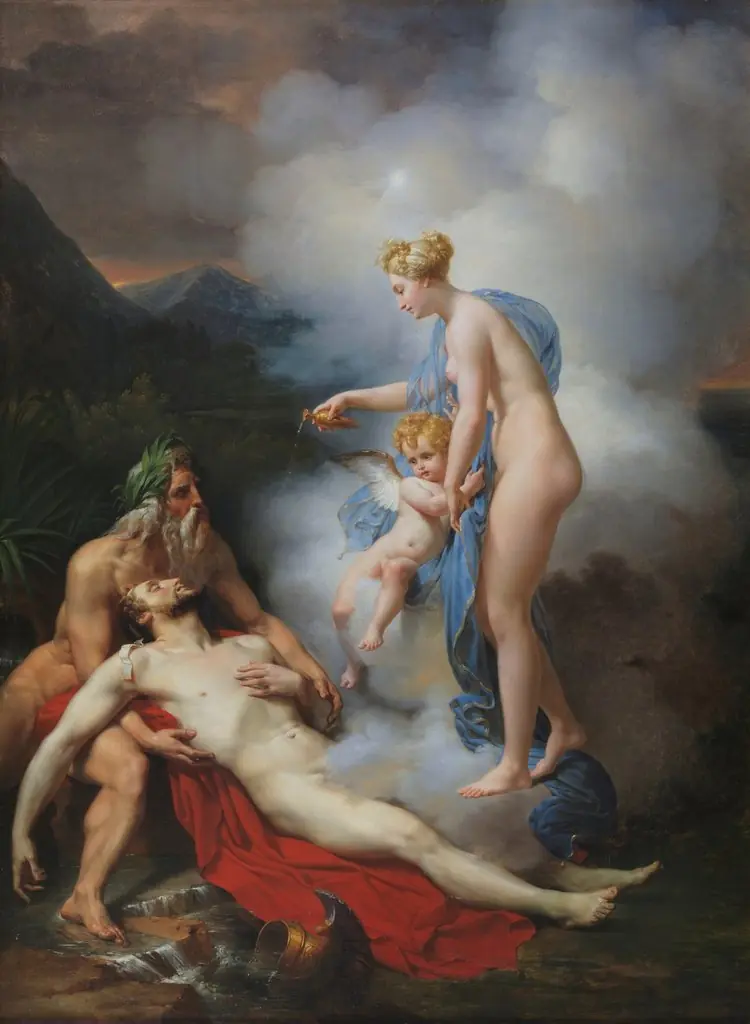 Aeneas Becomes a God
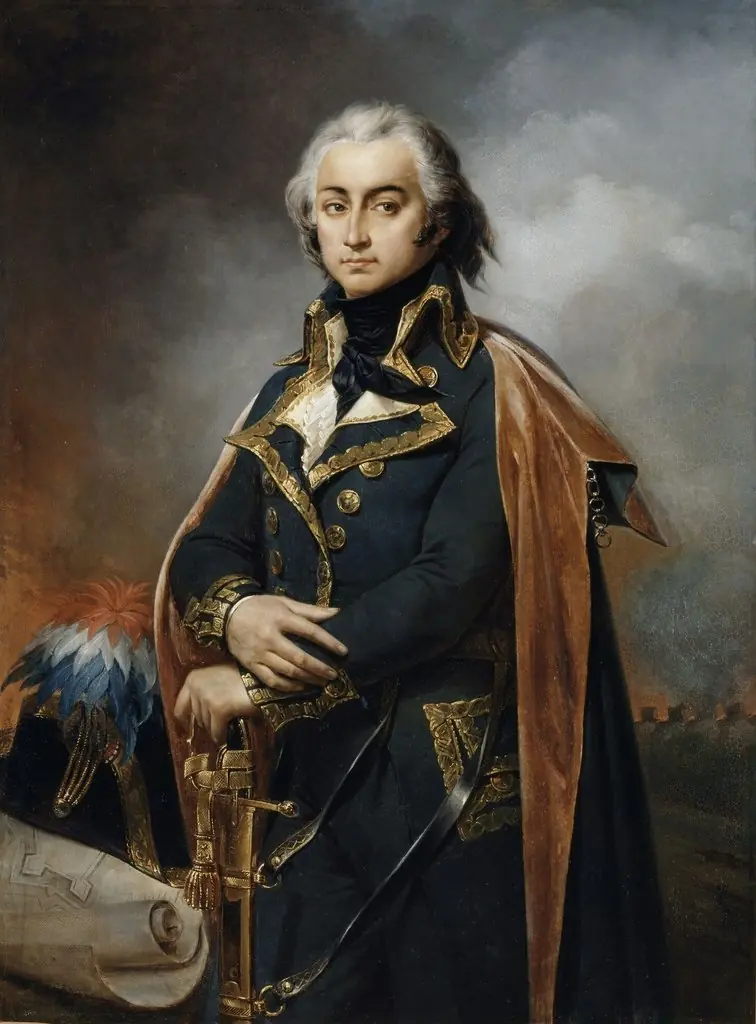 Cyrus-Marie-Adélaïde de Timbrune, Count of Valence, General-in-Chief of the Army of the Ardennes
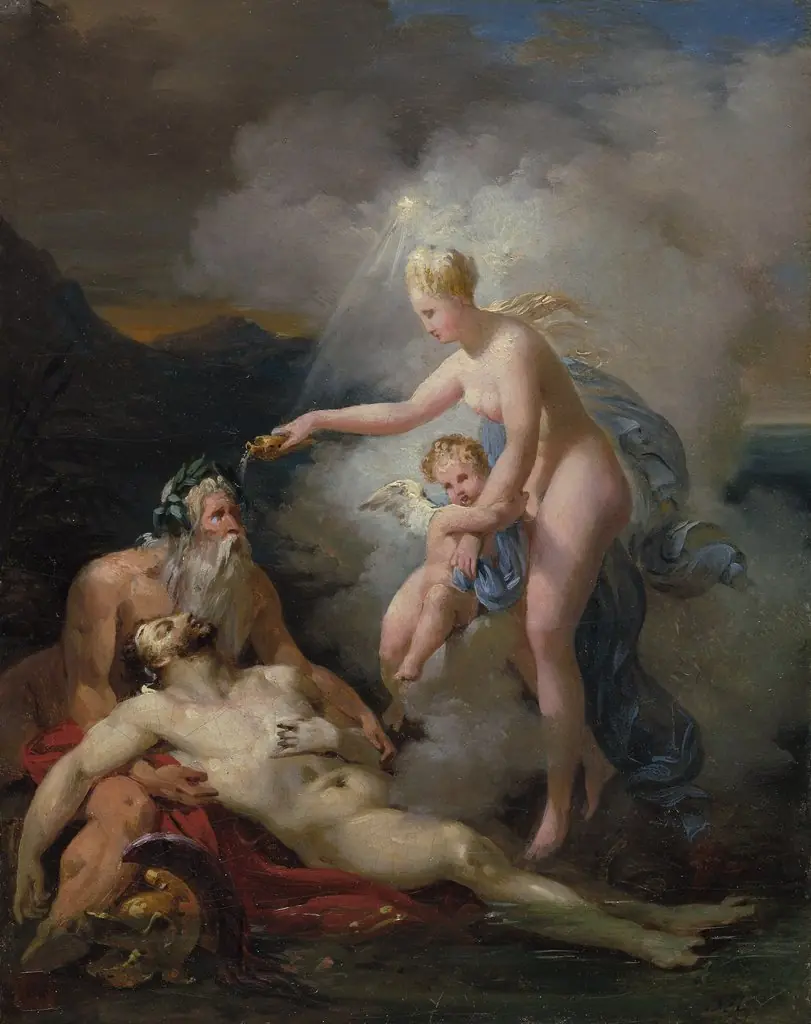 Venus Healing Aeneas
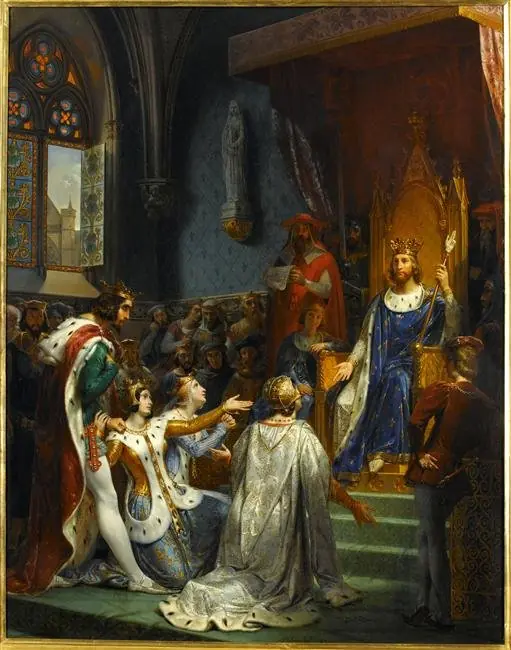 John II receives the submission of Charles II of Navarre
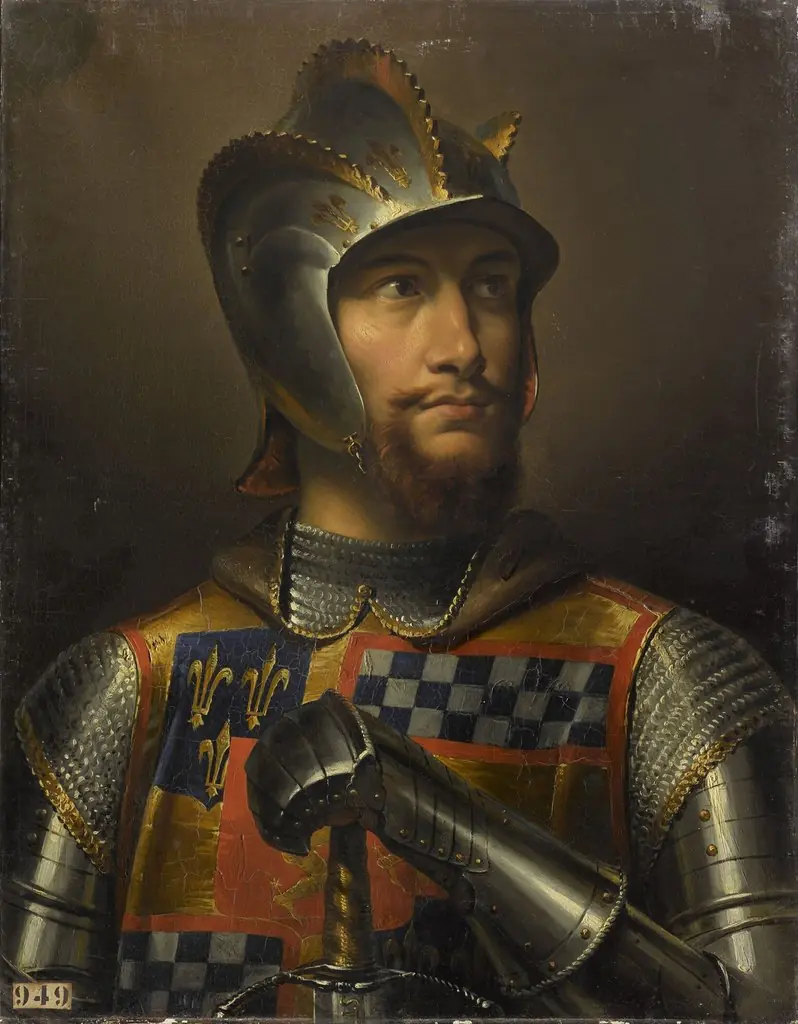 Jean II Stuart, connétable de Buchan (+ 1424)
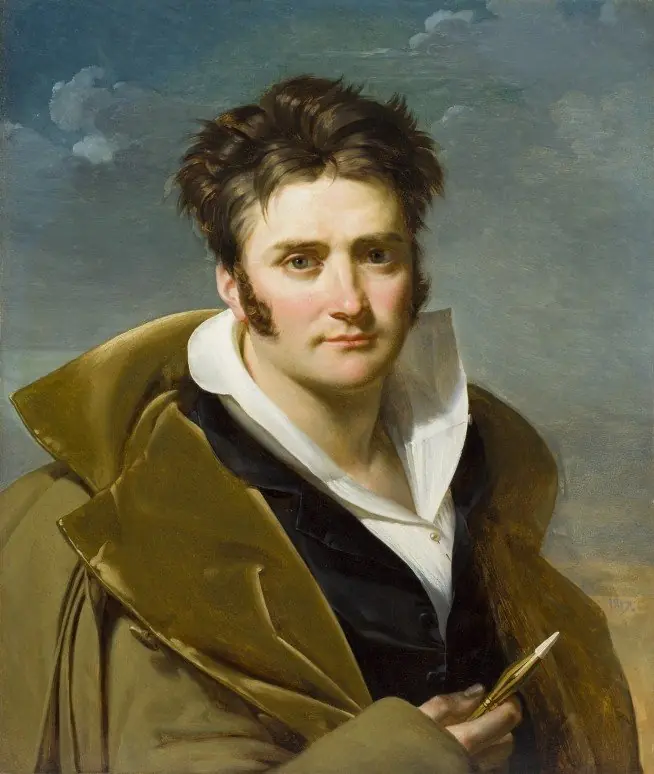 Self-portrait
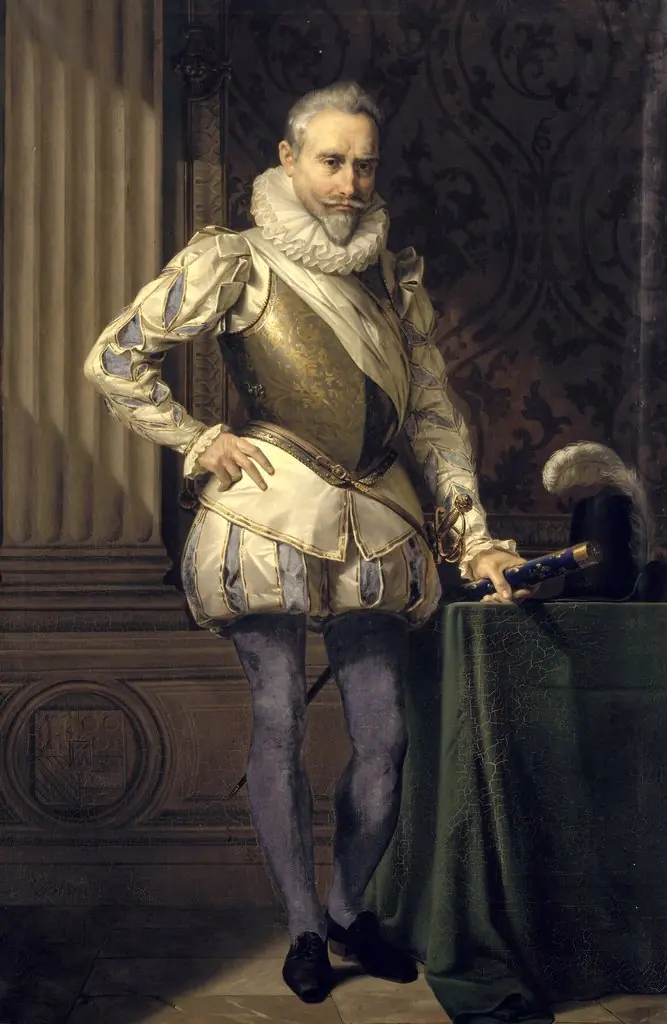 Portrait of Henri de La Tour d'Auvergne, duc de Bouillon
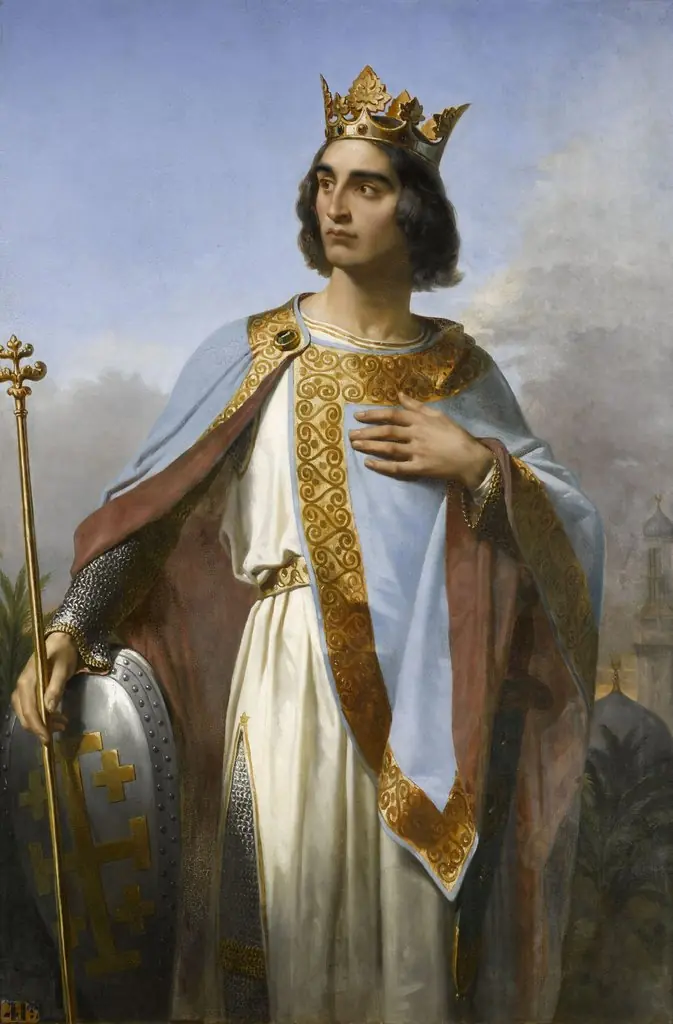 Baudouin I, King of Jerusalem
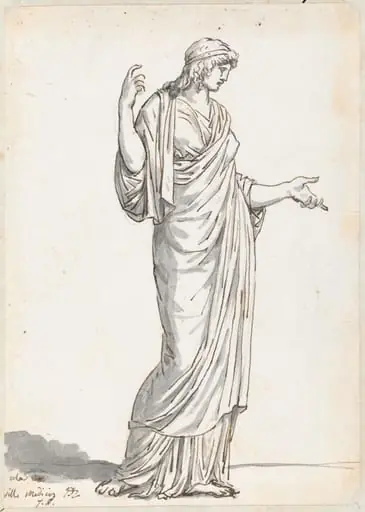 Woman from the Villa Medici
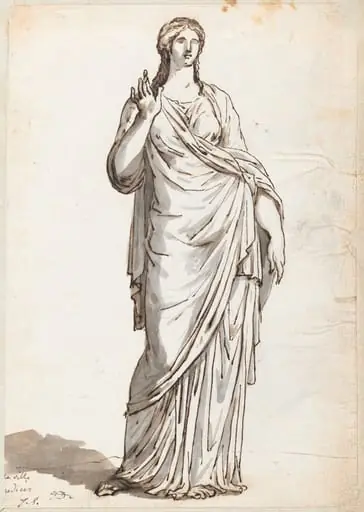 Woman with a Raised Hand, from the Villa Medici
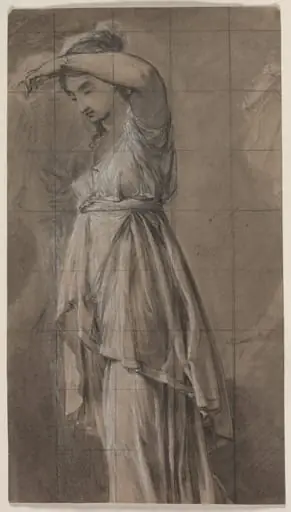 Study for Penelope
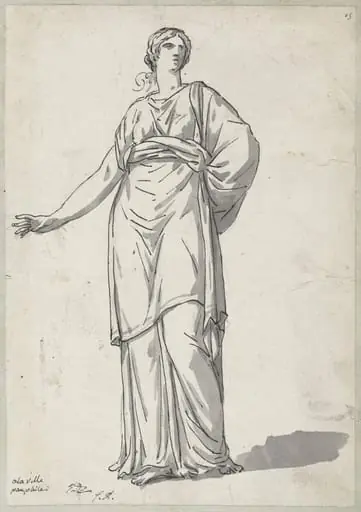 Woman from the Villa Pamphili
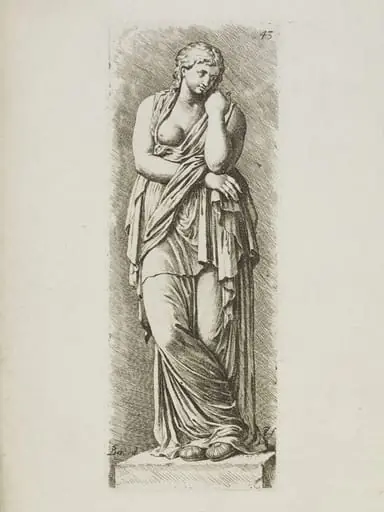 Signorum Veterum Icones
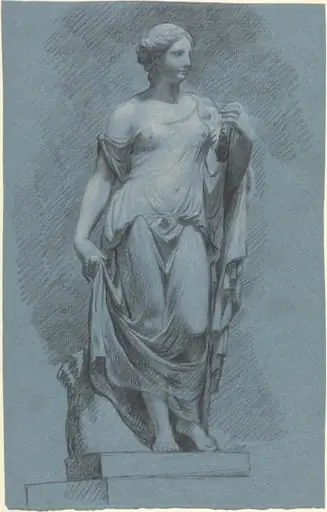 The "Farnese Flora" at Stourhead
 Pride
Pride Woman from the Villa Borghese
 Allegorie der Weisheit
 Orante from the Villa Medici
 Allegorical Figure (recto)
 Young Woman with Her Head Covered