Artwork
Copy of painting in the caves of Ajanta (Cave 2)
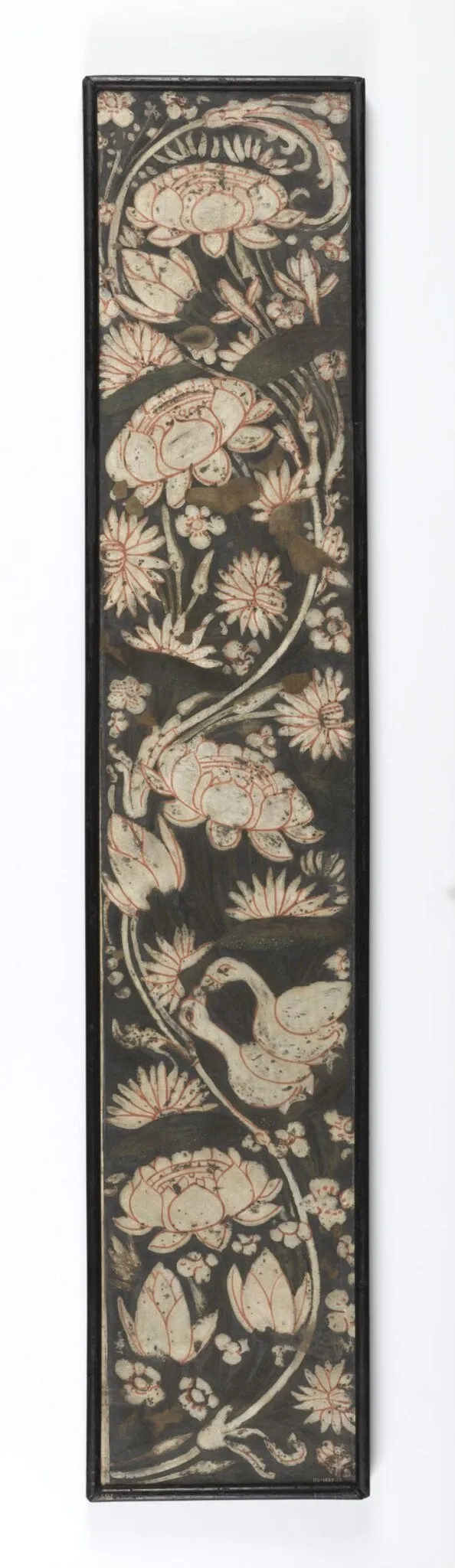
Copy of painting in the caves of Ajanta (Cave 2) is an oil painting by the Patna School of Painting artist John Griffiths. It dates from 1878 and is held in the collection of the Victoria and Albert Museum.
About this work
You see a flat, careful copy of an old cave painting. It shows lotus stems and geese floating in water. The lotus and birds stand for purity and the spread of Buddha’s teachings.
Griffiths made this in the 1870s. He rolled paint thickly to copy the rough cave surface. It’s one of many copies he did after the caves were found in 1819.
Look next at Griffiths, John.
Overview
This oil on canvas painting is a copy of a mural from Cave 2 at Ajanta, created as part of a documentation effort following the cave complex's discovery in 1819.
Subject & Meaning
The painting depicts lotus stems and geese in an aquatic setting, symbolizing purity and the dissemination of Buddhist teachings, as both the lotus and geese are associated with the Buddha.
Technique & Style
The copy is characterized by thickly applied paint, aiming to replicate the textured surface of the original cave painting, showcasing a meticulous approach to capturing the details of the ancient mural.
History & Provenance
Produced by John Griffiths and his students between 1872 and 1885, this work is one of approximately 300 copies made to compensate for the loss of earlier copies by Major Robert Gill, which were destroyed in a fire in 1866.
Artist & collection
Artist
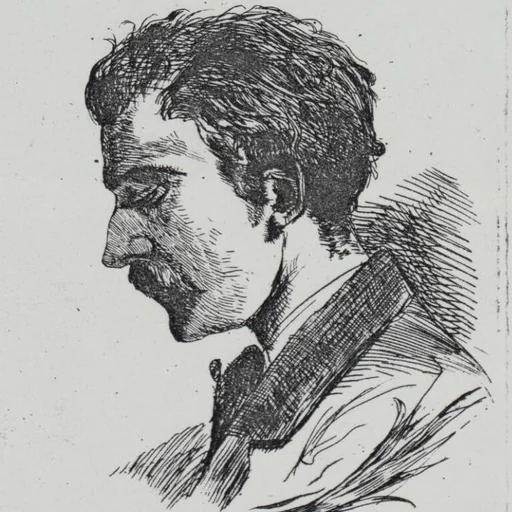
John Griffiths (29 November 1837 – 1 December 1918) was a Welsh artist who worked in India, noted for his Orientalist works.

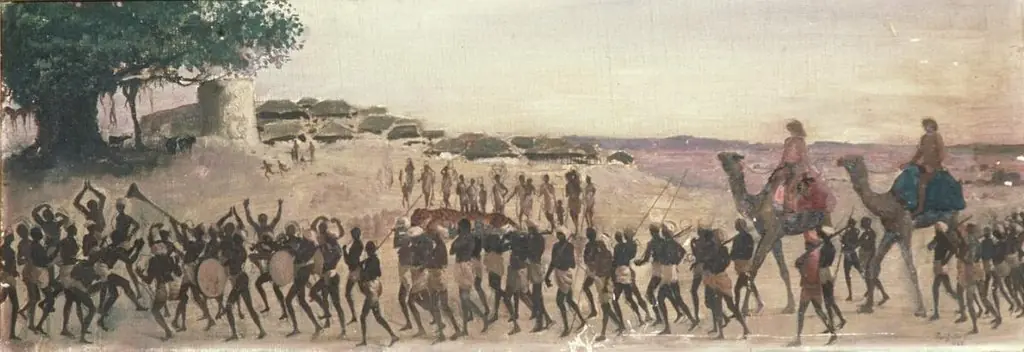 Tiger shooting in East Berar
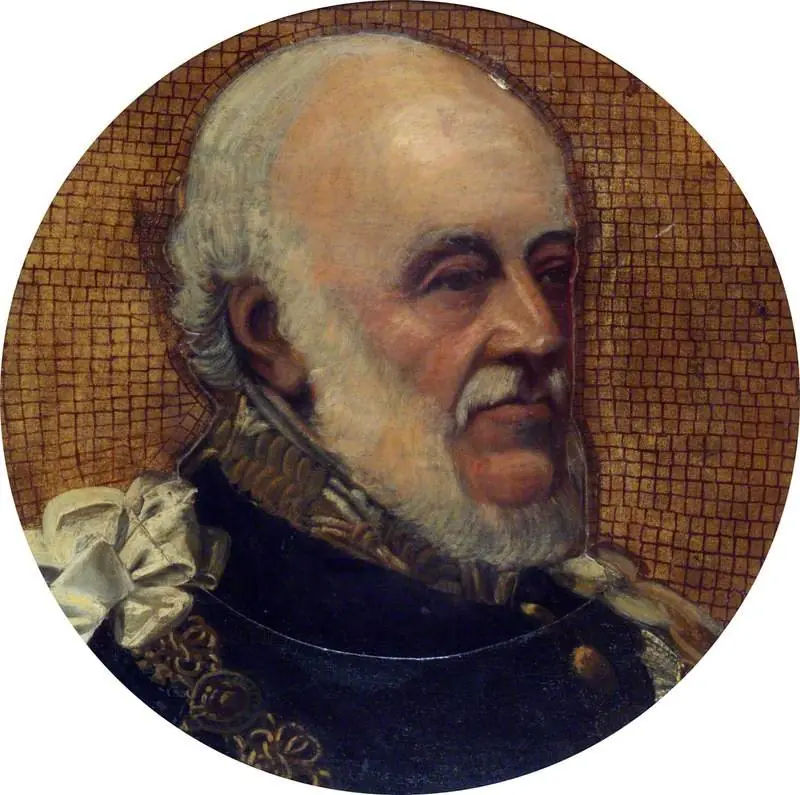 The Marquis of Salisbury (1791–1868)
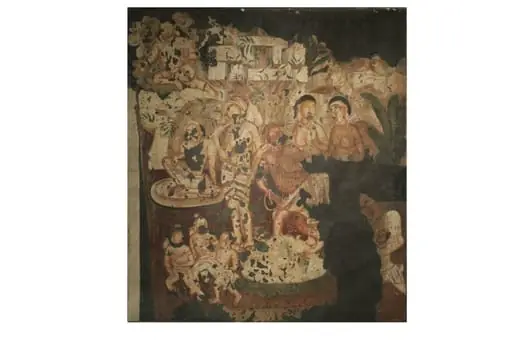 Copy of painting inside the caves of Ajanta (Cave 2)
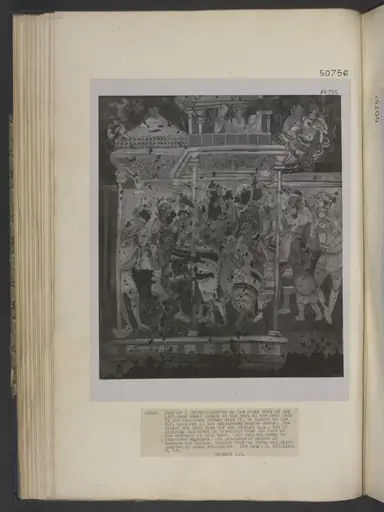 Copy of painting in the caves of Ajanta (cave 2)
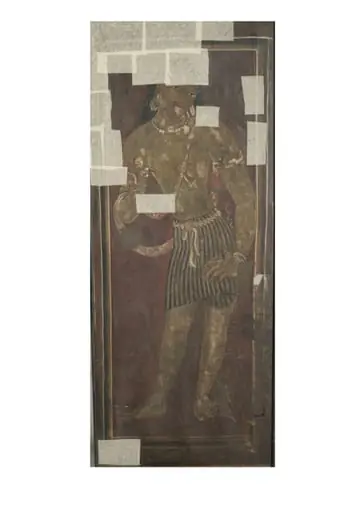 Copy of painting in the caves of Ajanta (cave 17)
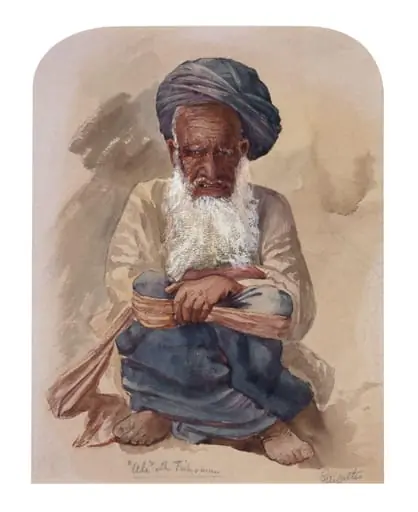 Ali the fisherman
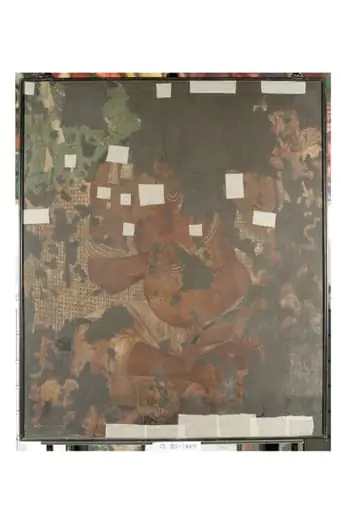 Copy of painting inside the caves of Ajanta (cave 16)
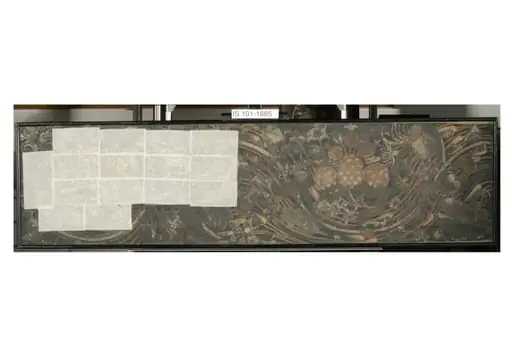 Copy of painting inside the caves of Ajanta (Cave 9)