Artwork
Two Panels with Flower Designs
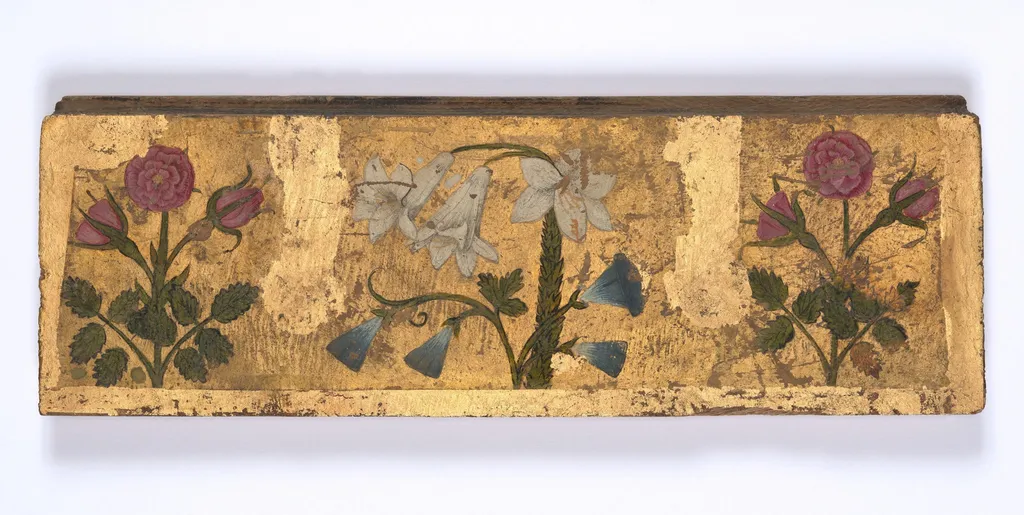
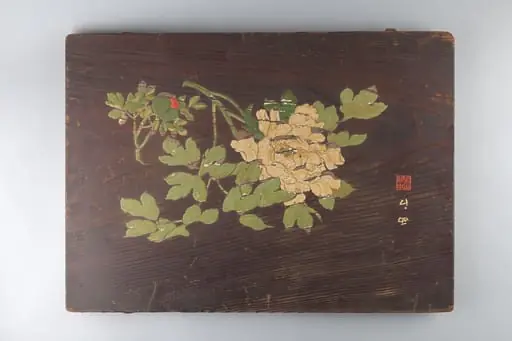
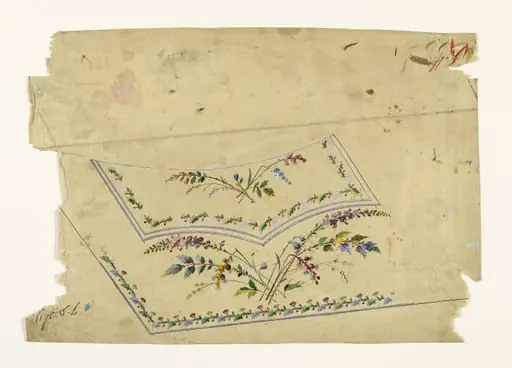
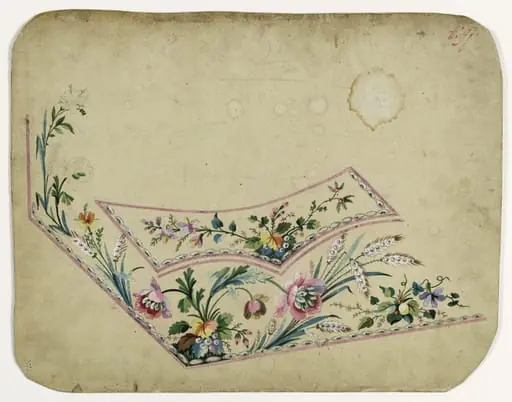
Two Panels with Flower Designs is an unspecified painting by the Dutch Golden Age artist Unknown. It dates from 1650 and is held in the collection of the Metropolitan Museum of Art. Two rectangular panels feature ornamental floral arrangements against a textured gold ground.
About this work
Overview
The background’s rough texture adds tactile depth, while the flowers appear to rise slightly from the plane, suggesting subtle three-dimensionality.
Two rectangular panels feature ornamental floral arrangements against a textured gold ground. The designs are symmetrical, with larger blooms flanking the center and smaller blossoms filling the spaces between. Soft gradations of pink, white, and blue petals contrast with green foliage, creating a quiet rhythm across both surfaces. The background’s rough texture adds tactile depth, while the flowers appear to rise slightly from the plane, suggesting subtle three-dimensionality.
Subject & Meaning
The subject consists of stylized flowers arranged in balanced, non-naturalistic patterns. No specific species are identifiable, suggesting an emphasis on decorative harmony rather than botanical accuracy. The repetition and symmetry imply a contemplative order, possibly reflecting ideals of tranquility or spiritual purity common in devotional or elite interior settings where such panels were displayed.
Technique & Style
Flowers are rendered with delicate brushwork and layered pigments to suggest volume without strong chiaroscuro. The gold background, textured rather than smooth, enhances the tactile quality of the surface. Color transitions are subtle, avoiding sharp contrasts. The composition avoids perspective depth, instead relying on overlapping forms and tonal variation to imply spatial presence within a flat, ornamental framework.
History & Provenance
The panels likely originated in a context where luxury decorative arts were valued, such as a private chapel, aristocratic residence, or monastic space. Their paired format suggests they were part of a larger ensemble, perhaps a screen, altarpiece, or wall paneling. No documented provenance is available, but similar works are associated with late medieval or early Renaissance European workshops specializing in devotional ornament.
Context
These panels align with traditions of illuminated manuscripts and gold-ground panel painting prevalent in Europe between the 13th and 15th centuries. Their floral motifs echo symbolic uses of nature in religious art—purity, resurrection, divine beauty—while their format reflects the period’s preference for portable or architectural decoration that combined spiritual resonance with aesthetic refinement.
Legacy
Though not attributed to a known artist, the panels exemplify a widespread craft tradition that bridged religious devotion and decorative arts. Their survival highlights the enduring value placed on handcrafted, non-narrative imagery in pre-modern interiors. Similar works influenced later still-life and ornamental painting, particularly in the use of gold grounds and symbolic flora.
Artist & collection

 Domestic Scene
 Giacomo and Cardinal Marco, investing Andrea, Abbot of San Zeno, with his Benefice
 The Nymph of Fontainebleau
 Portrait of a Woman
 Madonna and Child with Saints in the Enclosed Garden
 Venus and Minerva
 Family Group of Four on Sofa
 Wall painting from Room H of the Villa of P. Fannius Synistor at Boscoreale
 Christ
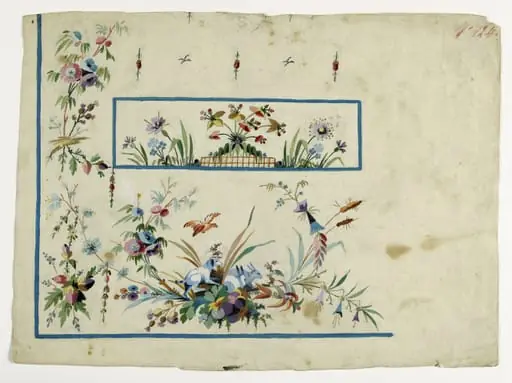 Gilet décor fleurs et fruits avec chien et lapins, projets de broderies de gilet, XVIIIème siècle
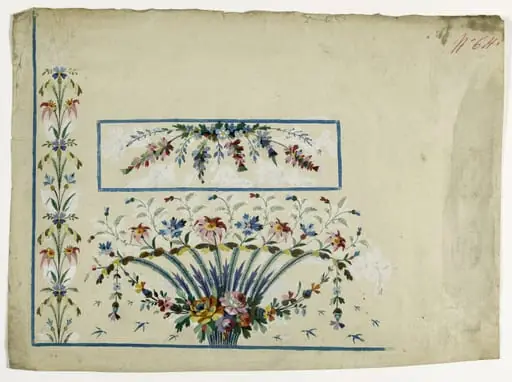 Gilet décor bouquet oeillets et églantines, projets de broderies de gilet, XVIIIème siècle
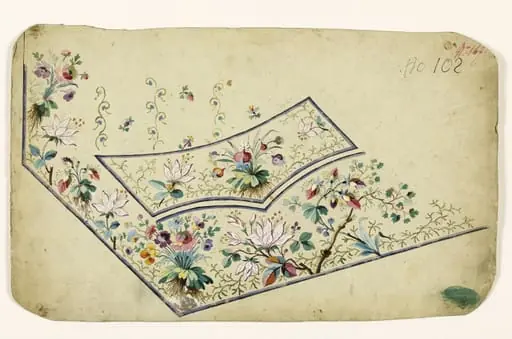 Composition de fleurs champêtres en branches et en bouquets, projets de broderies de gilet, XVIIIème siècle
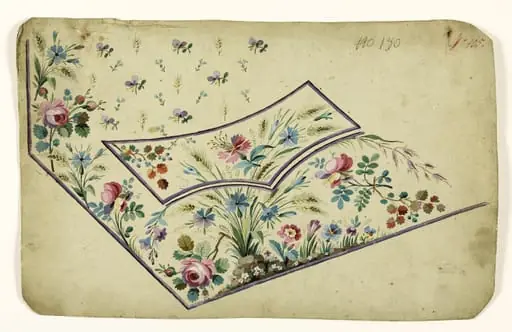 Composition de fleurs sauvages, d'épis et d'amoncellement de galets, projets de broderies de gilet, XVIIIème siècle
 Untitled
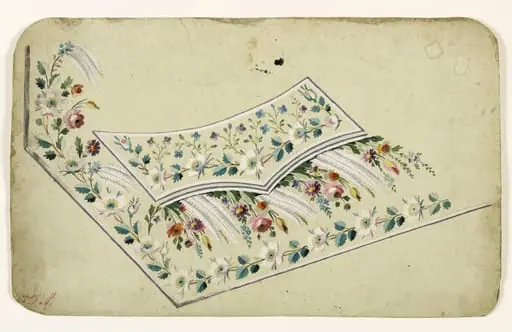 Composition de fleurs multicolores et de feuilles blanches et frises de fleurs de poirier, projets de broderies de gilet, XVIIIème siècle
 Composition avec brins de fleurs champêtres et guirlandes de feuilles et de fleurs, projets de broderies de gilet, XVIIIème siècle
 Gilet à la bordure rose, projets de broderies de gilet, XVIIIème siècle