Artwork
Copy of painting in the caves of Ajanta (cave 16)
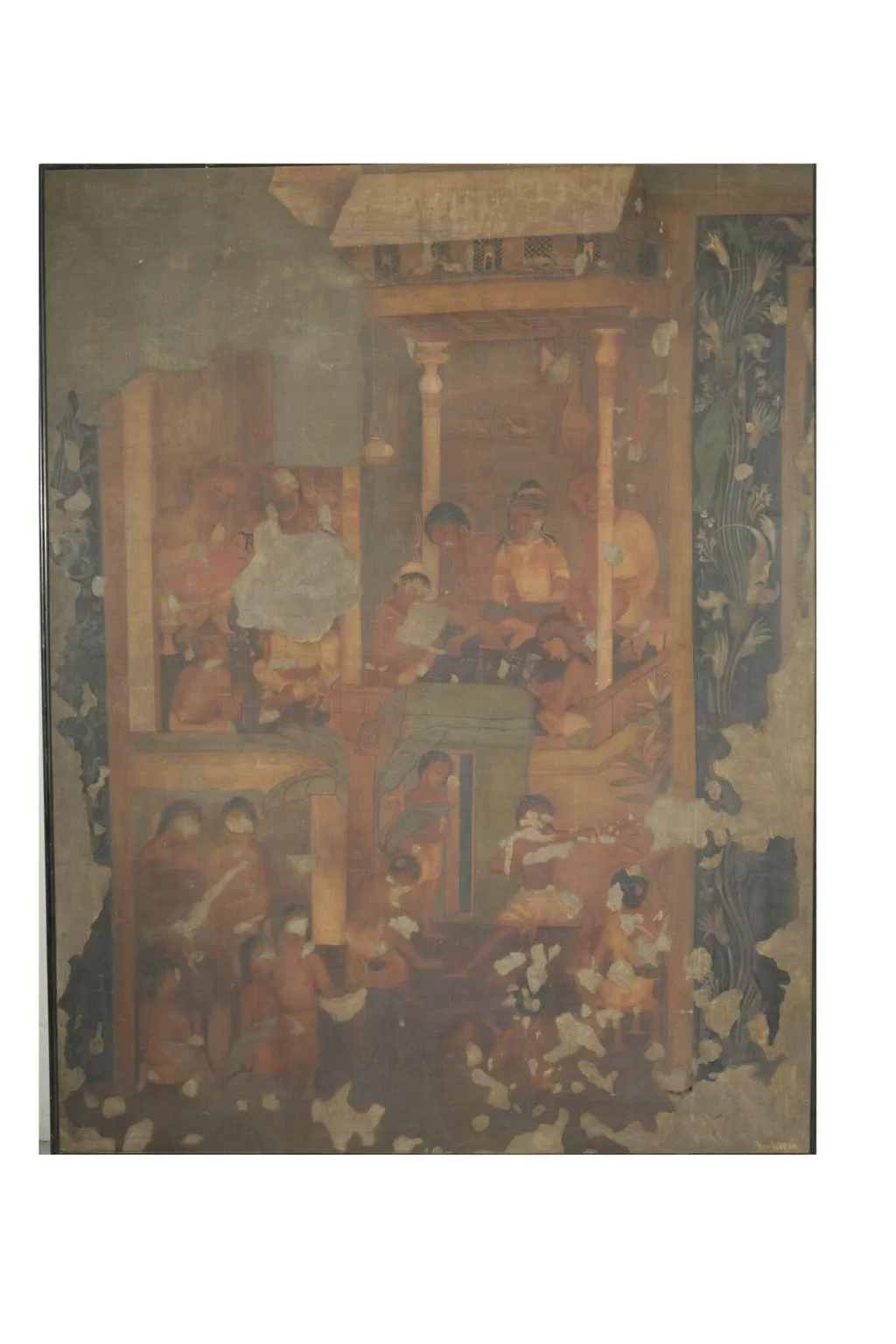
Copy of painting in the caves of Ajanta (cave 16) is an oil painting by the Impressionist artist John Griffiths. It dates from 1882 and is held in the collection of the Victoria and Albert Museum.
About this work
This is John Griffiths' 1881 oil painting copying a 1,900-year-old cave scene. The original in India’s Ajanta caves shows the Buddha as a boy learning archery. Griffiths made his copy to save the fading art.
Most copies of Ajanta murals were lost in a fire in 1866. Griffiths and students spent winters there, copying one by one.
Look up Griffiths, John next.
Overview
John Griffiths’ 1881 oil painting reproduces a mural from Cave 16 of the Ajanta complex, a UNESCO‑listed site in western India. The original wall painting, dating between the 1st century BC and the 5th century AD, illustrates a Jataka tale in which the young Bodhisattva receives archery instruction.
Subject & Meaning
The scene belongs to the Bhagavan Jataka, one of the narratives recounting the Buddha’s previous lives. It portrays the future Buddha as a school‑aged boy, learning the skill of archery, a motif that underscores the development of virtue and discipline before his enlightenment.
Technique & Style
Griffiths rendered the mural in oil on canvas, translating the original fresco’s muted palette and delicate line work into a medium suited to Western studio practice. He preserved the composition’s hierarchical arrangement, the flattened figures, and the subtle use of color that characterises early Indian wall painting.
History & Provenance
The Ajanta murals were first documented after the caves’ rediscovery in 1819. Major Robert Gill’s 1844 copies were largely lost in an 1866 fire. From 1872 to 1885, Griffiths, a professor at the Bombay School of Art, and seven Indian apprentices spent each winter copying the frescoes, producing around three hundred oil replicas, including this 1881 work.
Context
The Ajanta caves served as a Buddhist monastic complex, where murals functioned as visual scripture for monks and pilgrims. The Jataka narratives, such as the one depicted, were central to Buddhist pedagogy, illustrating moral lessons through the Buddha’s past incarnations.
Legacy
Griffiths’ copies, created before many original murals deteriorated, remain valuable records of the Ajanta art. They continue to inform scholars about the iconography, technique, and narrative content of early Indian Buddhist painting, especially where the originals have faded or been damaged.
Artist & collection
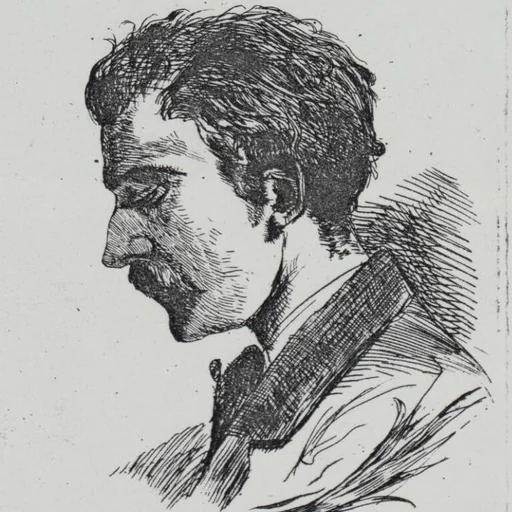
Artist
John Griffiths (29 November 1837 – 1 December 1918) was a Welsh artist who worked in India, noted for his Orientalist works.

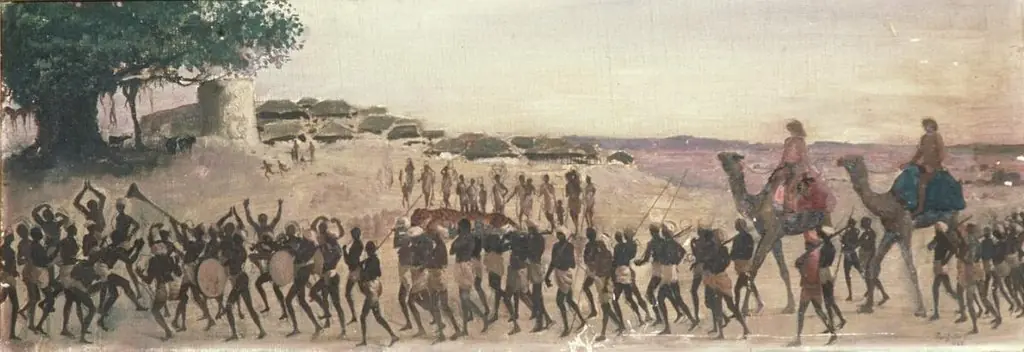 Tiger shooting in East Berar
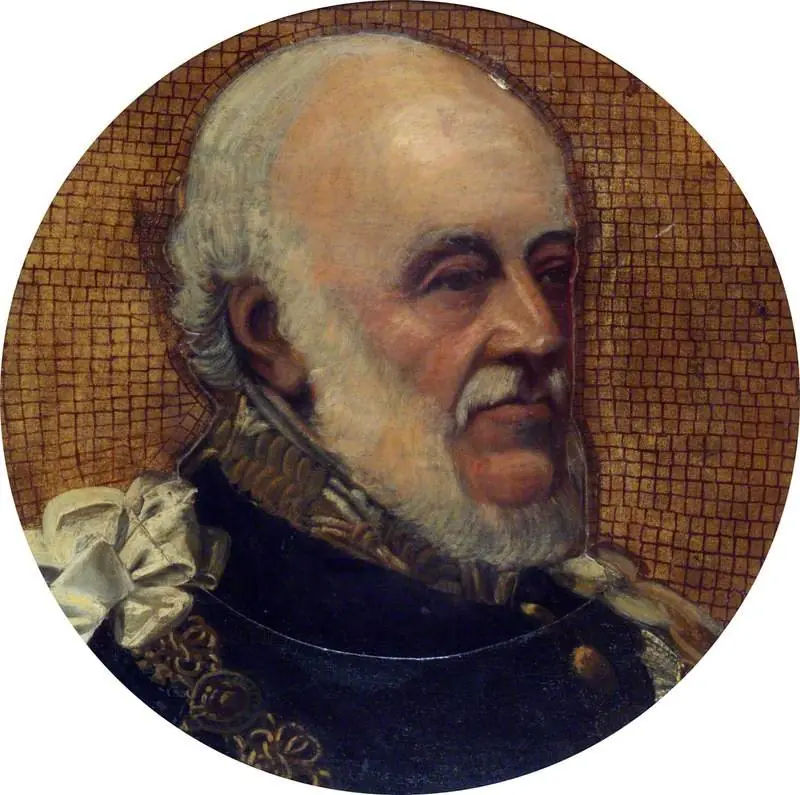 The Marquis of Salisbury (1791–1868)
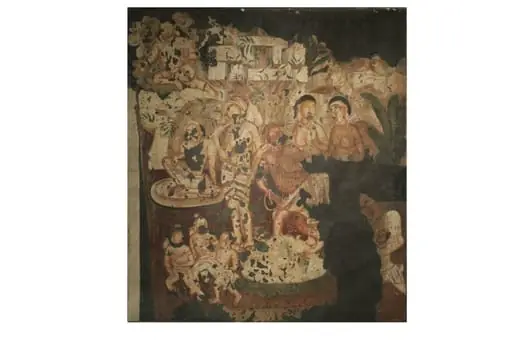 Copy of painting inside the caves of Ajanta (Cave 2)
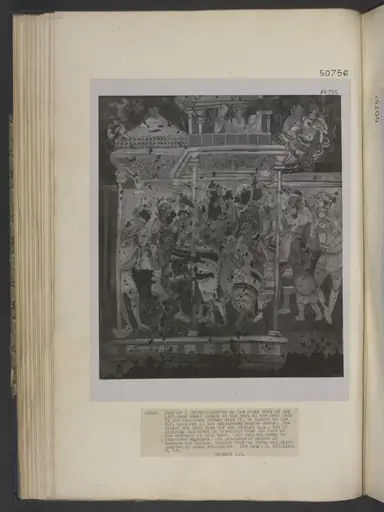 Copy of painting in the caves of Ajanta (cave 2)
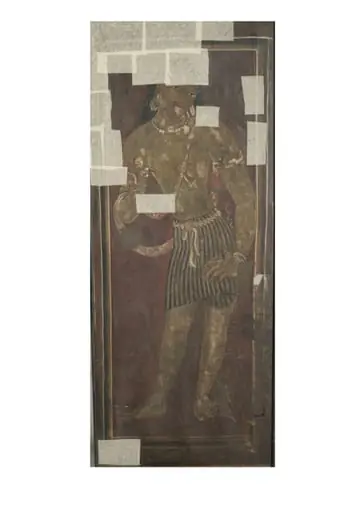 Copy of painting in the caves of Ajanta (cave 17)
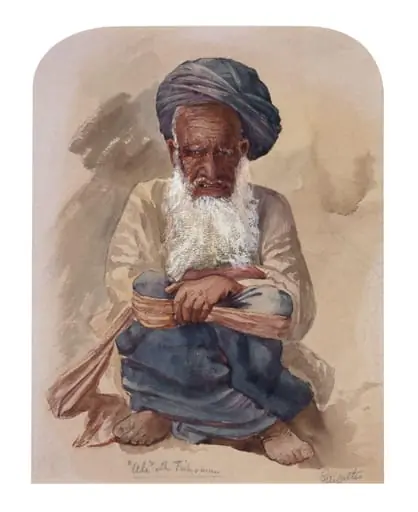 Ali the fisherman
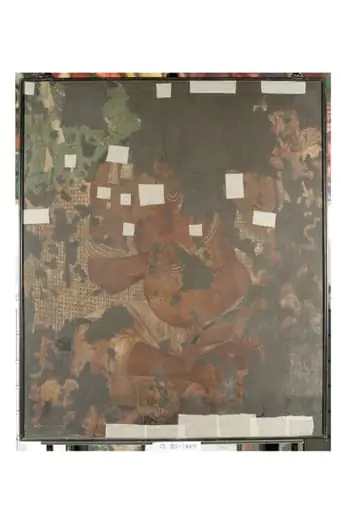 Copy of painting inside the caves of Ajanta (cave 16)
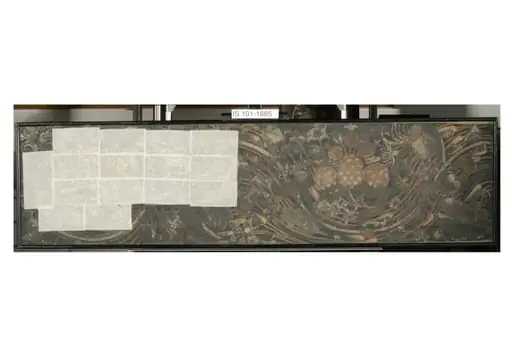 Copy of painting inside the caves of Ajanta (Cave 9)
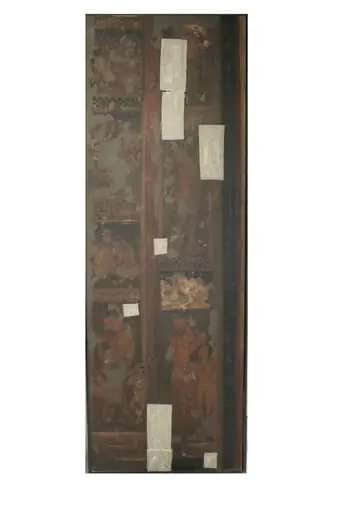 Copy of painting in the caves of Ajanta (cave 6)
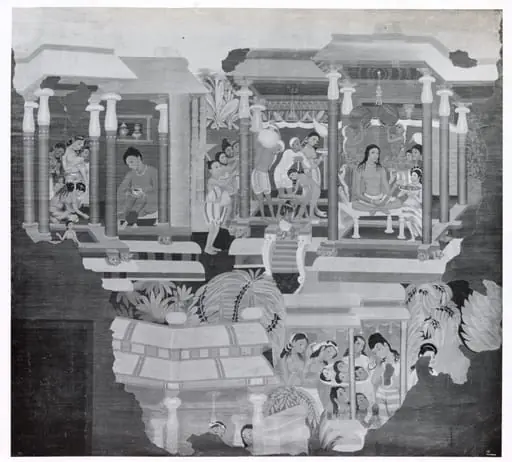 Copy of painting inside the caves of Ajanta (Cave 1)
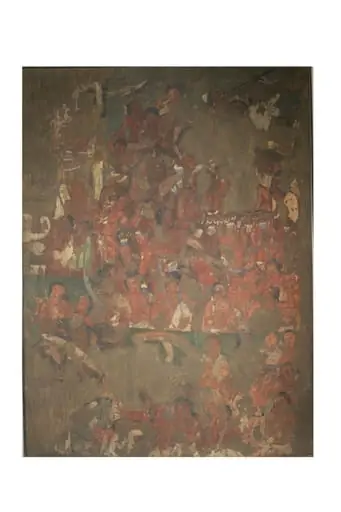 Untitled
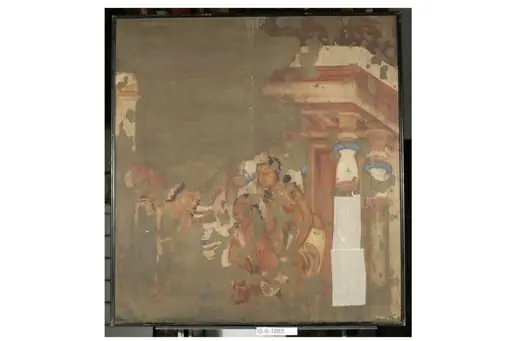 Copy of painting inside the caves of Ajanta (Cave 1)
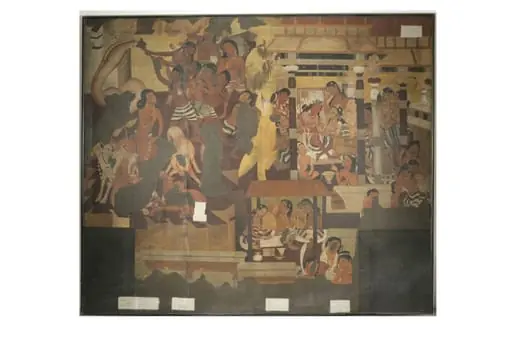 Copy of painting inside the caves of Ajanta (cave 1)
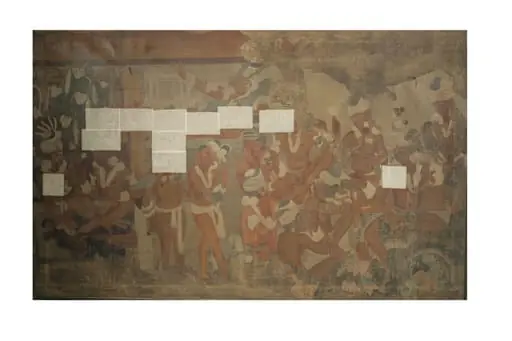 Copy of painting inside the caves of Ajanta (Cave 1)
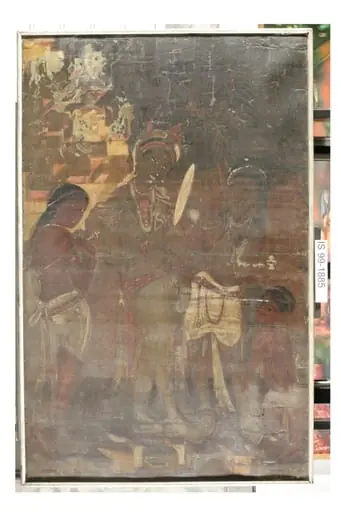 Copy of painting inside the caves of Ajanta (cave 17)
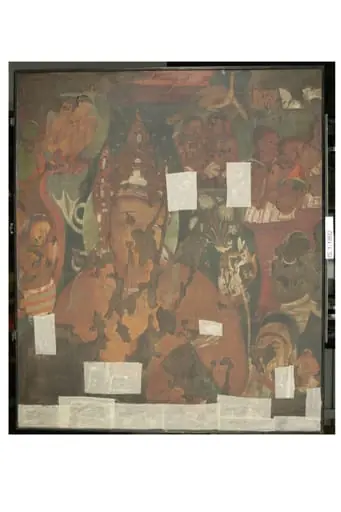 Copy of painting inside the caves of Ajanta (cave 11)
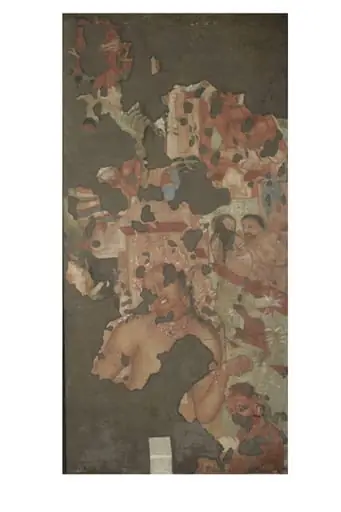 Copy of painting inside the caves of Ajanta (cave 9)
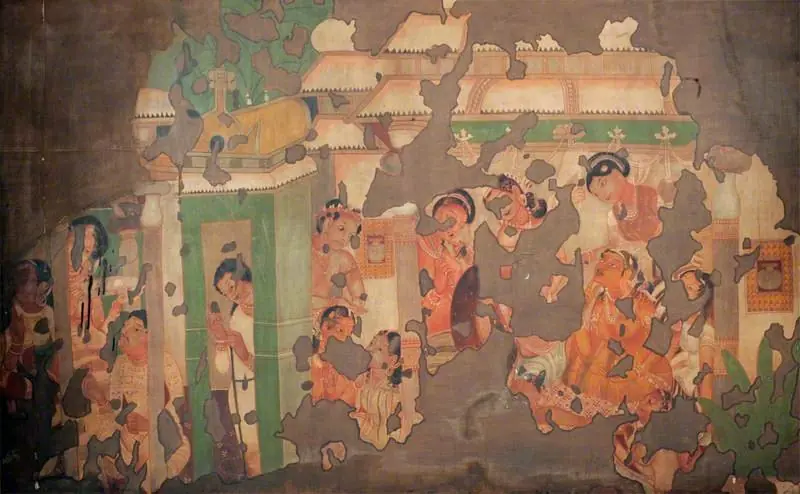 Copy of Painting inside the Caves of Ajanta (cave 1)