Artwork
Copy of painting in the caves of Ajanta (cave 6)
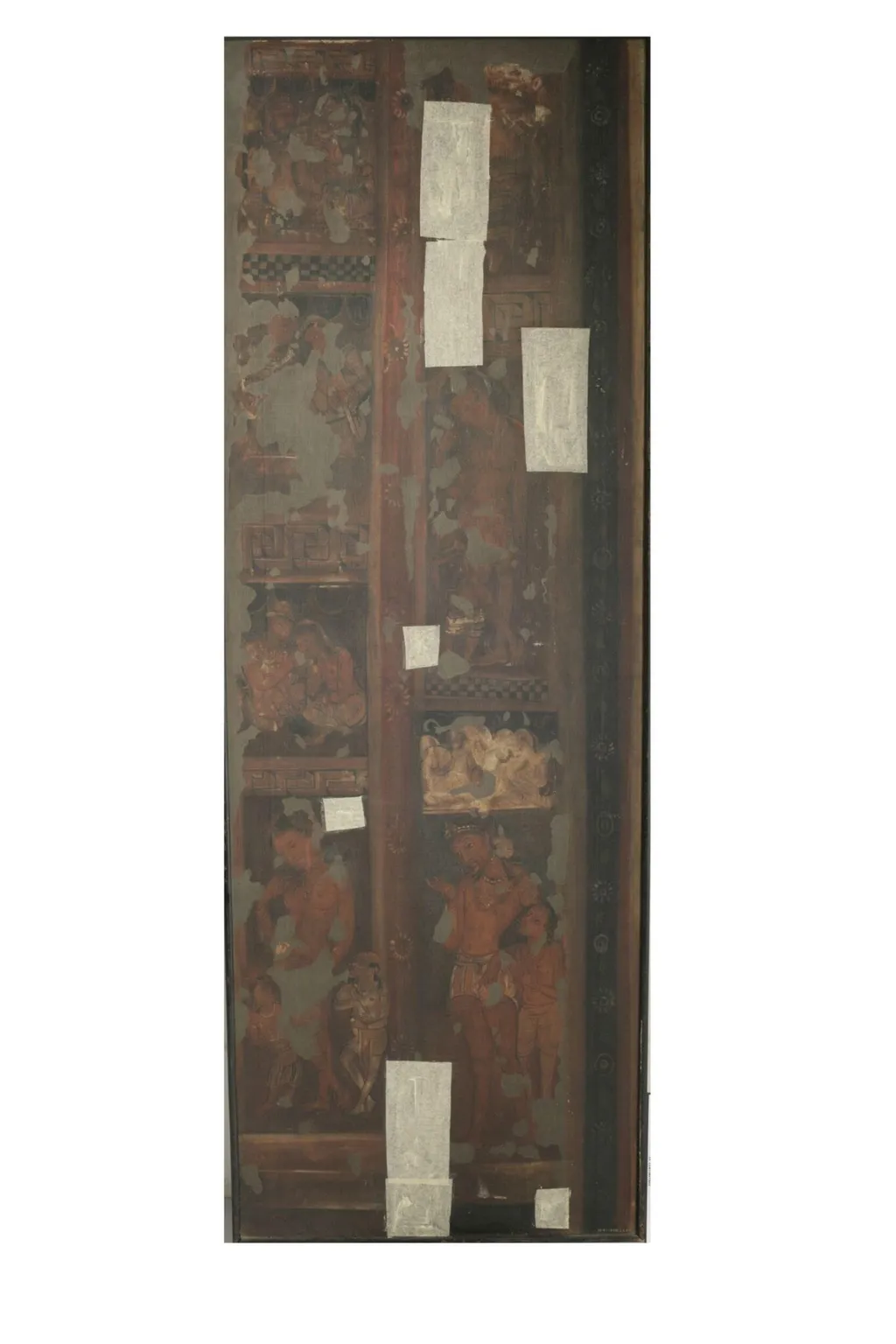
Copy of painting in the caves of Ajanta (cave 6) is an oil painting by the British Romanticist artist John Griffiths. It dates from 1878 and is held in the collection of the Victoria and Albert Museum. This oil work is a nineteenth‑century replica of a mural from Cave 6 at the Ajanta rock‑cut complex in western India.
About this work
This painting feels close to Impressionism, with loose brushwork and light colors.
John Griffiths painted a copy of an ancient Ajanta cave painting in oil. His work shows Buddha’s life scenes in bright, soft colors. The originals are 2,000 years old but still vivid.
Many artists tried to copy Ajanta’s murals after they were found in 1819. A fire destroyed earlier copies, so Griffiths finished the job in the 1870s.
This painting feels close to Impressionism, with loose brushwork and light colors. See how the figures almost blend into the background.
Impressionism
Overview
This oil work is a nineteenth‑century replica of a mural from Cave 6 at the Ajanta rock‑cut complex in western India. The original frescoes, dating from roughly the 1st century BC to the 5th century AD, illustrate episodes from the Buddha’s previous lives. The copy reproduces those narrative scenes in a palette of softened hues, preserving the composition of the ancient wall painting for contemporary viewers.
Subject & Meaning
The composition portrays several episodes from the Jataka tales, narratives that recount the Buddha’s moral deeds in previous incarnations. Each vignette presents a central figure—often the Buddha in a regal or ascetic pose—surrounded by attendant characters and symbolic motifs that convey ethical teachings. The visual program serves both devotional and didactic purposes, guiding viewers through the moral lessons embedded in the Buddhist tradition.
Technique & Style
Executed in oil on canvas, the copy employs a light, almost impressionistic brushstroke that softens the outlines of figures and merges them with the background. The color scheme favors pastel tones—pale blues, gentle ochres, and muted reds—mirroring the faded yet vivid quality of the original pigments. The approach balances fidelity to the source composition with a nineteenth‑century sensibility toward atmospheric rendering.
History & Provenance
After the Ajanta caves were rediscovered in 1819, early attempts to document the murals were lost when Major Robert Gill’s water‑colour copies burned in 1866. In response, the British artist John Griffiths, together with seven Indian apprentices, spent thirteen winters from 1872 onward reproducing the wall paintings. Approximately three hundred such copies were produced; the present work is one of those, reflecting the collaborative effort to preserve the visual record.
Context
The Ajanta murals represent the oldest surviving Indian painted tradition, illustrating Buddhist narratives in a sophisticated visual language. Their creation coincided with the flourishing of Mahayana Buddhism along trade routes linking the Indian subcontinent with Central Asia. The nineteenth‑century copies emerged during a period of heightened European interest in Oriental art, serving both scholarly documentation and the aesthetic tastes of colonial patrons.
Artist & collection
Artist
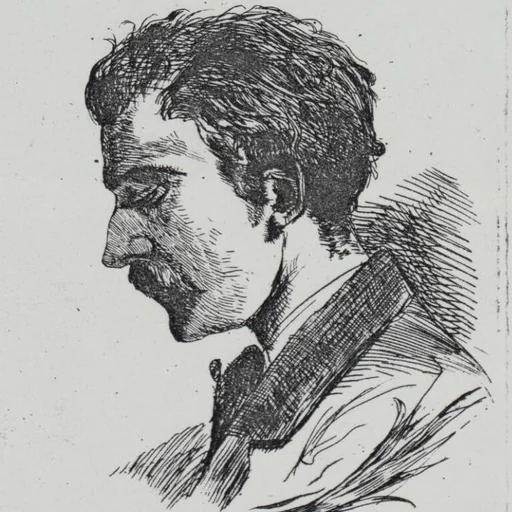
John Griffiths (29 November 1837 – 1 December 1918) was a Welsh artist who worked in India, noted for his Orientalist works.

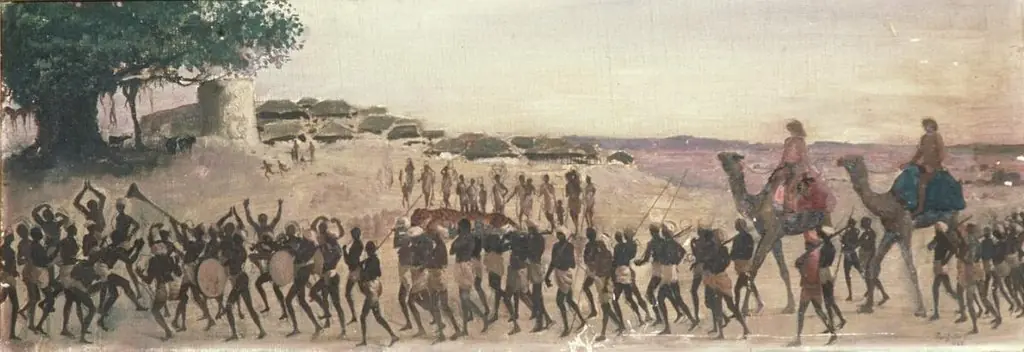 Tiger shooting in East Berar
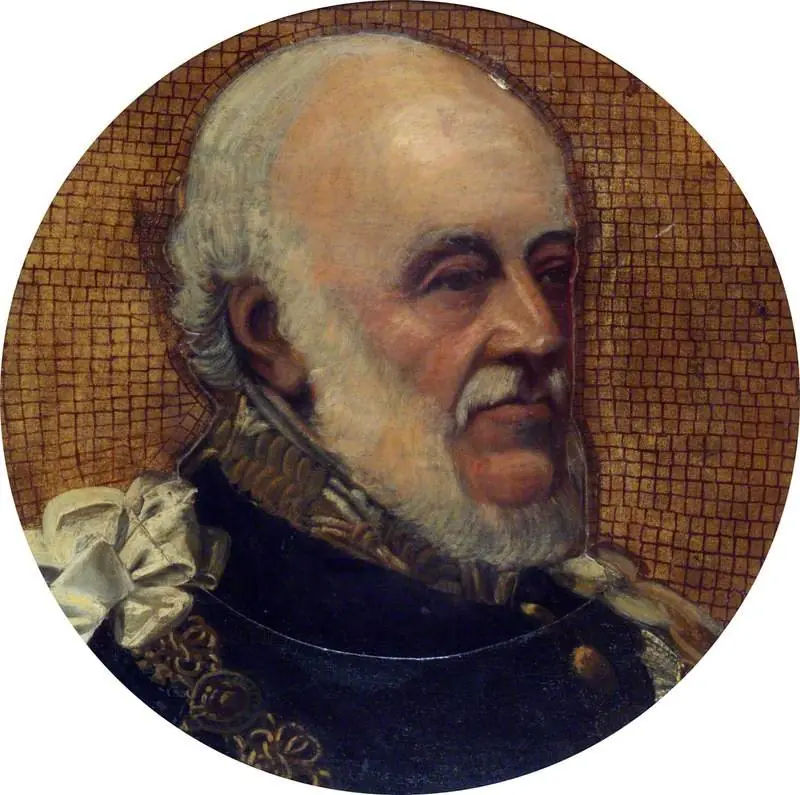 The Marquis of Salisbury (1791–1868)
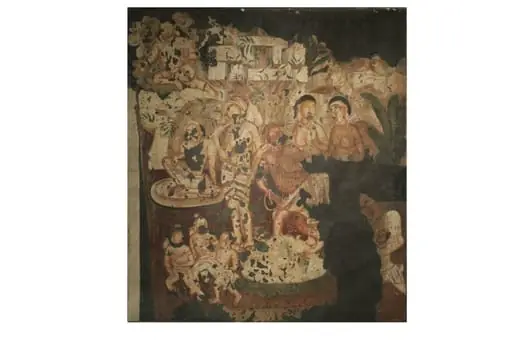 Copy of painting inside the caves of Ajanta (Cave 2)
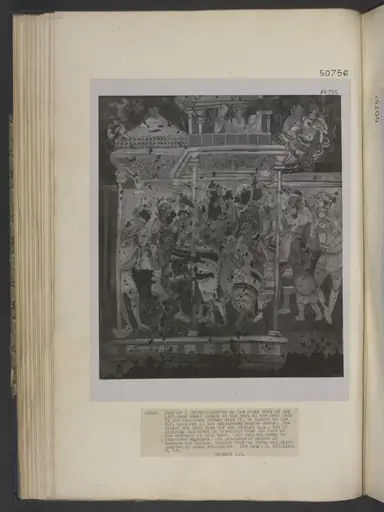 Copy of painting in the caves of Ajanta (cave 2)
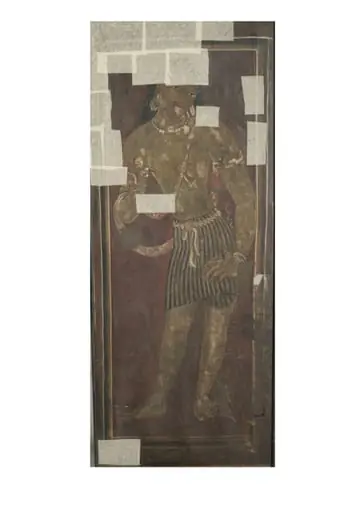 Copy of painting in the caves of Ajanta (cave 17)
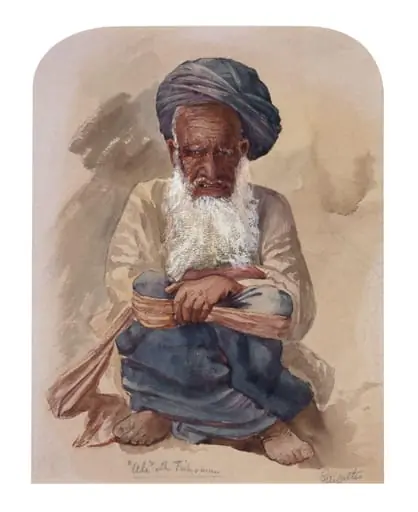 Ali the fisherman
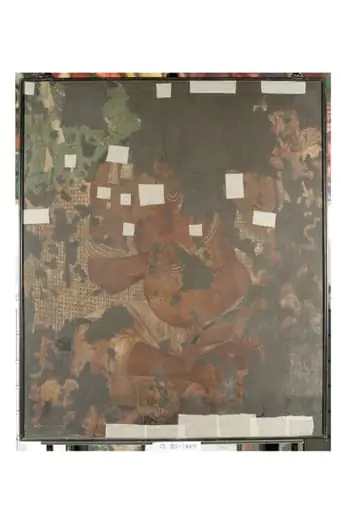 Copy of painting inside the caves of Ajanta (cave 16)
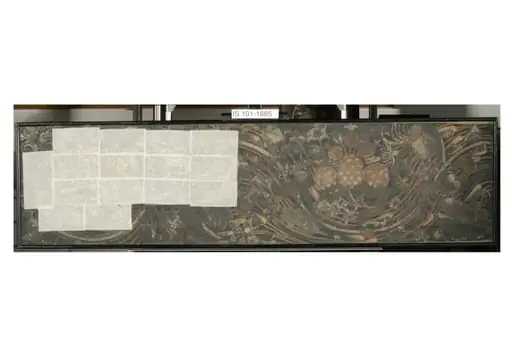 Copy of painting inside the caves of Ajanta (Cave 9)
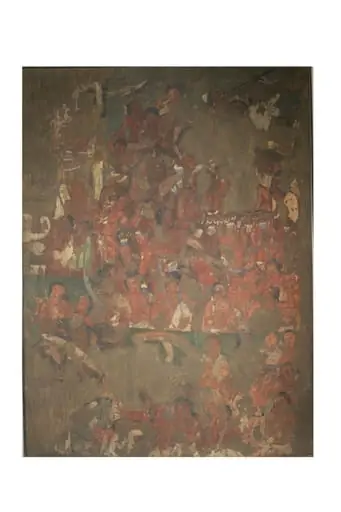 Untitled
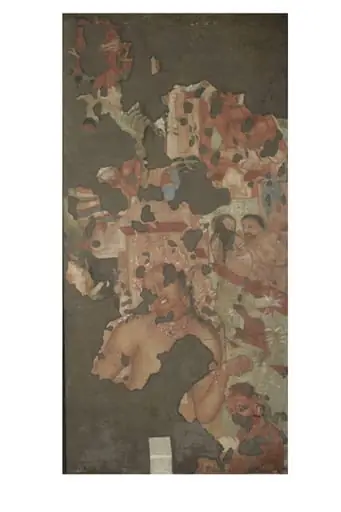 Copy of painting inside the caves of Ajanta (cave 9)
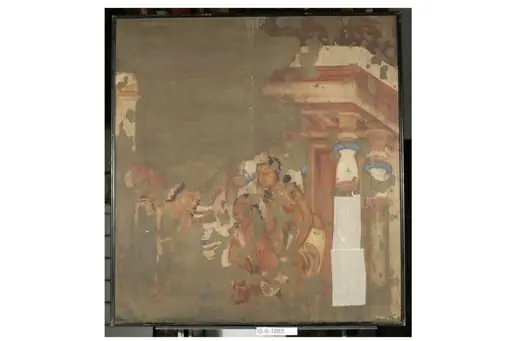 Copy of painting inside the caves of Ajanta (Cave 1)
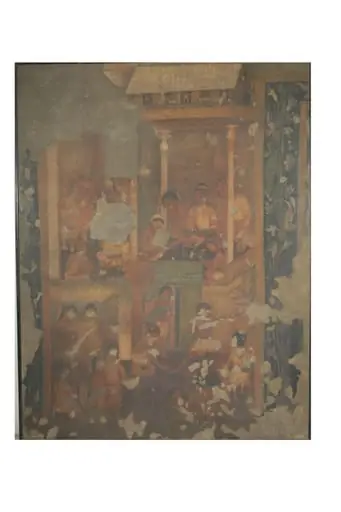 Copy of painting in the caves of Ajanta (cave 16)
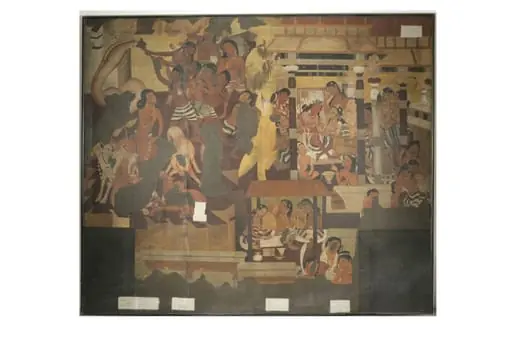 Copy of painting inside the caves of Ajanta (cave 1)
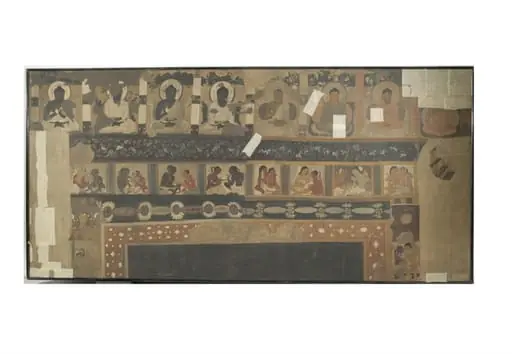 Copy of painting inside the Ajanta caves (cave 17)
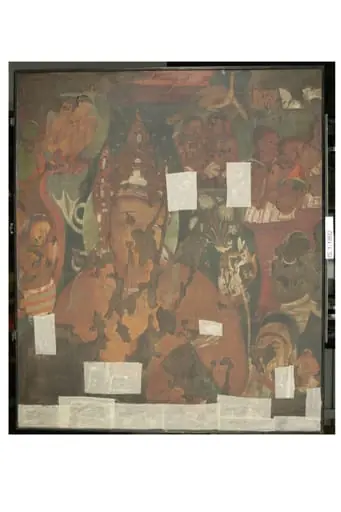 Copy of painting inside the caves of Ajanta (cave 11)
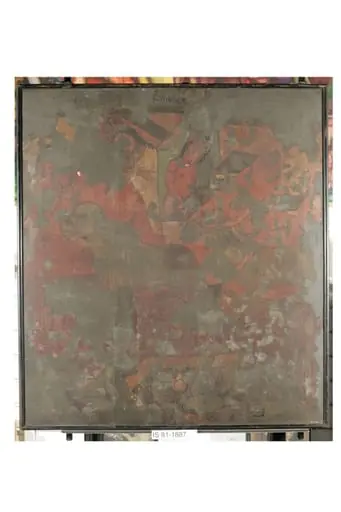 Copy of painting inside the caves of Ajanta (cave 16)
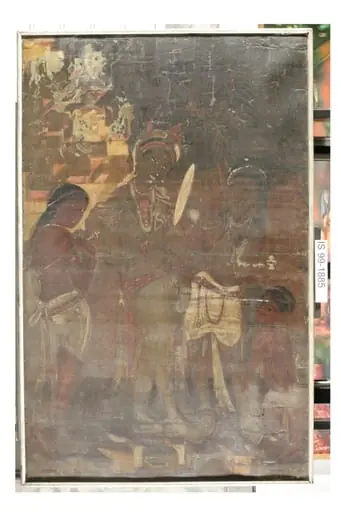 Copy of painting inside the caves of Ajanta (cave 17)
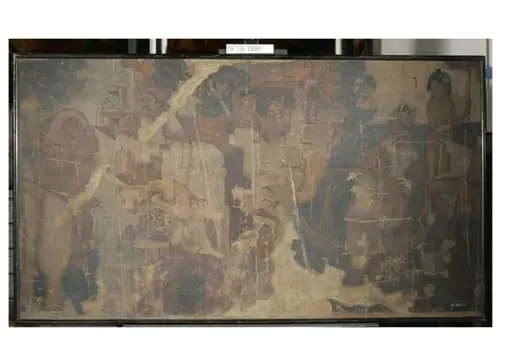 Copy of painting inside the Ajanta caves (cave 10)