Artwork
Copy of painting inside the Ajanta caves
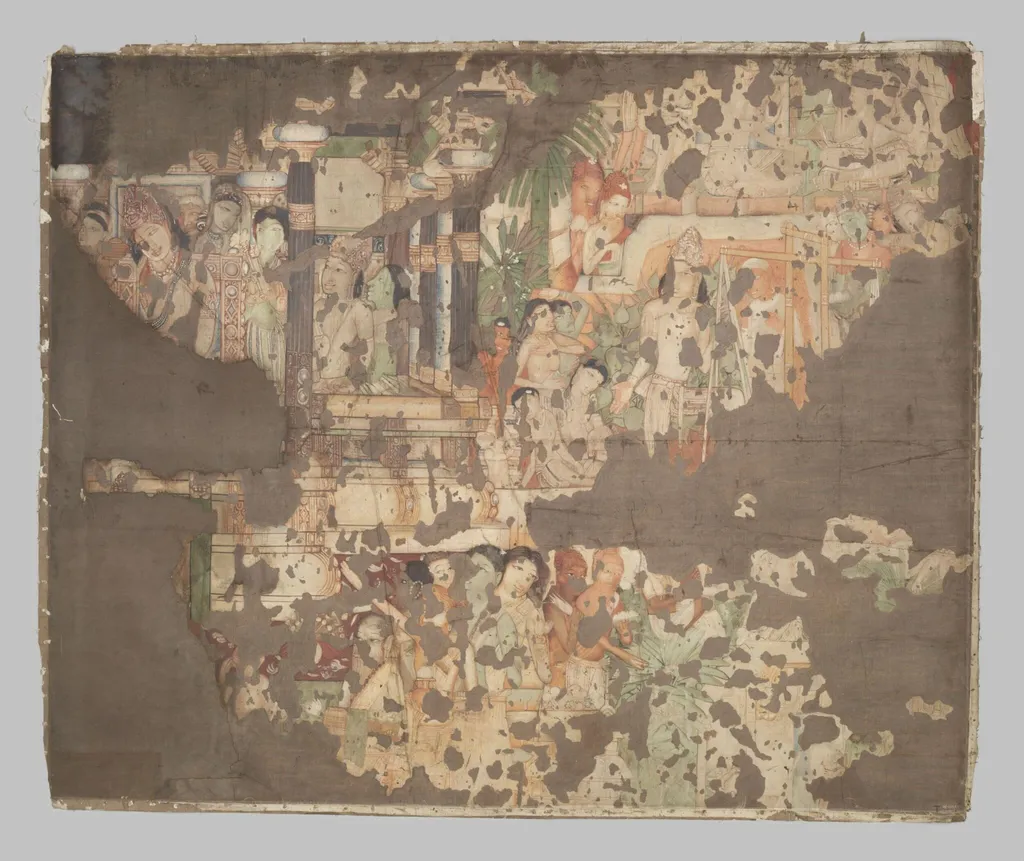
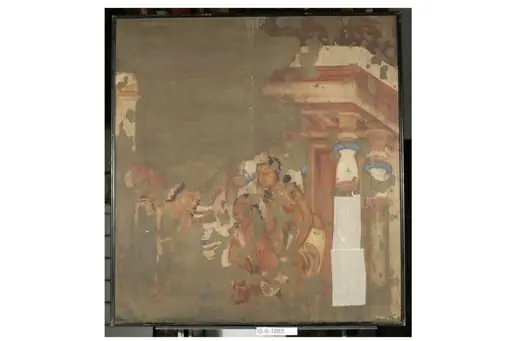
Copy of painting inside the Ajanta caves is an oil painting by the British Romanticist artist John Griffiths. It dates from 1878 and is held in the collection of the Victoria and Albert Museum.
About this work
Overview
This oil painting is a 19th-century copy of a ancient mural from Ajanta Caves, India, replicating a 1st century BC to AD 480 Buddha scene in bright colors.
Subject & Meaning
The painting depicts a procession of Buddhas, including the six past Buddhas, Sakyamuni (the historical Buddha), and the future Buddha Maitreya, identifiable by the trees under which they sit.
Technique & Style
Executed by John Griffiths and Indian students, the oil painting mimics the worn edges of the original cave mural, with visible brushstrokes; white patches indicate areas requiring conservation.
History & Provenance
Originally copied by Major Robert Gill (destroyed in 1866), this version was created between 1872-1885 by Griffiths and team as part of a 300-painting project to document Ajanta's fading art.
Context
The original mural is located above the entrance of Ajanta's Cave 17, part of a site discovered in 1819 with paintings dating back over 2,000 years, which were rapidly deteriorating by the time of copying.
Legacy
This painting serves as a preservation of the fragile ancient Ajanta cave art, contributing to the historical record of India's oldest surviving paintings.
Artist & collection
Artist
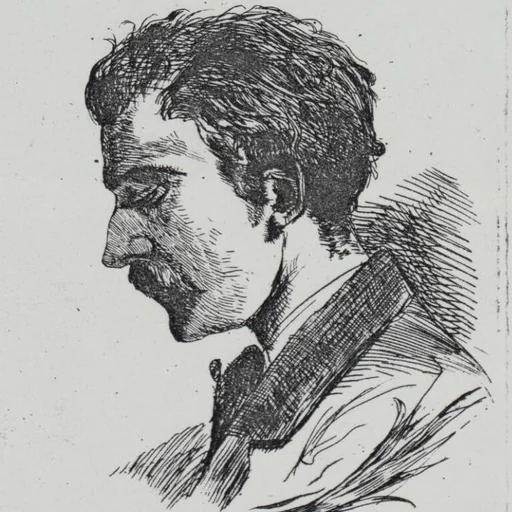
John Griffiths (29 November 1837 – 1 December 1918) was a Welsh artist who worked in India, noted for his Orientalist works.

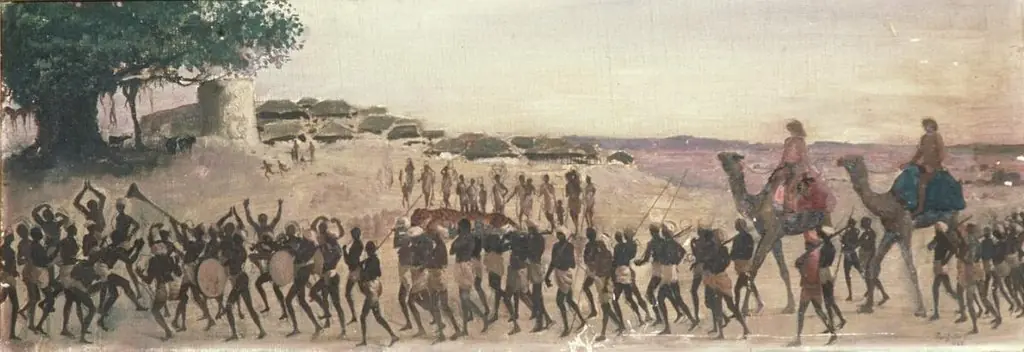 Tiger shooting in East Berar
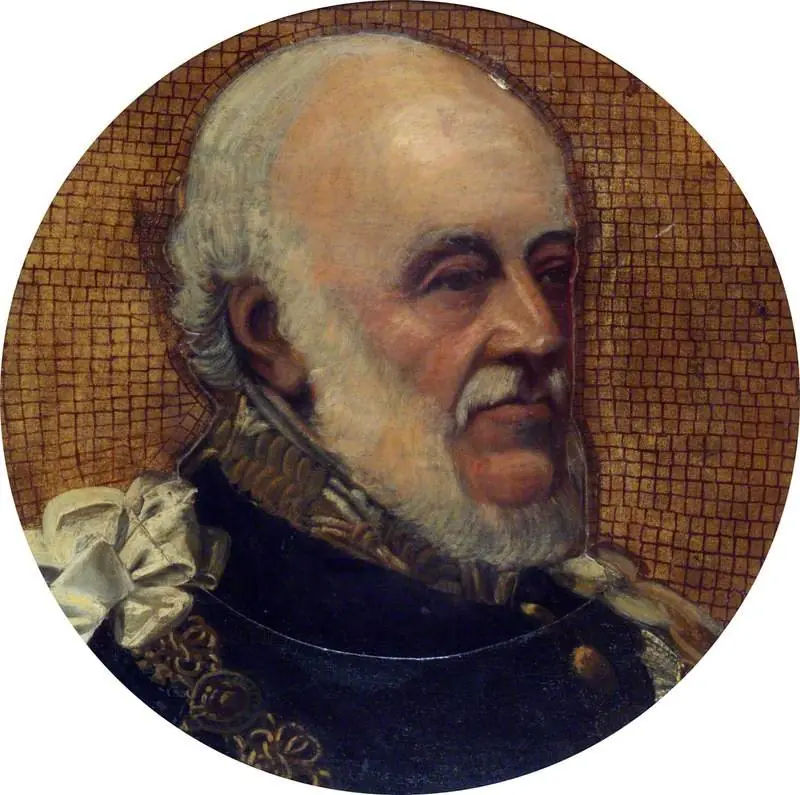 The Marquis of Salisbury (1791–1868)
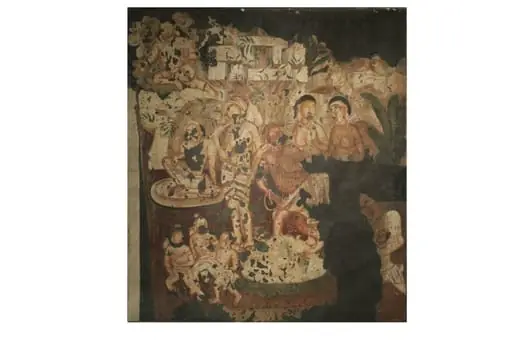 Copy of painting inside the caves of Ajanta (Cave 2)
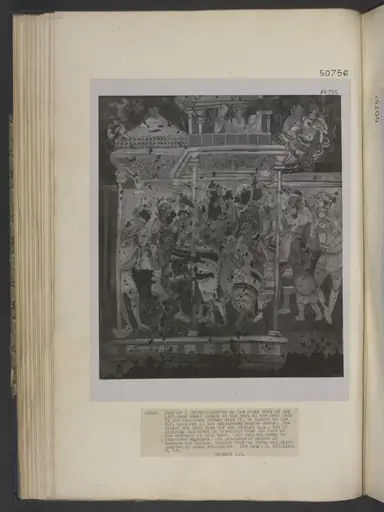 Copy of painting in the caves of Ajanta (cave 2)
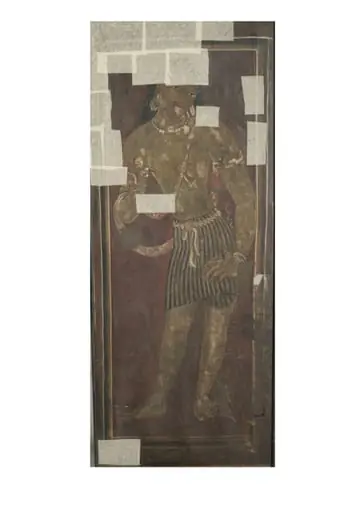 Copy of painting in the caves of Ajanta (cave 17)
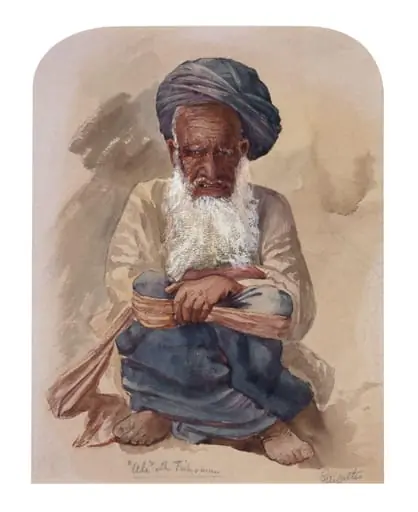 Ali the fisherman
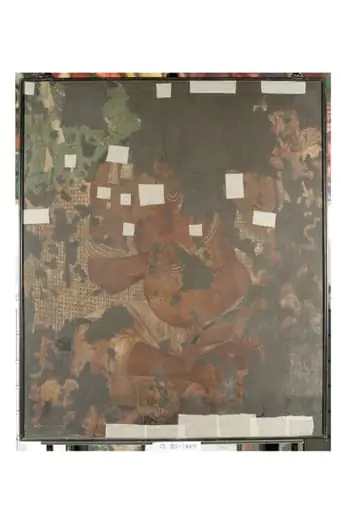 Copy of painting inside the caves of Ajanta (cave 16)
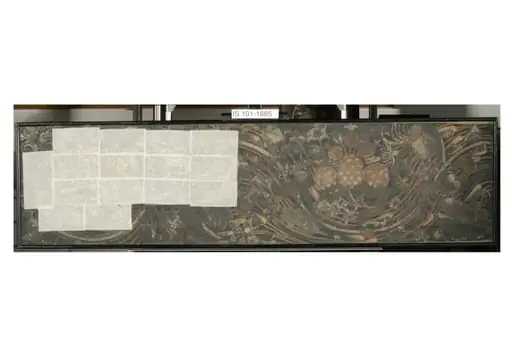 Copy of painting inside the caves of Ajanta (Cave 9)
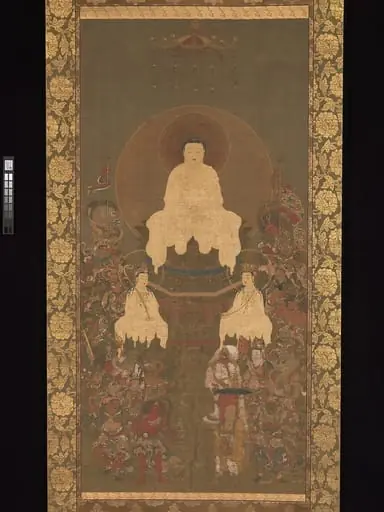 釈迦三尊十六善神像|Shaka (Shakyamuni), the Historical Buddha, with Two Attendant Bodhisattvas and Sixteen Benevolent Deities
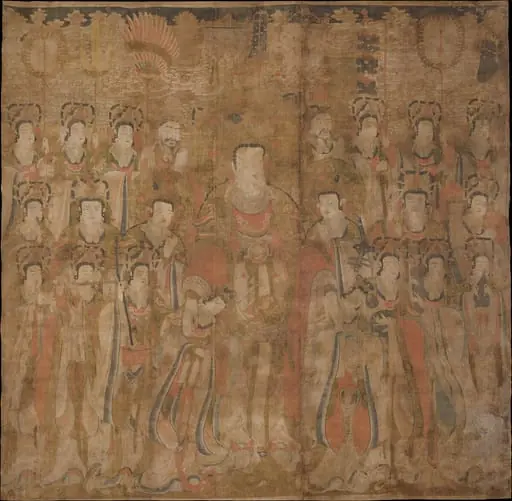 작자미상 범천왕을 중심으로 한 신중도 조선|作者未詳 神衆圖 朝鮮|Brahma with Attendants and Musicians
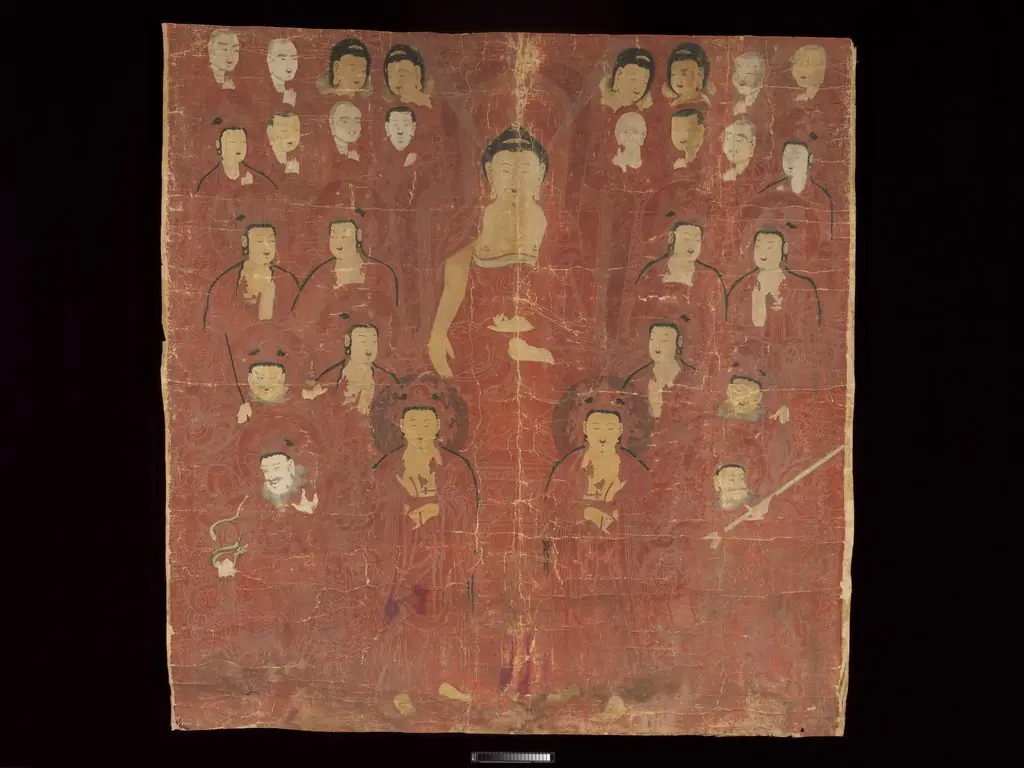 Vulture Peak Assembly
 Untitled
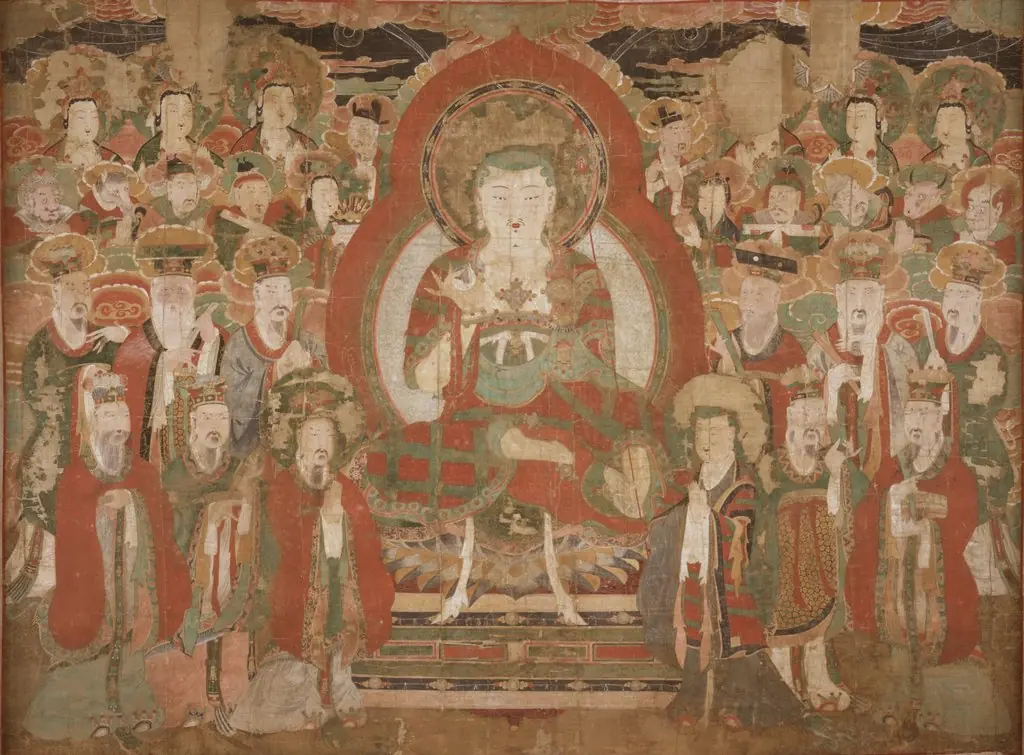 Ksitigarbha as Supreme Lord of the Underworld
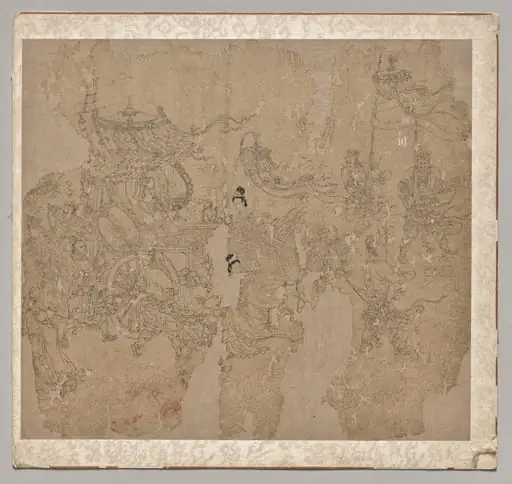 Album of Daoist and Buddhist Themes: Procession of Daoist Deities: Leaf 3
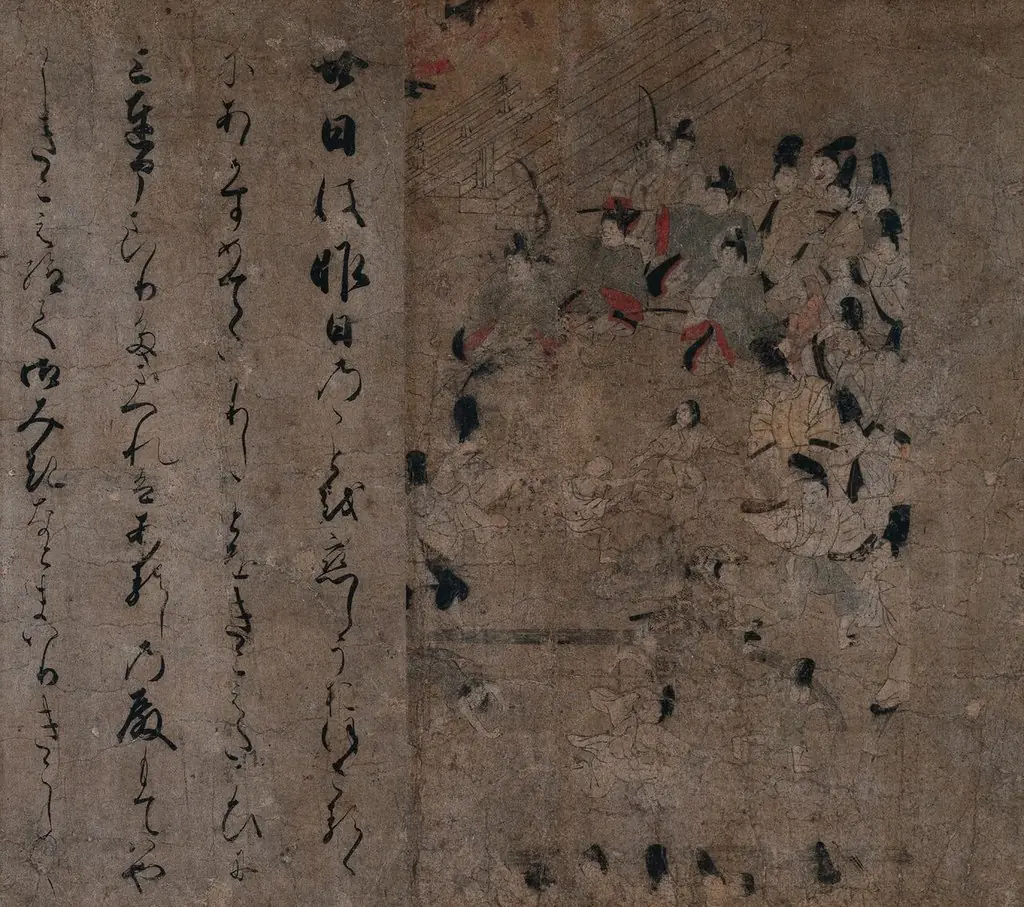 The Emperor's Attendance at the Horse Race: Episode from the Tale of Eiga (Eiga Monogatari)
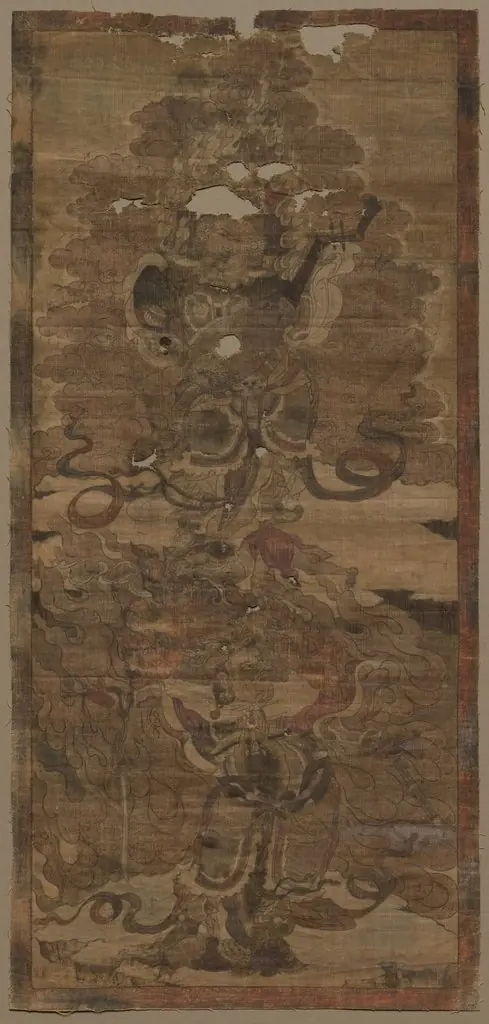 Guardian Kings: Dhrtarastra and Virupaksa
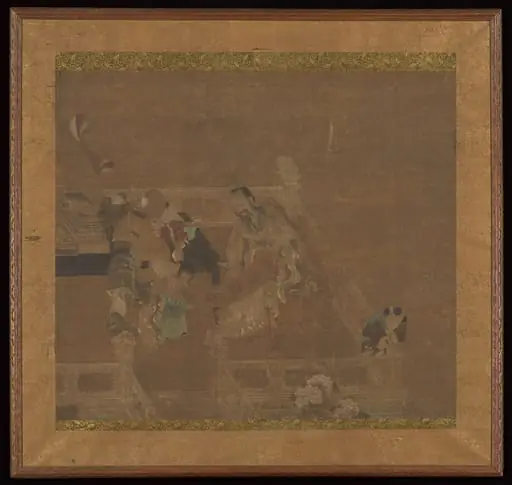 Untitled
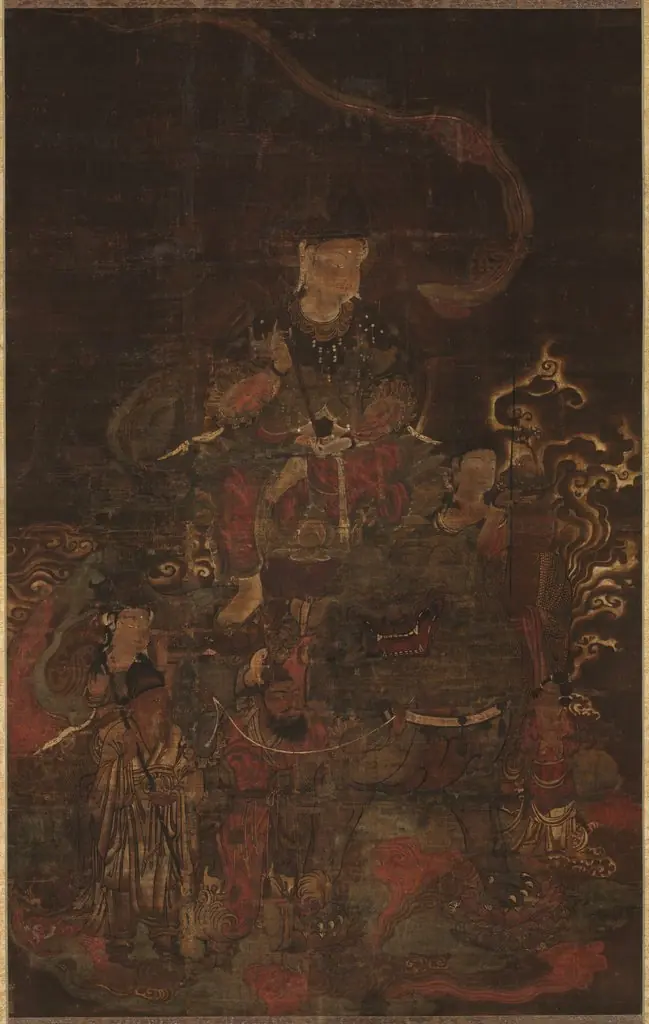 Monju Riding Lion with Attendants
 Lohans
 Copy of painting inside the caves of Ajanta (Cave 1)