Artwork
Portul Tulcea
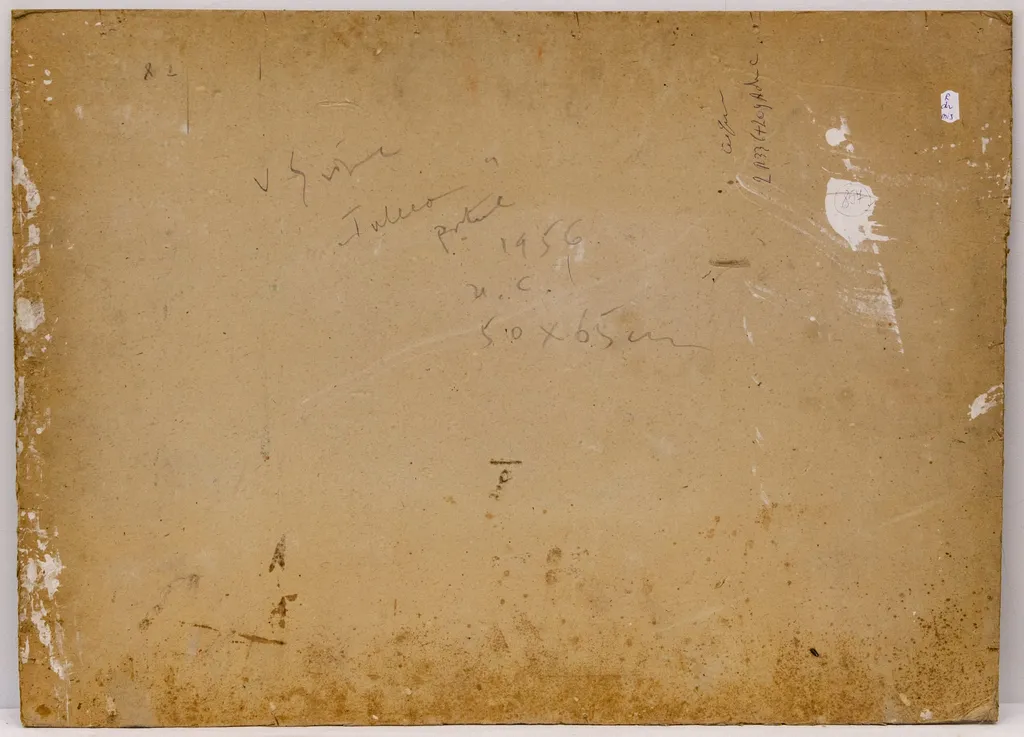
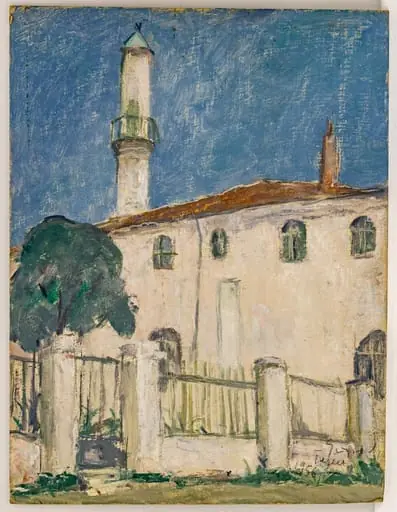
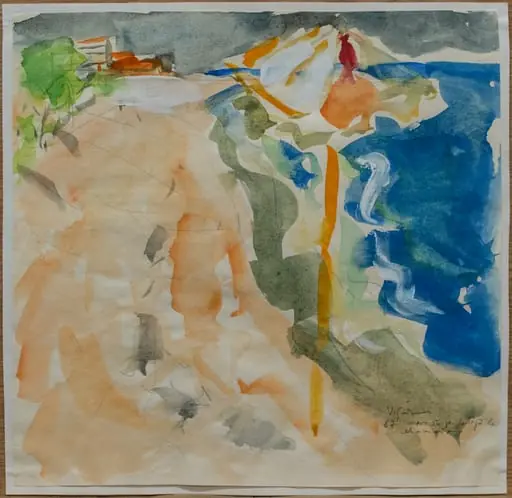
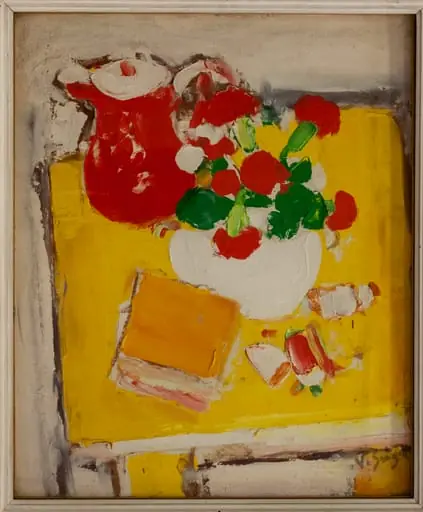
Portul Tulcea is a print by Grigore Vasile. It dates from 1983 and is held in the collection of the Gavrila Simion Eco-Museum Research Institute Tulcea.
About this work
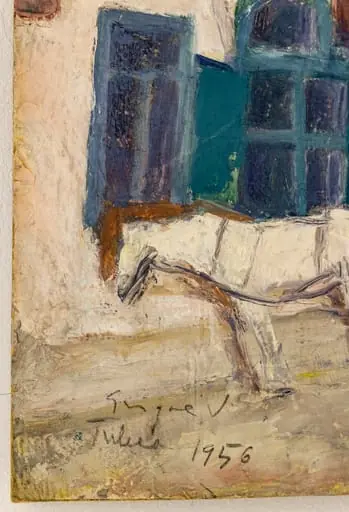
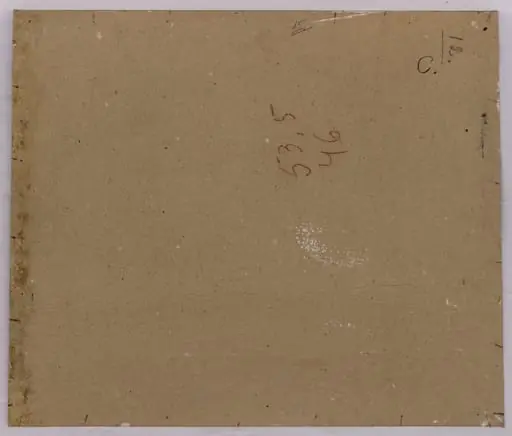
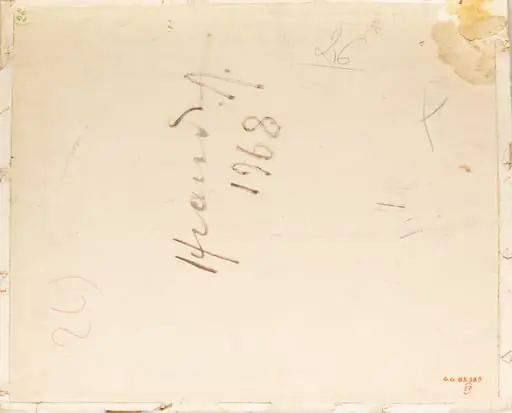
Upon closer inspection, the handwritten notes seem to be a mix of words and numbers, possibly indicating the title and date of the artwork.
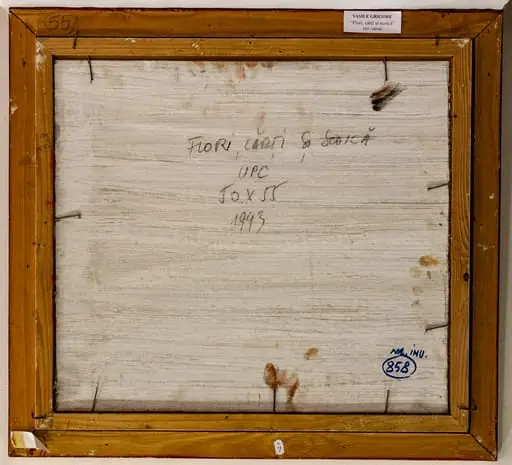
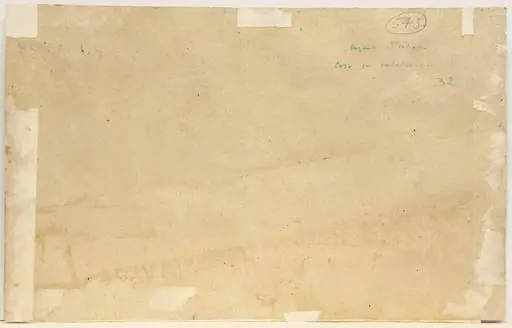
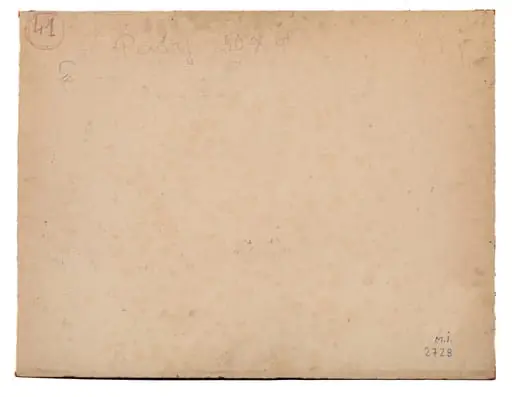
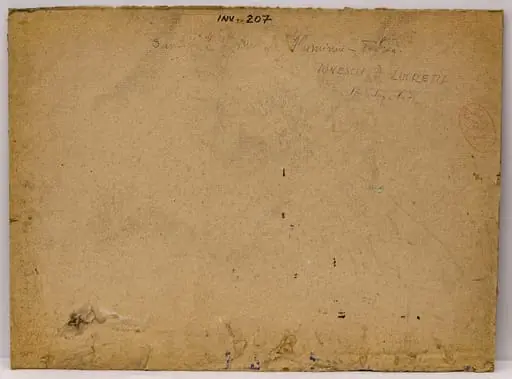
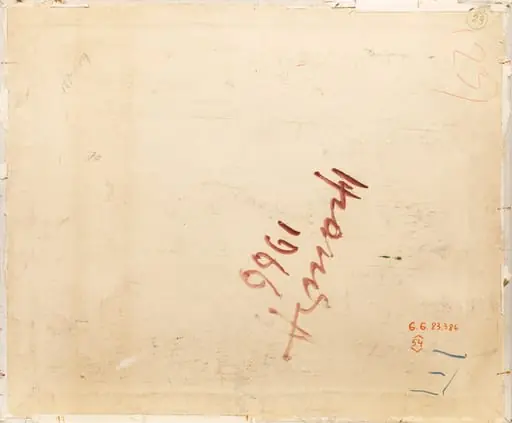
The image shows a piece of cardboard with a brown surface, featuring handwritten notes and marks in black ink. The text is written in a language that appears to be Romanian, with some words and numbers visible, including "Portul Tulcea" and "1956". The cardboard also displays various stains and marks, giving it a worn and aged appearance.
Upon closer inspection, the handwritten notes seem to be a mix of words and numbers, possibly indicating the title and date of the artwork. The stains and marks on the cardboard add a sense of texture and depth to the image.
If you're interested in learning more about the artist behind this piece, you might want to look up Grigore Vasile.
Overview
Portul Tulcea is a small, hand-marked cardboard object created around 1983 by Romanian artist Grigore Vasile. It is part of the collection at the Museum of Ethnography. The surface bears handwritten inscriptions in Romanian, including the title and the year 1956, alongside smudges, stains, and inked notations. Its modest material and unpolished appearance suggest it was not made as a traditional artwork but as a personal or documentary artifact.
Subject & Meaning
The title 'Portul Tulcea' refers to the port city of Tulcea on the Danube River, a key location in Romania’s riverine trade and transport networks. The handwritten notes and dates may reflect personal records, logistical data, or memories tied to the place. The work functions less as a depiction and more as a physical trace of lived experience, linking the artist to a specific geographic and cultural context through direct, unmediated notation.
Technique & Style
The piece is executed in black ink on a weathered cardboard substrate, with no use of paint or formal drawing tools. The handwriting is informal, uneven, and layered, with overlapping annotations and physical damage such as creases and stains. This raw, unrefined approach emphasizes materiality over aesthetics, aligning the work with practices that value authenticity and process over polished presentation.
History & Provenance
The object was likely produced by Grigore Vasile in the early 1980s, though it references 1956, possibly indicating a personal or historical moment tied to that year. It entered the Museum of Ethnography’s collection as part of a broader effort to preserve everyday cultural artifacts. Its journey from private use to institutional preservation suggests it was recognized as a meaningful relic of ordinary life under specific socio-political conditions.
Context
Created during Romania’s communist era, the work reflects a time when personal documentation often carried subtle resistance or quiet commemoration. Tulcea, as a Danube port, was a hub of movement and exchange, yet under state control. Vasile’s handwritten record may represent an individual’s attempt to anchor memory against institutional erasure, making the object a quiet testament to everyday resilience.
Legacy
Portul Tulcea endures not as a celebrated artwork but as a fragment of personal history preserved within a museum context. It contributes to a growing recognition of non-traditional materials and informal mark-making as valid cultural records. Its presence in the Museum of Ethnography affirms the value of mundane objects in understanding lived experience beyond official narratives.
Artist & collection
Museum
Gavrila Simion Eco-Museum Research Institute Tulcea
Continue through works from the same source collection.