Artwork
Knightwick Manor
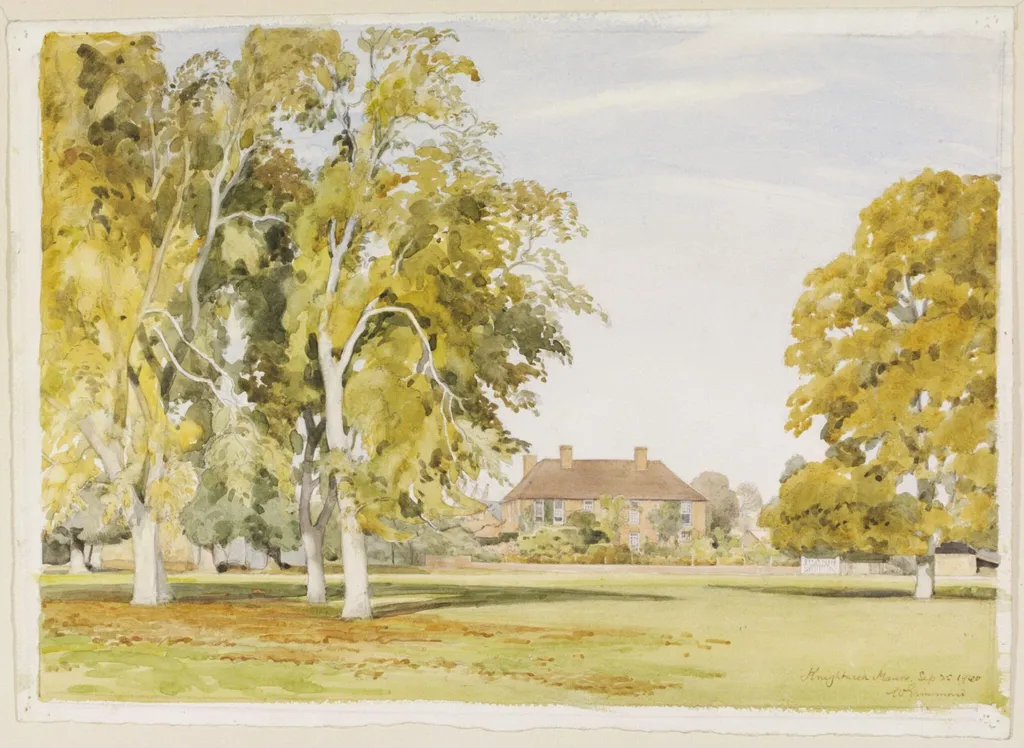
Knightwick Manor is a watercolor work on paper by William Grimmond. It dates from 25 and is held in the collection of the Victoria and Albert Museum.
About this work
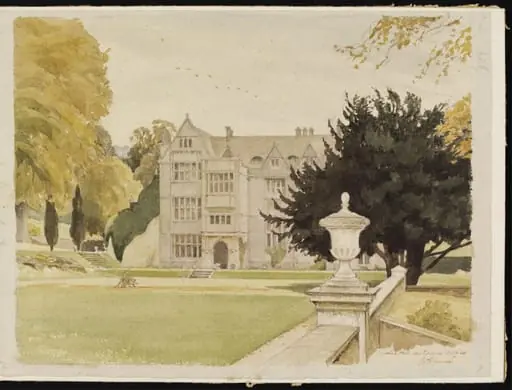
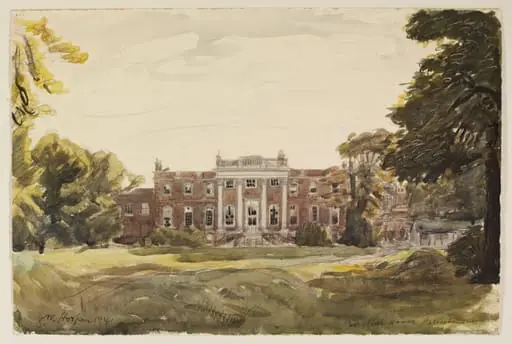
This painting shows a quiet scene of a large house in the distance, surrounded by tall trees with yellow-green leaves.
This painting shows a quiet scene of a large house in the distance, surrounded by tall trees with yellow-green leaves. The trees are in the foreground, their trunks thin and branches spreading out. The grass below is a mix of green and brown, with a few scattered leaves on the ground.
The artist signed the bottom right corner with the date and title, *Knightwick Manor, Sep 25 1940*. The colors are soft and muted, giving the scene a calm, peaceful feel.
Next, check out the Victoria and Albert Museum to see more works like this.
Overview
Knightwick Manor is a watercolour painting by William Grimmond, completed in September 1940. It was made as part of the Recording Britain project, a government-supported initiative to preserve visual records of the British landscape during wartime. The work is one of more than 1,500 topographical images created by 97 artists under the auspices of the Pilgrim Trust and the Committee for the Employment of Artists in Wartime.
Subject & Meaning
The painting depicts Knightwick Manor, a country house seen from a distance, framed by tall, leafy trees in the foreground. The composition emphasizes quiet solitude, with no human figures or signs of activity. The choice of subject reflects the project’s aim to capture rural scenes vulnerable to change or destruction during the war, preserving a sense of place that felt increasingly fragile.
Technique & Style
Grimmond employed soft, muted watercolour washes to convey a tranquil atmosphere. The trees, rendered with delicate brushwork, dominate the foreground, their thin trunks and spreading branches framing the distant manor. The ground is textured with subtle blends of green and brown, scattered with fallen leaves. The signature and date in the lower right confirm the work’s immediacy and precise timing within the project’s timeline.
History & Provenance
The painting entered the Recording Britain collection shortly after its completion and remains part of that archive, now held by the Victoria and Albert Museum. The project’s records indicate it was acquired directly from the artist under the wartime employment scheme. Its preservation reflects the initiative’s success in safeguarding works that might otherwise have been lost or dispersed during the conflict.
Context
Created during the early years of World War II, the painting emerged from a national effort to document landscapes and architecture at risk from bombing, neglect, or modern development. Artists like Grimmond were commissioned to record scenes of rural England, not as propaganda, but as cultural testimony—capturing the quiet endurance of the countryside amid national upheaval.
Legacy
Knightwick Manor contributes to a broader visual archive that continues to inform historical and environmental studies of mid-20th-century Britain. The Recording Britain collection, now a key resource for scholars, preserves not only architectural forms but also the emotional tone of a nation observing its own landscape with heightened awareness during a time of uncertainty.
Artist & collection
Artist
English watercolourist who painted Worcestershire landscapes in 1940. His brush captured riverside scenes like The Teme at Knightwick and Knightwick Mill, along with half-timbered houses such as Elmley Castle and local…

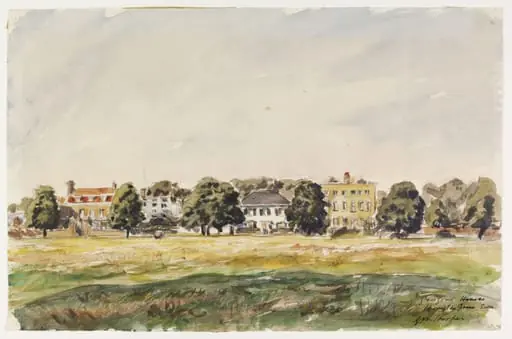 Georgian Houses, Hampton Green
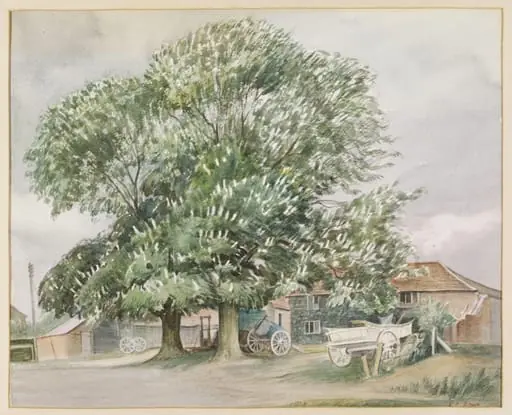 Stream Acre, Holybourne, Alton
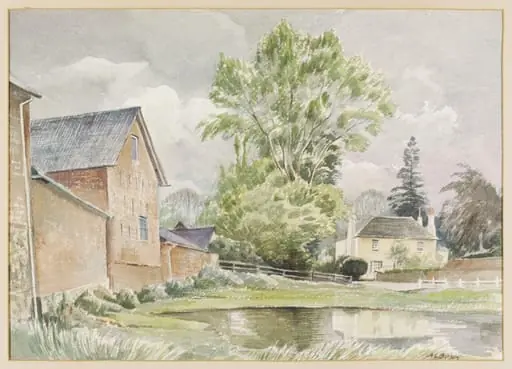 Bentworth, Near Alton
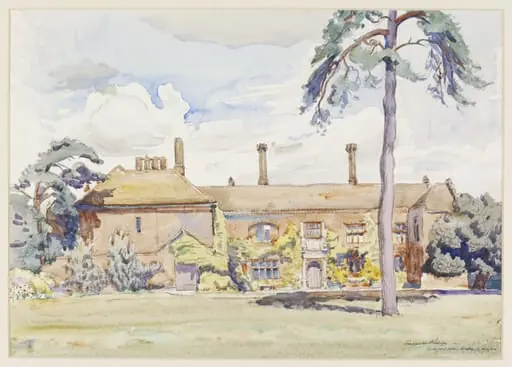 Seckford Hall, Bealings Magna (Garden Front)
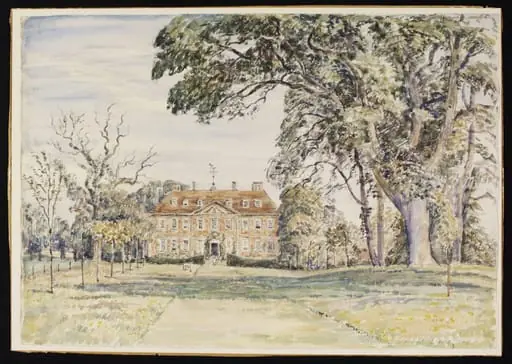 Ramsbury Manor; Distant View
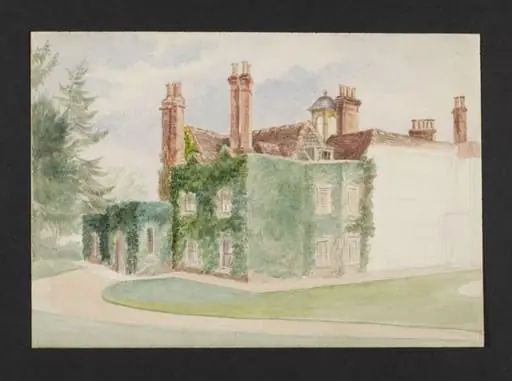 Untitled
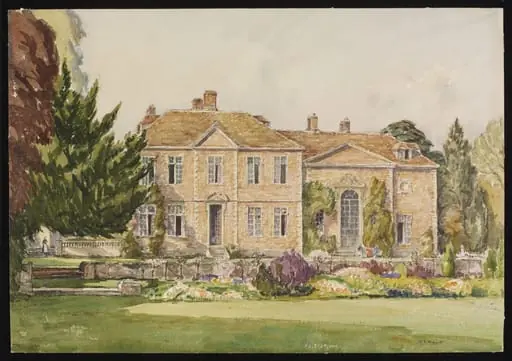 Heale House, Woodford
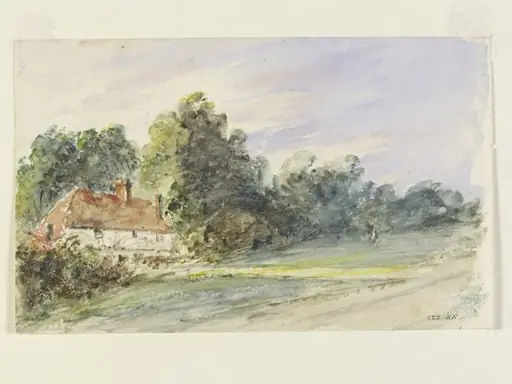 A cottage with a red-tiled roof, by a wood
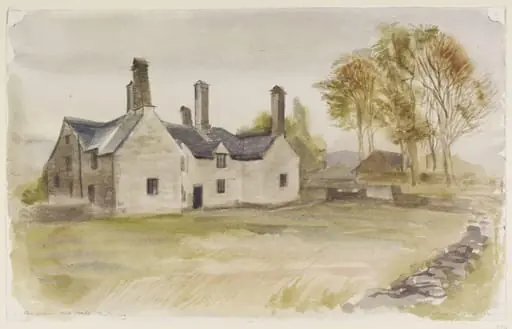 Pengwern Old Hall, Festiniog, Merionethshire
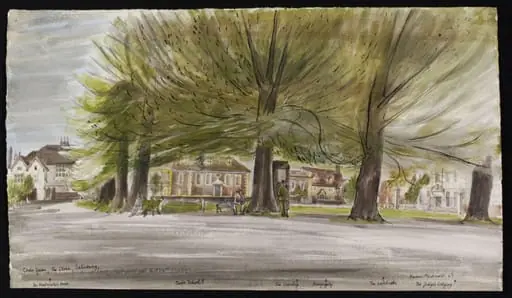 Choir Green, The Close, Salisbury
 Sudbrooke House, Petersham
 Ramsbury Manor