Artwork
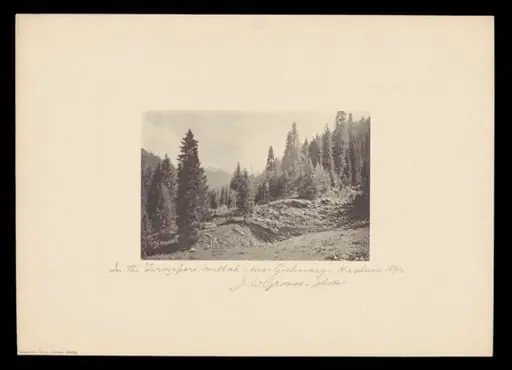
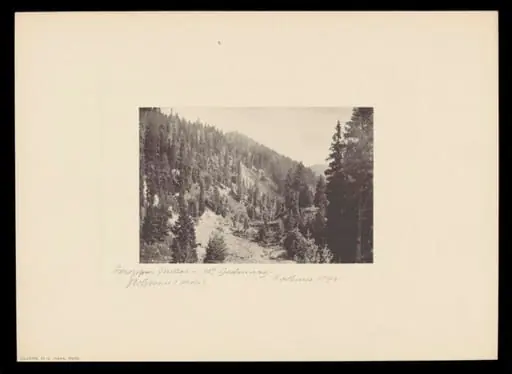
Looking towards Tauin from Pahalgam, Lidder Valley, Kashmir
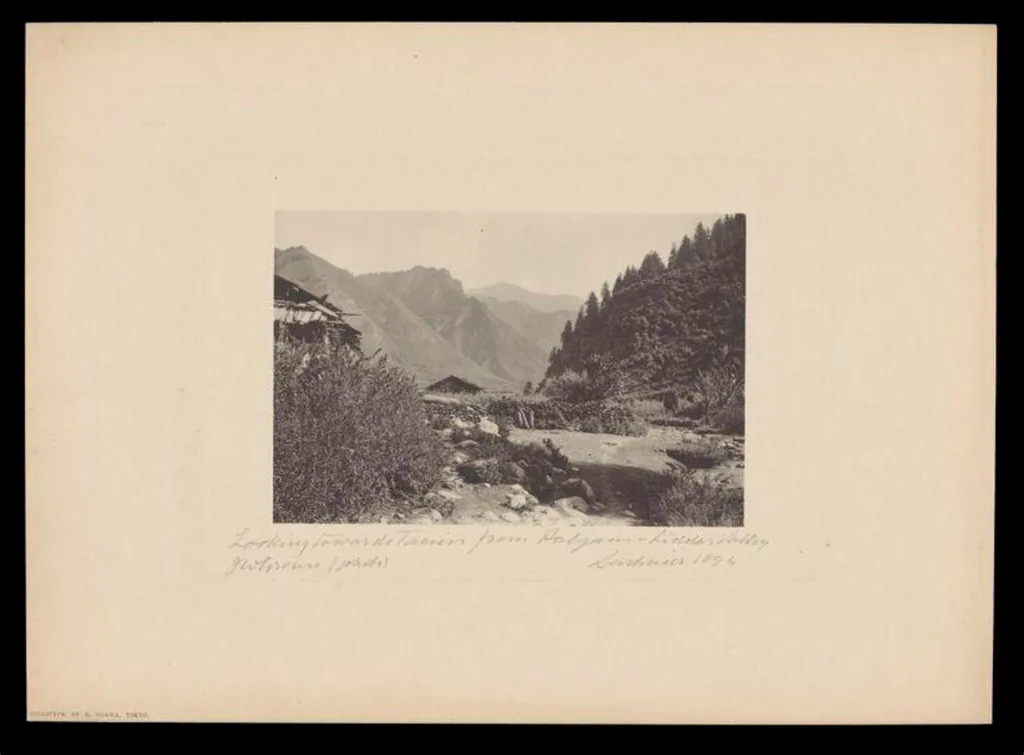
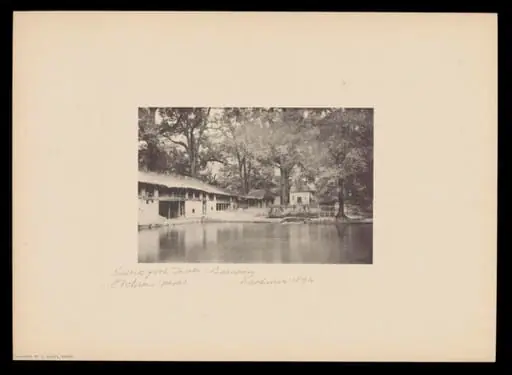
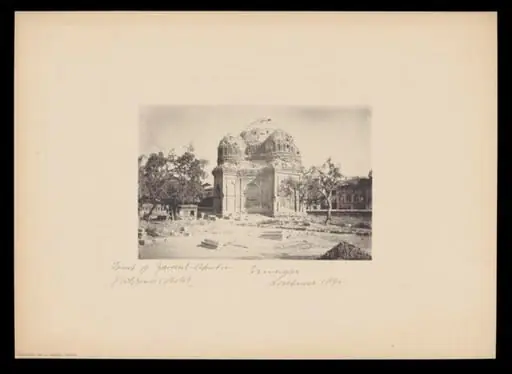
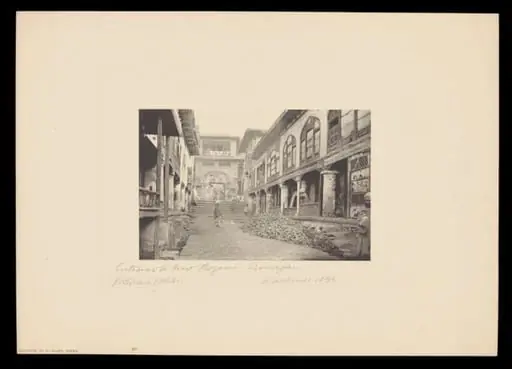
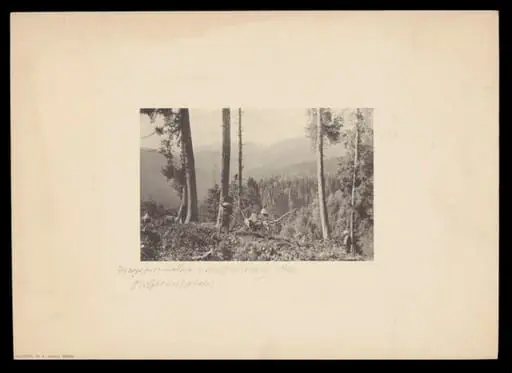
Looking towards Tauin from Pahalgam, Lidder Valley, Kashmir is a photographic photography by the Impressionist artist J.W. Groves. It dates from 1894 and is held in the collection of the Victoria and Albert Museum. The image is a black‑and‑white photograph taken in 1894 that records a tranquil valley in the Kashmir region.
About this work
A small stream cuts through rocks in the center, with bushes and trees on either side.
This is a black-and-white photo of a mountain valley. A small stream cuts through rocks in the center, with bushes and trees on either side. In the distance, steep hills rise up, covered in dense forest. A few small buildings peek out from the greenery near the water.
The photo was taken in 1894, showing a quiet, rural scene in Kashmir. The artist focused on natural light and shadow to create depth.
Look up the Victoria and Albert Museum next to see more works like this.
Overview
The image is a black‑and‑white photograph taken in 1894 that records a tranquil valley in the Kashmir region. Viewed from the town of Pahalgam and directed toward the settlement of Tauin, the picture captures a shallow watercourse edged by a low stone wall and a few modest structures. The composition extends outward to a forested hillside that rises steeply in the distance.
Subject & Meaning
The photograph presents a rural landscape where a narrow stream winds between rocks, flanked by scrub and trees. Small dwellings emerge from the greenery near the water’s edge, suggesting a modest human presence within an otherwise natural setting. The scene conveys a sense of quiet isolation, emphasizing the coexistence of habitation and the surrounding mountainous environment.
Technique & Style
Executed in monochrome, the photograph relies on the contrast of light and shadow to model the terrain. The photographer emphasizes tonal gradations to render depth, allowing the foreground water and stone wall to recede into the densely forested slopes. The absence of mounting indicates the work was likely intended for archival or documentary purposes rather than decorative display.
History & Provenance
Created in 1894, the photograph documents a specific moment in Kashmir’s visual record during the late‑nineteenth century. While the original photographer is not identified in the provided data, the image has been preserved as part of a collection that includes other contemporaneous works, reflecting the period’s interest in documenting remote landscapes for scholarly and colonial audiences.
Artist & collection
Artist
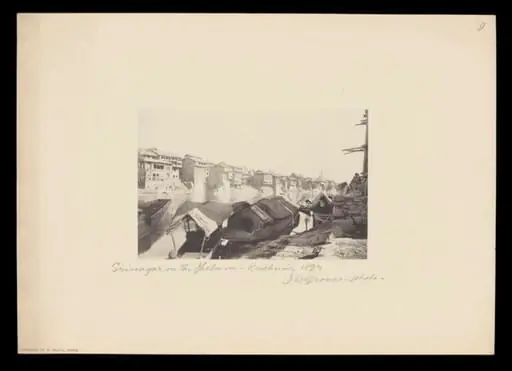
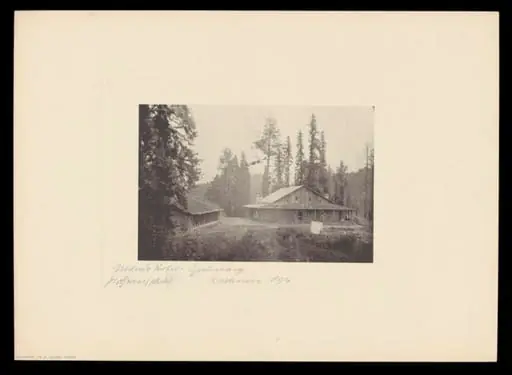
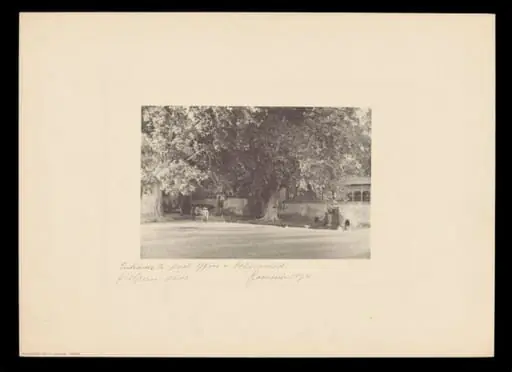
Photographer J.W. Groves captured Kashmir in the 1890s, leaving behind glass-plate prints of landmarks like Nedou’s Hotel in Gulmarg and the post office entrance in Islamabad. His lens framed scenes where locals and…