Artwork
The Madonna and Child with an Escaped Goldfinch
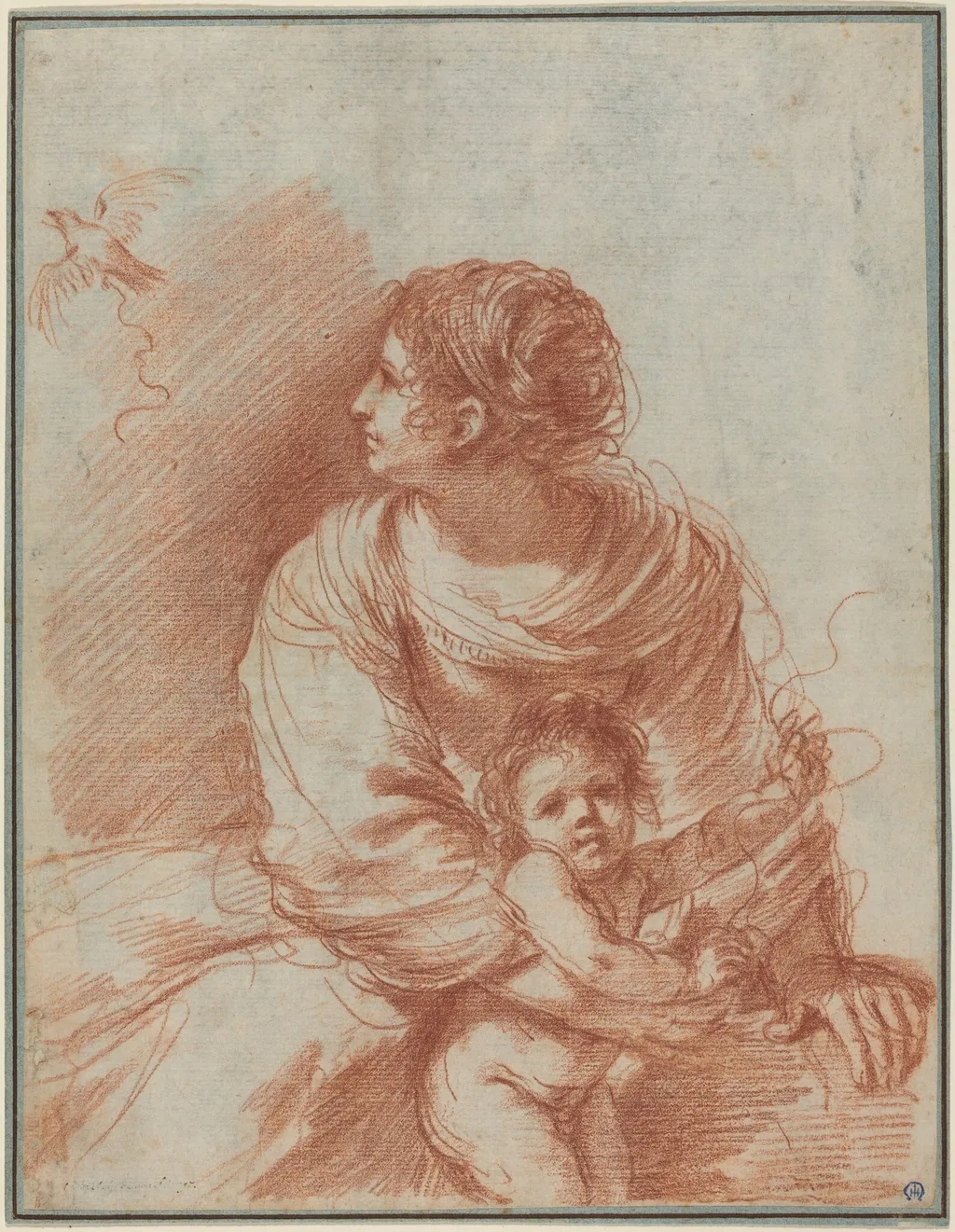
The Madonna and Child with an Escaped Goldfinch is a chalk drawing by the Baroque artist Guercino. It dates from 1634 and is held in the collection of the National Gallery of Art.
About this work
Overview
The Madonna and Child with an Escaped Goldfinch is a red chalk drawing on thin laid paper, executed by Guercino around 1634. Characterized by rough, quick lines and a warm, earthy tone, the sketch captures a fleeting moment in a religious scene.
Subject & Meaning
The drawing depicts the Virgin Mary holding the Christ Child, accompanied by a goldfinch, a symbol often associated with Christ’s future passion. The bird’s apparent escape may intentionally convey a sense of sudden movement.
Technique & Style
Guercino’s use of red chalk on thin laid paper creates a warm, earthy palette. The rough, hasty lines suggest a rapidly executed sketch, contrasting with the more classical balance characteristic of his later work.
History & Provenance
Created circa 1634 by Giovanni Francesco Barbieri (Guercino), an Italian Baroque artist active between Rome and Bologna, transitioning from naturalism to classical styles throughout his career.
Context
This work reflects Guercino’s exploration of light and movement, evident in other pieces from his oeuvre. The simple, flowing attire of the Virgin and her loose hair add to the informal, intimate atmosphere of the sketch.
Legacy
As a characteristic example of Guercino’s red chalk drawings, The Madonna and Child with an Escaped Goldfinch contributes to the artist’s legacy of capturing poignant, dynamic moments in religious themes.
Artist & collection
Artist
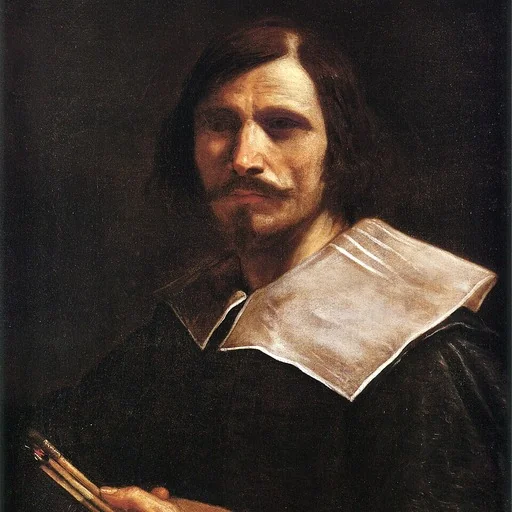
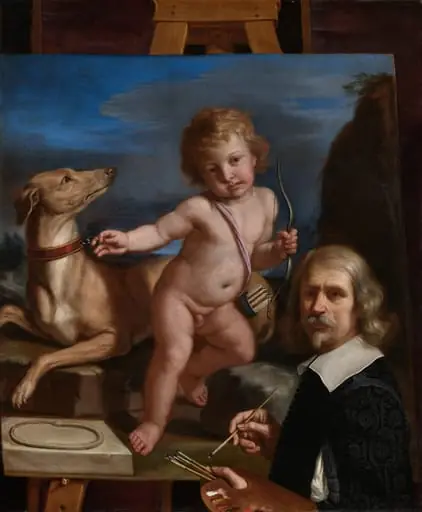
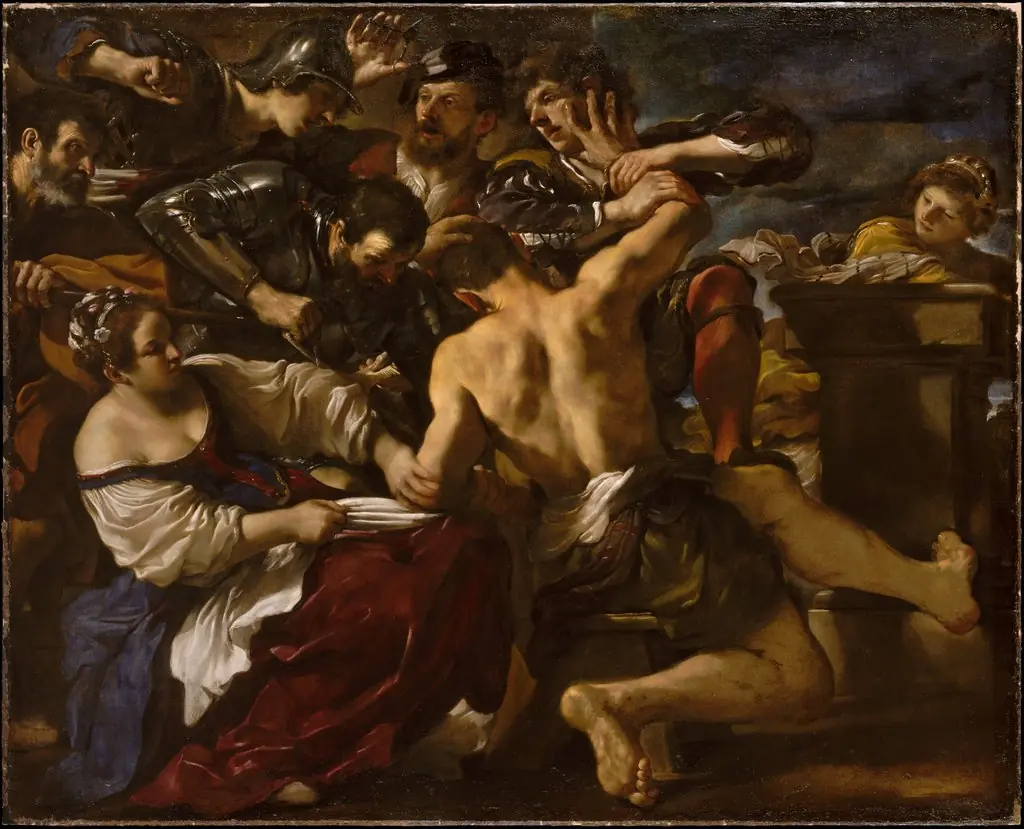
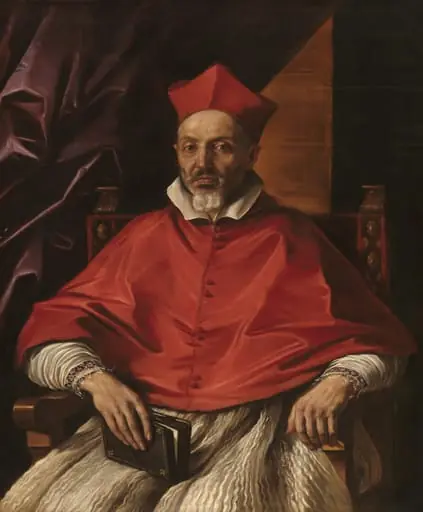
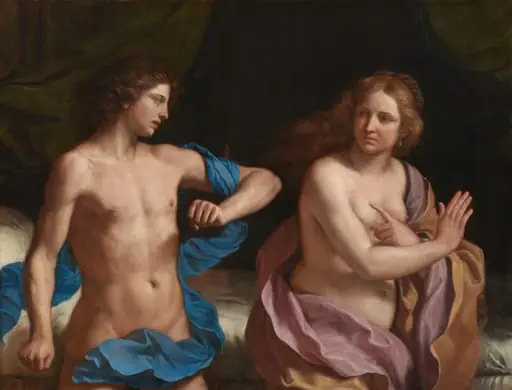
Giovanni Francesco Barbieri (8 February 1591 – 22 December 1666), better known as (il) Guercino (Italian pronunciation: ), was an Italian Baroque painter and draftsman from Cento in the Emilia region, who was active in Rome and Bologna.

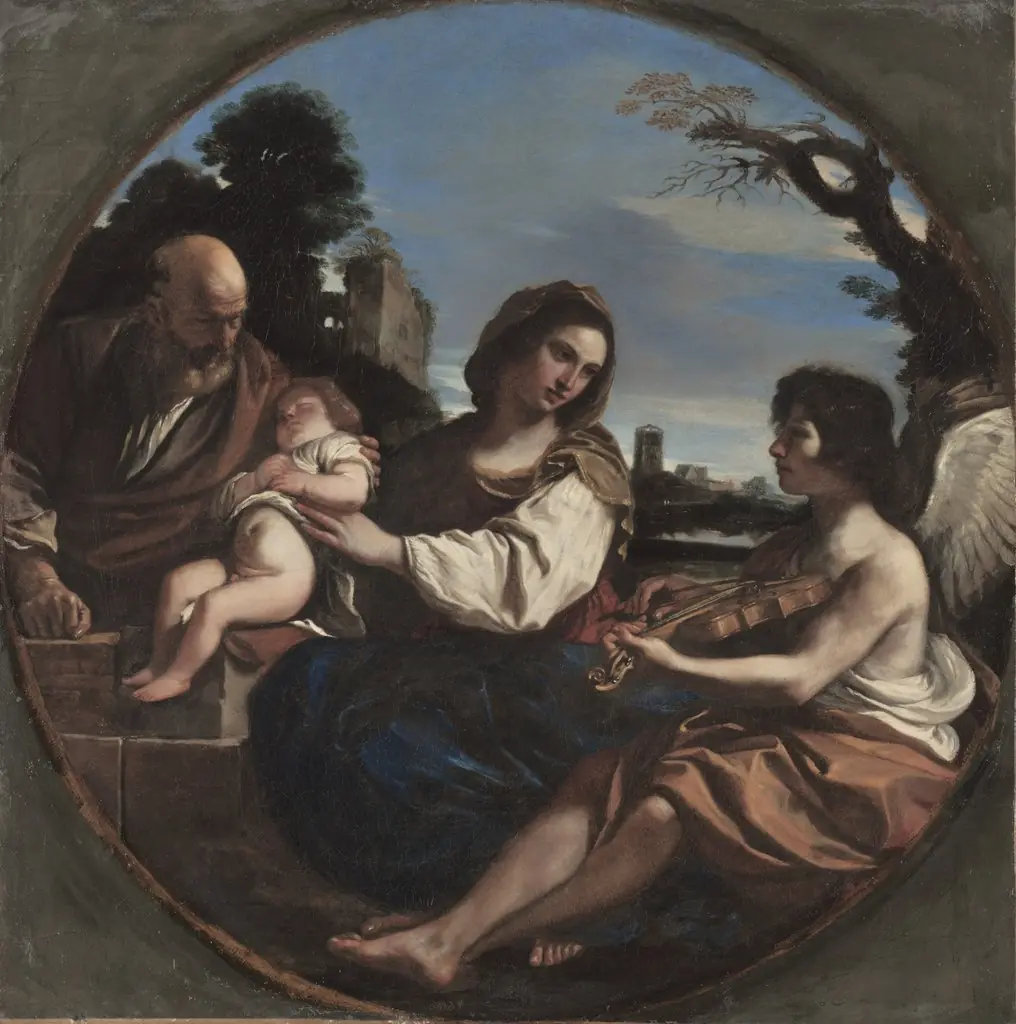
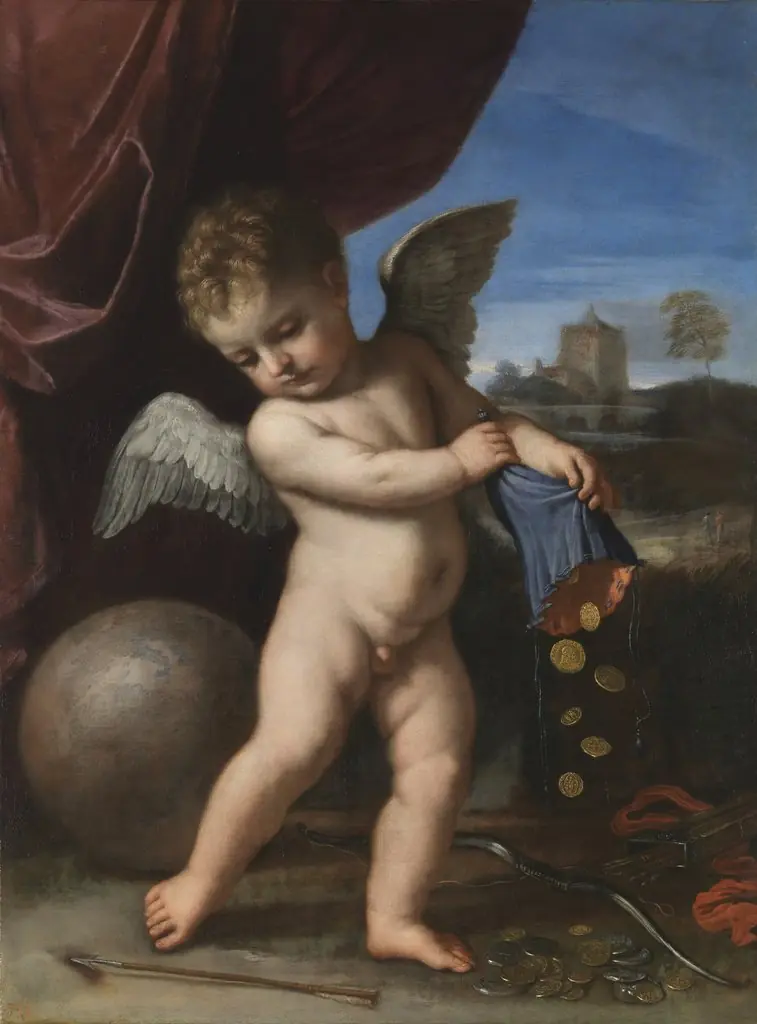
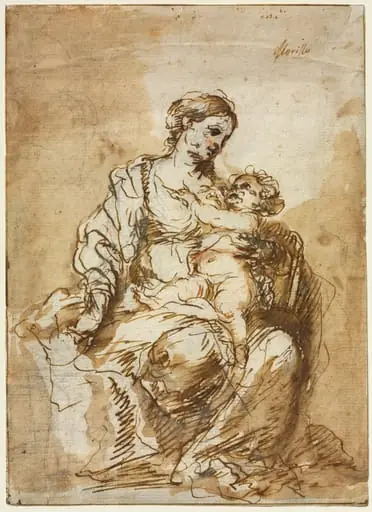 Madonna Nursing the Christ Child
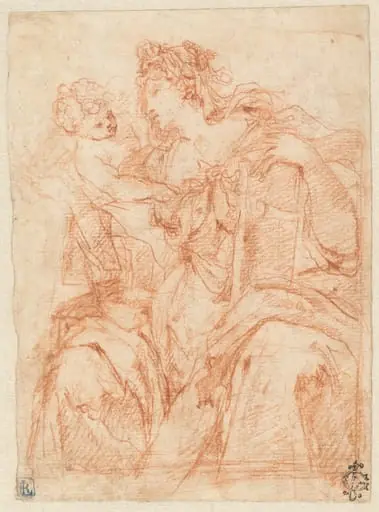 Study for the Sibyl of the Casa Budrioli
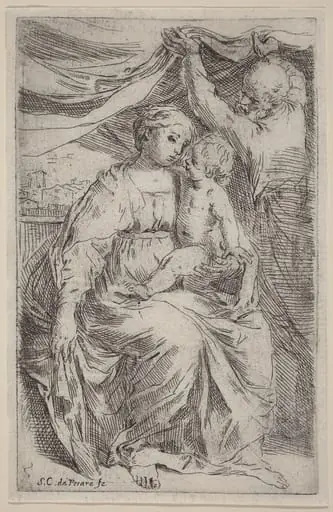 The Holy Family
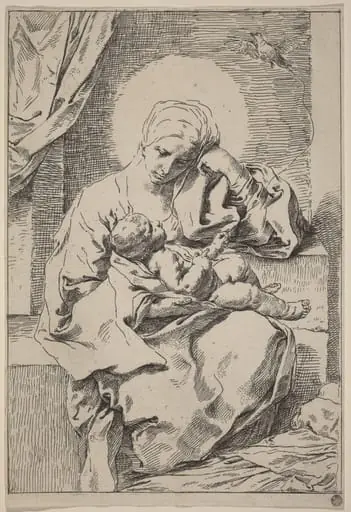 The Virgin and Child with a Bird
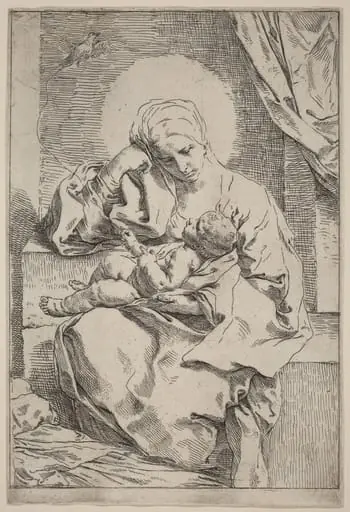 The Virgin and Child with a Bird
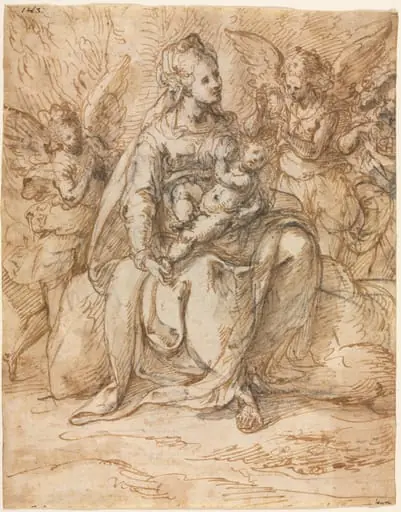 Madonna and Child with Angels
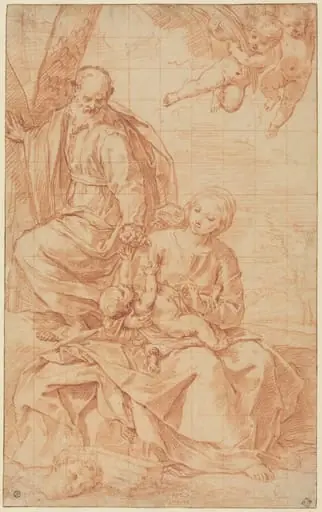 The Rest on the Flight into Egypt, or The Miracle of the Palm Tree
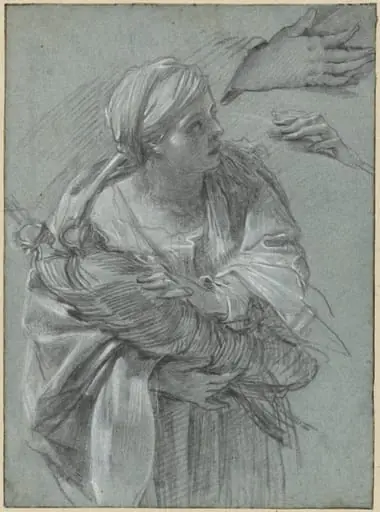 Creusa Carrying the Gods of Troy
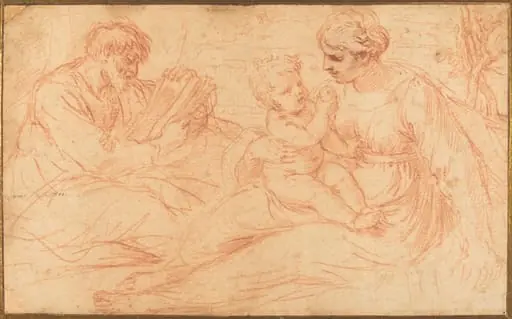 The Holy Family
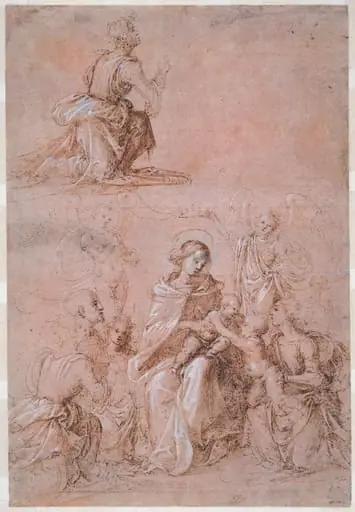 The Virgin and Child Surrounded by Saints and Angels
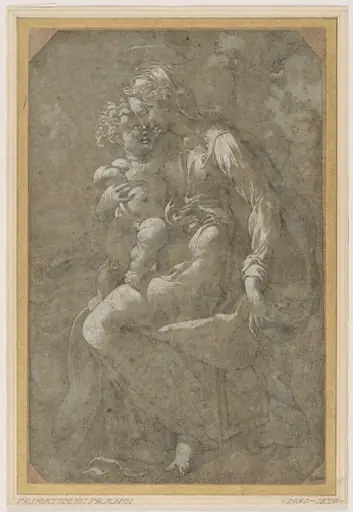 Madonna and Child
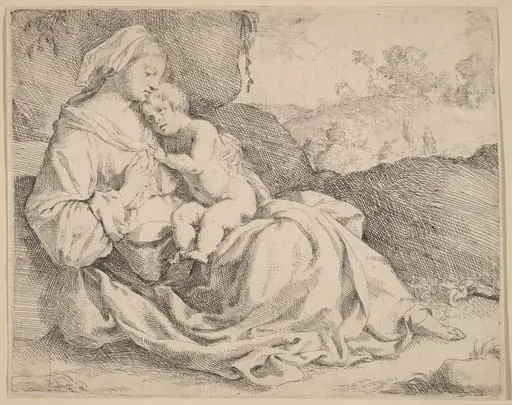 The Virgin and Child on a Grassy Bank