Artwork
The Virgin and Child on a Grassy Bank
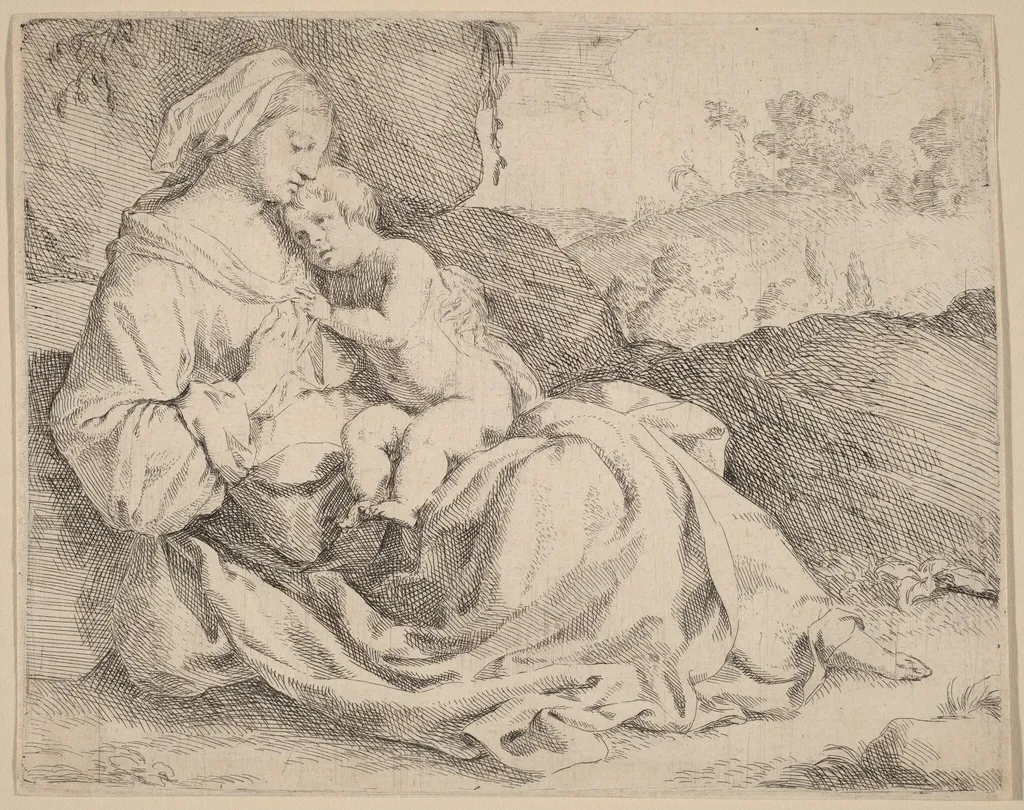
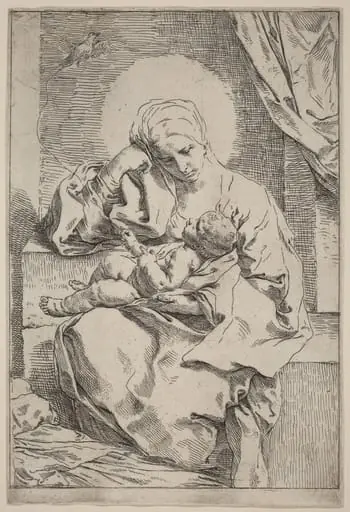
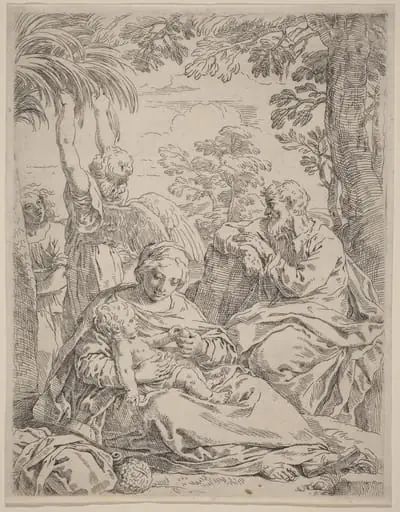
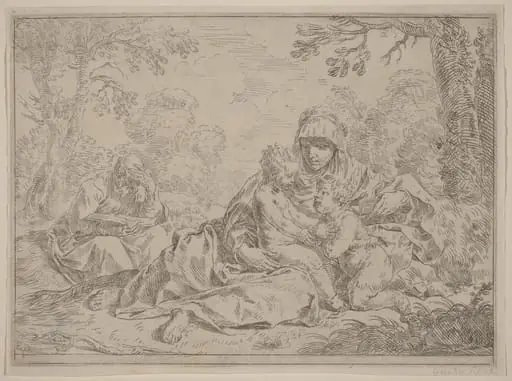
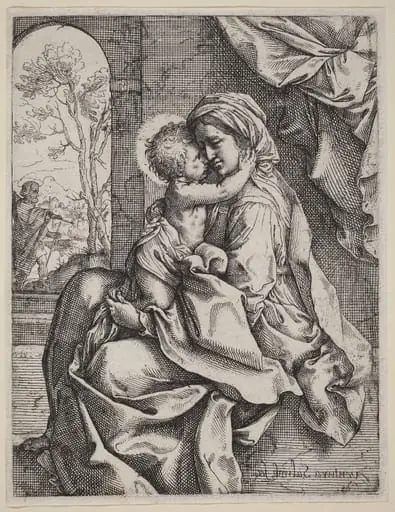
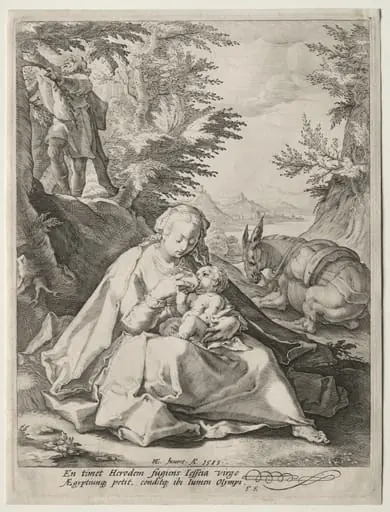
The Virgin and Child on a Grassy Bank is an ink print by the Renaissance artist Jan Miel. It dates from 1631 and is held in the collection of the National Gallery of Art.
About this work
Overview
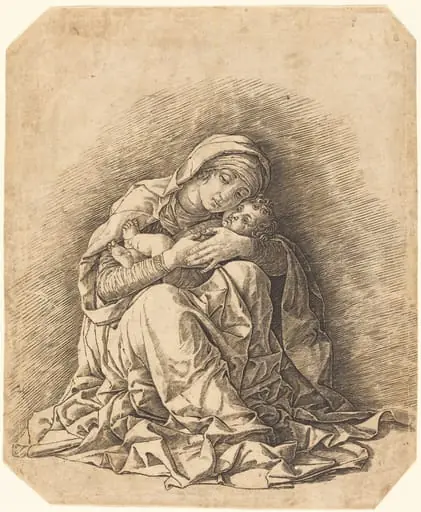
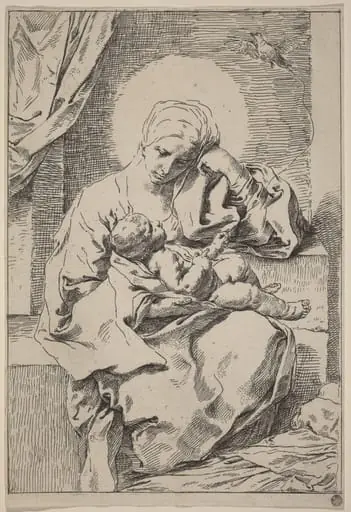
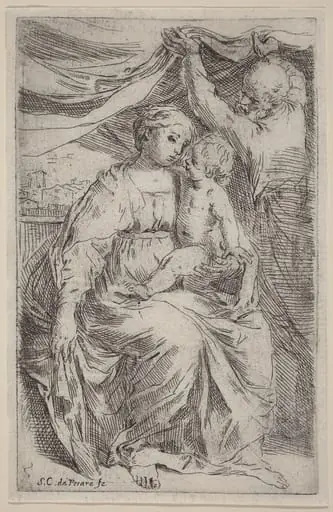
The Virgin and Child on a Grassy Bank is a 1631 etching by Jan Miel, a Flemish artist active in Italy, blending religious subject matter with a serene, naturalistic setting.
Subject & Meaning
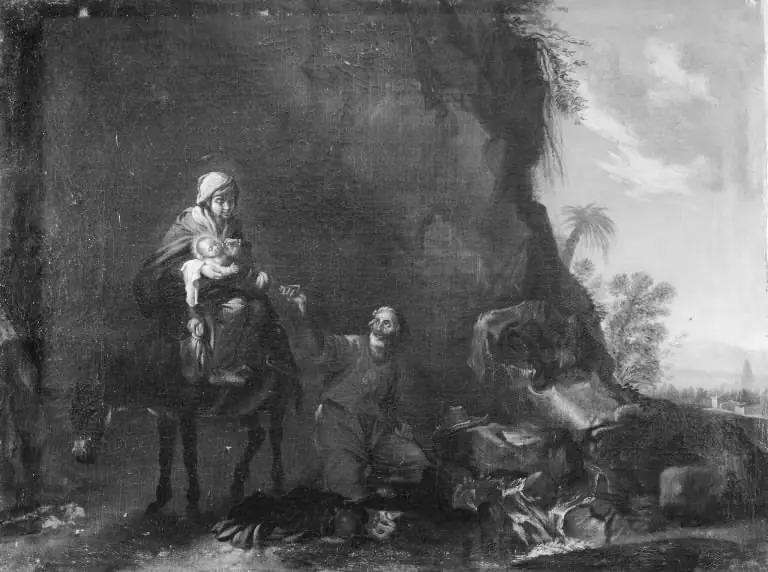
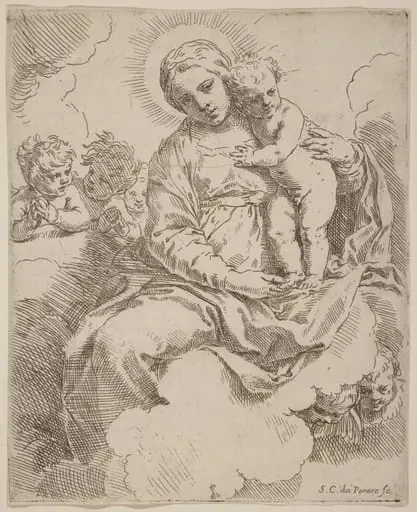
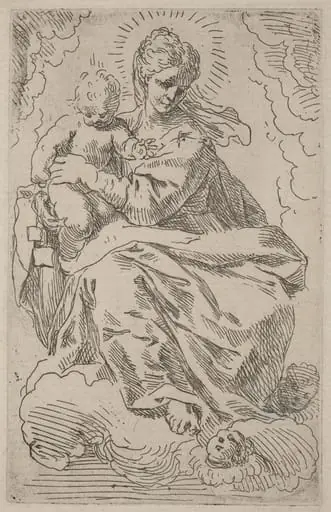
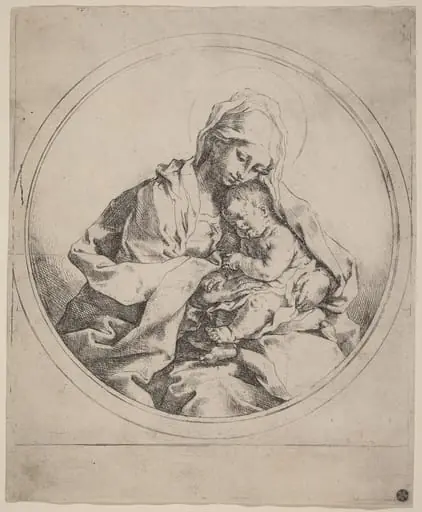
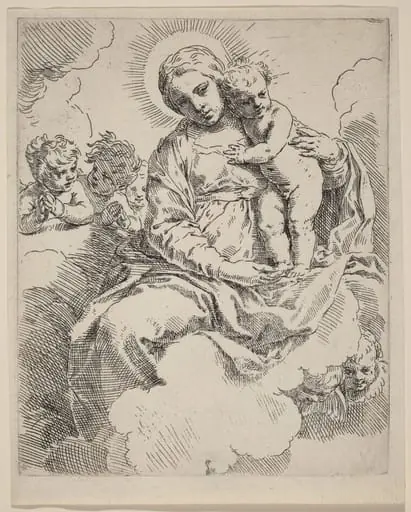
The etching depicts the Virgin Mary and the Christ Child in a peaceful, pastoral environment, conveying a sense of intimacy and serenity within a religious context.
Technique & Style
Characterized by tight, detailed lines and extensive cross-hatching for shading, the work exemplifies Miel's mastery of etching techniques prevalent in the early 17th century, achieving depth and realism, particularly in the folds of the robes and the grassy terrain.
History & Provenance
Created in 1631, the etching reflects Miel's early association with the Bamboccianti, though his later work would shift towards classical historical subjects.
Context
While initially linked to the Bamboccianti's focus on everyday life, this religious piece situates Miel at the intersection of Flemish influence and Italian artistic currents of his time.
Legacy
The etching demonstrates Miel's contribution to the religious genre in early 17th-century printmaking, showcasing his technical skill and the enduring appeal of serene, detailed religious scenes.
Own this work as a print
Artist & collection
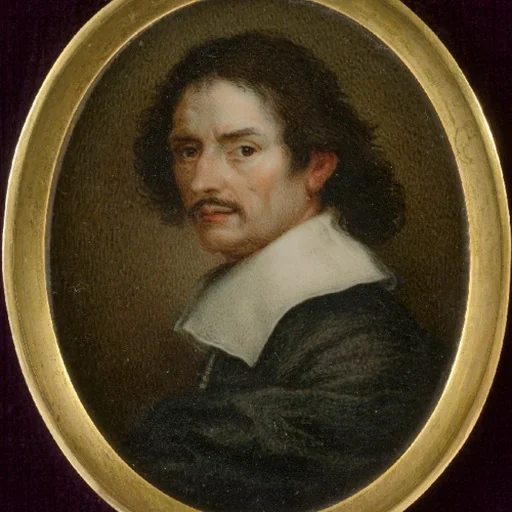
Artist
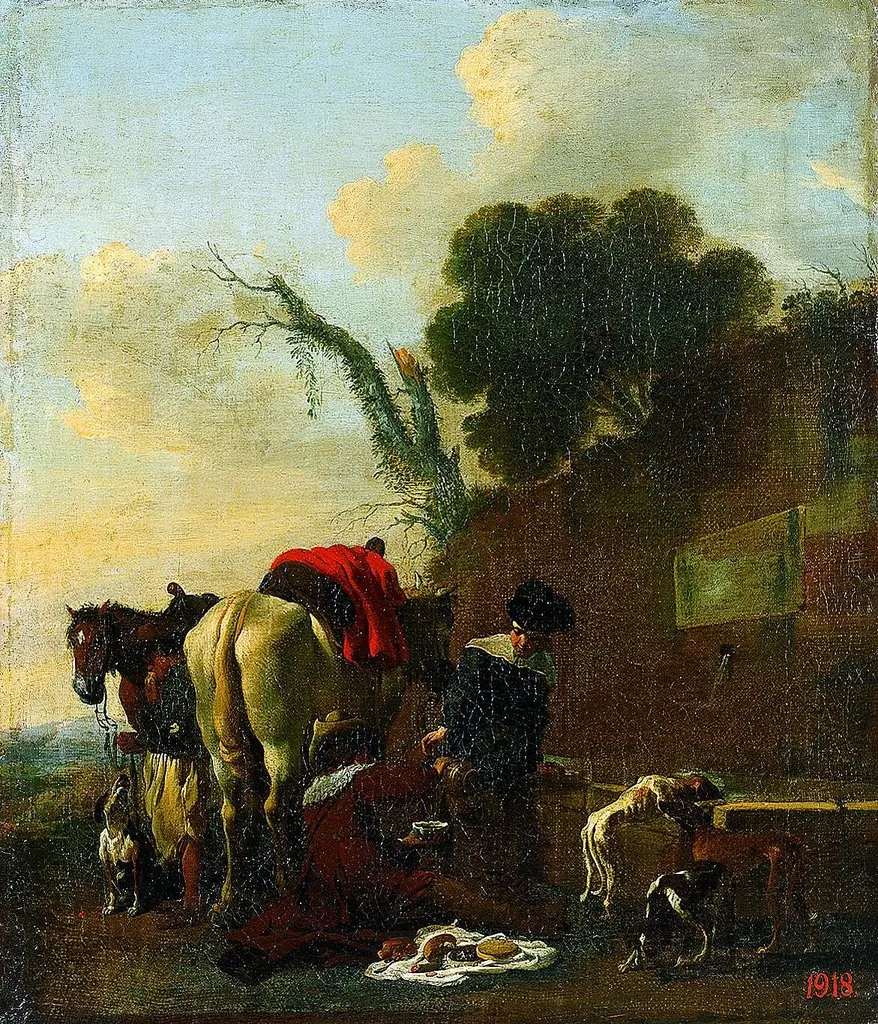
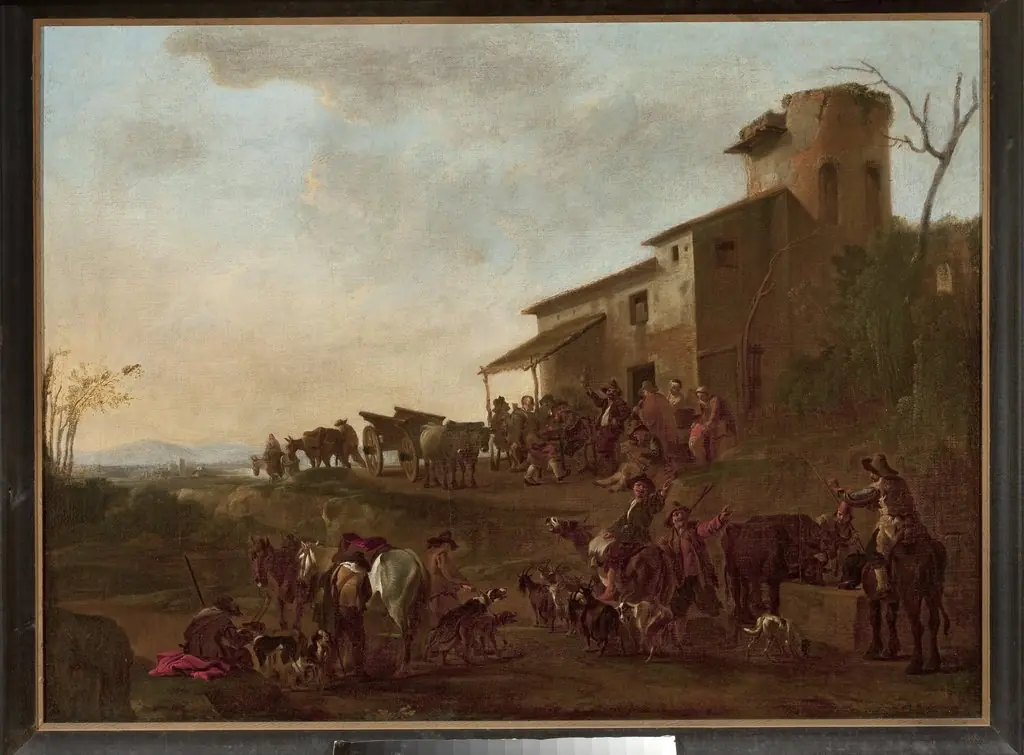
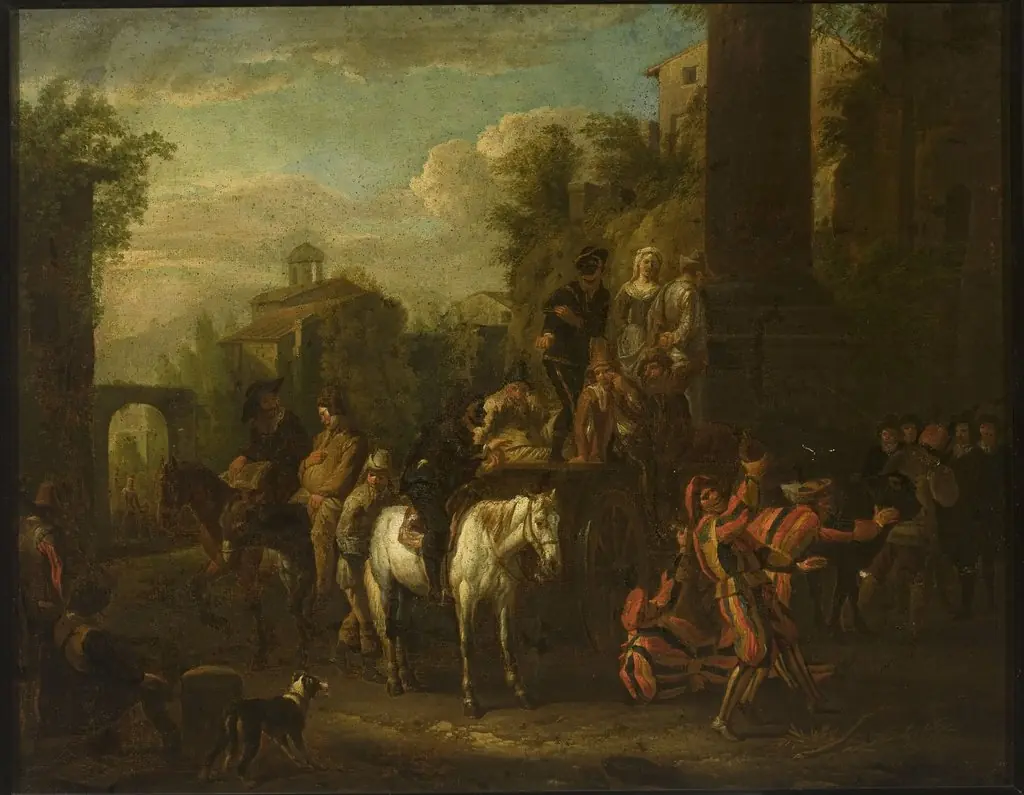
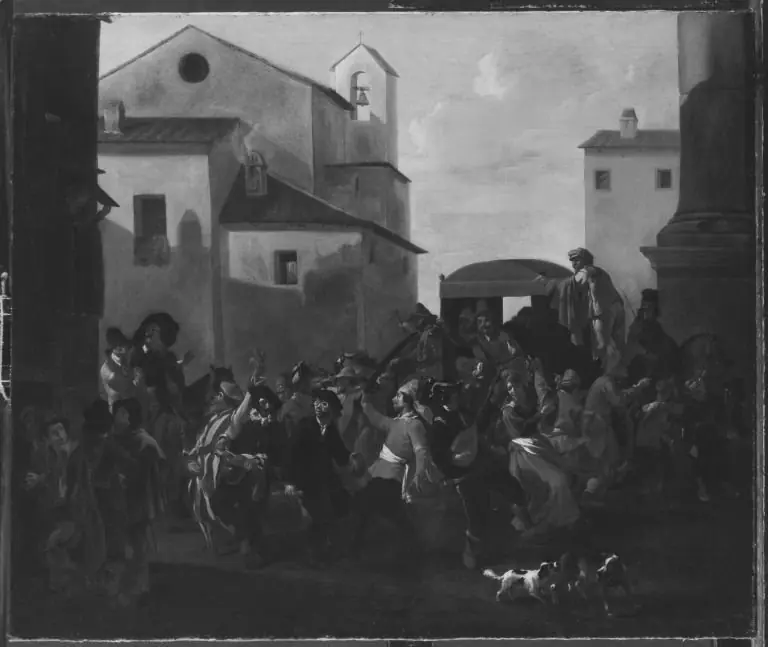
Jan Miel (1599 – April 1664) was a Flemish painter and engraver who was active in Italy.